Blinded by bling: Cartier show sparkles with tiaras galore
The Cartier exhibition now on at the NGV International in Melbourne is bedazzling – and it finishes with a room full of glittering tiaras.
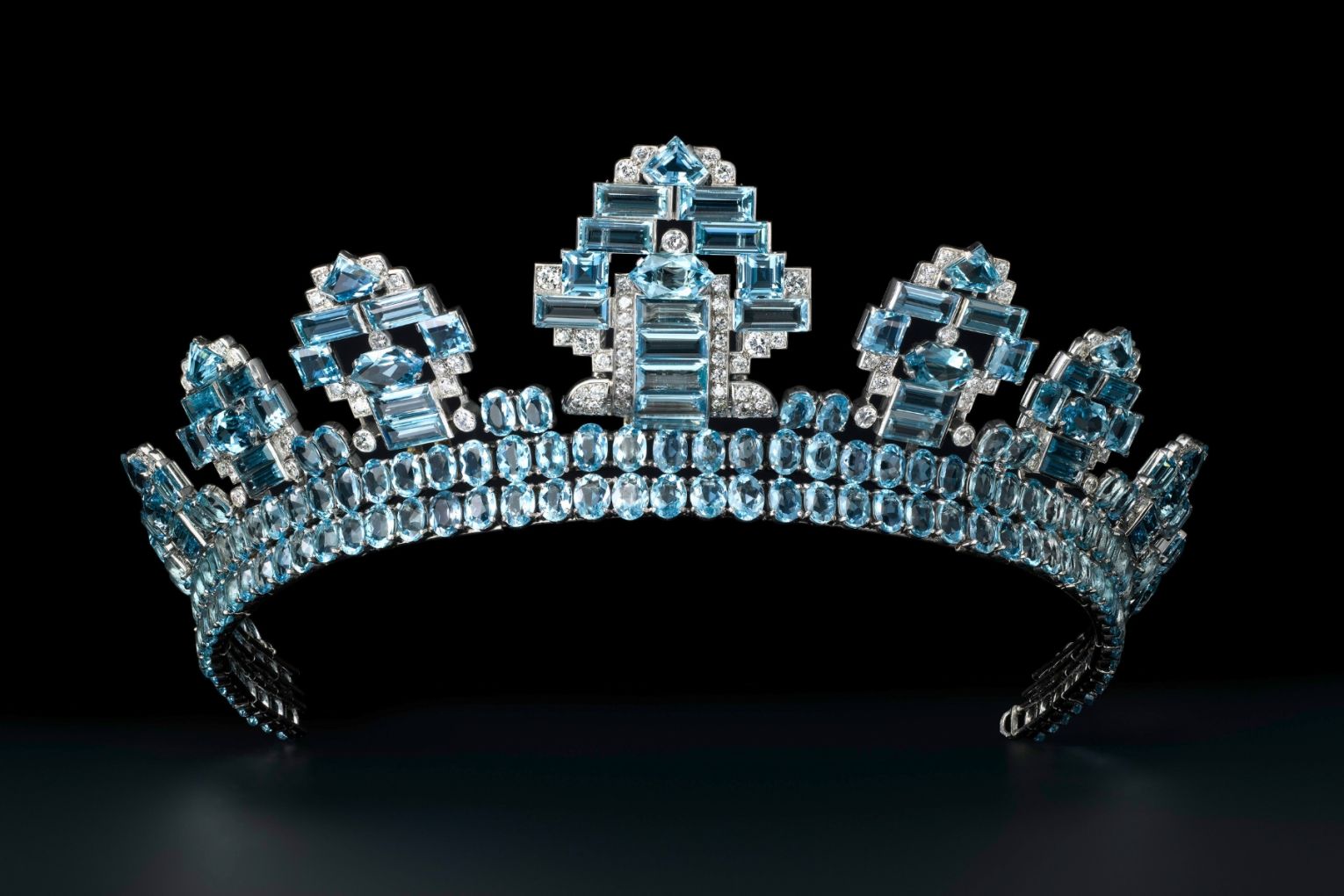
I’m not really a tiara kind of guy, but I must admit to being blown away by recently seeing a room full of them in the CARTIER exhibition now on at NGV International in Melbourne.
This is the sort of exhibition you will travel to see. Make it the centrepiece of your next trip to Melbourne or, if you live there, well, do yourself a favour.
Featuring almost 400 extraordinary Cartier jewels, timepieces and precious objects, alongside rare archival materials including original design drawings, sketchbooks and photographs, the Melbourne Winter Masterpieces presentation is the largest exhibition of the global jewellery house ever staged in Australia.
Direct from London’s Victoria & Albert Museum, this adapted and expanded presentation of CARTIER is exclusive to Melbourne and includes almost 300 works never-before-seen in Australia.
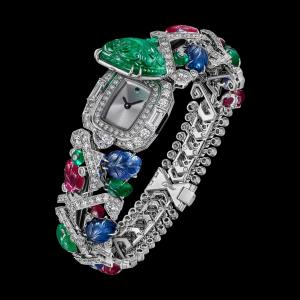
The exhibition explores Cartier’s unparalleled reputation for design excellence, craftsmanship and technical innovation through a dazzling selection of Cartier creations owned and worn by the likes of Elizabeth Taylor, Grace Kelly, Rihanna, Andy Warhol, Princess Margaret, The Duchess of Windsor, Dame Nellie Melba, the Maharaja of Patiala, the Begum Aga Khan III and heiresses including Daisy Fellowes and Barbara Hutton.
It charts the evolution and artistic legacy of the maison, including its transformation at the turn of the 20th century by brothers Louis, Pierre and Jacques Cartier, grandsons of the house’s founder Louis-François Cartier.
You might like
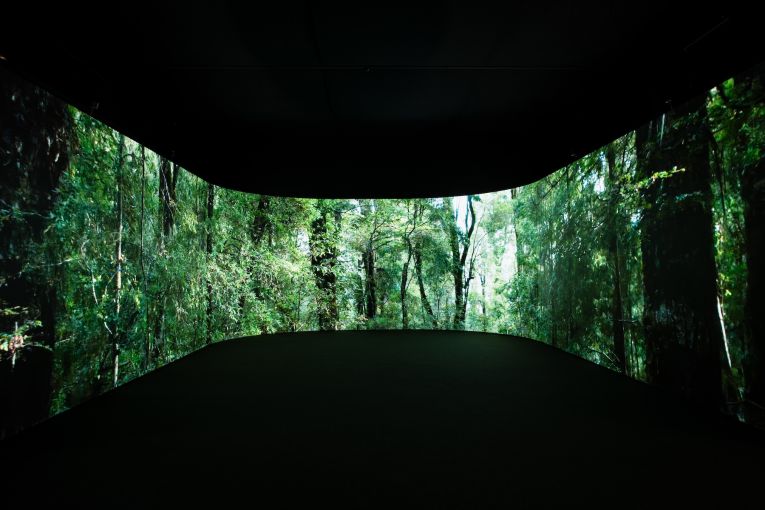
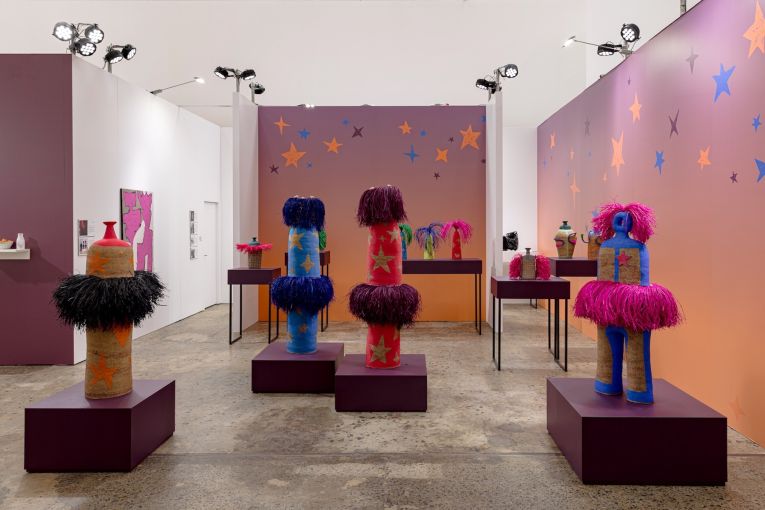
The brothers established branches in Paris, London and New York, creating the first internationally recognised jewellery maison, and honed Cartier’s inimitable style by bringing design and manufacturing in-house. With an illustrious client list of royalty and aristocracy, Cartier was described as “the jeweller of kings and the king of jewellers” and was granted its first Royal Warrant by Britain’s King Edward VII in 1904.
Cartier’s reputation later broadened, thanks to the devotion of creatives from the worlds of cinema, music and fashion. The Melbourne exhibition features works from the V&A and Cartier Collection as well as key international loans from the British Museum, Qatar Museums, Musée des Arts décoratifs in Paris, Collections of HSH the Prince of Monaco, Al Thani Collection and private lenders. It also features a wealth of archival material drawn from the Cartier Archives in Paris, London and New York.
We were in London last year and went to the V&A to see the exhibition, but it was sold out on our visit. I was not that disappointed because I hadn’t really grasped the full extent of how fascinating it actually is. As I wandered through the show in Melbourne, I became increasingly interested, room by room. Rather gauchely, though, I suppose, one thing on my mind constantly was – how much is this stuff worth? Impossible to say, but there must be billions of dollars’ worth of precious items here.
What really drew me in were the human stories behind the various objects on display. It was fascinating to see that Australian opera singer Dame Nellie Melba was an important early client of Cartier and some of her jewels are on display. She wore Cartier on and off stage. There is an autographed 1902 photograph of her, owned by Pierre Cartier.
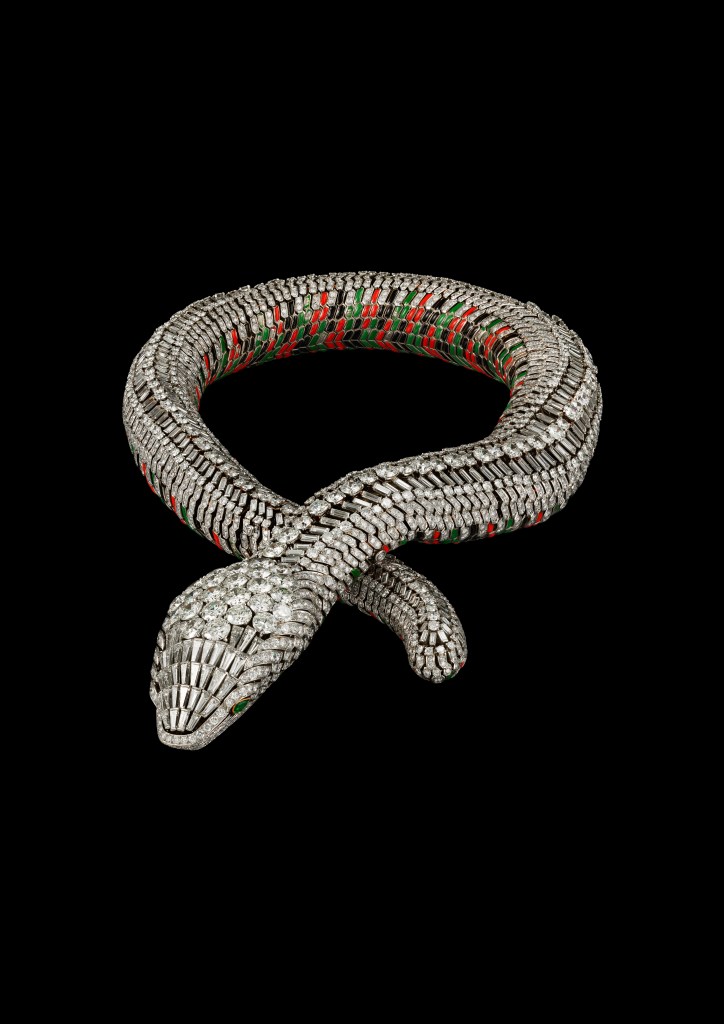
Cartier commissions of Mexican actor Maria Felix are quite extraordinary and the display includes the sinuous Snake Necklace (1968), which features 2473 diamonds and scales enamelled in the colours of the Mexican flag. Another piece of Maria Felix’s that blows you away is her Crocodile Necklace (1975), which features two crocodile forms – one set with fancy yellow diamonds, the other in emeralds. You do ask yourself, who would need something like this, but that may be the wrong question.
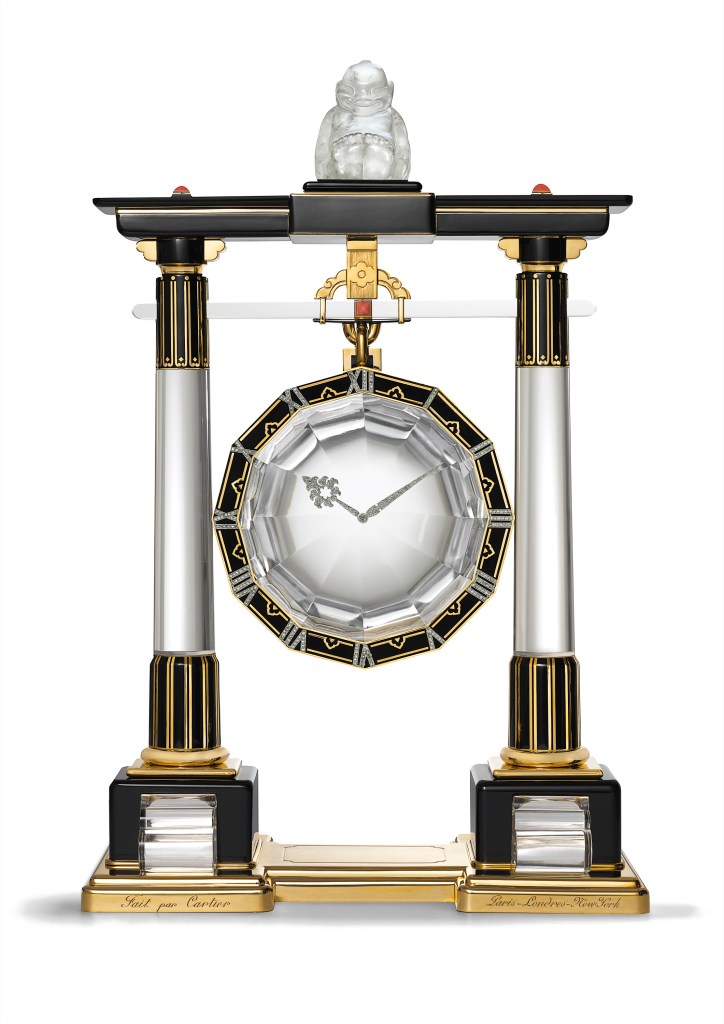
As you wander through the galleries there’s an awful lot of “oohing” and “ahhing”. I started out with some skepticism but by the end I was completely absorbed.
Subscribe for updates
I have to say the movie star elements certainly helped get me interested, particularly the Elizabeth Taylor connection. Having recently watched a documentary about her life and the various tragedies along the way. I found the 1951 necklace gifted to her by her third husband, film producer Mike Todd while on holiday in the French Riviera in 1957, rather poignant considering Todd was killed in a plane crash the following year. Taylor herself described the necklace as being “like the sun – lit up and made of red fire”.
The exhibition also features the many Cartier jewels owned by Grace Kelly following her marriage to Rainier III, Prince of Monaco, on loan from Monaco. They include a multi-strand pearl and coral necklace (1958) and a 1960 gold and pearl poodle broach, recalling her pet poodle Oliver. Cute.
There’s just so much to see in this exhibition and it is all fascinating and mind boggling, in equal measure.
The crowning glory, if you’ll pardon the pun, is the tiara room in the final gallery which features 24 of the 30 tiaras included in the exhibition. Tiaras, a timeless symbol of royalty, glamour and artistry, represent the pinnacle of the jeweller’s art, and some of Cartier’s most celebrated creations. With symbolic links to the laurel wreaths of classical antiquity and celestial halos, the tiara has been worn for centuries across cultures from Asia to Europe.
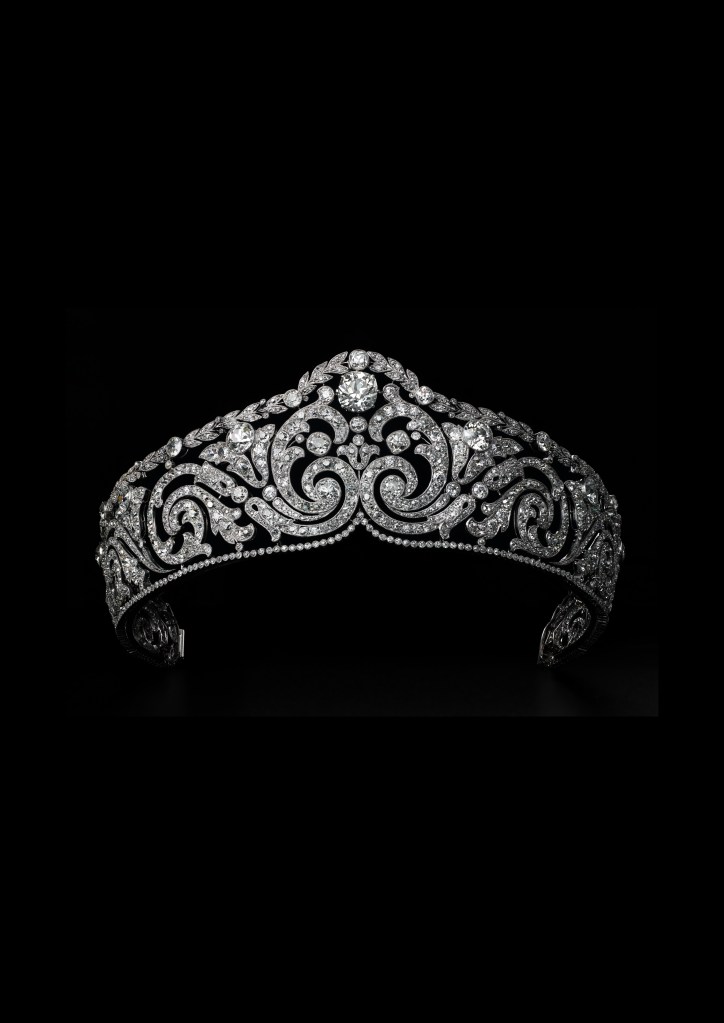
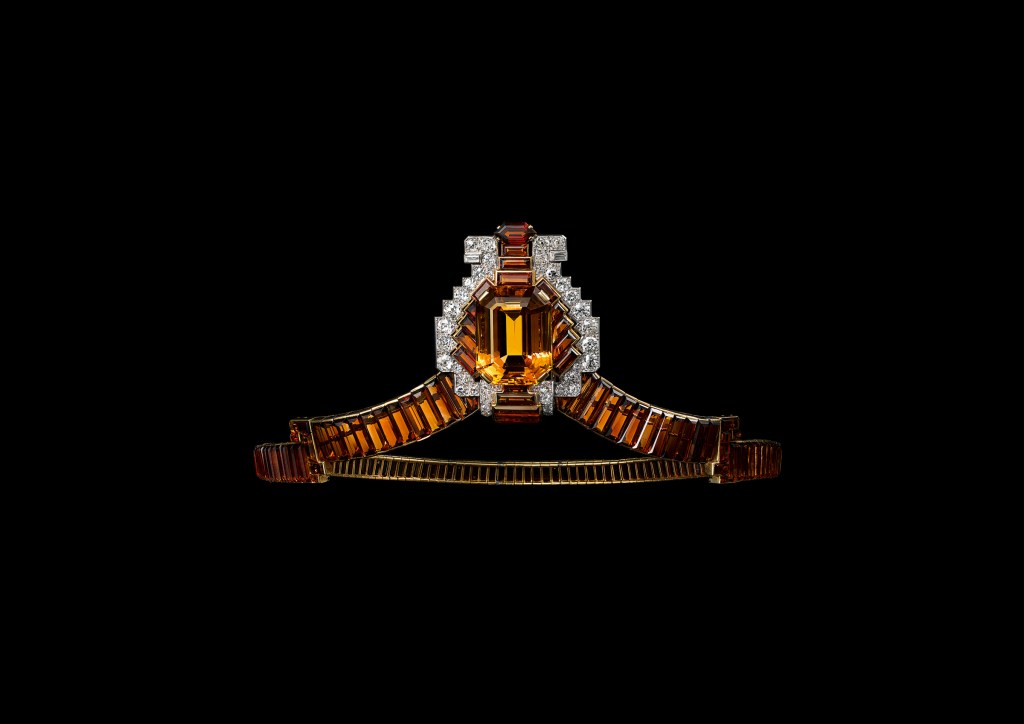
The glittering display includes Cartier’s celebrated Scroll tiara (1902), crafted in the house’s signature Garland-style and worn by Lady Clementine Churchill at the coronation of Queen Elizabeth II in 1953 and by Rihanna on the cover of W magazine in 2016. The exhibition opens with one of its largest tiaras, the Manchester tiara, commissioned in 1903 by the “dollar princess” Consuelo Montagu, Dowager Duchess of Manchester. who supplied all the diamonds herself.
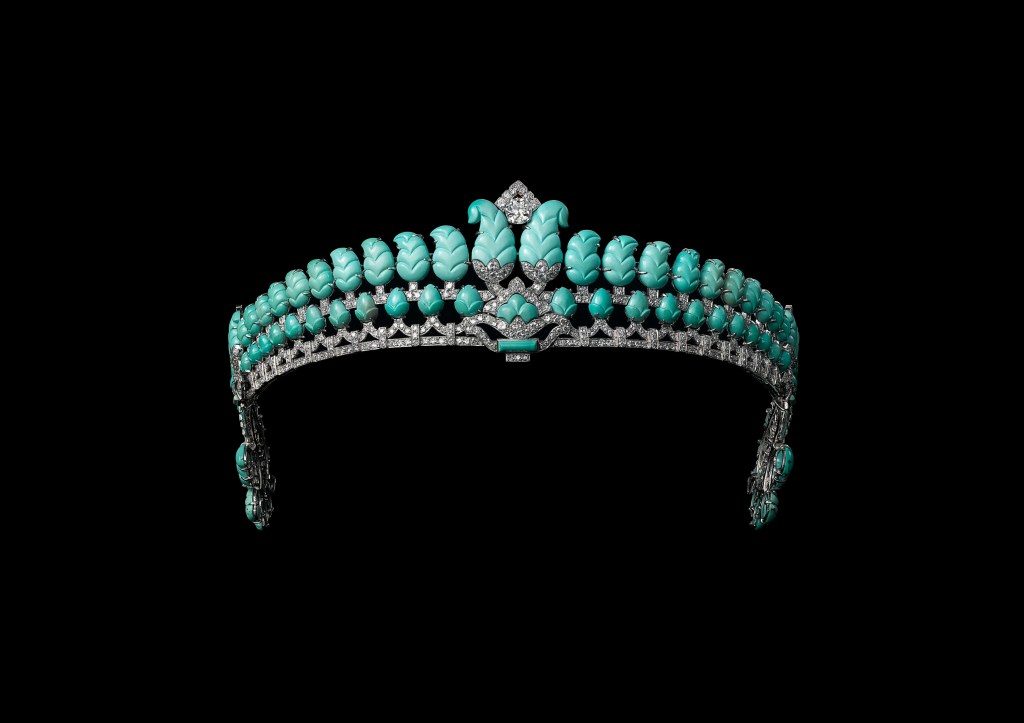
This exhibition also marks the first time in decades that two turquoise and diamond tiaras, worn by famed sisters Lady Nancy Astor and Lady Phyllis Brand, will be presented together. Born Nancy and Phyllis Langhorne in Virginia, US, these glamorous sisters became central members of London’s elite political and social circles from the 1910s to the 1930s.
Other tiara highlights include the Sun tiara of 1907 with a 32-carat fancy intense yellow diamond in its centre; and the Art Deco diamond and platinum Halo tiara of 1934, which was inspired by ancient Egypt and owned by Her Highness, the Begum Aga Khan III.
The tiara gallery is a fitting finale to this extraordinary exhibition.
CARTIER: Melbourne Winter Masterpieces, NGV International, Melbourne, until October 4.
Want to see more stories from InDaily SA in your Google search results?
- Click here to set InDaily SA as a preferred source.
- Tick the box next to "InDaily SA". That's it.
Free to share
This article may be shared online or in print under a Creative Commons licence