What’s My Scene: Mark Saturno’s goal is always ‘making it truthful’
In our regular Q&A column What’s My Scene, InReview speaks to emerging and established local artists to get their take on the South Australian creative scene and their place within it. This week, Mark Saturno reflects on his early career in Adelaide theatre, and taking to the stage opposite his ‘hero’ Anthony Lapaglia in Death of a Salesman.
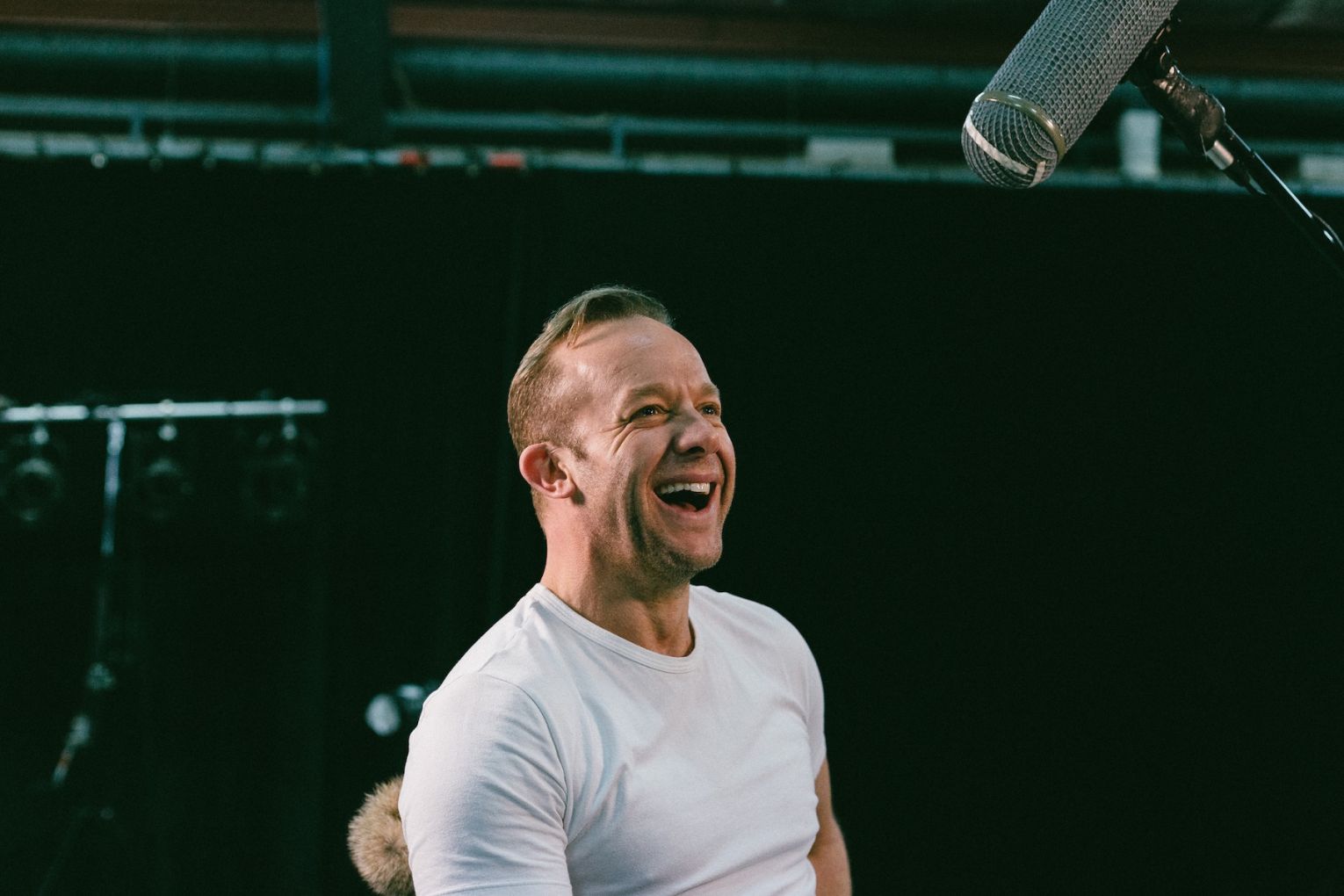
Where was your first Adelaide performance, and how did it go?
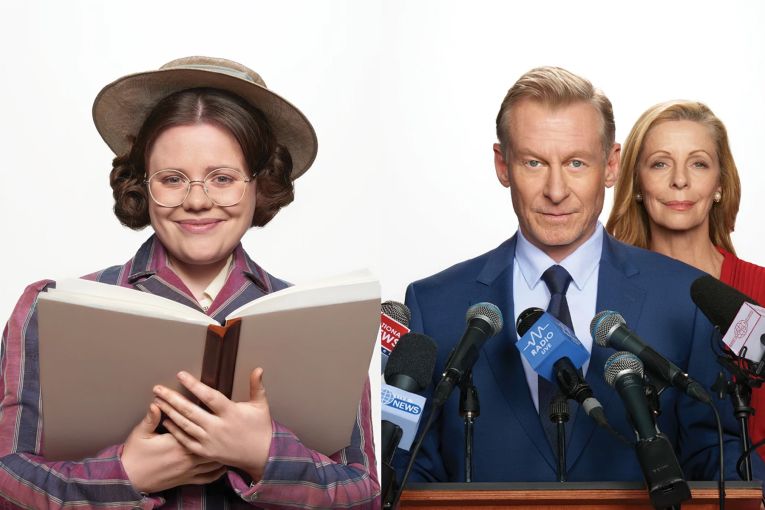
If Year 12 drama counts, then it was five performances of a play called DAGS at The Odeon Theatre, Norwood. It was for our assessment. I was the only boy in class so doubled up as the popular kid, Adam and the nerd, Derek. I knew it was going well when waves of laughter spilled onto the stage when doing the Derek scene, which was brilliantly written. I’ll never forget the feeling of making almost 200 people laugh uproariously and I think I’ve chased that feeling ever since. I knew then that this is what I was meant to do.
What is your artist origin story?
It started in primary school. I realised that I was totally at ease getting up in front of people and performing (which gets progressively harder as you age and become more self-conscious!). I went on to do Year 12 drama, then took classes and auditioned for all the Australian acting schools and basically went to the first one that accepted me! That was CPA (Centre for the Performing Arts – now AC Arts) and that training put me in good stead to become a working actor. While there was a dogma attached to the training, there was also a really freeing attitude of ‘Don’t think, do!’, which was very formative for me.
What was your impression of the Adelaide creative scene when you first started, and how has that changed?
I thought Adelaide was the epicentre of creativity and art growing up and for a teenager, it kinda was. Our State Theatre Company was under the guidance of Simon Phillips whose groundbreaking re-imaginings, of Shakespeare in particular, were world class. The Adelaide Festival was the most important arts festival in the country and there were exciting smaller companies like Red Shed really pushing boundaries. It felt alive and accessible.
After starting out performing here, I figured my credits here were enough to get my foot in the door in New York. I was so naive – most places pale in comparison to the creative scene of that city.
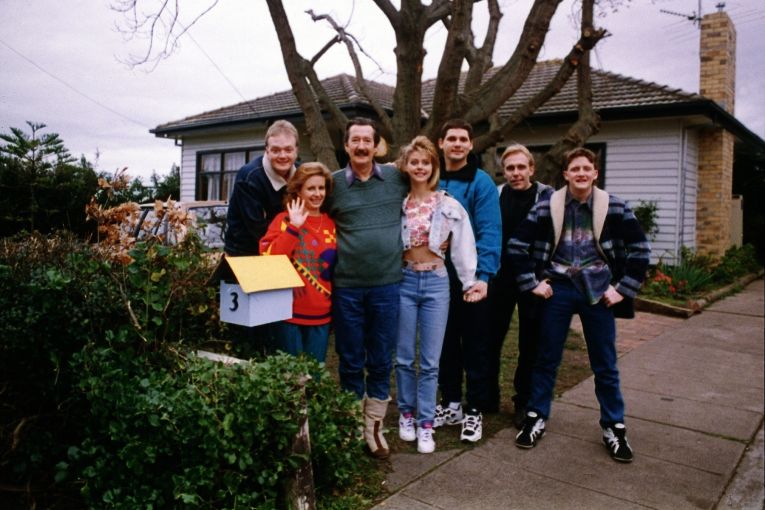
When I returned, I felt like Adelaide was in a bit of a dormant period due to lack of funding, theatre producers with excellent track records having to scrape and beg for money and the lure of film and TV work on the east coast drawing creatives away from here. But I’m seeing some green shoots and young directors and writers are choosing to stay and commit to producing work here – despite the challenges. Bless them.
How has your own work evolved since you first started?
Jeez, I’m not sure it has!! I’ve always been a ‘big’ actor. Very theatrical, loud and over the top but I guess I’ve learned how to rein it in somewhat and instead of ‘muscling’ out a performance, I try and just let the truth of the play or scene lead me through. The goal is always making it truthful. If your audience sees fakery, they’ll turn away. I’m constantly working on that.
What is it about your next big project that you’re most excited or nervous to share with the world?
Super nervous and excited about being in State Theatre’s last show of the 2026 season, The Heartbreak Choir. It’s a beautifully warm-hearted play but I need to sing alongside some serious voices, so… gulp! I’m also looking forward to a feature film I have a supporting role in called The Debt being released. It’s a dark thriller filmed entirely in South Australia and very, very creepy!
Who are the artists around you that inspire or challenge you?
So many, but Elena Carapetis, Jim Smith and Nathan O’Keefe come to mind – because they are never idle. I’m inspired by their capacity to keep creating and constantly reinventing themselves as artists. And the great Geordie Brookman, who alas is living overseas currently but has always challenged me to think deeper and work harder.
Favourite Adelaide venue to play?
Dunstan Playhouse. It was my first major venue to play and the boards I’ve tread on the most.
Subscribe for updates
Dream artist to perform alongside?
Only one??? Damn. I’m gonna say Olivia Colman. She never puts a foot wrong and never seems to take herself too seriously, despite doing some of the most extraordinary work I’ve ever seen.
Favourite artist to collaborate with?
Apart from Geordie, my good mate Brett Archer. His creative energy goes to 11, and he is arguably the best acting teacher in Adelaide.
Where is your next Adelaide performance, and how do you hope it will go?
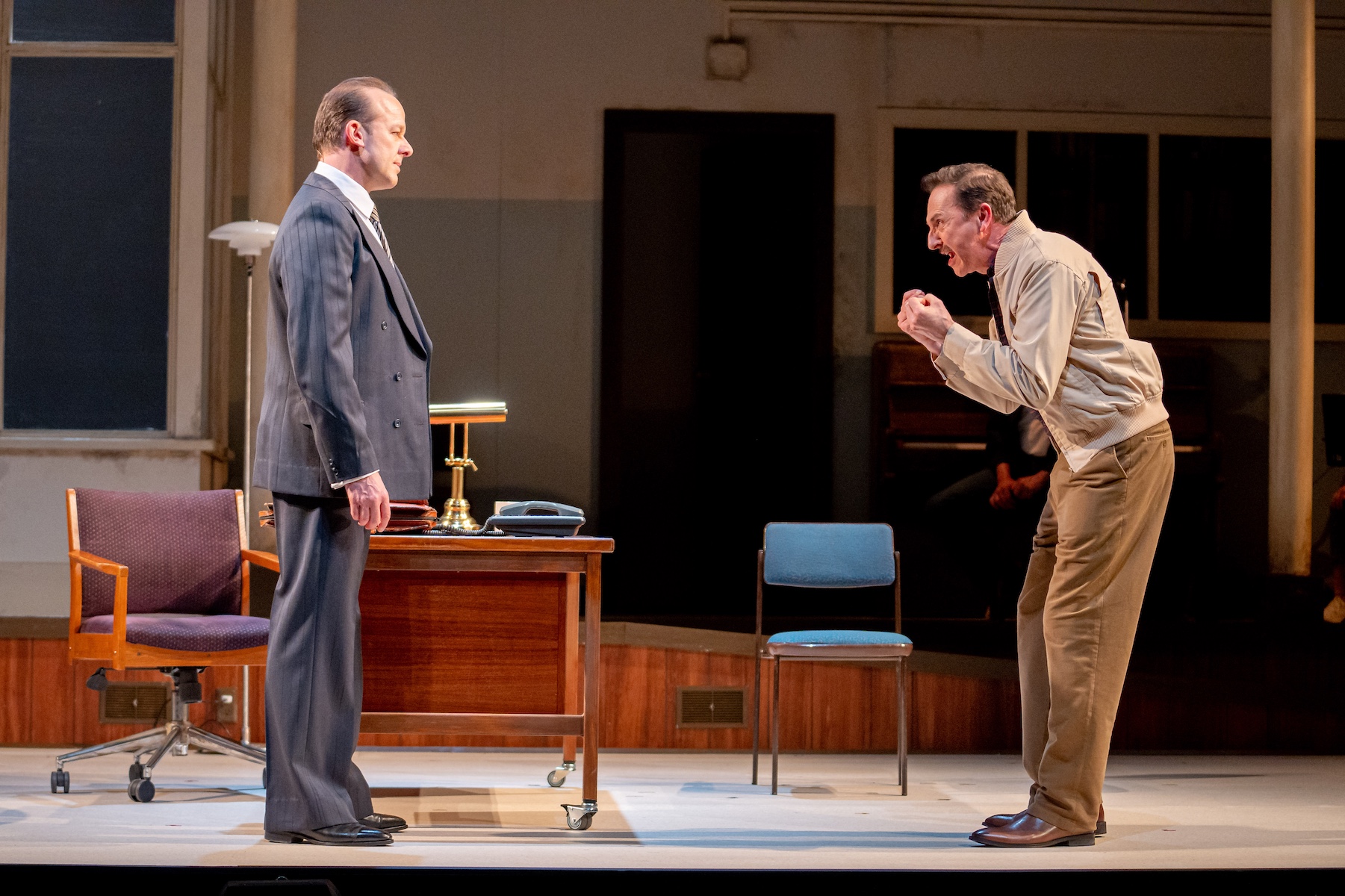
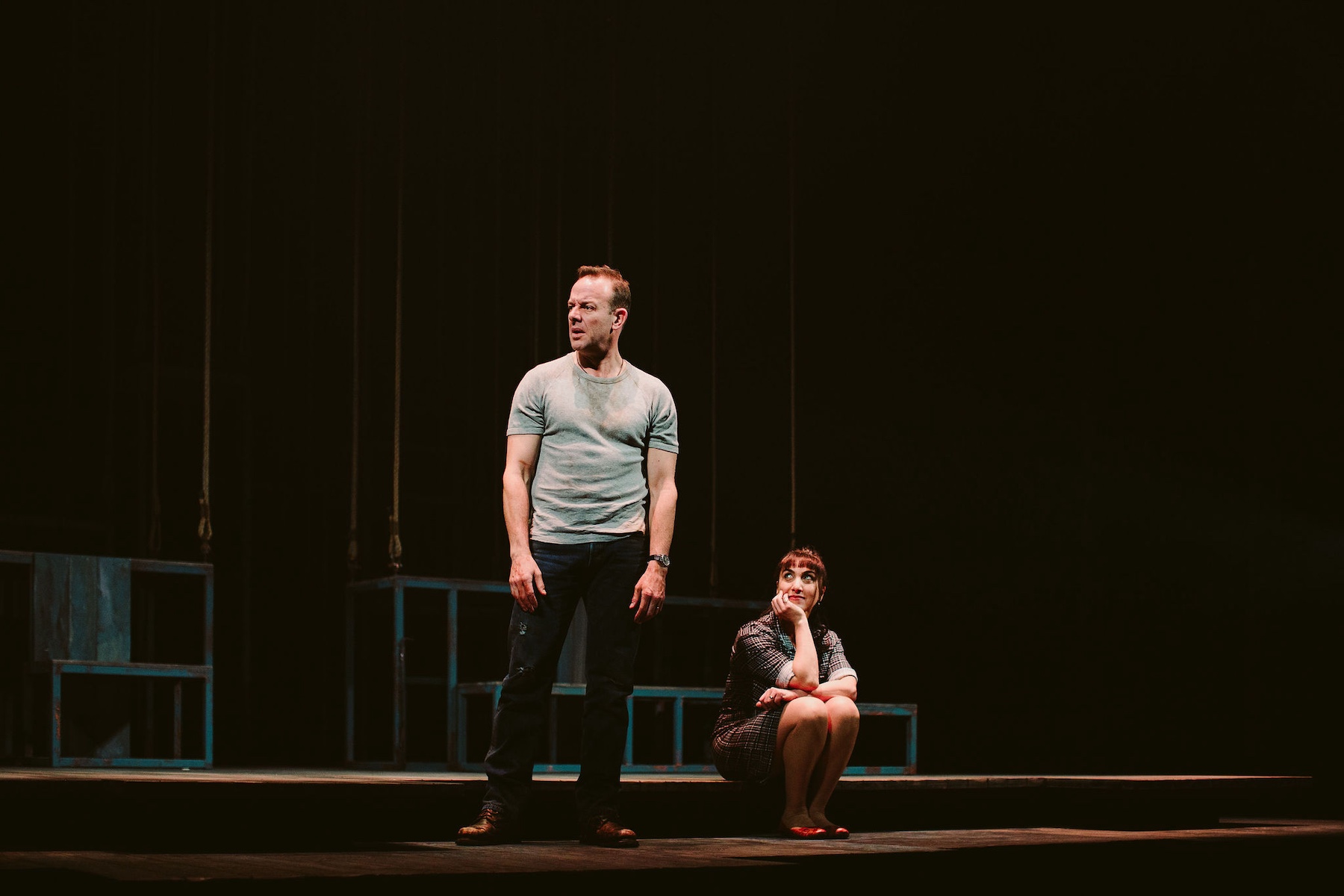
The Adelaide season of Death of a Salesman is coming up next which is just a privilege to be a part of. One of my favourite plays and Anthony La Paglia is a hero of mine. I hope I do it justice!
Death of a Salesman runs from September 26 – October 4 at the Festival Theatre. The Heartbreak Choir runs from November 20 – December 5 at the Dunstan Playhouse.
Want to see more stories from InDaily SA in your Google search results?
- Click here to set InDaily SA as a preferred source.
- Tick the box next to "InDaily SA". That's it.
Free to share
This article may be shared online or in print under a Creative Commons licence