‘Deliciously inefficient’: State Opera defiantly pits itself against the algorithm
As State Opera South Australia marks its 50th anniversary, Artistic Director Dane Lam reflects on its next fairytale-infused double-header – and the challenge of staging ambitious works in an era of digital ‘abominations’.
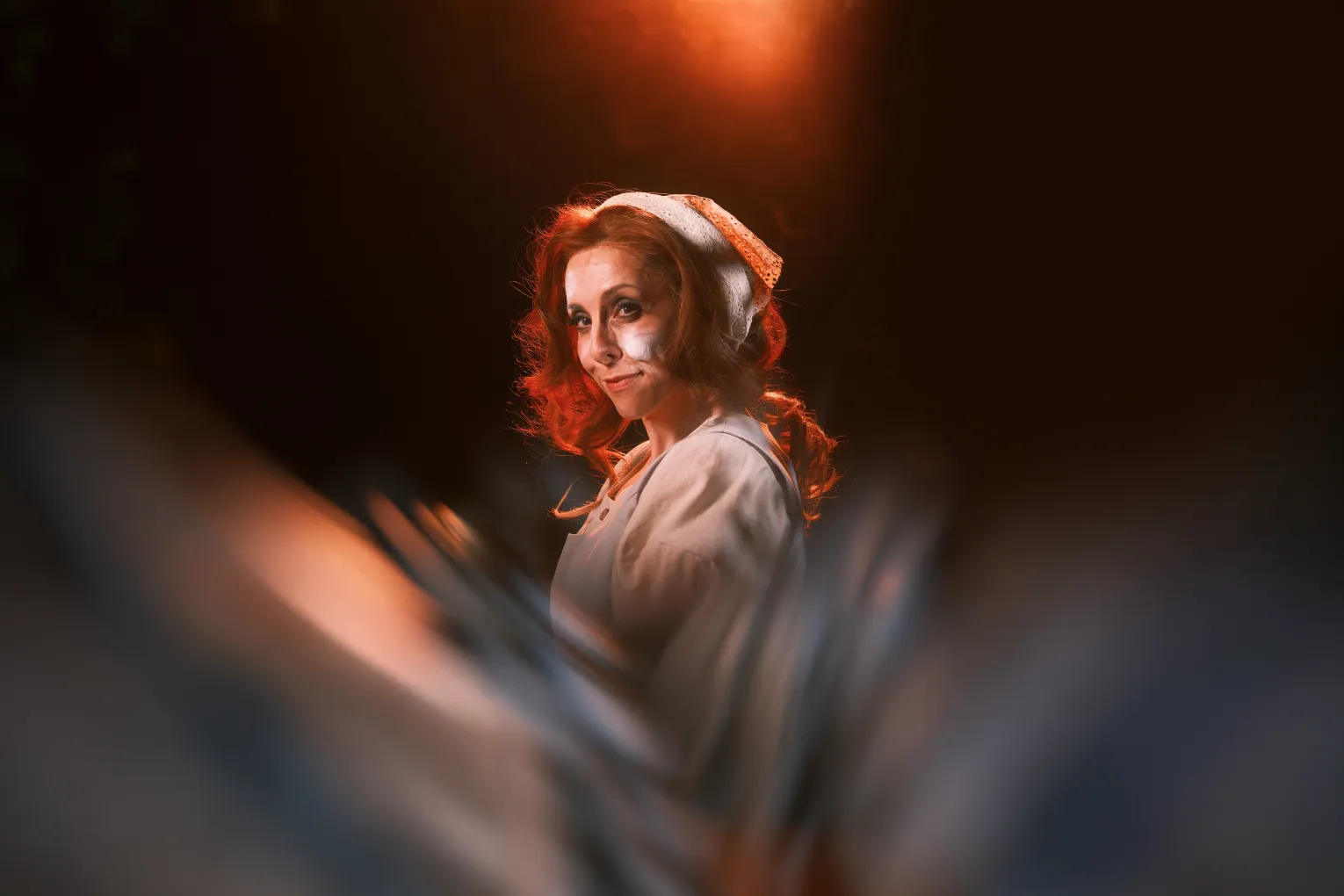
Founded in 1976, South Australia’s State Opera celebrates its Golden Jubilee this year, but the climate for opera in this state – and beyond – is perhaps not quite as lustrous. Certainly, the company’s Artistic Director Dane Lam is acutely aware of the reality of producing art at a large scale in 2026 rather than 50 years ago.
“I think art forms have always decried the situation they’re currently in,” Lam tells InRevew. “But, I mean, the numbers don’t lie. Financial support for the arts is pretty much down everywhere you go in the world. In every continent – Asia, North America, Europe, here [in Australia] – audiences have not really recovered to pre-Covid levels. I think we all got used to staying at home and watching Netflix, and it was easy, and it was cheap and we didn’t have to sit shoulder to shoulder with other people.”
This is, of course, not a particularly pleasant thought for long-time patrons of State Opera productions, or for fans of large-scale artistic ventures – opera, musical theatre, symphonic music, ballet – at large. However, Lam makes it clear that the situation is a little more complex than a simple post-pandemic downturn.
“I will say that we have more new audiences than ever before,” he counters. “More people are interested in trying things out. People are looking for experiences, I think, [and] the experience of going to an opera is totally unique.”
“There’s something really deliciously inefficient to what we do,” he grins. “Opera, symphonic music – it would never, it has never survived through ticket sales. Never once in history. But that’s just the game, and either you buy in or not. The reason that governments or individuals or kings and queens have subsidised this for so long is because they see a net benefit to society – like schools, like hospitals, like roads. Either you believe that or not, but that’s why we subsidise.”
You might like
"Opera, symphonic music – it would never, it has never survived through ticket sales. Never once in history … the reason that governments or individuals or kings and queens have subsidised this for so long is because they see a net benefit to society."
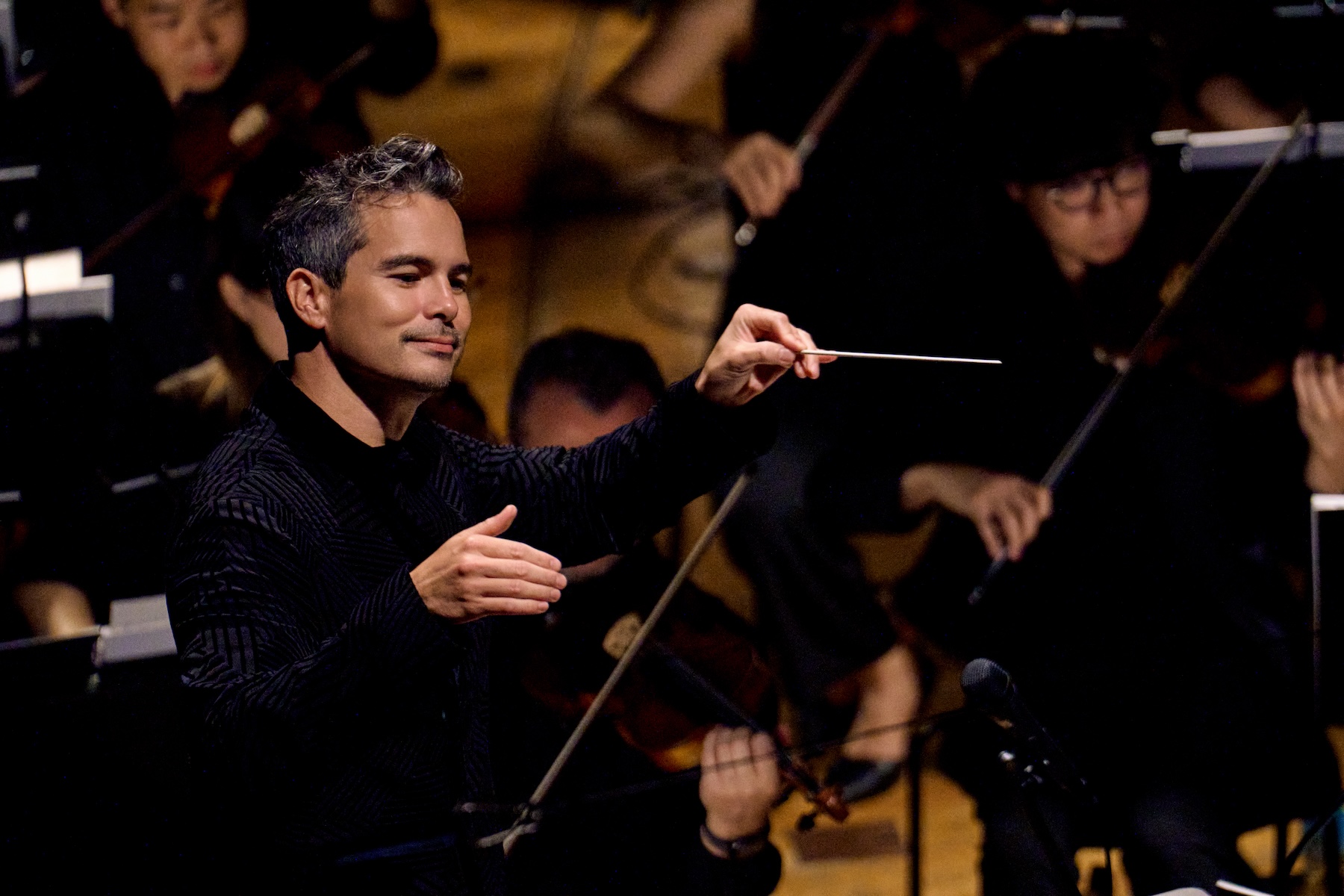
Lam clearly believes in the innate value of these “inefficient” larger-scale productions, and makes a very good case for himself. “When I choose a show, I see ourselves as custodians and guardians of this art form that has persisted for hundreds of years,” he says, and in the context of the post-Covid slump in attendance, he feels tasked with “selling the whole experience of what it is to come to a theatre and sit beside other human beings while other human beings make music and make art that really washes over us in this visceral way.”
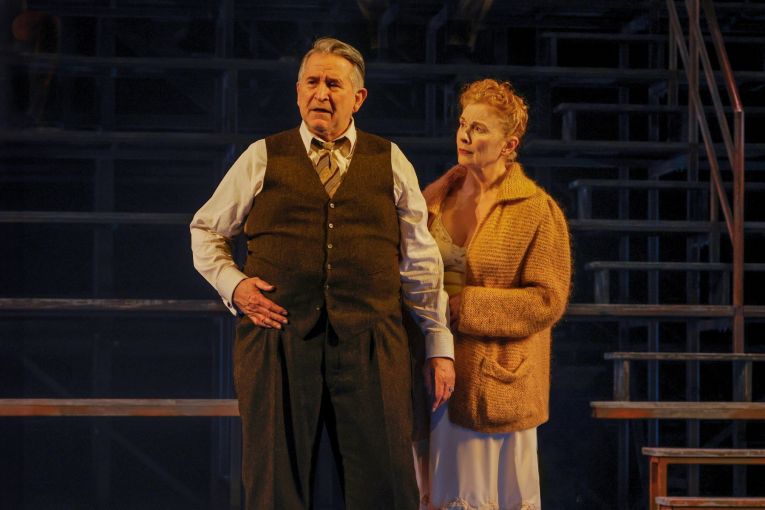
This constant balancing act, with artistic integrity on the one hand, and financial viability through maintaining and growing an audience on the other, is at the heart of his work this year, in particular with State Opera’s next two major productions, Engelbert Humperdinck’s opera Hansel & Gretel and Stephen Sondheim’s musical Into the Woods, opening at Her Majesty’s Theatre on August 21 and 22 respectively.
Subscribe for updates
The pairing of the two might seem to be merely a superficial nod to the fairytales that both use as source material, but beyond the purely thematic link, Lam opines that “Sondheim’s music is about as close as you can get to opera in the musical genre, so it seemed like a natural progression to take”, he says. Indeed, Lam is much more concerned with “illuminating a different side of a lot of [the] artists who regularly work with the company,” as he puts it, stressing that “undoubtedly [audiences] will see a show that is different to a regular musical.
“For a start, we’ve got the ASO in the pit, and they normally do not play for musicals. We’ve got a lot of operatically trained voices on stage, and I think they’ll see the difference in that too,” he says. “I’ve struggled with this myself over the years, just coming from being so deeply immersed in the operatic genre; why should opera companies do musicals? And I’m not entirely sure that they always should. Certainly, I don’t think that an opera company has anything to bring to a musical like, I don’t know, Phantom of the Opera, or Hadestown, or anything like that.”
However, with this particular musical, Lam does hope that having it performed alongside Hansel & Gretel will help broaden the company’s horizons. “In my ideal world, I would love for someone to go into Into the Woods one night and Hansel & Gretel the next night, to see how one director’s vision reflects on these two very different, but complementary, works,” he says. (Both are directed by Constantine Costi.)
He goes on to clarify that that “it was always important to me as a state company funded to do opera, that if we ever did a musical, it would not be at the expense of an opera. We always do at least three main-stage operas in a year, and this is actually our fifth, in our anniversary year. So it’s not replacing anything.”
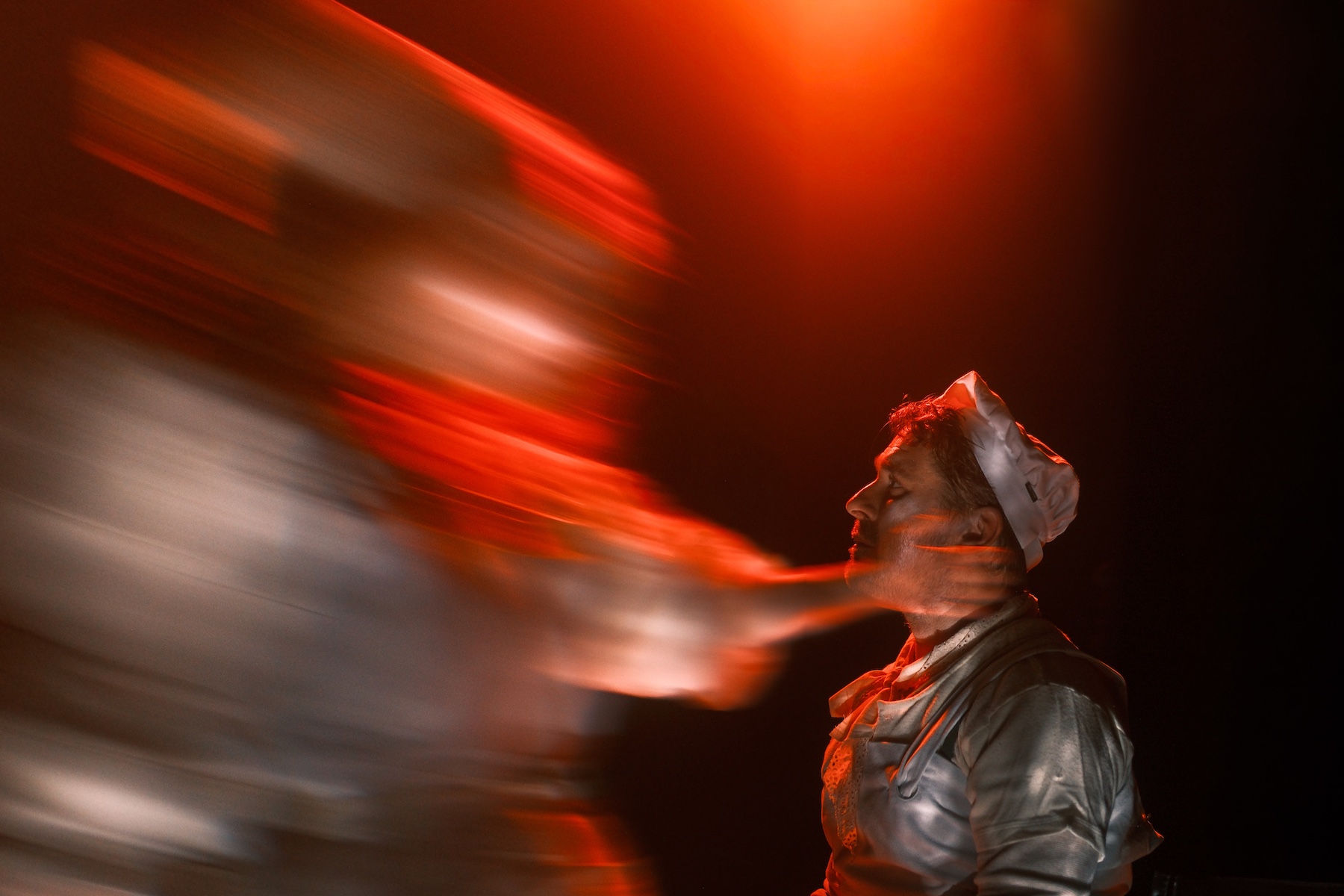
It was highly pleasing to hear Lam expound upon this great care taken into maintaining musical integrity, especially in light of the changing face of larger theatrical productions in Australia in recent months – for example, Disney’s The Lion King returned to Sydney’s Capitol Theatre this year with notably fewer musicians than the previous Australian production, the missing brass and string parts replaced by the software called KeyComp. On this, Lam is quite unambiguous: “if it were a high school musical, and they had no chance of being able to perform it unless they use KeyComp… maybe there’s an argument for it, but I think for commercial and government-funded organisations, it’s an abomination.” Indeed.
“Cutting musicians – it speaks a little bit to the fact that certain presenters and promoters underestimate the intelligence of the audience. They think, ‘Well, they’re not going to notice’ – but it does make a huge difference.”
Lam is most certainly a true believer in keeping music alive – and live. Asked about West Australian Ballet’s controversial decision to tour Krzysztof Pastor’s adaptation of Bram Stoker’s Dracula to South Australia with pre-recorded music, he says, “there’s no room for the spontaneous element with pre-recorded music. I mean, I don’t think you could ever do it with opera, it just wouldn’t work, but in my view, it doesn’t work for ballet either. There’s no room for just taking a little bit of time over a phrase, or over a particularly beautiful note. It’s sterile. And I think everything we do in these acoustic art forms is anti-algorithm; anti-sterility.”
Despite, or perhaps through, its strength, this kind of language speaks to Lam’s commitment to fostering a culture of trust between artists and audiences.
“I suppose it’s about breaking down barriers to entry and breaking down preconceptions,” he concludes. “I think it’s incumbent upon us to do the very, very, very best quality work, and that all we need to do is get people in, and I think the vast majority of people would be engaged by that.”
State Opera South Australia presents Hansel & Gretel from August 21 – 29, and Into the Woods from August 22 – 29 August at Her Majesty’s Theatre
Want to see more stories from InDaily SA in your Google search results?
- Click here to set InDaily SA as a preferred source.
- Tick the box next to "InDaily SA". That's it.
Free to share
This article may be shared online or in print under a Creative Commons licence