A tale of friendship, survival, and rebellion from Adelaide’s ‘Little Beirut’
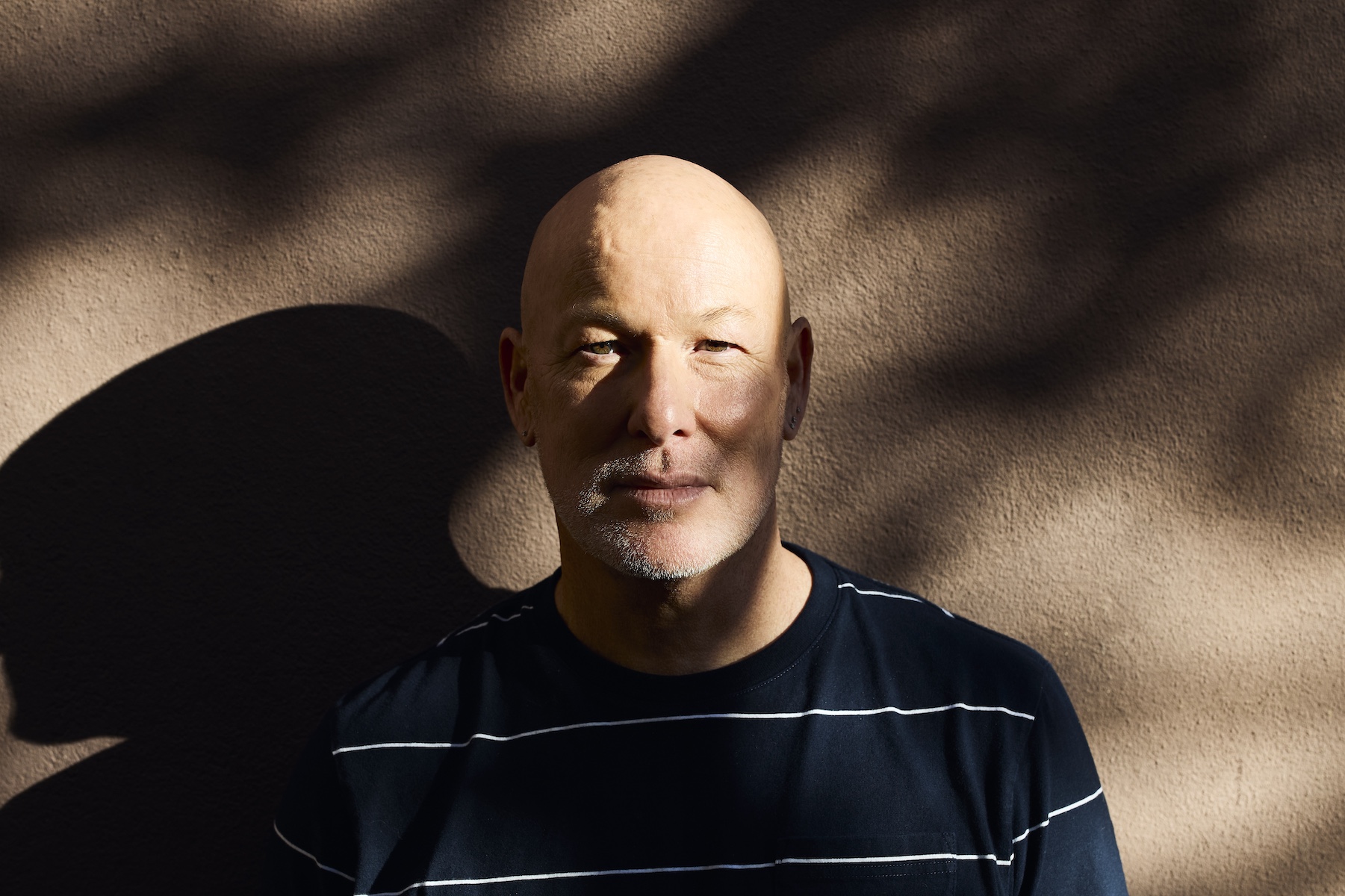
A new State Theatre production sees Kaurna and Narungga theatremaker Jacob Boehme unearth the history of Adelaide’s southwest corner, where his family once lived over the fence from the city’s small Muslim community.
Aboriginal and Torres Strait Islander readers are advised this article contains the names and images of people who have passed away.
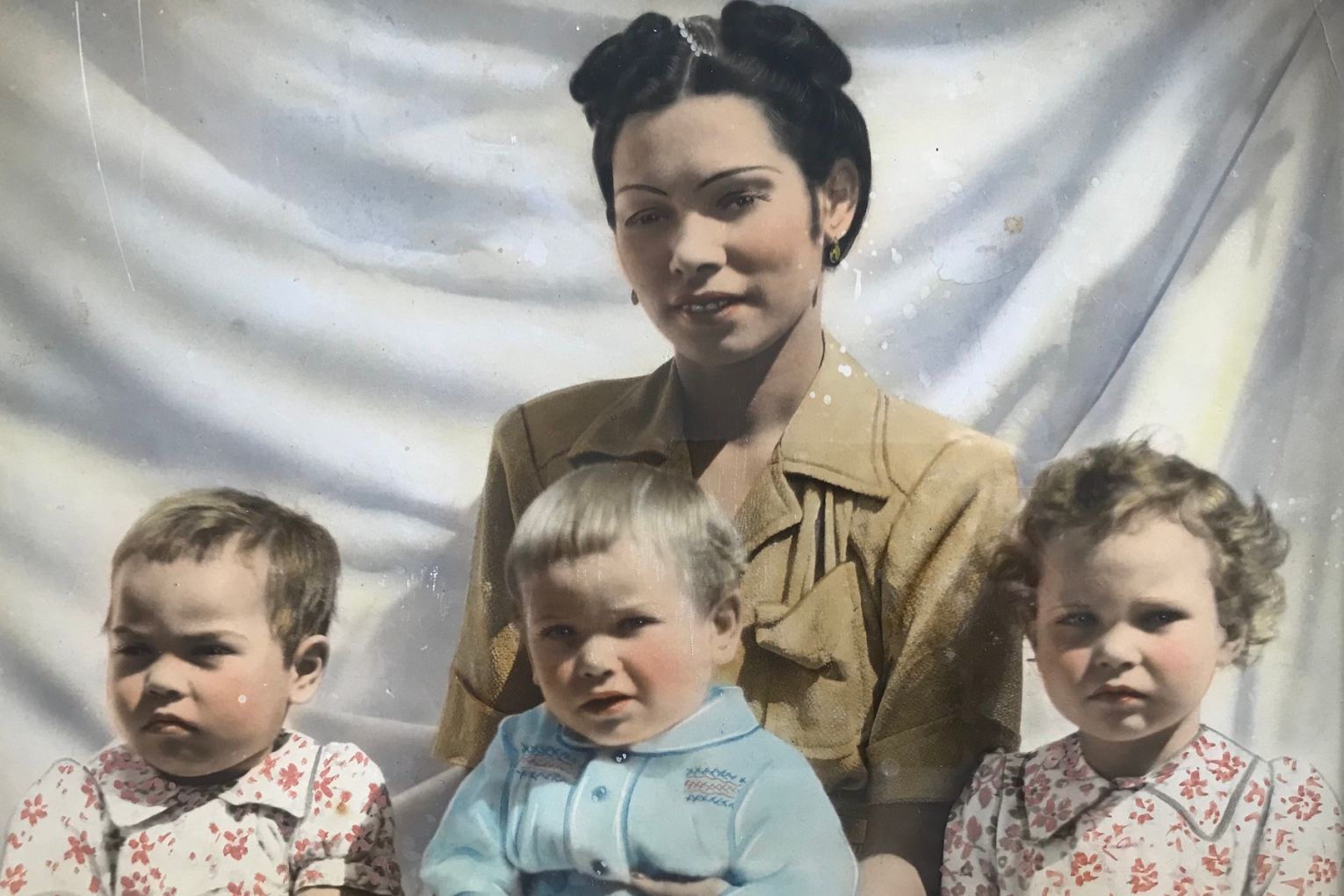
If you asked Jacob Boehme’s late father Karl to name the best time of his life, he would probably cite his childhood growing up in 1940s Adelaide, and one address in particular: 31 Logan Street.
As a kid, Boehme would hear Karl and his siblings tell rose-tinted stories about their former home – one of a cluster of shacks backing onto the 19th century mosque on Little Gilbert Street, instantly recognisable by its towering white minarets.
“In that time that whole area of the southwest end of Adelaide was known as ‘Little Beirut’,” the Kaurna and Narungga theatremaker tells InReview. “All the exempted Aboriginal mob, Afghans, Greeks, Maltese – all the brown people shoved in that little corner.”
The house on Logan Street was home to John Newchurch, uncle to Boehme’s grandmother Dulcie Sansbury, and the ebb and flow of their extended family and community.
"That whole area of the southwest end of Adelaide was known as ‘Little Beirut’. All the exempted Aboriginal mob, Afghans, Greeks, Maltese – all the brown people shoved in that little corner."
“My great-grandparents, Papa Eddie Sansbury and Nana Jessie Newchurch, they took the kids from Point Pearce,” Boeme explains. “They applied for exemption certificates, and were able to get off the mission and take their kids.”
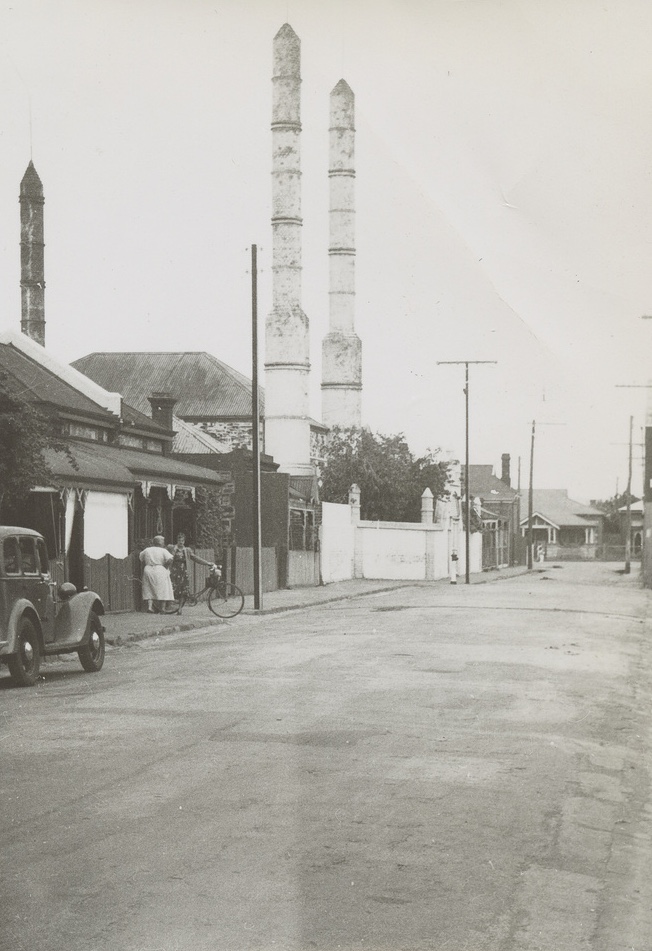
31 Logan Street became a sanctuary, and despite the slum conditions – and the backdrop of racism, poverty and xenophobia that threw this community together – the romanticised stories Boehme heard were full of fondness and respect.
You might like

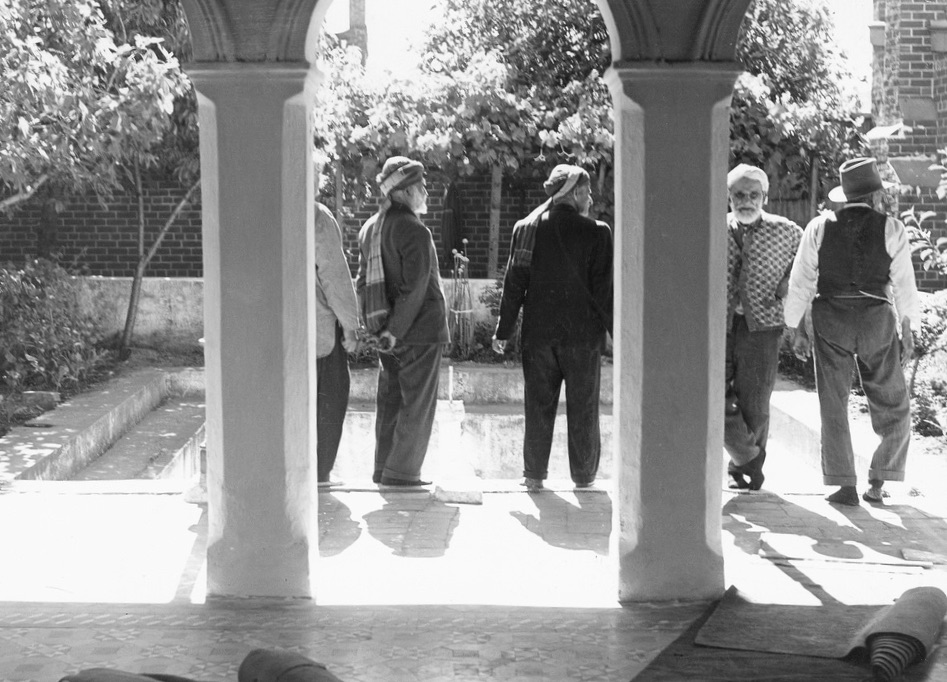
One recurring character was Gool ‘Goolie’ Mahomet, a gold-toothed former cameleer turned volunteer caretaker next door at what today is Australia’s longest-running mosque.
“He and my grandmother had struck up a friendship that had him cooking curry for my dad and his siblings – he was almost part of the family,” Boehme says.
Mahomet had arrived in Australia in 1897 to work the goldfields of Western Australia, and became part of a wave of migrant workers popularly known as ‘Afghan cameleers’.
“He came here to set up all the trade routes of the gold, beef, and wool industries, and then as white agriculturalists got more established, I suppose, there was pushback to ‘Afghans’ going above and beyond their station.”
Mahomet had enjoyed remarkable success; he had married, fathered six children, bought his own camel train, and reportedly became the only ‘Afghan’ to turn pastoralist, establishing Mulgaria Station outside Farina in the far north of South Australia. By the 1940s, however, as the automobile and railways rendered their camel trains obsolete, men like Mahomet were driven into the city to make their living as hawkers – and intersect with families like Boehme’s.
“The Afghan camel drivers helped to open up Australia, but now they don’t want us,” Mahomet told a reporter from The News in 1937.
The article, which reflected on the apparent novelty of this “corner of the East which has been transplanted to Adelaide”, also claimed that the city’s Muslim population was “dying out”, with Mahomet one of only a handful of older worshippers still visiting the mosque. “They live quietly behind the high wall and lattice-worked arched gateway, which shuts them off from the street.”
As Mahomet lamented, “There must be something wrong with our race, that they won’t let us come to Australia any more.”
Subscribe for updates
For Boehme, understanding what brought his family to Logan Street required a deep dive into state government and council archives, tapping many of the same sources that informed Narungga poet and academic Natalie Harkin’s celebrated book Apron-Sorrow / Sovereign-Tea.
“You go to the State Records and go, ‘Have you got anything under Dulcie Sansbury?’, and then all of these records come up,” he explains. “You find out that at thirteen she was ripped off her family home on Point Pearce, and taken to Golden Grove to work as a domestic, and that her grandmother and her mother – my great-grandmother Nana Jessie Newchurch – had to write to the Aboriginal protection board for two years to get her daughter back in her house.”
Boehme says the paternalistic oversight and meticulous record-keeping of the state’s ‘Aborigines Protection Board’ functioned like a “mini ASIO”.
“It’s quite confronting to think that lives back then were so monitored and documented,” he reflects.
For the residents of Logan Street, enduring the surveillance and assimilation of the 20th century was just the latest story of survival; many of number 31’s residents were descended from Boehme’s ancestor Munarto Nellie Raminyemmerin – a Kaurna matriarch who was kidnapped from the banks of the Karrawirra Parri at the age of fourteen, and taken to Kangaroo Island to become the ‘wife’ of a sealer. Boehme says Munarto bore seven children on the island, before swimming back to the mainland.
“If she hadn’t crossed those waters and swum all her children back, none of us would be here,” he says.
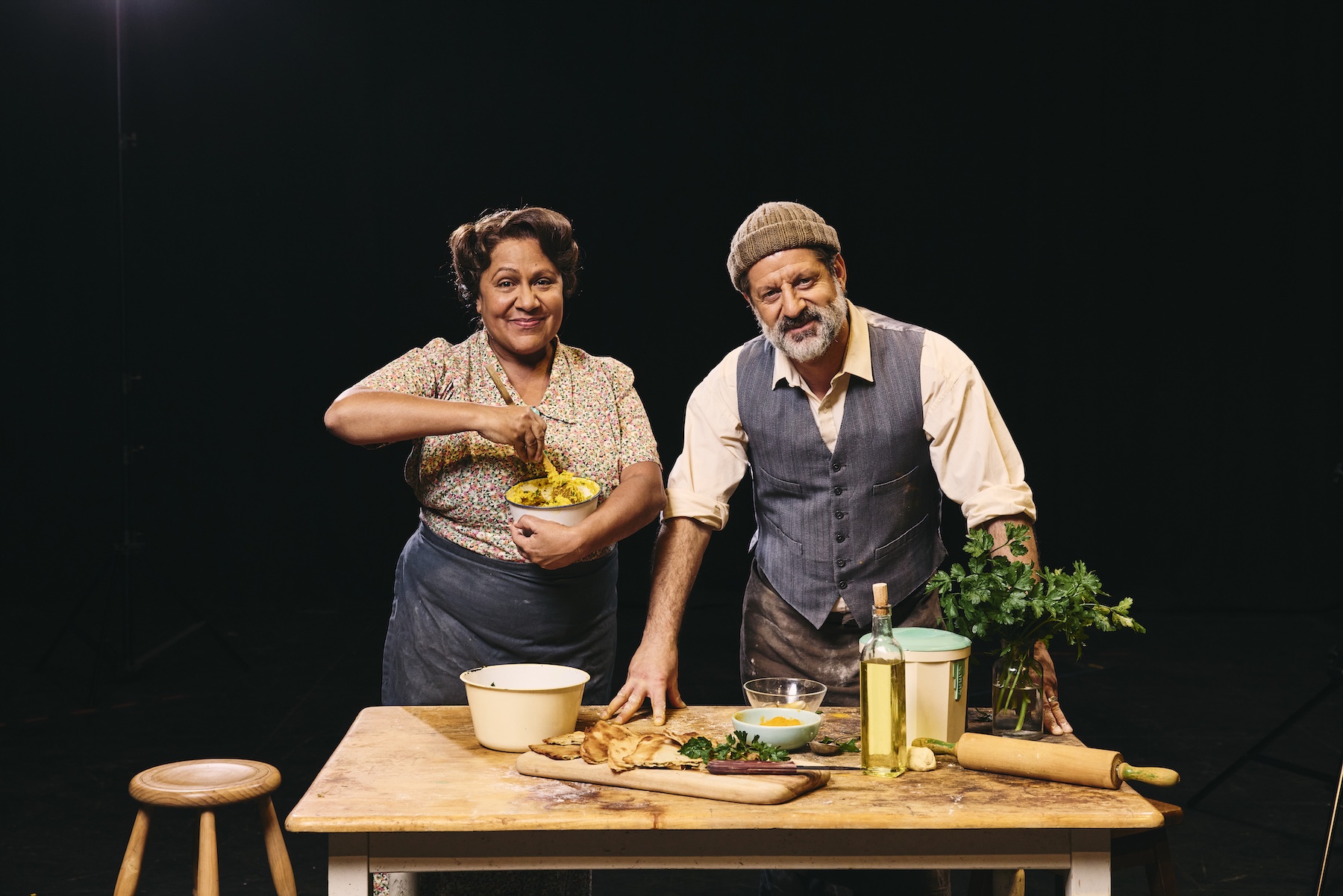
Connecting the dots between these complex and deeply personal histories informed Boehme’s latest work Logan St, a State Theatre Company South Australia production that affectionately fictionalises the friendship between the elderly Mahomet and Boehme’s teenage grandmother Dulcie, portrayed by Ali Ammouchi and Alexis West respectively.
“It was a matter of putting all of those together and then going, ‘Well, how do I write a story that honours not just a very personal experience, but an experience of the whole community?'” Boehme explains.
“Archives are great to inspire storytelling, because the archives can only give you so much, and it’s all those little in-between moments. All the things that aren’t said in the archives – that’s what’s in Logan St.”
"These are all acts of survival, acts of resilience, acts of rebellion."
Boehem says Dulcie Sansbury passed away under her favourite rosebush over 30 years ago, having raised seven children with over 20 grandchildren – just a fraction of the sprawling family tree with ties to both Logan Street and Munarto.
“We’re a big mob,” Boehme reflects. “These are all acts of survival, acts of resilience, acts of rebellion… I’m lucky to come from ancestors who chose what needed to be done to survive.”
As for their old family friend, Gool Mahomet passed away at the Adelaide Mosque in 1950 at the age of 85 – just days after booking a long-awaited pilgrimage to Mecca. His grave can be found in West Terrace Cemetery, a few hundred metres away from Logan Street where the fabled shack at number 31 once sat. Long since demolished, it’s now the site of the Adelaide Mosque’s car park, servicing a community that continues to thrive in ‘Little Beirut’ – nearly 90 years after the papers predicted its imminent disappearance.
Logan St runs from July 24 – August 8 at Space Theatre, presented by State Theatre Company South Australia.
Want to see more stories from InDaily SA in your Google search results?
- Click here to set InDaily SA as a preferred source.
- Tick the box next to "InDaily SA". That's it.
Free to share
This article may be shared online or in print under a Creative Commons licence