Cabaret Festival review: Natalie Gamsu, Em Rusciano and Gillian Cosgriff
An Adelaide Cabaret Festival triple header of Natalie Gamsu’s A Voice Like Shrapnel, Em Rusciano’s Addicted to Love, and Gillian Cosgriff’s There Is Nothing Like A Game! serves up plenty to savour, for seasoned cabaret fans and casual audiences alike.
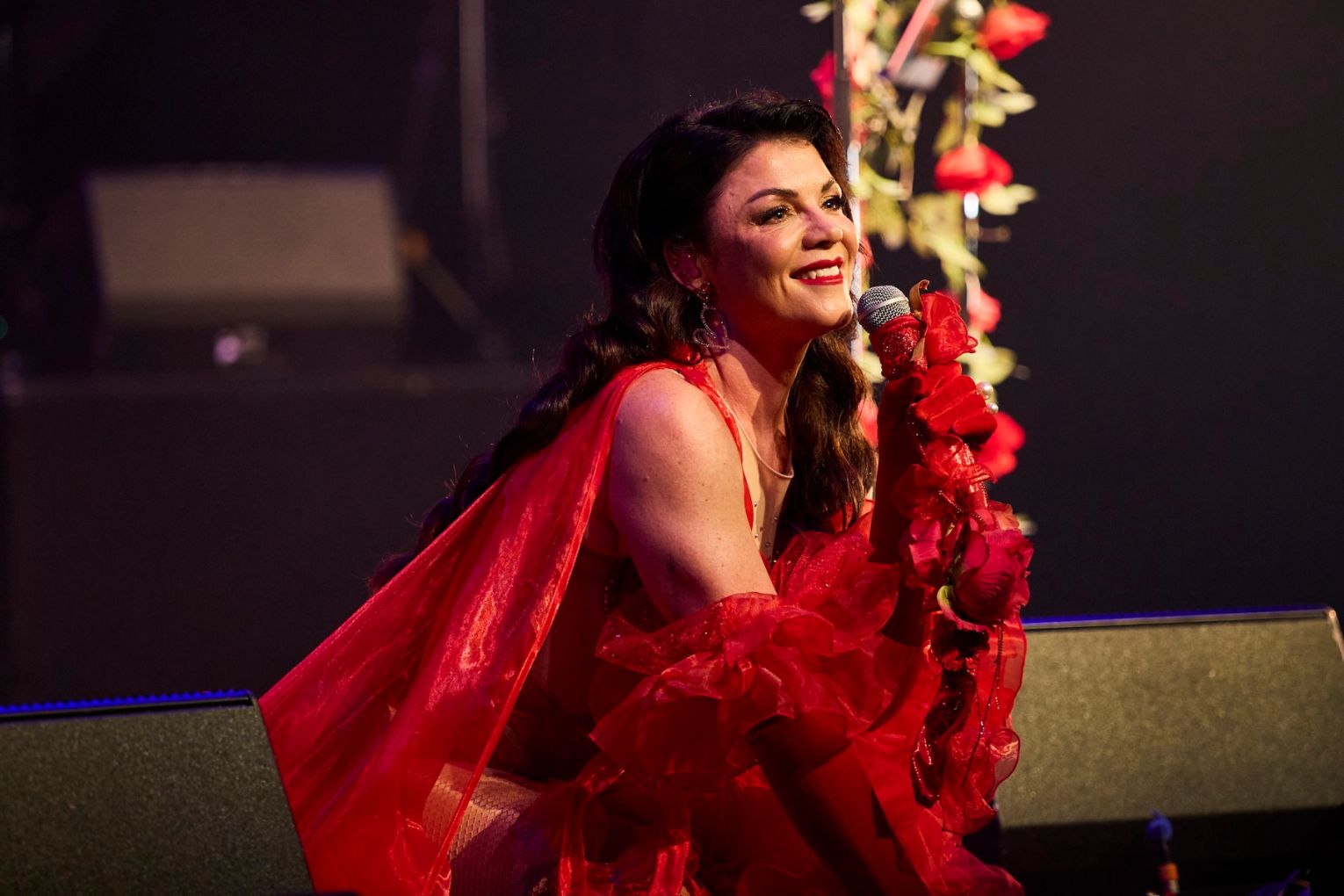
The annual Adelaide Cabaret Festival always packs a winter punch, showcasing local, national and international stars who mix the musical, the comical and the conversational. Housed in different spaces across the Festival Centre, audiences are often seated at tables, sometimes a bottle of sparkling between them.
Truly it’s best when you can really get stuck into the vibe of cabaret – like wearing sequins and satin, or not counting your money before spending it at the bar. This year’s program offers the full immersion of the ‘Premium Package’: three shows bundled together at a discounted price, curated by Artistic Director and star Reuben Kaye. With a drink voucher and premium seats thrown in, it’s mostly a marketing gimmick, but it’s still fabulous.
On this Friday evening, Natalie Gamsu’s deep and worldly haunting A Voice Like Shrapnel met Em Rusciano’s raucous and riotous Addicted to Love, and the Spicks-n-Specks-ish, late-night all-in There Is Nothing Like A Game! with comedian Gillian Cosgriff wrapped it with a bow. Carefully parcelled to ensure three completely different experiences in one marvellous night out, Kaye nailed it.
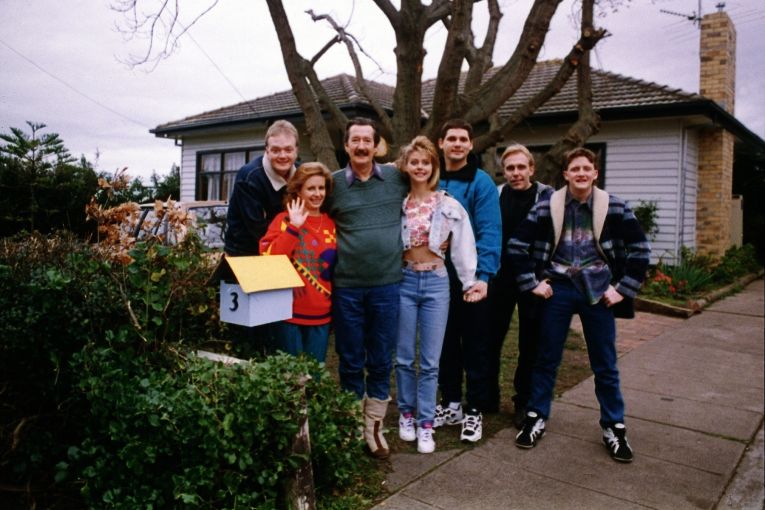
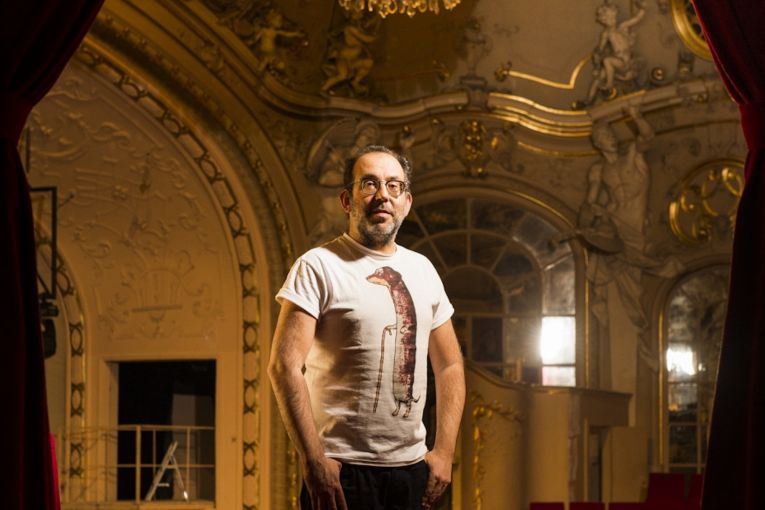
Gamsu’s poetic show is about wanting to be big, despite an upbringing that insisted she remain small. “Keep it down,” her mother tells her. “I’d sell my soul for total control over you,” she counters. Gamsu’s voice is deep and emotional, her accent lending itself to precise annunciation. Jewish, Namibian-born, and Cape Town-raised, Gamsu has settled in Australia after living in Manhattan for a number of years, and now tours the club scene, acts in major theatrical productions (Candide, Mary Poppins), scores rolls on tv and film (Neighbours, upcoming Ali’s Wedding) and collaborates with sculptors and orchestras (A Ringing Glass). Accompanied by Nigel Ubrihien on the piano, she lays her experience on the stage, performing Laurika Rauch’s ‘Hot Gates’ – a song that, in Gamsu’s care, feels pertinent to the way so many of us are cheering for humanity right now, with great sorrow and an essential hope that can’t help but rise. She strikes every chord. She’s stunning.
You might like
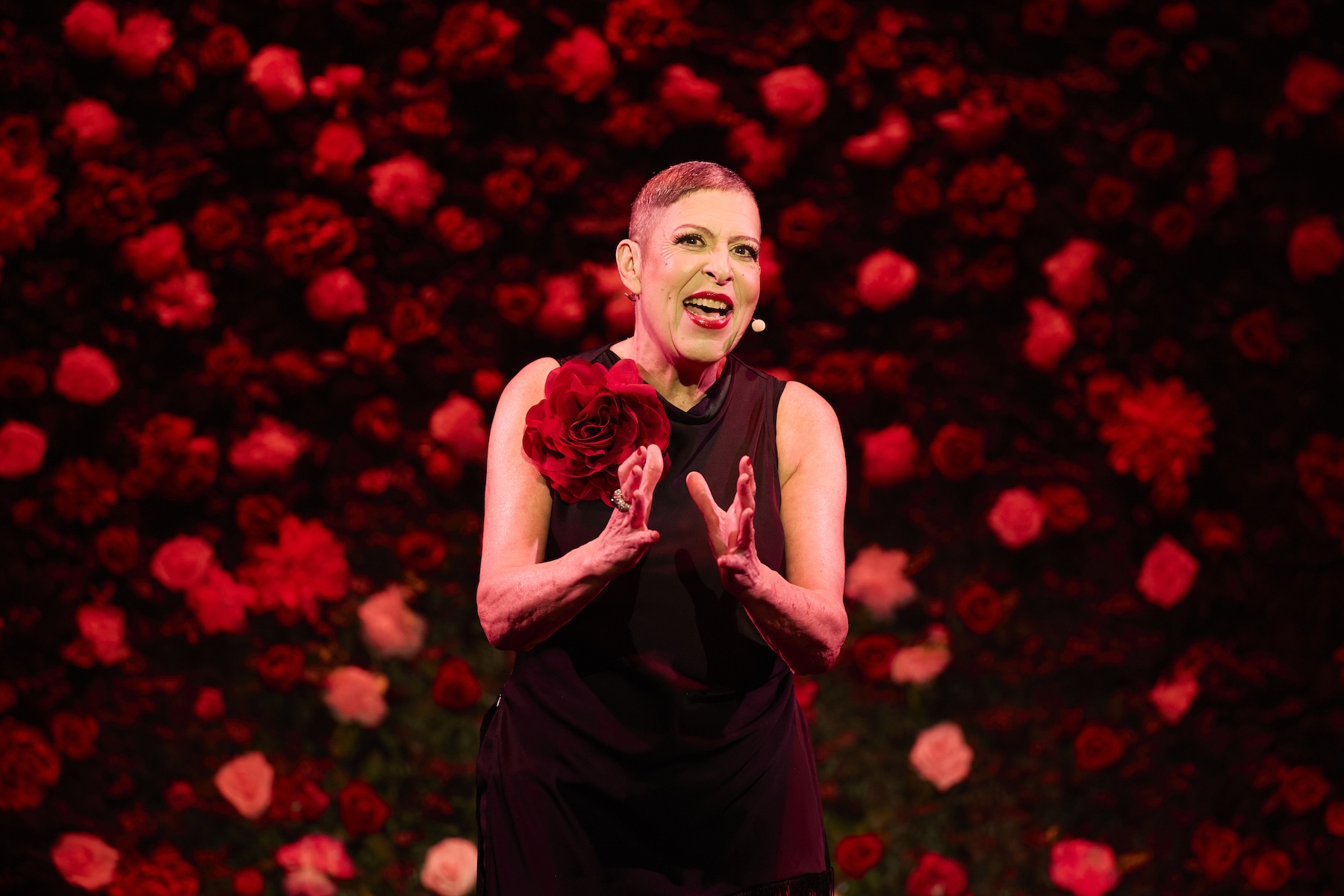
Rusciano’s show is immediately rowdy, with Pat Benitar’s ‘Love is a Battlefield’ as a rocking opener, the singer dressed Vegas-showgirl style, the live band above and behind her. With a start on Season Two of Australian Idol, she seems willing and is certainly able to throw in a few songs to remind us that we’re at the Cabaret Festival, but really Addicted to Love is bold stand-up comedy. After telling us how vulnerable she is, putting on this show while going through a marriage breakup, Rusciano explains how cool it is to be a middle-aged hormonal woman among so many others who are “aggressively prioritising ourselves”, saying she’s written the entire show to get back at her first husband (the woman next to me exclaims, “Yes, bitch!”).
If the concept behind her podcast Rage Against the Vagine is anything to go by, Rusciano doesn’t just make perimenopausal and menopausal women visible, but shows that they’ve arrived. She’s also tackled the topic in a memoir called Blood, Sweat and Glitter, which also discusses living with late-diagnosed ADHD and Autism and seemed to be in every bookshop display when it came out. It would seem she’s a fierce advocate, but her stories in Addicted to Love are grounded in personal humiliation and hindsight regret. In this way, she’s recognisable as a not-famous human being, no matter how uproarious and raunchy she gets (what a stroke of brilliance it is that her father, whom she specifically calls out to, is one of the musos in the band). Full of hilarity in the beginning, then slowing to accommodate some anecdotal lessons learned, the show doesn’t maintain itself rhythmically and feels too long. In fact in the opening performance, it ran almost half an hour over its one-and-a-half-hour scheduled time. Not that Rusciano bored anyone at any time – by all means, no! Despite its lopsidedness and the performer being underprepared in song-lyric recall, the show is outstanding in its outrageous humour and surprising tenderness.
With a handful of Green Room Awards under her shimmering belt, and a very impressive Golden Gibbo for Best Independent Show at the Melbourne International Comedy Festival, Cosgriff proved an excellent choice to close off the night, emceeing There Is Nothing Like A Game! TV song-themed Bingo and a name-that-country musical race around the Banquet Lounge ensured interactivity, while guest cabaret performers step on and off the stage, giving audiences a small taste of their enormous talent. An American comedian named in Vulture’s ‘Comedians You Should and Will Know’ list, Dylan Adler had the crowd in stitches, as did Reuben Kaye in the lead-up to his performance of ‘King Herod’s Song’ from Jesus Christ Superstar (he played the role in 2025, a critical star-stealing performance), while Adelaide’s own Libby O’Donovan and Michaela Burger’s duet meshed Judy Garland’s ‘Get Happy’ and Edith Piaf’s ‘Non, je ne regrette rien’ and was an absolute show stopper. Kicking off just after ten, what a ripper of a way to end a night, especially if you’re one of those cabaret lovers who don’t really want the night to end.
Adelaide Cabaret Festival continues until June 21
Want to see more stories from InDaily SA in your Google search results?
- Click here to set InDaily SA as a preferred source.
- Tick the box next to "InDaily SA". That's it.
Free to share
This article may be shared online or in print under a Creative Commons licence