Adelaide Festival review: Ensemble Pygmalion – Vespers and Orfeo
One could only marvel at the precision, intensity and beauty of Pygmalion’s performances of Monteverdi’s Vespers and Rossi’s Orfeo. This French team sets a phenomenally high standard.
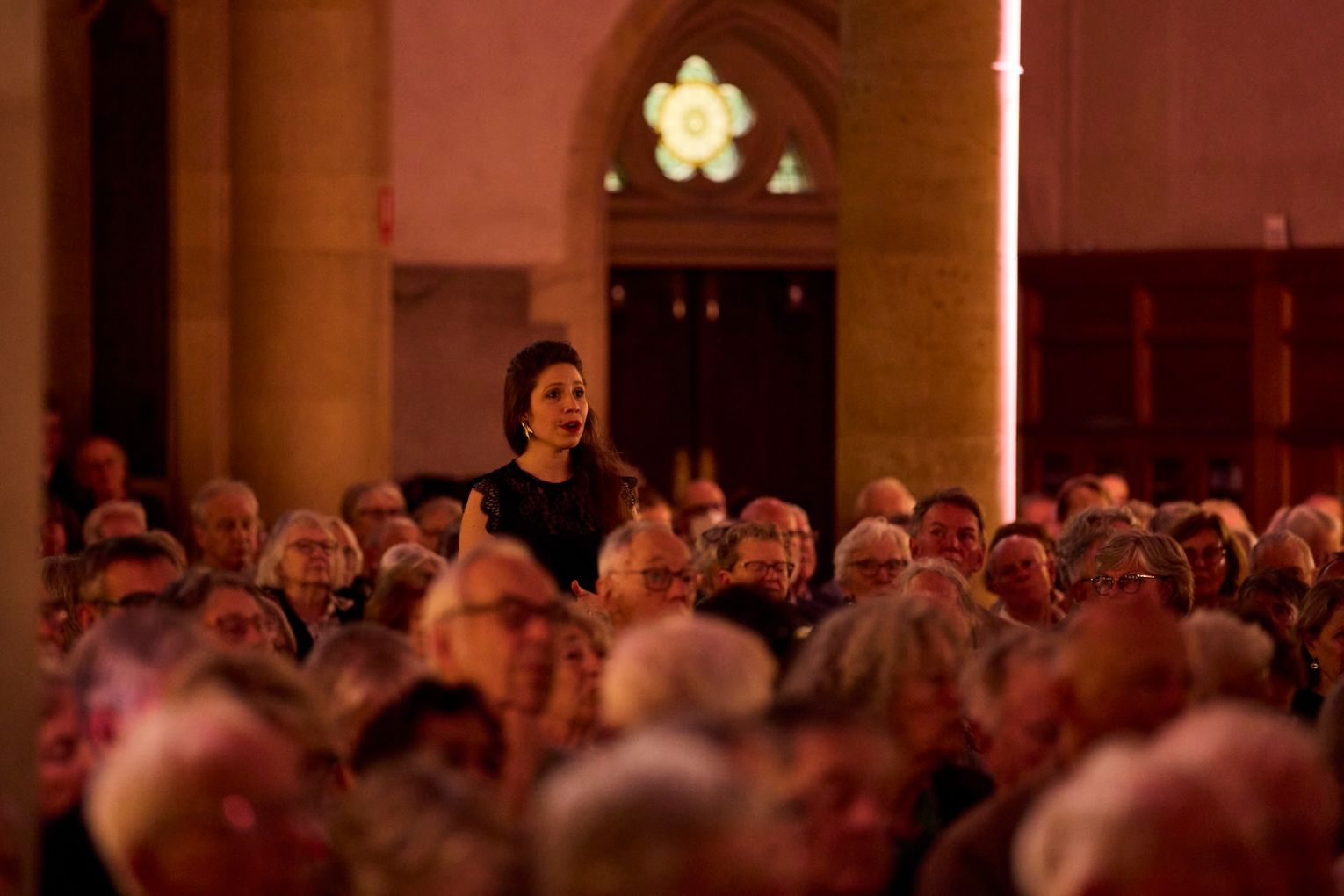
Vespers are that special hour when beauty reigns and things spiritual start to connect. So it was with the most celebrated music for that prayer service, Monteverdi’s Vespers, in a spellbinding recreation by France’s Pygmalion Ensemble.
This truly is ancient music, and to look at what survives of this work – a dismayingly bare-looking print from 1610 plus two alto part-books house in the Vatican and Rome’s Biblioteca Doria Pamphilij – makes trying to reconstruct it a formidable undertaking. Many early music luminaries have shown what it may have sounded like, and have done so outstandingly: Gardiner, Savall, Christie and Herreweghe are the main ones that come to mind.
But in Adelaide we witnessed something that even surpassed their efforts. For the first time, Vespers was a living work. One felt that Pygmalion moved beyond the theoretical to the real.
Why Raphaël Pichon and his team of musicians is so remarkable is because they represent a new wave of synthesis and interpretation in early music performance. It would have been interesting to hear this young conductor speak during the Festival about his views and approaches on performing Bach, Monteverdi, and Luigi Rossi. But we may deduce a few things.
One is that he observes matters of authenticity very keenly. Vespers is an opulent work and requires dazzling forces. That is what we got. Pygmalion brought out their full team to Australia, and that wonderful array of historically accurate instruments adorning St Peter’s Cathedral, including three violas da gamba, recorders, cornetts, sackbuts, harp, and theorboes, was something to behold.
So was their singing. Monteverdi combines an amazing amalgam of styles in Vespers. Florid coloratura solo sits alongside motets and Gregorian chant. It requires skill and knowledge to do it correctly. That is also what we got. The trilling vibrato and rapid ornaments from Pygmalion’s vocalists answered exactly what treatises of the time describe. So too did the cornetts in their virtuosic flourishing.
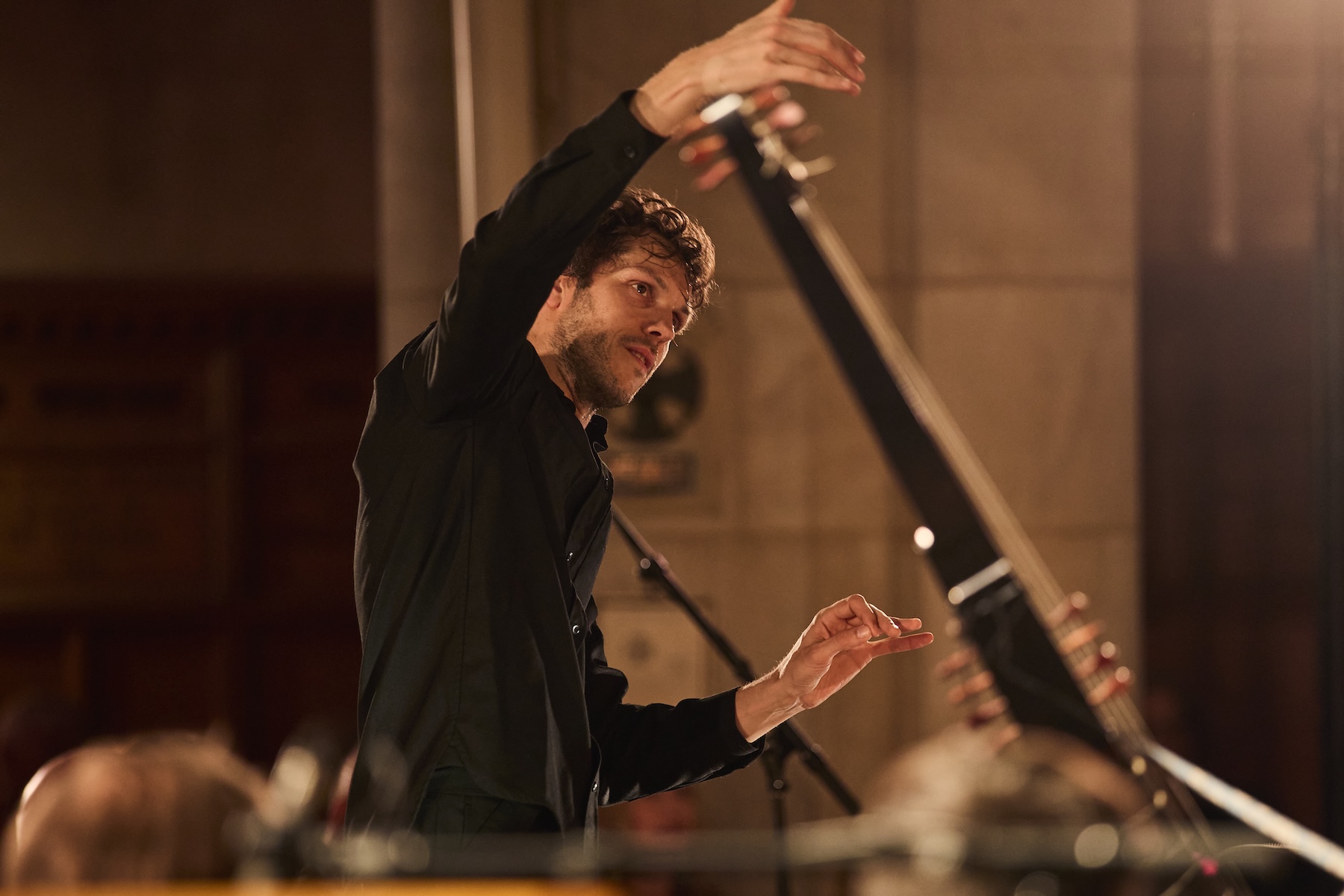
Yet a large amount of imaginative interpolation has to happen before this work can get off the ground. This is where Pichon truly made his mark. He applied great intensity and spiritual power in this performance, continually changing the texture and character of each section to underline the meaning of the words. Sometimes it was subtle, other times dramatic, all adding up to a unified conception.
You might like

And what a team of singers Pygmalion brought out. British tenor Laurence Kilsby was outstanding in solo songs such as ‘Nigra Sum’. He is able to execute with expertise the rapid vibrato-tremolo vocal technique that Monteverdi calls for. Similarly outstanding was French-British countertenor William Shelton: in ‘Lauda Jerusalem’ he showed that he can sing in the castrato range with amazing ability, his tone simultaneously trumpet-like and creamily smooth. Singing in male soprano range is a unique skill that is cultivated only by a few select singers today and has to be heard to be believed.
All the sopranos, tenors and basses were exceptional in splendid choruses such as ‘Sancta Maria’ and Monteverdi’s numerous echo pieces in which singers repeat each other in mirrored phrases. Together, Pygmalion beats the pants off many a leading opera company, and here they were singing music from 400 years ago.
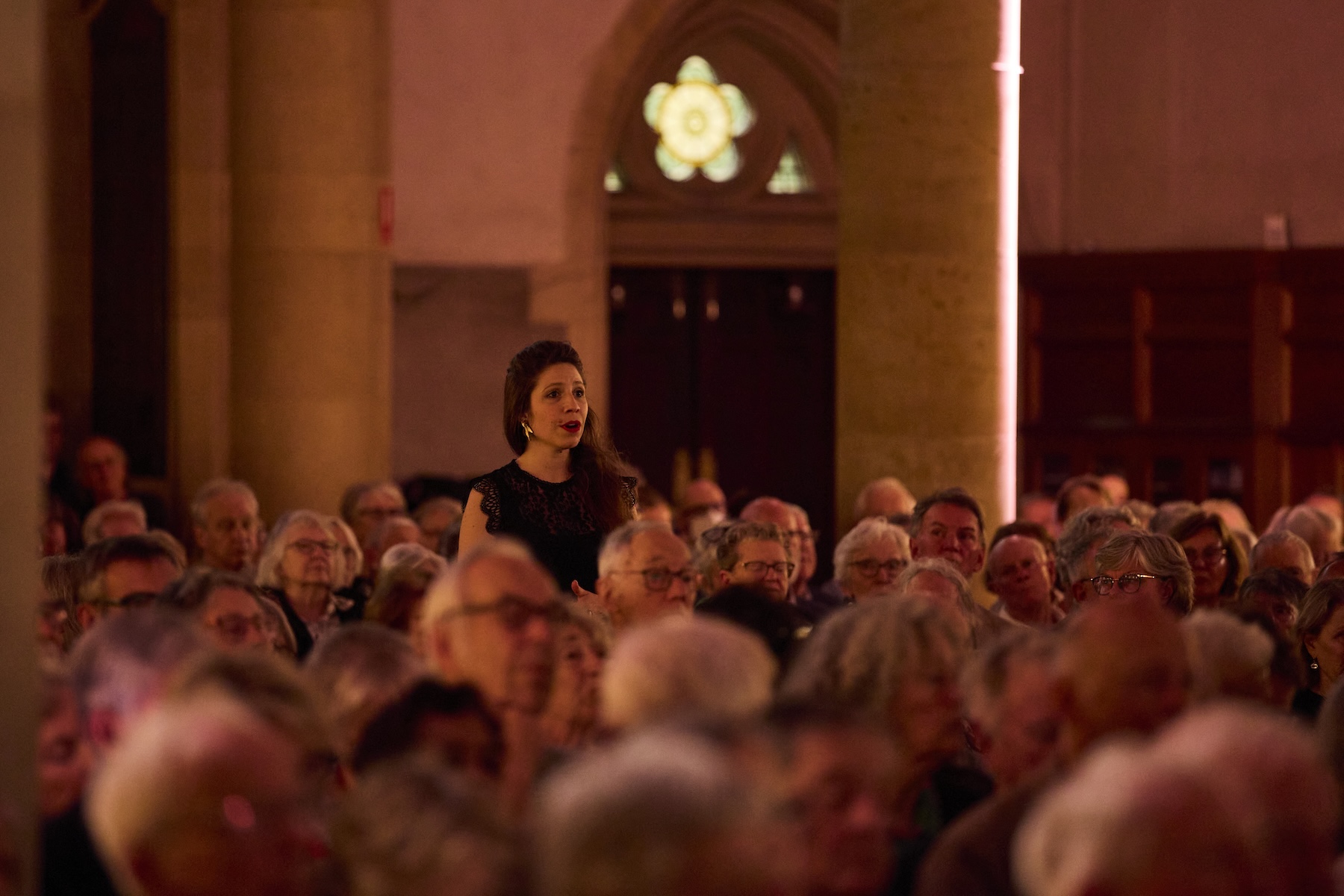
Making full use of St Peter’s Cathedral space, the singers frequently shifted to different positions during the performance to give Vespers the dimensionality it depends on. They did this silently and without it feeling distracting. This too made the work come alive.
Pichon, besides possessing deep obvious knowledge, has impeccable judgment. As in their earlier Bach concert, no single voice or instrument stands out; weighting of notes is carefully controlled to create a single blended texture.
What a singular treat this was. It is no exaggeration to say that Pygmalion’s Vespers goes down in history as one of the great Adelaide Festival moments. From first-hand observation, it was as epochal as Peter Brook’s Mahabharata at Anstey’s Hill Quarry in 1988.
Luigi Rossi’s Orfeo was brilliantly performed as well. This opera holds the distinction of being the first opera written for the French court: it was the lure of hearing the newly invented form of opera with its spectacular castrati singers that got the French interested.
Subscribe for updates
Although this was a concert performance, its scale was even more lavish. Over 50 singers and instrumentalists adorned the Town Hall stage – and the rear balcony. Written 30 years after Monteverdi’s own opera L’Orfeo, Rossi’s version of the ancient Greek tale, while not as harmonically varied, is sweetly melodious in its choruses and sharply contrasted in its drama.
The prime castrato role of Orpheus was taken by the remarkably versatile Australian-born soprano Xenia Puskarz Thomas. She has the clear, strong tone to emulate this voice type extremely convincingly. Wearing a smart white executive suit, she made a commanding presence too.
Singing was outstanding right across the cast, including in the specialist roles of Pluto and the comic characters of Momo and Vecchia. Respectively performed by American bass Alex Rosen, British tenor Samuel Boden, and France’s revered countertenor Dominique Visse, each was wonderful.
Instrumentation is more conjectural in Orfeo, as little is known about how it was performed in Paris in 1647. The string section probably comprised members of the violin family since the royal court’s Les Vingt-quatre Violons du Roi was in operation by this time, so the four viols Pichon included may not have been historically correct. But what an orchestra it was, lusciously varied and this time supported by no less than three harpsichords.
Directing from one of them, Pichon was again brilliant, crafting a beautifully balanced, flowing tapestry of sound.
Even though this was not a staged production, facial acting and gesture propelled it theatrically. The most powerful moment was when all the characters look downwards to the ground in horror as an (imaginary) serpent appears and bits Eurydice. Gravelly anger from cello, viols and double bass really lent this a fierce wallop.
These fabulous mythological stories still have a life in this modern age when done with the expertise that this French team delivers.
The other wonder was how Pygmalion could manage to put on three such elaborately different performances in the space of a week. The Bach, the Monteverdi and now this Rossi: all were of staggeringly high standard and wonderful.
This extraordinary group has made a very special impression in this Adelaide Festival, and we shall long treasure their memory.
Ensemble Pygmalion performed Monteverdi’s Vespers at St Peter’s Cathedral on March 2—3 and Orfeo by Luigi Rossi at Adelaide Town Hall from March 4–6 as part of Adelaide Festival
Read our review of Ensemble Pygmalion’s earlier performance of Bach: Good Night World here

Want to see more stories from InDaily SA in your Google search results?
- Click here to set InDaily SA as a preferred source.
- Tick the box next to "InDaily SA". That's it.
Free to share
This article may be shared online or in print under a Creative Commons licence