Writing love songs is ‘the easiest thing’ for Jalen Ngonda
Jalen Ngonda’s first album might deliver the classic soul sounds you’d expect from the Daptone Records stable, but ahead of his first WOMADelaide experience the singer songwriter says he just sounds like himself.
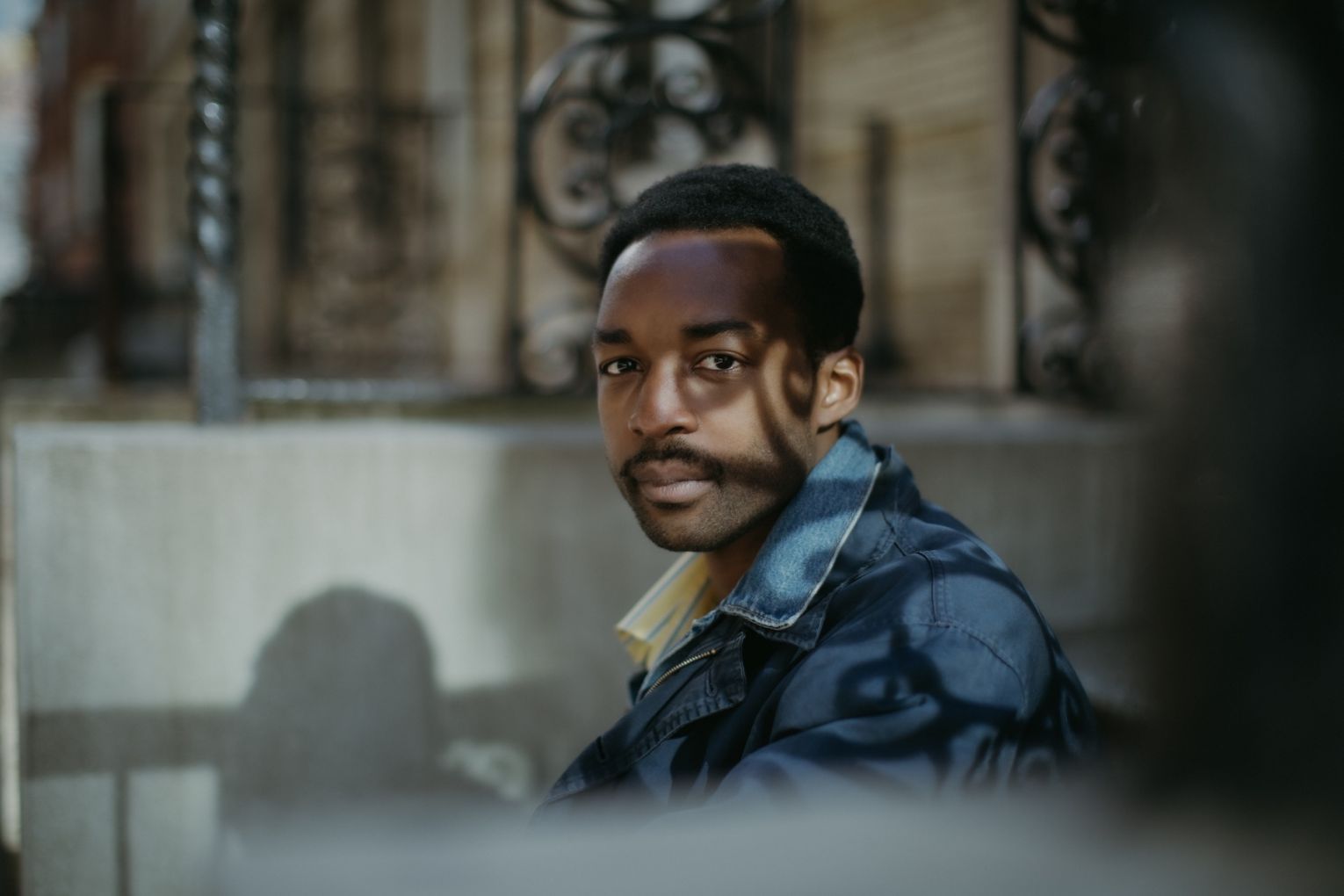
Jalen Ngonda never planned to be a solo recording artist. When he left the US to study at the Liverpool Institute for Performing Arts as a 20-year-old, his aim was “to become a renowned pianist or a conductor leading big bands and stuff like that.” At most, he thought he might become a songwriter for other artists.
“But every time I would get up and sing at an open mic,” he tells InReview, “I would get asked to do a gig, you know. So I kind of just went with it.”
Listening to his debut album Come Around and Love Me, it’s easy to see why he was in such high demand as a vocalist. From the opening title track, his honeyed tenor glides over the breezy classic soul backing with a carefree ease that would make Marvin Gaye blush.
Released by famed Brooklyn soul revivalist label Daptone, the album was recorded with several veterans of the late Charles Bradley’s band. Captured on reel-to-reel tape with a live band using analogue equipment, it showcases a noticeably more lush version of the house sound that incorporates sweeping orchestral flourishes, generous sprinkles of vibraphone and sultry late-night sax.
Though Come Around and Love Me barely cracks half an hour, that’s plenty of time for Ngonda to show off his versatility. ‘That’s All I Wanted From You’ showcases a grittier vocal that drips with emotion over an insistent backing track that Motown’s Funk Brothers would be proud of, while ‘It Takes A Fool’ creeps along menacingly with a slinky baseline accompanied by shimmers of distorted guitar and stabs of flute.
You might like
Throughout the album, there are hints of Motown greats including Smokey Robinson, Marvin Gaye and even vocal groups like The Temptations, but this is no soul pastiche. Ngonda has been a huge Motown fan since he was 11 years old, but he is not trying to replicate their sound. “An inspiration doesn’t have to be an emulation,” he says pointedly. “At the end of the day, I think I sound like myself.”
Ngonda’s second album is due out later this year, though he is tight-lipped about the details, revealing only that “it will be a similar sound [to Come Around And Love Me], just different songs.” So what keeps him coming back to classic soul? At the end of the day, it’s the way the music makes him feel.
“It just makes me happy hearing that stuff, and it has for the past 20 years,” he says. “And that’s the number one goal [with my music], is to make people happy.”
That, and the sheer quality of the songwriting: “A nice ‘60s backing track is a pleasant thing to listen to. But Motown recorded thousands of songs during its heyday, and I would say only 50 of them are still played on the radio. A good song is a good song, regardless of when it was recorded; if those 50 songs were recorded at any other time, they still would have been loved.”
Look at the quintessential soul label’s classic period in the mid-60s, and it’s easy to spot the theme running through titles like ‘My Guy’, ‘My Girl’, ‘Baby Love’, ‘You Can’t Hurry Love’ and ‘Stop! In The Name Of Love’. And while Ngonda’s music is more orchestrated than those early Motown hits, songs like ‘If You Don’t Want My Love’, ‘So Glad I Found You’ and ‘Just Like You Used To’ mine a similar vein lyrically, ranging from the rapturous strains of love’s first bloom to regret-tinged portrayals of lost and unrequited love.
Subscribe for updates
After beginning with a flurry of pop-tinged escapist hits, Motown (and just about every other soul label) soon began to explore more overtly political themes that challenged the status quo in a deeply divided nation. By the late sixties, artists were directly referencing a social landscape that included a deeply unpopular war and political assassinations. At the same time, millions of Americans protested against openly racist government policies.
“It’s no different from our time now, really, there’s so much social and political unrest… it’s horrible what’s going on in the US,” Ngonda reflects.
"It’s no different from our time now, really, there’s so much social and political unrest… it’s horrible what’s going on in the US."
Though he has made his home in the UK, he says “all my family’s in the US, and of course it’s troubling to think about.”
But for now, that hasn’t made its way into the music.
“I don’t think people write social songs because they need to take a cue from what’s going on. They write about something because it has a personal effect on them, and it just gets perceived as something social,” he says.
“I don’t make a conscious decision not to make songs about social stuff. I just write stories – it doesn’t necessarily have to be a love song, that’s just the easiest thing to write about.”
And at the end of the day, that’s what makes people happy.
Jalen Ngonda plays WOMADelaide on Saturday March 7.

Want to see more stories from InDaily SA in your Google search results?
- Click here to set InDaily SA as a preferred source.
- Tick the box next to "InDaily SA". That's it.
Free to share
This article may be shared online or in print under a Creative Commons licence