I have just sat down to write about Mike Oldfield’s Tubular Bells, with the background music of Pink Floyd’s The Dark Side of the Moon.
This, in a bizarre way, makes sense to me. Because these classic albums were iconic and part of the soundtrack to my teenage years in the 1970s. Yes, I know, that is tantamount to the Stone Age in some people’s minds.
Without giving too much away, both albums were popular with us teenage surfers when we got together to share the occasional herbal cigarette. Enough said.
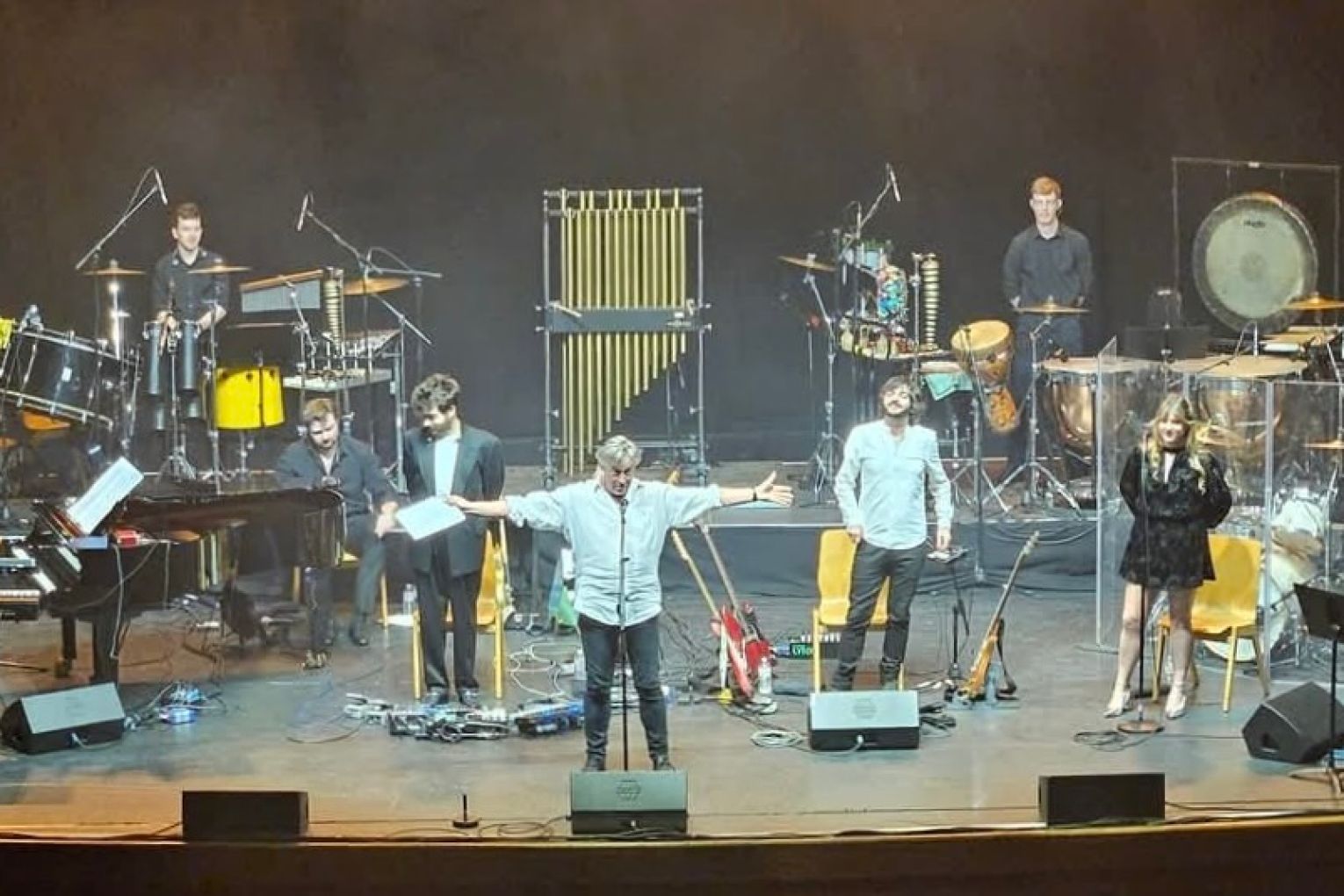
I am writing about Oldfield’s surprising classic because Mike Oldfield’s Tubular Bells is coming in June as part of a 50th anniversary world tour. His seminal work will be performed by an expansive live group, led and arranged by Oldfield’s long-term collaborator, Robin A. Smith.
The concert will feature Tubular Bells performed in full, plus extended sections of Tubular Bells ll and lll, as well as the worldwide hit single, Moonlight Shadow.
You might like
One of the most pioneering and influential musicians of all time, Mike Oldfield’s visionary Tubular Bells series spans three albums and 27 years, with Tubular Bells created in 1971 and released in 1973, Tubular Bells II released in 1992 (the filming of the premier from Edinburgh Castle is one of the most viewed and streamed musical events ever), and Tubular Bells III released in 1998 (with the excerpt of Far Above the Clouds featured in the 2012 London Olympic Opening Ceremony).
With each album, Oldfield expands on the incredible themes and theatrical variations he first composed at 17 years of age, continually innovating and pushing boundaries.
Tubular Bells (1973) was the debut studio album by Oldfield, a groundbreaking instrumental progressive rock masterpiece and the first release on Virgin Records, proving that Richard Branson really was a visionary. (See Mike Oldfield in conversation with Richard Branson, below.)
Subscribe for updates
The 50-minute album is a two-part, multi-layered composition featuring Oldfield playing more than 20 instruments, famously including tubular bells. Its distinctive opening, used in the film The Exorcist, drove global success and scared the hell out of some of us.
The movie was terrifying and, for me, the album always had a bit of that resonance. I’ve recently come back to it again and now at least once a month I play Tubular Bells and The Dark Side of the Moon, reliving my wayward teens. Both albums still stand up, and I have now switched my 25-year-old son onto them for the collection of vinyl he is building.
Oldfield recorded and played almost all the instruments on the original album, which went on to become the highest-selling instrumental album of all time.
I did see the show Tubular Bells For Two at Brisbane Powerhouse some years ago. It featured Daniel Holdsworth and Tom Bamford, who performed Mike Oldfield’s classic album live, playing more than 20 instruments between them.
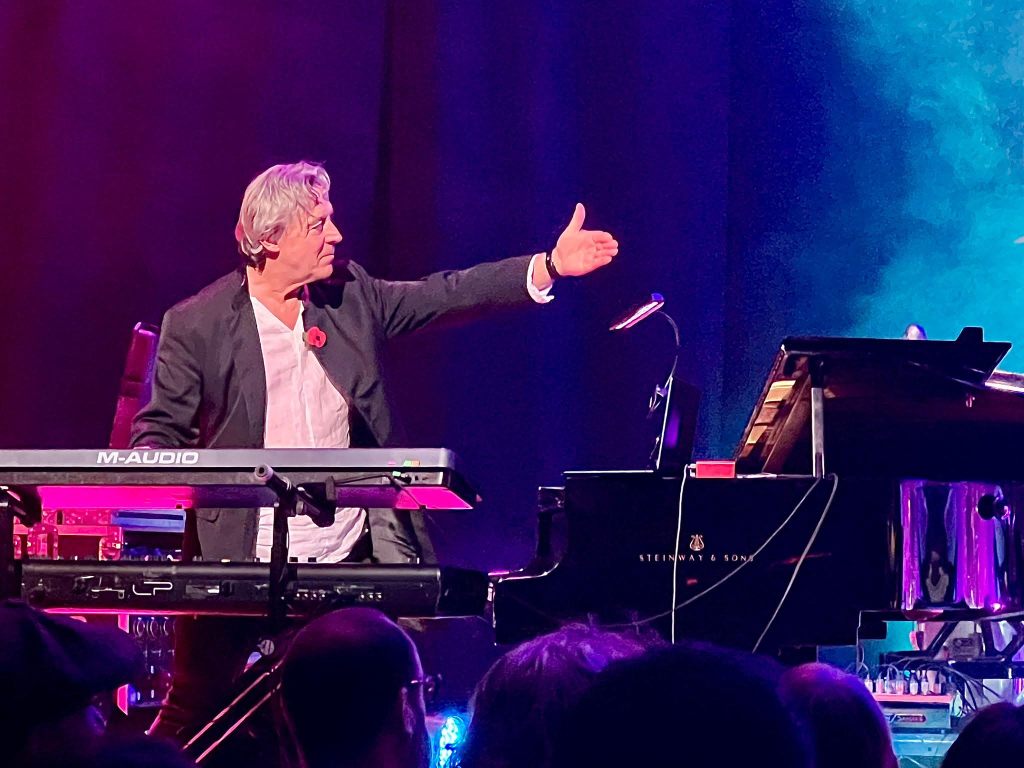
Robin A. Smith is now bringing his show back to Australia, so I’m down for that one too. He has worked with Mike Oldfield for more than 25 years, collaborating on Tubular Bells II and III, including live performances at Edinburgh Castle, Horse Guards Parade in London, The Millennium Bell in Berlin and the 2012 London Olympics Opening Ceremony.
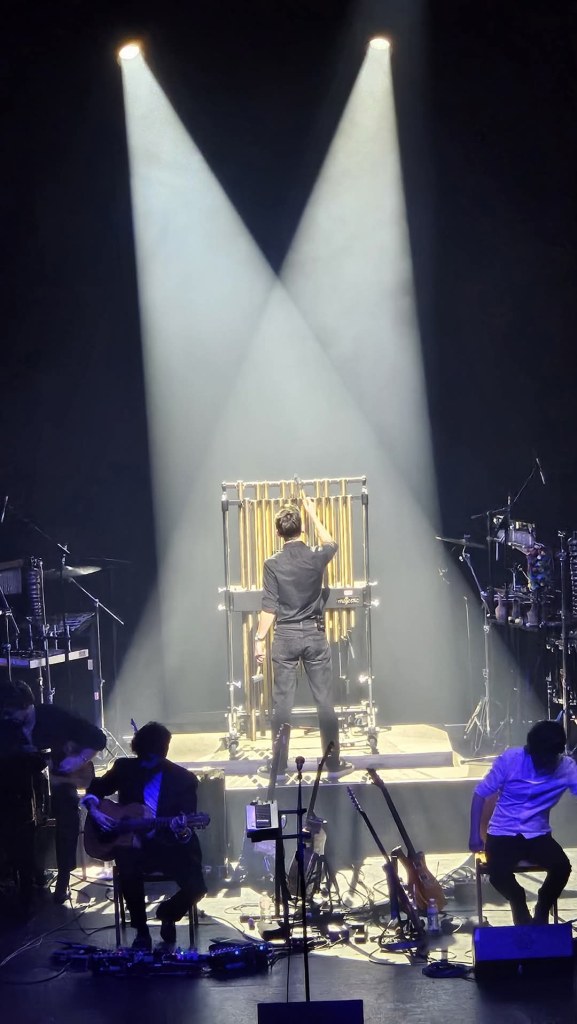
“We have been lucky enough to tour our new reimagined version of Tubular Bells extensively around the world, a show that has been embraced by so many,” Smith says. “We thought how wonderful it would be to incorporate music from all of Mike’s three major works so everyone can delight in his sensational themes and dramatic episodes.”
Mike Oldfield is now 72 and has pretty well retired, so he won’t be coming on the tour. Never mind, his friends are touring and the music will be enough. Having said that, Pink Floyd has finished playing in the background and I am about to go upstairs and put on Tubular Bells. Talk about living in the past, if you’ll pardon the Jethro Tull reference.
Mike Oldfield’s Tubular Bells tours nationally, including Hamer Hall, Melbourne, June 3; Adelaide Entertainment Centre, June 5; His Majesty’s Theatre, Perth, June 6; QPAC, Brisbane, June 10; and Sydney Opera House, June 13.
Want to see more stories from InDaily SA in your Google search results?
- Click here to set InDaily SA as a preferred source.
- Tick the box next to "InDaily SA". That's it.
Free to share
This article may be shared online or in print under a Creative Commons licence