Adelaide Film Festival review: Agata the Writer
Traversing a highly contentious landscape of artistic appropriation, Agata the Writer not only asks questions about who can tell a marginalised or traumatised people’s story, but demonstrates a possible solution.
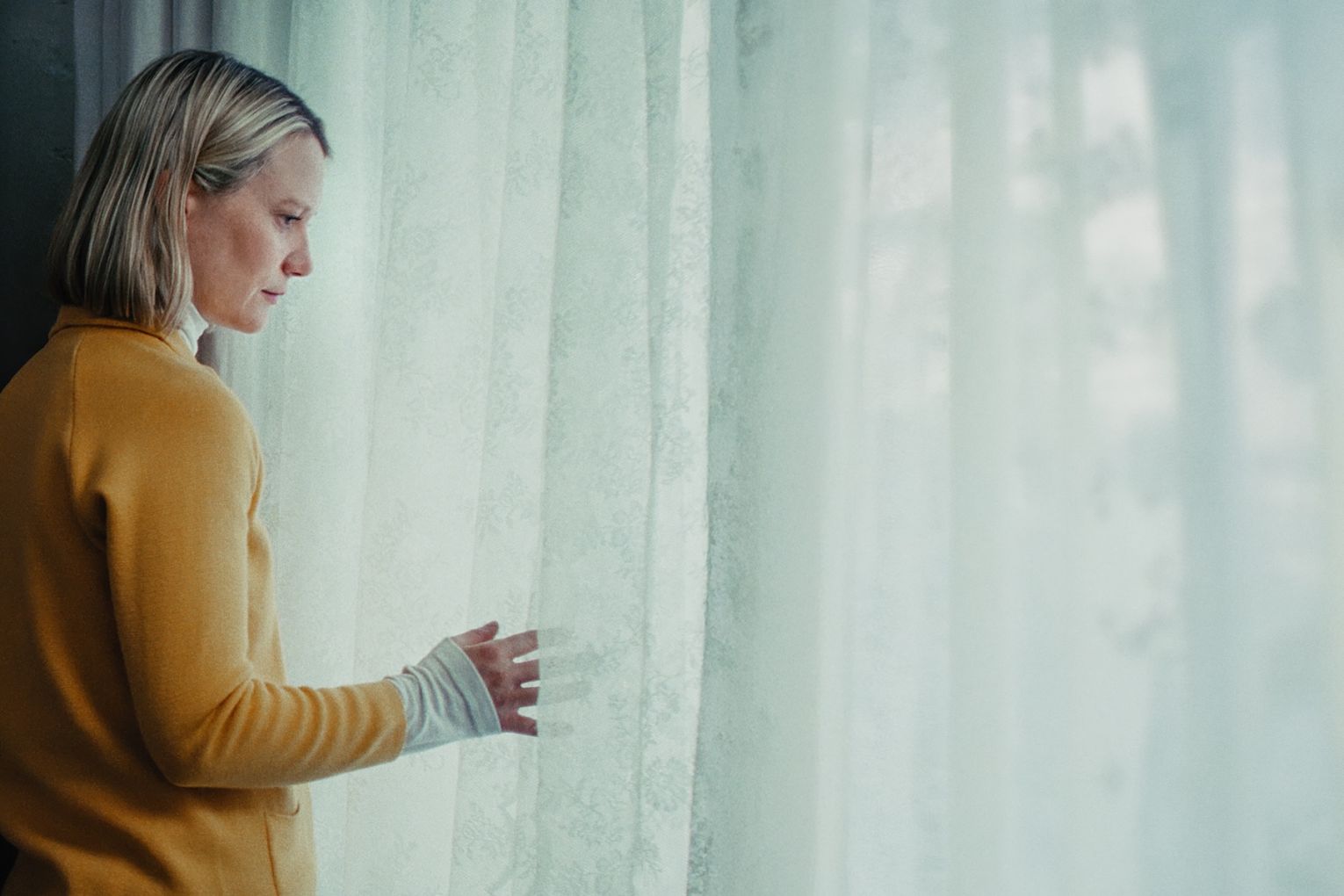
When Agata’s editor offers her an apartment in Sarajevo to write her next book, the Polish Australian goes for it, thinking maybe she’ll write a story set in the ‘90s, during the siege of Sarajevo. Perhaps it’ll be about a father and her daughter, hiding out in the woods and trying to survive unnoticed. Agata is Polish, and Poland’s not so far from Bosnia and Herzegovina, and the language is similar, so it makes a kind of sense to her. Besides, she wants to write something serious, something counter-intuitive to her usual quirky, comedic novels.
This really is as far as the plot takes us, the bulk of the film being a kind of cinematic exploration of story appropriation. When a painting of a defecating woman goes missing from Agata’s temporary apartment, as does a vase that looks like a ceramic turd, and when Agata coincidentally sees a pornographic magazine at the home of a man who lost his wife and child to the war – a man Agata is interviewing – and the cover is of another woman defecating, are we meant to wonder if it’s Agata taking a dump on the survivors and their trauma and the memory of those who lost their lives?
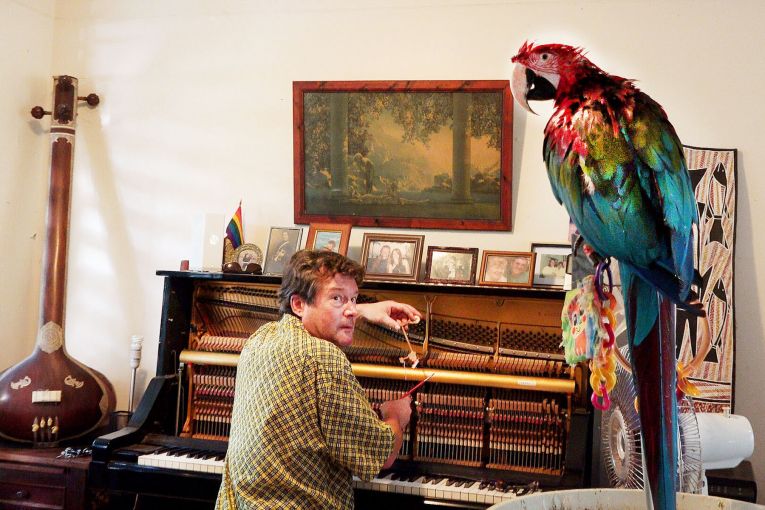
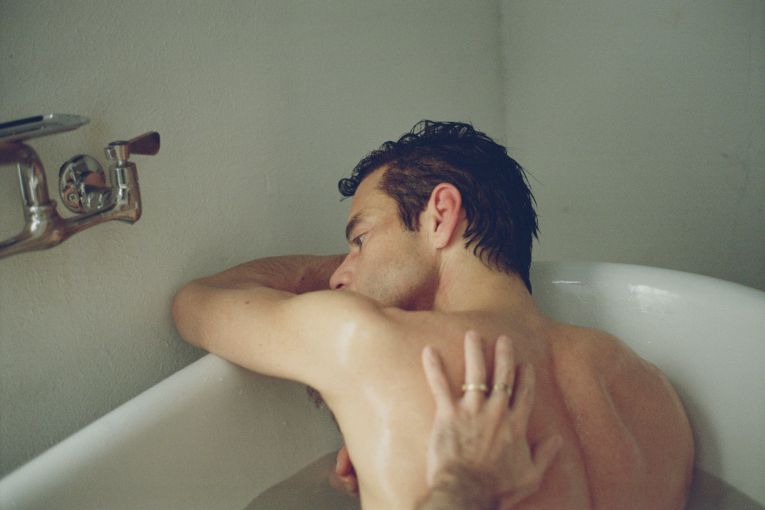
As writer and director Kuba Dorabialski (winner of the John Fries Award and the Fisher’s Ghost Art Award) said in a Q&A after the Australian premiere of Agata the Writer at the Adelaide Film Festival, he loves “the things on the edges of plot” so he’s not too concerned with who stole the painting or the vase, or why the old man might have the magazine and whether it’s a coincidence or not. Much of the film fits into this vague symbolism – if you want it to. The viewer concerned with the question of who has a right to tell someone’s story will look deeper at every lengthened contextualising frame – and there are many.
Dorabialski, whose background is in video art, is also the editor of Agata the Writer, as well as the composer, and the music and the extended scenic shots are slow and heavy, and feel so integral to the narrative arc that they replace the usual narrative tropes of dialogue and action. They seem to be shrouded in the moodiness of place, and it’s one way to tell the story of Serjievo without telling the painful story of Sarajevo.
You might like
Somewhat similar to Dorabialski, who was born in Poland but lives in Sydney, the prolific and versatile Canberra-born Mia Wasikowska (Tracks, Club Zero) plays Agata, and has Polish lineage on her mother’s side. Like the two defecating women in the film, I don’t think it’s a coincidence that these artists are telling Agata’s story and, in a roundabout way, the story of the siege of Sarajevo.
For both Dorabialski and Wasikowska, the monologue that really turns filmic storytelling on its head by bringing literature and cinema together in the most unique way feels personal as it interrogates who is allowed to tell someone else’s story. It is, indeed, an intense and up-close monologue that Wasikowska delivers brilliantly, and Dorabialski took a huge risk with it.
It’s an example of why he received a nomination for the Giornate degli Autori at the Venice Film Fest, where the film had its world premiere. Since this is an award that spotlights independent works by lesser-known filmmakers – like previous winners Sarah Polley and Denis Villeneuve – who’ve gone on to have critically successful careers, I think the question of ‘Who is allowed to tell someone else’s story’ is answered by asking, ‘How will you tell a story so that it’s truthfully yours?’.
Agata the Writer screens again on Saturday October 24 as part of Adelaide Film Festival 2026
Want to see more stories from InDaily SA in your Google search results?
- Click here to set InDaily SA as a preferred source.
- Tick the box next to "InDaily SA". That's it.
Free to share
This article may be shared online or in print under a Creative Commons licence