‘Alive and raw and joyful’: Agata the Writer’s complicated homecomings
Mia Wasikowska and director Kuba Dorabialski channel their own diasporic experience into Dorabialski’s feature debut Agata the Writer, which brings complex questions about history and belonging to this year’s Adelaide Film Festival.
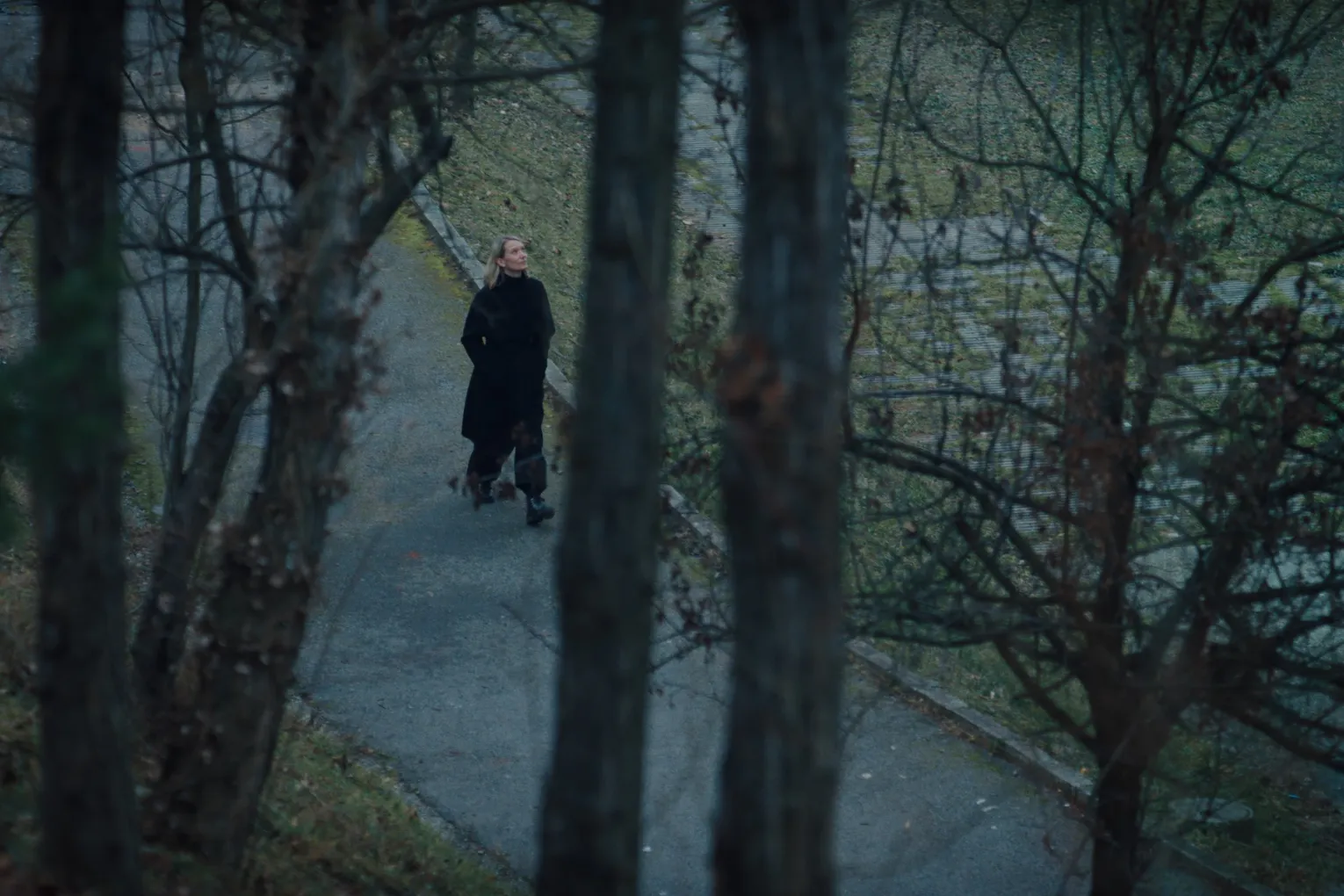
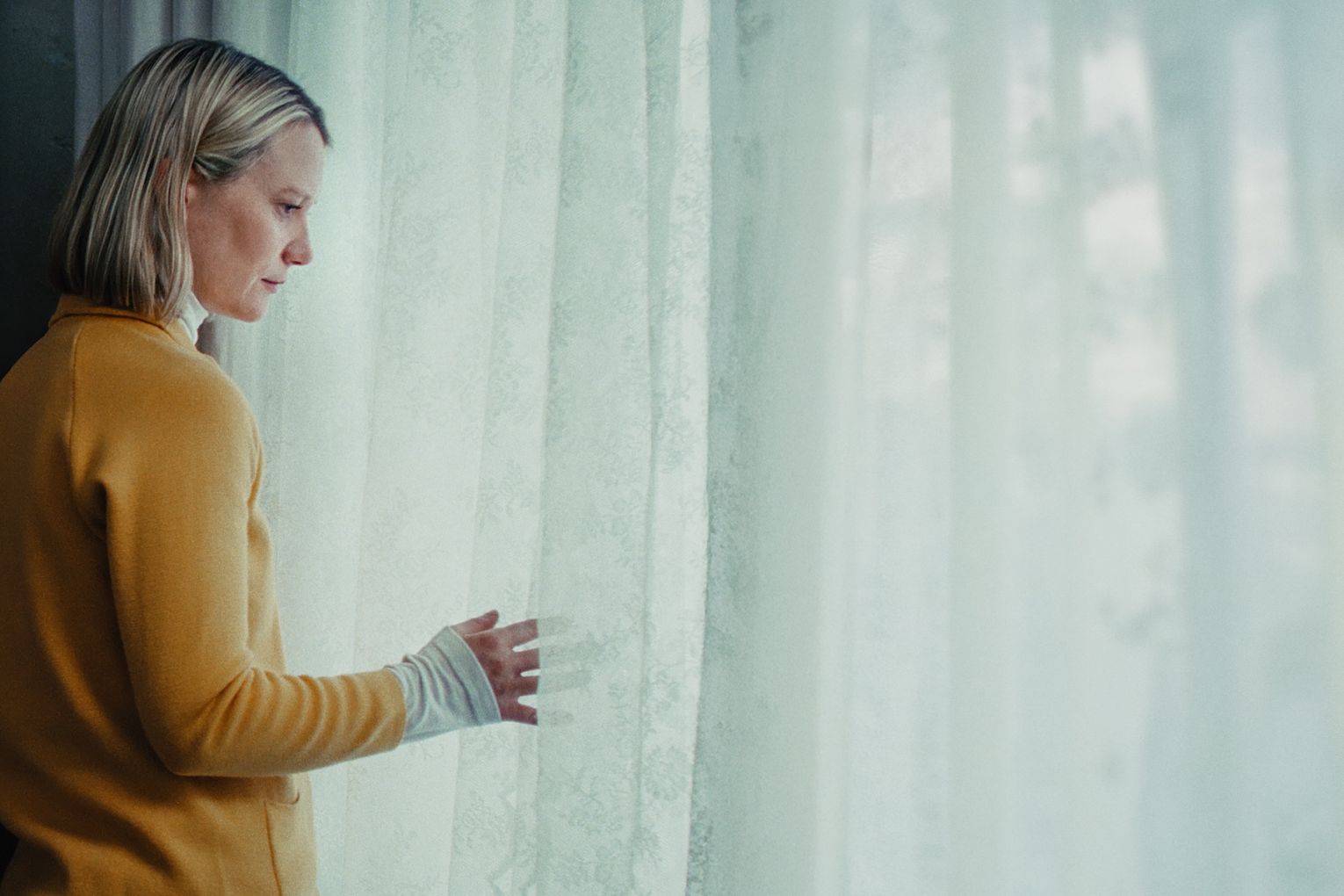
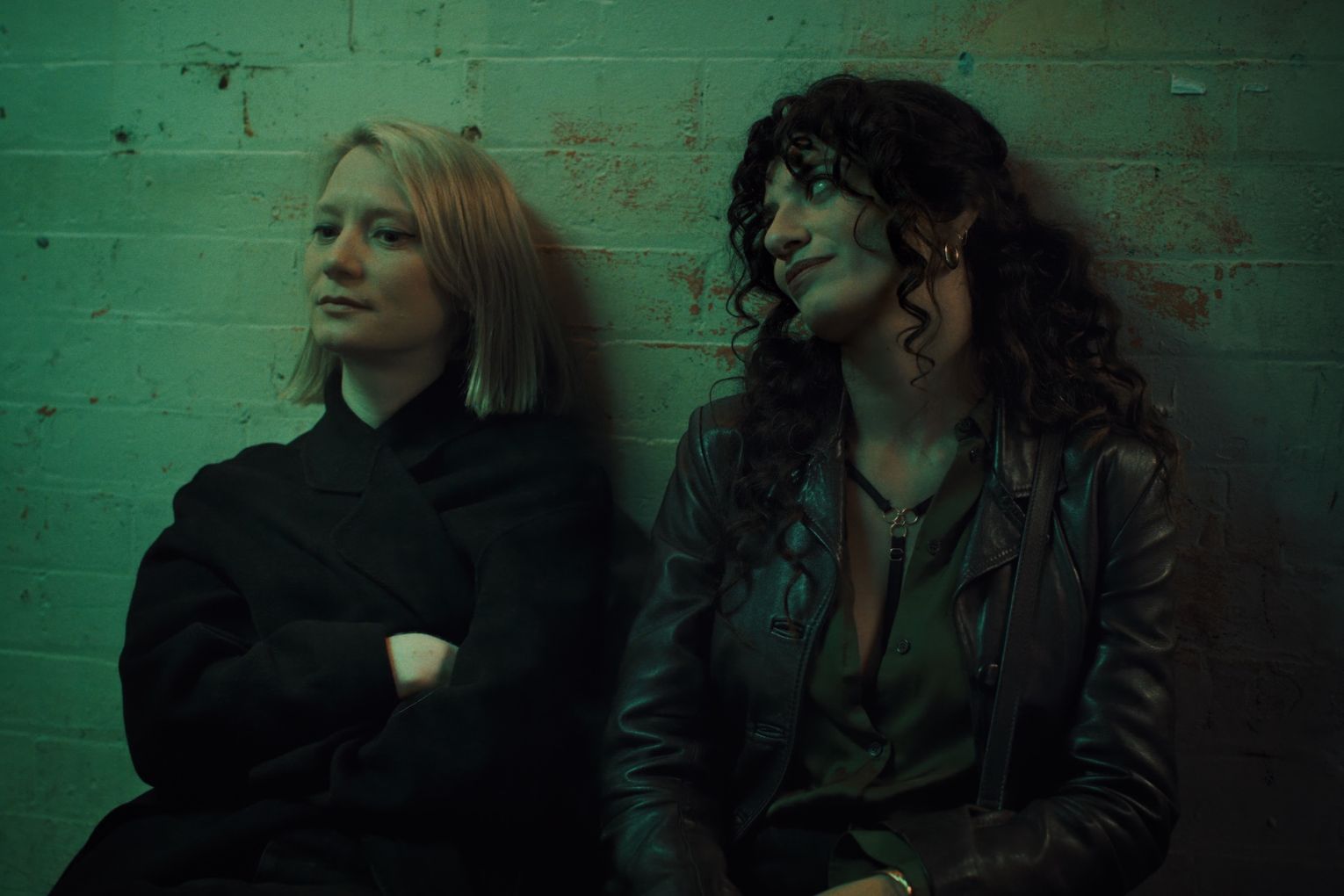
In Agata the Writer, Mia Wasikowska plays a satire writer who ventures from Sydney to Sarajevo to pen a serious book about a father-daughter relationship set during the Bosnian War. Once on the ground, however, she finds the locals she interviews aren’t impressed with the interloper in their midst, and start questioning her motives.
For filmmaker Kuba Dorabialski, who was born in Poland in 1979 and emigrated to Australia at the age of two, the character of Agata is deeply autobiographical.
“I’ve spent pretty much my entire life living in Australia, identifying as Polish, and not quite fitting in in either context,” he tells InReview.
“My family is extremely closed. So the extended family relationships were with cousins and uncles and aunts, but generally just within my siblings and parents. We had shared values in terms of what movies we watched and the music we listened to and what trees we liked or didn’t like. We only spoke Polish at home.”
In Australia, he says, there was a sense of solidarity that formed with other Slavic language speakers. “I started to think of Eastern Europe as a bloc, as something that’s quite familiar.”
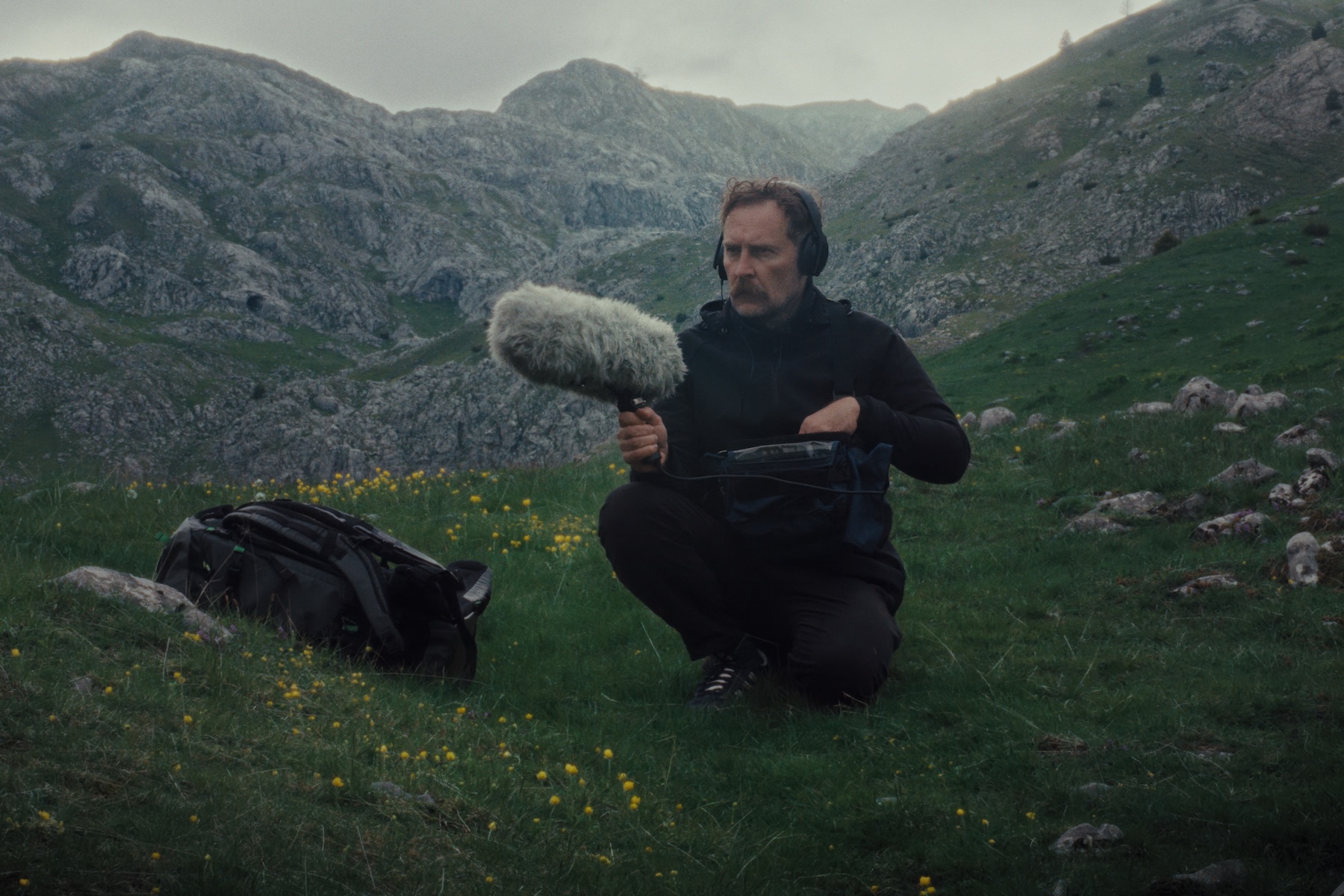
Like Agata, his work as an artist and filmmaker eventually drew him back to Europe to make video artworks in Bulgaria, Serbia, Russia and Ukraine, and Poland. Once he arrived, he encountered pointed historical differences that had been flattened by the diasporic experience.
“I wanted to portray Agata as this Polish Australian, somewhat arrogantly arriving and feeling like she has a say in this country that she’s never been to, because there are these vague historical and linguistic similarities,” he explains. “Then she quickly makes the realisation that these differences are quite vast – and perhaps she’s ill-equipped on multiple levels to really engage with those realities.”
You might like
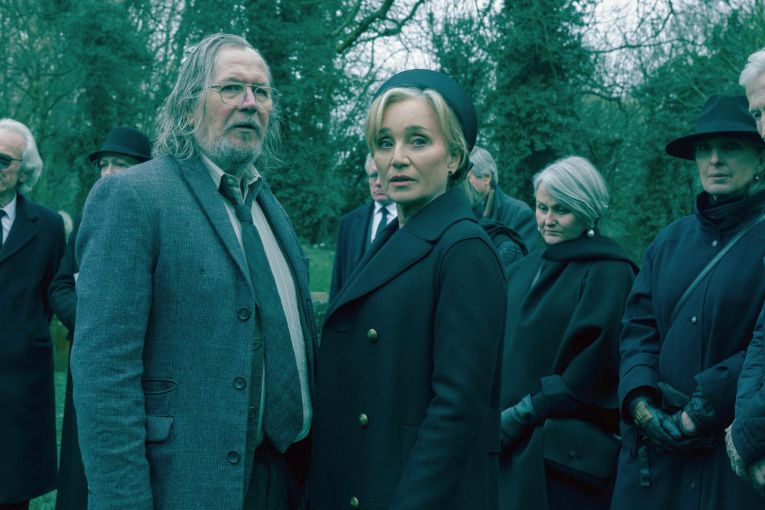
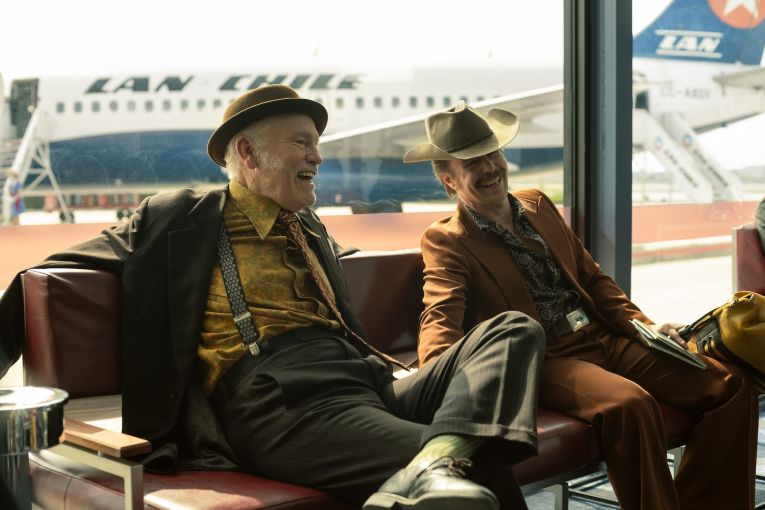
This year, Agata the Writer was the first Australian film to screen in the Venice Film Festival’s eclectic sidebar Giornate degli Autori. The programmers chose the film – Dorabialski’s feature debut – because of its “very original form of storytelling”.
Variety notes how Wasikowska was “perfectly cast” and how she is “always such a visible and deliberate thinker on screen”.
Agata the Writer now has its Australian premiere at the Adelaide Film Festival, which provided funding via the Adelaide Film Festival Investment Fund, alongside principal production funding from Screen Australia and support from Creative Australia.
“The Adelaide Film Festival’s great for offbeat, quirky films,” Dorabialski says. “It kind of makes sense to work with Adelaide if it comes to any part of Australia.”
“They’re very supportive of their filmmakers,” adds the film’s producer Alex White, who previously produced Babyteeth and Talk to Me and will appear in conversation at the festival on October 16.
“As the experience I had working through Film Lab shows, they lift up emerging filmmakers and give them money to make their first film. It wasn’t a lot of money, but that doesn’t happen anywhere else in Australia.”
White says the festival’s support meant they were able to move ahead without seeking international funding.
“We kind of knew we could do it,” she admits. “When Kuba sent me the script it was so beautifully developed and ready to go – and we knew we had Mia. There was no reason to make it more complex in a finance plan than it needed to be. And Kuba is everything: writer, director, cinematographer, editor, composer, VFX and more.”
The 36-year-old Wasikowska – who was born in Canberra to an Australian artist father and a Polish photographer mother who herself emigrated to Australia at the age of 12 – says she met Dorabialski via her younger brother Kai, who knew him through Sydney’s art world.
"She taught me how to direct actors, and kind of gave me permission."
Subscribe for updates
“Kai took me a screening of one of Kuba’s other works that I loved a lot, Connections of the Sticks, and not long after that, through Kai I was approached about this project, and had a conversation with Kuba about it,” she explains.
“He sent me the screenplay and I really loved it. It resonates with me and my family. My mum is a Polish migrant in Australia and I’ve witnessed her own struggle with belonging there and in Poland. So it was all stuff that I felt really familiar with.”
An old hand in the movie business, Wasikowska rose to international fame in Tim Burton’s Alice in Wonderland, and has also starred in Park Chan-wook’s Stoker alongside Nicole Kidman, Guillermo del Toro’s Crimson Peak, Jim Jarmusch’s Only Lovers Left Alive, Cary Joji Fukunaga’s Jane Eyre and Mia Hansen-Løve’s Bergman Island. Wasikowska recognises that working with writer-directors often means she is playing a version of them onscreen, as was the case in Agata the Writer.
“Kuba’s voice is very much in the film, and a lot of my character was informed by him,” she says. “I always think if the script’s written well, there’s really not much to do. You just turn up and learn your lines, and then it goes from there.”
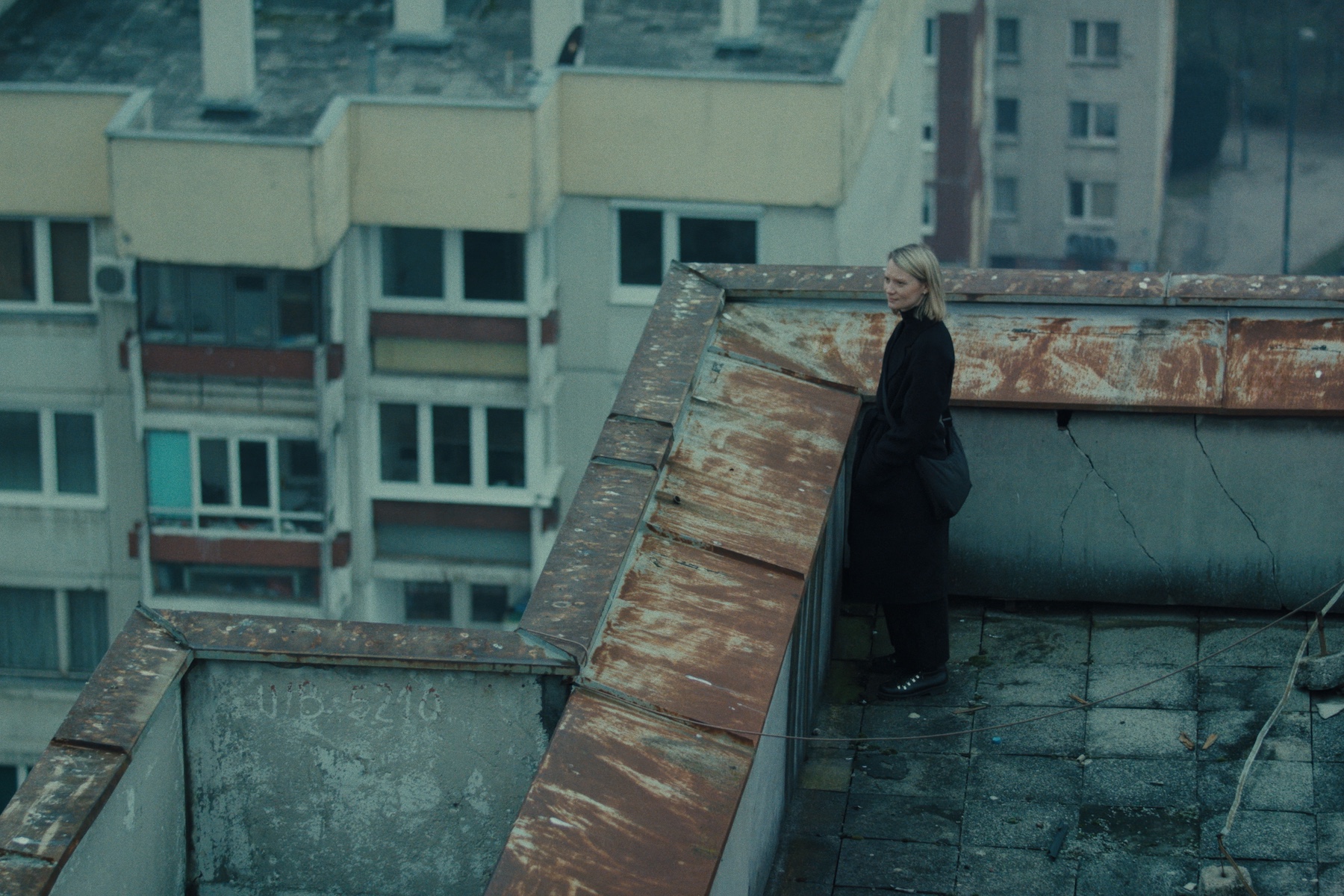
Dorabialski says he appreciated Wasikowska’s approach.
“Mia was very supportive from the beginning,” he says. “I’d never worked with experienced actors before. I’ve always worked with non-actors or with amateur actors in my video work. Just before we started rehearsal, I had this little freakout moment and Mia was just like, ‘Okay, you’ve got this. I’ll help you through.’
“She taught me how to direct actors, and kind of gave me permission and helped me define it – not just in relation to her, but with the other actors. I felt like that was a great process of learning how to direct through her as an experienced, gifted actor.”
Wasikowska – who now favours smaller independent films often shot in Australia – has an executive producer credit on Agata the Writer. She says it was a gesture of support. “I really loved this project and wanted to support it in any way that I could. I’m glad that films like this can be made that don’t follow a typical narrative structure, and that we can still be an industry that can support a variety of different expressions.”
The film’s interior scenes were mostly shot in Sydney, but some were shot in Bosnia as were all the exteriors. “We had two different crews,” Dorabialski notes. “Both shoots were quite short, but we did have a long pre pre-production process in Bosnia, getting to know people and locations and things like that.” Post-production took place in Adelaide.
While Agata had a complicated experience, Wasikowska loved filming in Bosnia. “Sarajevo was amazing. I’d been there before and fell in love with it completely. It’s super alive and raw and joyful… I’ve spent a lot of time in Europe over my life, specifically in Poland, obviously because of mum and my grandma.
“So I feel super affectionate towards Poland and Europe as there is a familiarity in these regions. Sarajevo was unusual because there’s an Eastern European part that feels very familiar and then an Islamic influence and it also feels very Mediterranean. It’s like the meeting point of all these different cultures.
“So a part of it was familiar to me, and another part was less familiar. But I loved that.”
Agata the Writer screens at Adelaide Film Festival on October 15 and 24
Want to see more stories from InDaily SA in your Google search results?
- Click here to set InDaily SA as a preferred source.
- Tick the box next to "InDaily SA". That's it.
Free to share
This article may be shared online or in print under a Creative Commons licence