Adelaide Film Festival review: Hell Has No Fire Escape
Adelaide Film Festival’s closing night premiere explores one woman’s search for love – while running an evangelical drug rehab centre in South Africa.
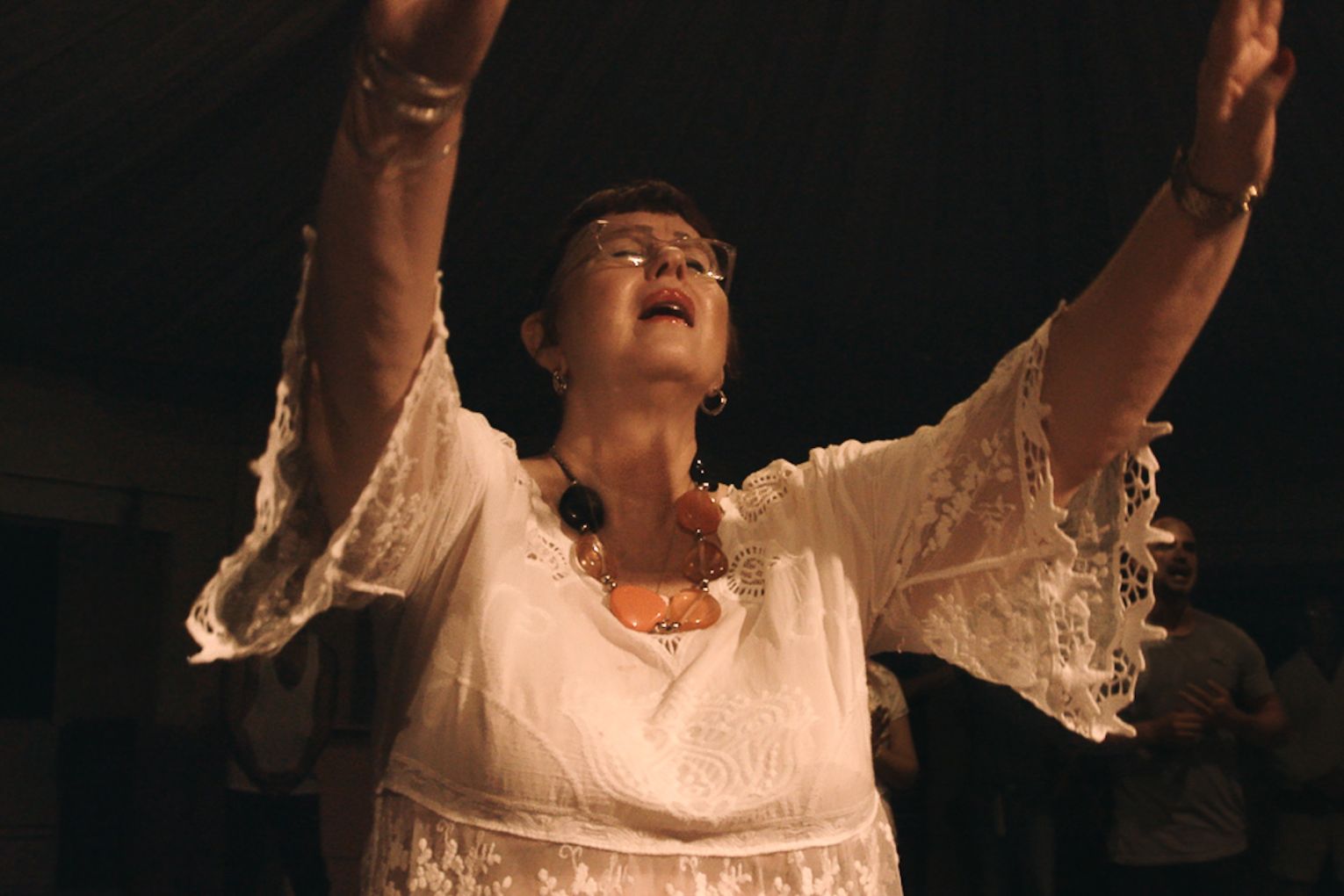
Towards the end of his life, Robin Williams remarked that ending up with the wrong people is better than being alone. It is hard to say whether the subject of Hell Has No Fire Escape, Pastor Ina Dry, consciously believed in this rhetoric, but she certainly exhibited it, desperate to escape her perpetual loneliness, and falling in love with any man who tells her she is beautiful.
The documentary, filmed over five years, begins after Ina takes over an evangelical drug rehabilitation centre in the middle of South Africa following the death of her Pastor husband. Co-directed by Georgina Savage and Matthew Bate, the film follows Ina’s life running the centre, her romanticisation of love, and the centre’s eventual downfall after a scandal involving a fake Jason Momoa. Without any substantial exploration of the subject, it is clear that Ina suffered some form of abuse – emotional or other – under her late husband, but she is desperate to give and receive love, while stuck in what she describes as a “life of resentment”.
Ina is a fascinating subject; deeply flawed, but also bruised by her experiences. Although she is the documentary’s focus, co-director Georgina Savage spends much of the runtime filming herself in talking head segments, speaking of her own experience falling in love with her partner, and her experiences with Ina. These sections are considerably less compelling, diverting attention from the more fascinating questions the film raises of the centre’s religion, and the abuse Ina has suffered. More frustratingly, Savage’s frequent self-insertions overdetermine the film’s perspective, telling the audience how to interpret Ina rather than allowing them to arrive at their own conclusions.
You might like
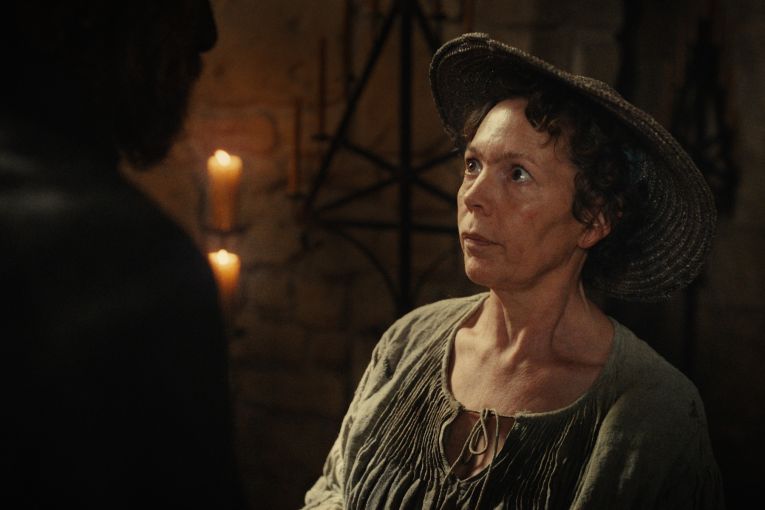

Adding substance and colour to the film are interviews with the people who surround Ina, whether they are her best friend of 40 years, who lives with her, or the numerous characters recovering from their addictions in the centre. The practices of the centre are particularly intriguing. Mostly made up of men, we see the residents playing with makeup, putting on plays, swimming, and praying, with many continuing to live and work at the centre long after making a full recovery from their respective addictions.
Towards the end of the documentary, Ina asks: “How can you help someone, if you yourself are broken?”, reflecting on the apparent absurdity of a severely damaged woman spending much of her life attempting to help others. And while many of the centre’s issues stemmed from Ina’s loneliness and fantasies of finding love, it is difficult not to feel sympathy for a woman so desperate to be loved that she repeatedly mistakes the possibility of love for love itself.
Endlessly fascinating, Hell Has No Fire Escape finds a deeply compelling subject in Ina’s contradictions, even if Savage’s tendency to editorialise occasionally inhibits their presentations.
Hell Has No Fire Escape screened as part of the 2026 Adelaide Film Festival
Want to see more stories from InDaily SA in your Google search results?
- Click here to set InDaily SA as a preferred source.
- Tick the box next to "InDaily SA". That's it.
Free to share
This article may be shared online or in print under a Creative Commons licence