Author goes Rogue in his raciest book ever
Ross Fitzgerald’s latest book is about a Machiavellian character who follows a set of life rules that it is advisable not to emulate.
If a stranger asked you what Rogue was about, what would you say?
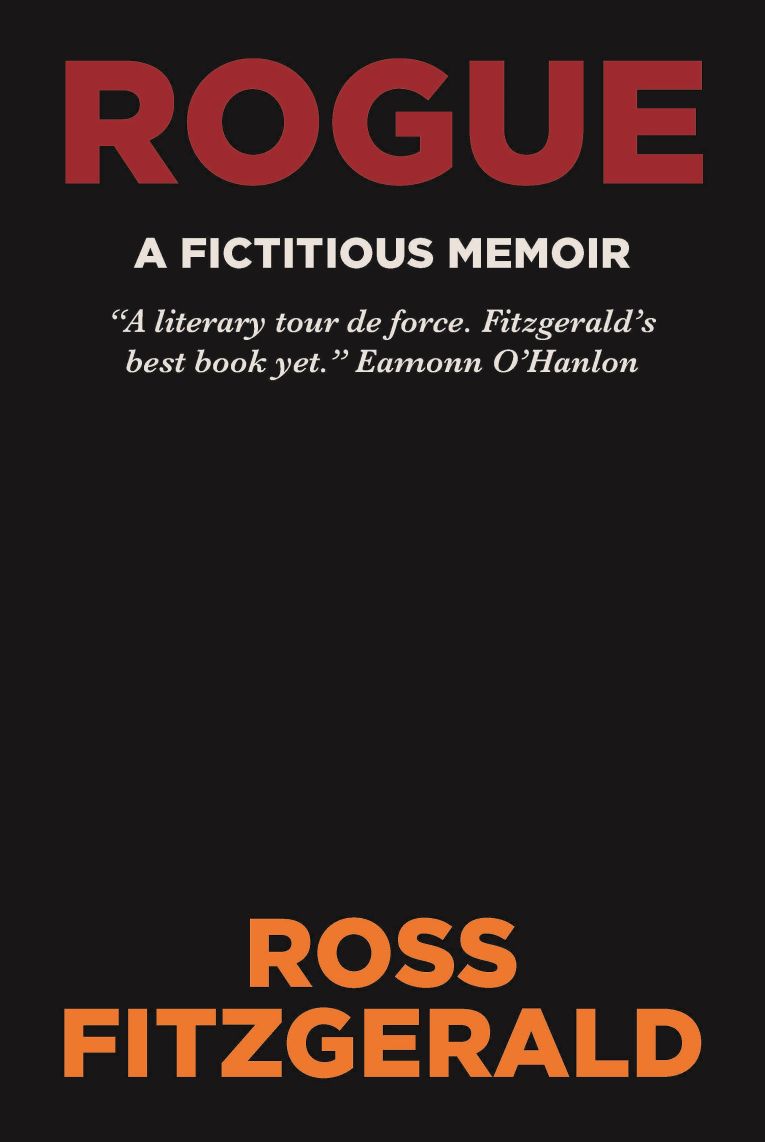
Rogue is about a young Australian man who embarks on a quest to see if it is possible to become highly successful in life without doing any actual work. It chronicles how my anti-hero, Raef McAvee, is elevated from suburban obscurity to international recognition.
Is it a fictitious memoir or a novel? What is the difference and does it matter?
A lot of novels, maybe most, draw on personal experiences, so it’s hard to see a difference. But the question is very pertinent to Rogue, since Raef’s chosen road to success is to become a writer of, among other things, novels. The issue of fact versus fiction thus becomes one of the main themes of the book. As Rogue proceeds, whether the characters and storylines in Raef’s fictions, and in Rogue, are based on real people and events becomes a volatile issue.
 Describe the protagonist, Raef McAvee.
Raef is intelligent but uninterested in formal education. His interest is in people, who he studies almost like a biologist, and he uses his observations to carve out a stellar career. In a sense his detachment sharpens his intelligence and helps him manipulate other people. It is never clear whether he ever has real feelings for anyone other than himself, and his father who he idolises.
Is there anything of you in the character and, if so, what traits?
I would admit to having many of the characteristics of Raef, both positive and negative, including being sober for many years. But working out which characteristics are real and which are invented is up to the reader.
Your most enduring character is Grafton Everest. Is Raef McAvee in the same vein as Grafton?
I have always described Dr Professor Grafton Everest as “Like me, if I let myself go”. In the nine Grafton Everest political/sexual satires, my antihero is bewildered by the world and would rather stay in bed and watch television. In the early books he is trying to cope with the lunacy of the tertiary education system and his academic colleagues. In the later books, he becomes an Australian senator, the first president of the Inclusive Republic of Australia (IRA) and finally secretary-general of the United Nations – all against his will and to his general annoyance and confusion.
You have already written memoirs, so how does this book relate to those?
Anyone who has read my memoirs My Name is Ross: An Alcoholic’s Journey and Fifty Years Sober will recognise familiar biographical details, which help authenticate the “memoir” part of the title of Rogue. However, these two memoirs are primarily about the key role of Alcoholics Anonymous in my and others’ lives. While Raef McAvee attends AA meetings, he is not an alcoholic and attends AA meetings purely to make influential social contacts.
Subscribe for updates
What are Raef McAvee’s rules for life and are they yours?
In Rogue, Raef proposes 18 rules for life. These range from his founding rule – “The benefit of intelligence lies not in the ability to do better work but the ability to do no work at all”; rules for relationships – “Never leave a relationship without having another one waiting”; hints about organisations – “Given the option, a committee will always favour a proposal to do nothing”; and the one most relevant to the book itself – “A biography accusing its subject of despicable acts lowers public respect for that person. An autobiography admitting the same acts enhances it.” As to whether I endorse those rules is one of the many things readers must work out.
There are some raunchy scenes. Is this a new thing for your readers?
Not really. In the early Grafton Everest books, the hapless academic was also a rather clumsy sexual adventurer. As Professor of Life Skills and Hospitality at the University of Mangoland, he found himself an object of unexpected, sometimes unwanted, interest from women. In the later books he mellowed with age and settled into monogamy. But Rogue is by far the most explicit of all my books.
What do you want readers to get from this book?
My hope is that they will get some amusement, and an insight into the world of writing and authorship.
What is next?
Rogue is a hard act to follow as it resonates with sunset music, but I’m sure something will come up. Perhaps another fiction co-authored with my Queensland-based buddy Ian McFadyen of Comedy Company fame.
Rogue: A Fictitious Memoir by Ross Fitzgerald, Goala Books, $29.95.
scholarly.info/book/rogue-a-fictitious-memoir
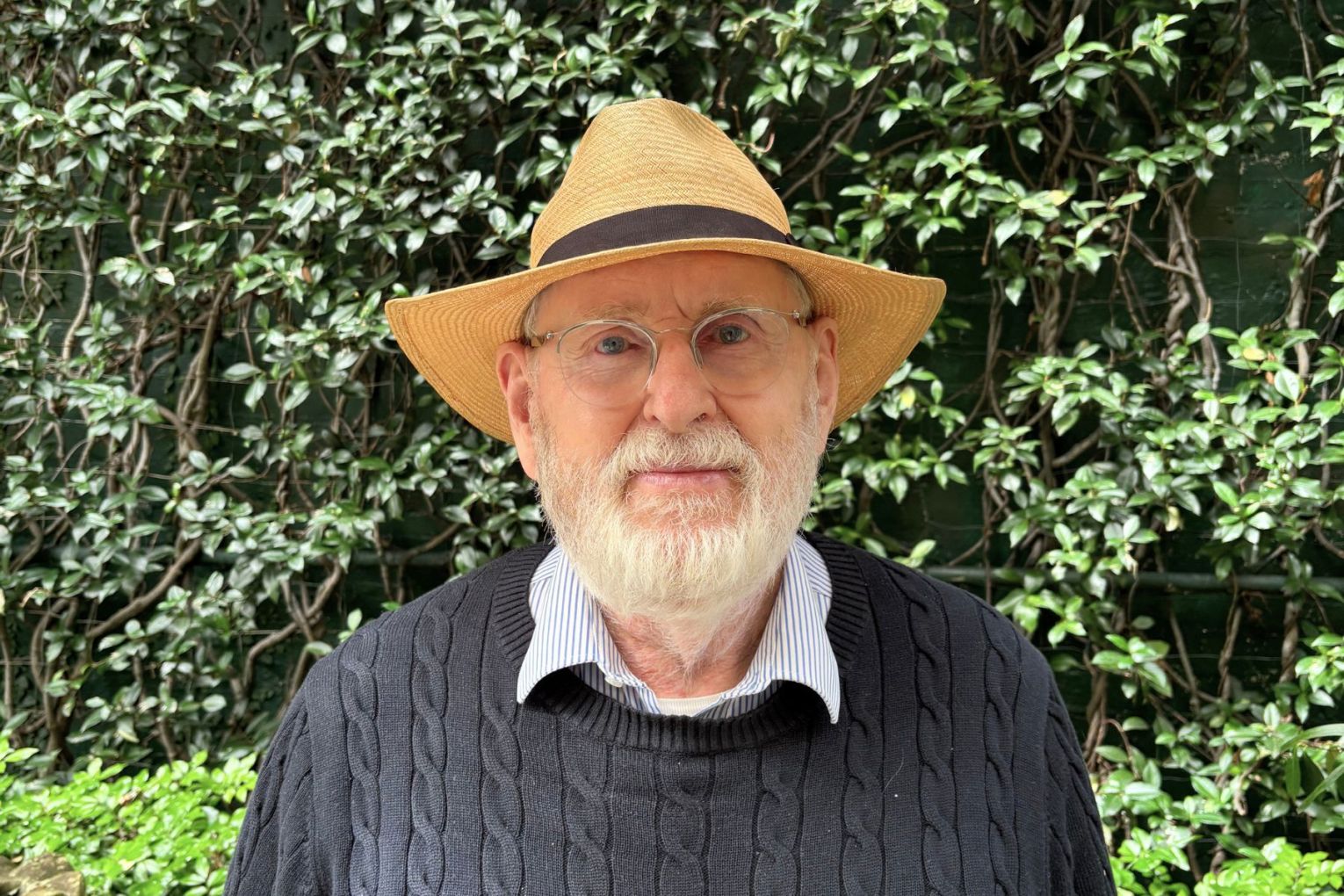
Ross Fitzgerald is emeritus professor of history and politics at Griffith University and the author or co-author of 47 books. His most recent is the highly praised Chalk and Cheese: A Fabrication, co-authored with Ian McFadyen.
Want to see more stories from InDaily SA in your Google search results?
- Click here to set InDaily SA as a preferred source.
- Tick the box next to "InDaily SA". That's it.
Free to share
This article may be shared online or in print under a Creative Commons licence