Eco-warriors: Climate change fuels new literary genre
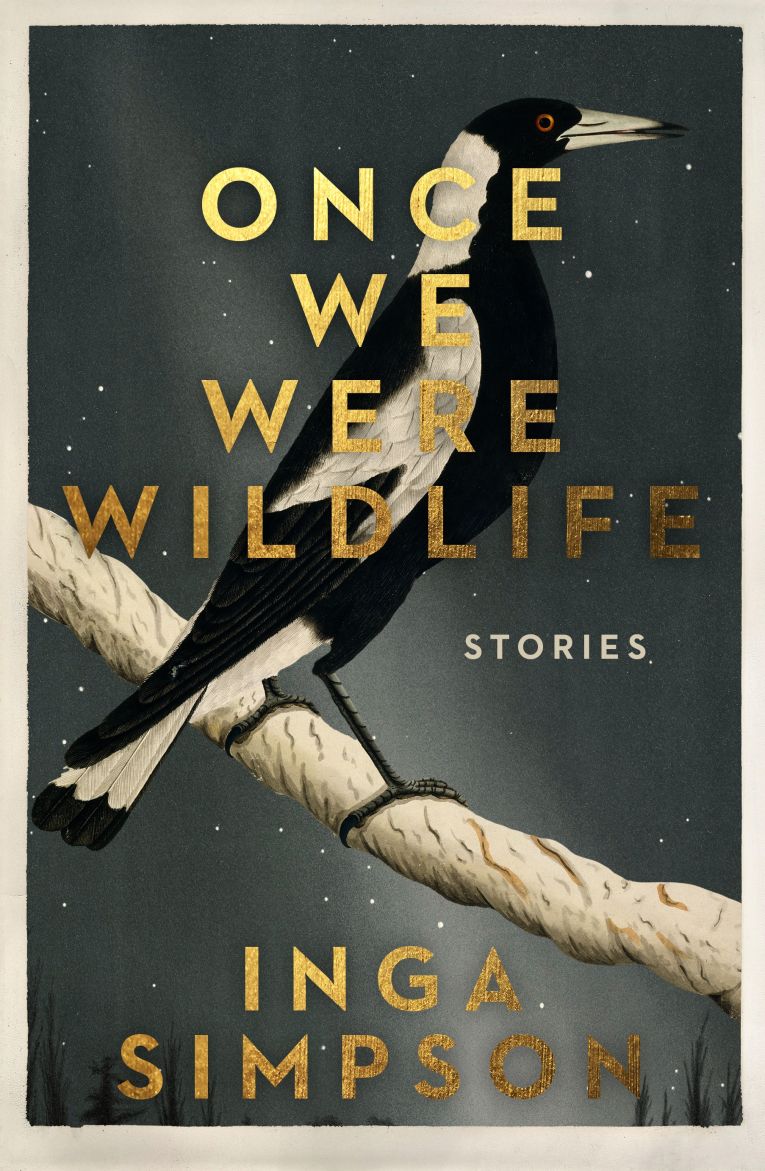
Eco-literature is a new genre and one which author Inga Simpson is excelling at, as her new book of short stories shows.
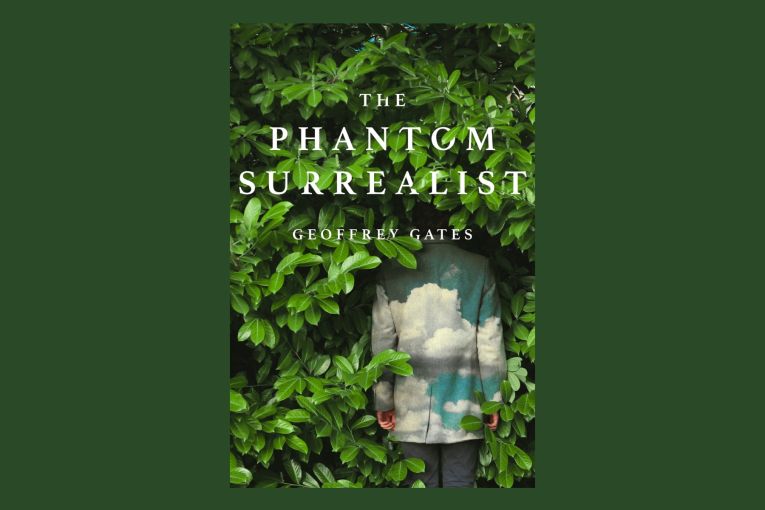
Australian writers including Robbie Arnott, James Bradley, Katherine Johnson, Madeleine Watts and Charlotte Wood have published significant novels concerned with the elements and subject matter that define eco-literature.
That is, namely, the relationships between human beings and the environment, between the human world and the natural world.
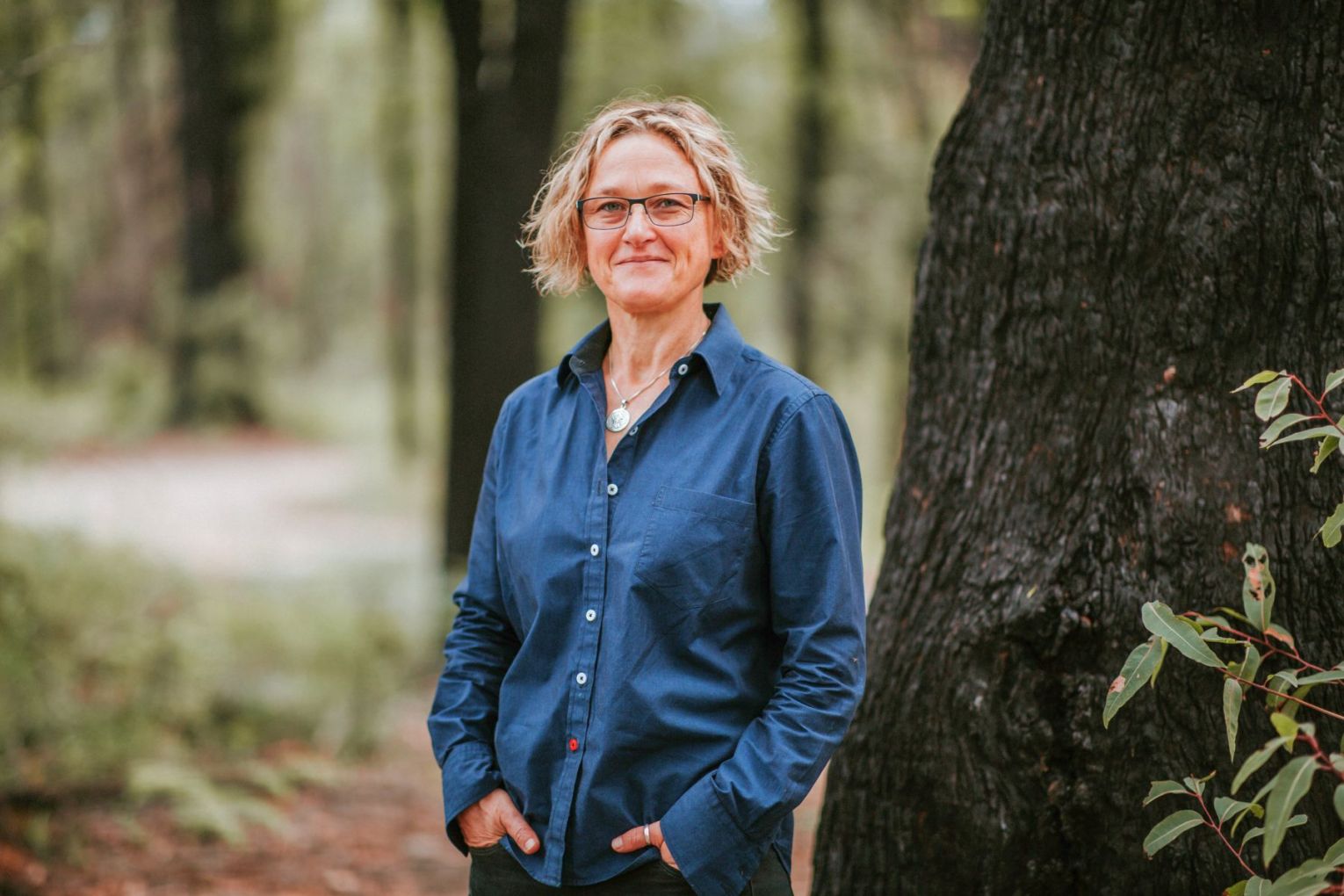
Inga Simpson has quietly become one of the most significant contributors to the local eco-literary canon with her six novels (including Willowman and The Thinning) and now her collection of short stories, Once We Were Wildlife.
Comprising 12 short stories and one poem, these are evocatively written and deeply stirring tales that explicitly underscore humanity’s intimate and innate connection to the environment, how human activities affect it and how it, in turn, affects humans.
These short pieces of fiction are not so much fiction as they are fiction dealing with fact – tales of imaginary human lives shot through with the precarities and frailties of human emotion, yes, but balanced with the actualities of those same precarities in the natural world.
 The Wash, for example, deals with one woman’s experience of a near-drowning, masterfully describing the power and danger of the sea, while Blue Crane explores one woman’s intense connection with the life and movements of the heron that lives at the beach near her house.
You might like
In her trademark tender, luminous prose, Simpson merges Sally’s story – one of solitude and loneliness – with the gradual establishment of her relationship with the bird. She at first observes the creature from a respectful distance, “following the heron’s footprints, larger than the oystercatcher’s and more broad, spaced further apart as he lengthened his stride. [She] stopped next to the deep scratches in the sand, the exact point where he had pushed off, left the earth and taken flight”.
Sally gradually moves closer to the heron, an experience that makes her “skin tingle, the fine grey hair lift from her scalp” as “for the first time, she understood what it would be to fly”. The story ends with her running after the heron as he takes flight, running “faster and faster, up on her toes, her vision expanding to include the swell and the tide, the north-easterly breeze, the prickly lobsters backing into the prickly green weed, the school of tasty garfish coursing beneath the surface of the sea. Until, at last, her feet left the sand”.
The story Sea-Wolf charts the life course of another woman, named Maren, and her gradual evolution into becoming one of the sea wolves she is studying and lives among.
These are stories that are as much an exploration of the vicissitudes of the human world and human relationships as they are about the interactions between human beings and the natural world, as well as the experiences of the natural world itself. Just as Simpson gives voice to her human subjects with insight and compassion, she often equally imbues the landscapes and environments about which she writes with near anthropomorphic qualities.
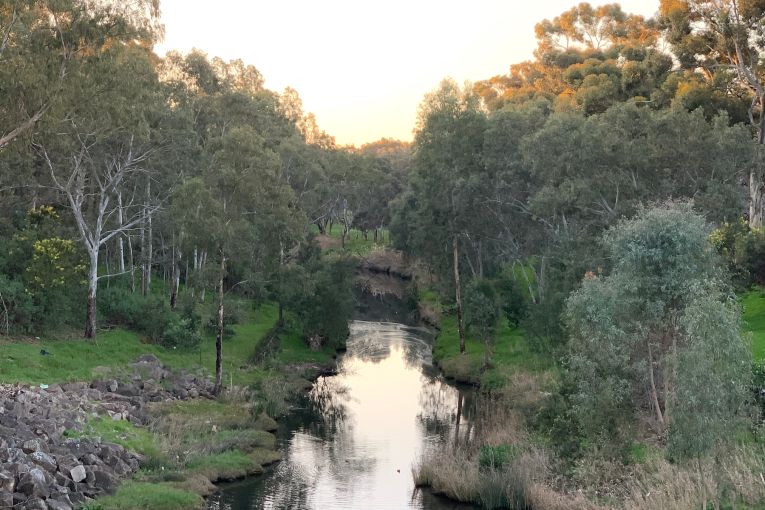
This anthropomorphism is most evident in the collection’s final story, Out of the Forest, which is narrated from the unique perspective of a tree as it watches the landscape around it change and regenerate, endure destruction and regrow. The forest sees many challenges: “Horses, thundering in great galloping herds, trampling, biting, and chewing. Fires, fuelled by treefall, swept through and through. Then the borers, with their damn tickling antennae.”
The trees fight back against these natural challenges – “concocting deterring sprays, upping the tannin composition of our bark” – but the environmental changes wrought by humankind loom large, resulting in trees that have their “leaves withered, our branches dried, greyed”. In the face of environmental desecration, “forests stood silent. Snow fell less and less often, and there was less of it, retreating further and further upslope, faster than we could follow”.
Subscribe for updates
In one of the most beautiful passages in Once We Were Wildlife, Simpson meditates on the way global warming has impacted both the human population and the forests: “Despite their clever hands and fingers, their elaborate root systems trapped inside thick skulls, humans struggled most with the warming. They came to bury their dead, interring them among our roots with such reverence. Some sat and wept, or lay down against our trunks to sleep, as if they had nothing to return to. As if they, too, wished to be interred. Absorbing humans into ourselves does not still them. It is more of a slowing, a hibernation – though not all will wake. Or want to. It is said that it is possible, if both beings are willing, for bloodflesh to transfer into heartwood. Just as wood can turn to stone and live forever.”
As eloquently and elegantly as Simpson voices the Australian environment and the birds and animals that inhabit it, she is equally adept at evoking and exploring human relationships. The collection’s titular story explores the evolution of a romantic relationship between two women, Frankie and Marie, for whom the natural environment is a powerful force in nurturing, sustaining and eventually unravelling their intense kinship.
The two women first cross paths while on a 16-day walk in the Northern Territory. They are brought together by conversations about the vivid dreams they both experience while sleeping under the stars – “Spirits, maybe,” Marie intones, knowingly yet mysteriously – and their shared fascination with the botanical and animal worlds. But, ultimately, Marie’s ambivalence about being in a relationship with a woman sees the two part ways acrimoniously and Frankie seeks to heal herself the only way she knows how: by returning to nature, and launching herself into the boundless ocean by jumping from a jetty jutting out into the sea.
Another of the collection’s strongest stories is Poached, a tale that unfurls the story of a young soldier, fighting off post-traumatic stress disorder by running and boxing, eventually taking himself on a tour of India, to see the wild Bengal tigers that he has dreamt of since he was a primary school student and completed a research assignment about the endangered species. Scarred by his battlefield experiences, one of the tour guides, who works to protect the animals in the wild from poachers, listens to the man’s stories about his wartime exploits and suggests that he stay in India and work with him, protecting the tigers.
The tale ends tragically, when he leaves his tent unarmed one night to pee, only to encounter three armed poachers, one of whom raises his gun and shoots at a majestic tigress, and: “… he steps forward without thought, a response not born of years of training and brutality, not an instinctive action, but a feeling. And in those seconds, it is as if he is the tiger: sharp stink of man sweat and urine, cold contact of firing pin, hot gleam of metal turning through night all before he hears the shot. The bullet tears through flesh, through muscle and sinew. Through his chest. She is gone into the forest. But her presence remains as his heart slows and stops and his vision contracts. He can only smell hot blood spilled on damp soil. He can only hear the poachers running away, the buzz and cry of the forest, and the three roots and fungal networks drinking him in.”
This description – of the man’s blood and flesh melding with the earth, becoming one with the environment in which he has lived, worked and died – is perhaps the strongest images that Simpson invokes to illustrate the sinuous, inescapable ways in which not only human beings and the natural environment are entwined but how we share the same qualities.
It is perhaps that very same tenuous and unavoidable overlap that the title of this sharply drawn, beautifully written collection not-so-subtly hints.
Once We Were Wildlife by Inga Simpson, Hachette, $29.99.
Want to see more stories from InDaily SA in your Google search results?
- Click here to set InDaily SA as a preferred source.
- Tick the box next to "InDaily SA". That's it.
Free to share
This article may be shared online or in print under a Creative Commons licence