Small-town vibes on the menu in fiery debut novel about identity
Setting his debut novel in a fast food joint as a bushfire closes in is a promising premise for actor and playwright turned novelist George Kemp.
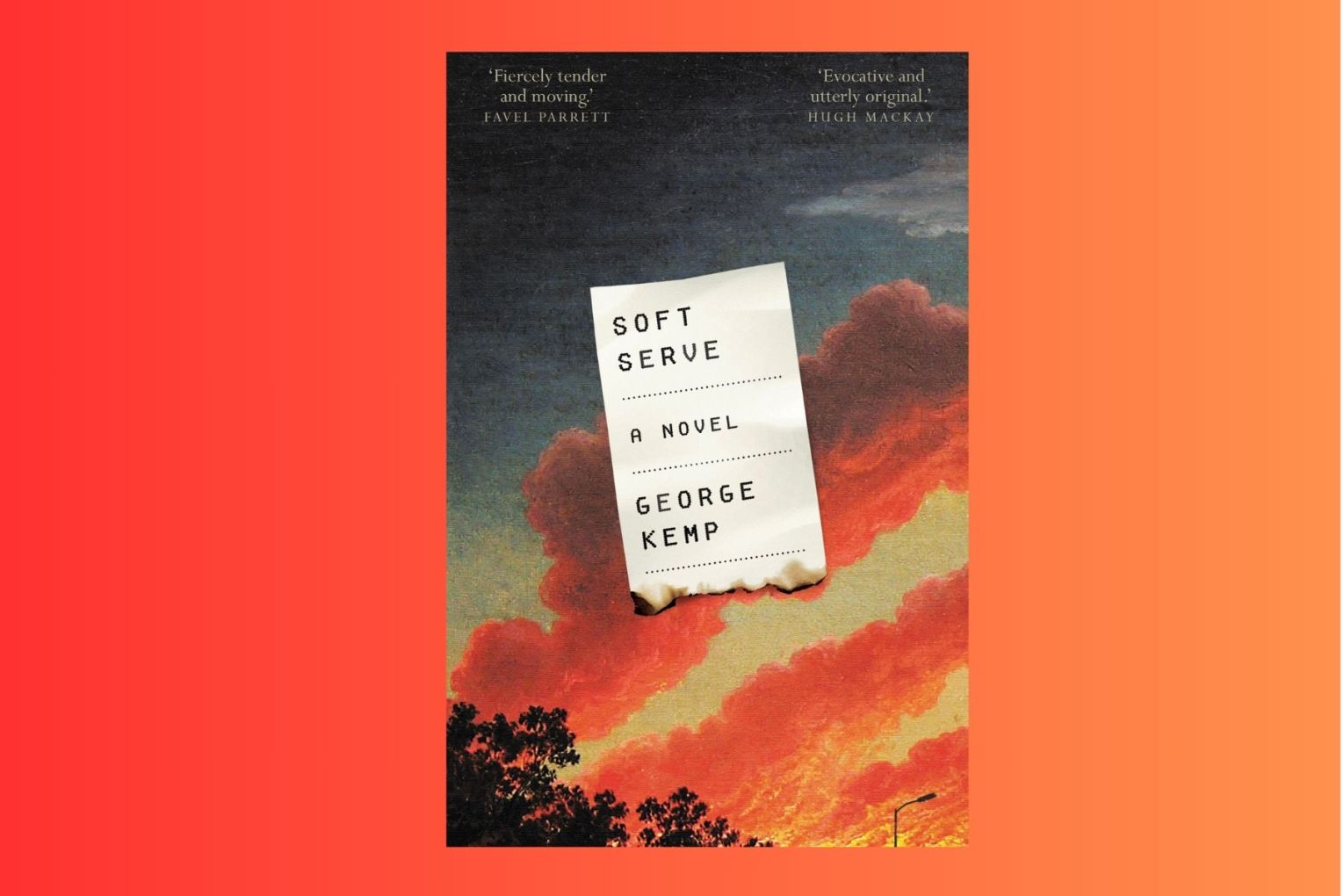
Award-winning playwright George Kemp’s debut novel Soft Serve is about small-town lives and the search for genuine sustenance in a fast-food world.
Stuck in a McDonald’s in regional Australia as bushfires close in, three 20-somethings and their dead friend’s mum all face a reckoning. Fern longs for Ethan, Ethan longs for Jacob and Jacob struggles to long for anything. Meanwhile, Pat just wants her grief to ease up.
Soft Serve proves that small-town lives are huge, and that anyone can get stuck in limbo between their past and their hoped-for future. It’s a charming and poignant novel – a kind of “drive-thru Chekhov”, full of wit and heart.
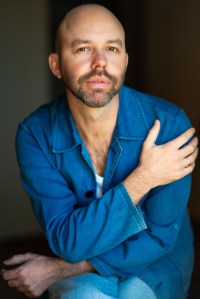
We asked George Kemp to tell us a little bit about Soft Serve.
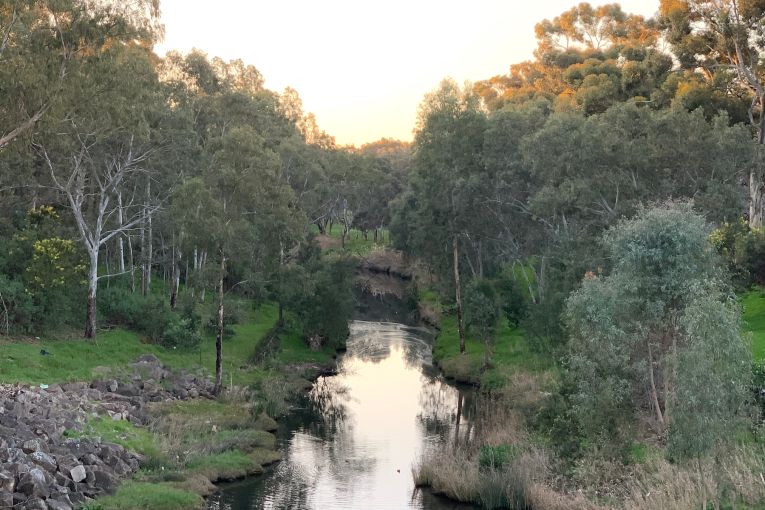
Soft Serve explores the snakes and ladders of grief and early queer love. How do we navigate life’s hook turns when most of the time we don’t even know where we were headed in the first place? The characters in this novel are stuck in limbo between their present and their hoped-for future. It’s written for anyone who has snuck in a six-nugget meal after work, after a bad day, after a funeral. It is short, poetic, tragic, surprising and funny – just like life. It is filled with a Chekhovian longing for something else, somewhere else.
This book focuses on the lives of young people in their early 20s. What is it about this period of people’s lives that interests you most?
Early 20s feel like a time of mismatch. Small things seem huge. Huge things pass as insignificant. These characters are not finding themselves, I think they have found themselves but aren’t sure that they like what they have found. Do they have the energy to try again in a world that seems to be on fire? That seems like an exhausting prospect. Without a support system around, how do young people learn emotional regulation, work ethic, rejection, resilience, how to do tax, in essence, adulthood? These characters are tadpoles with legs – too big for the pool of childhood, but ill-at-ease in the world outside of it. That is rich territory, in which everything feels enormous, but enormous emotions aren’t cool. How do young people figure out who they are when every perceivable possibility is behind the glass in the palm of their hand?
In Soft Serve, you show that small-town lives are complex. How does the small-town setting allow you to explore the ordinary and the mythic elements of people’s lives?
The emotions, high and low, are by no means made small to fit the container of a small town, they only intensify as they push against its edges. It’s harder for one to lose oneself in a small town – the claustrophobia creates a forced intimacy. So, when the stuff of life appears – grief, finding sexuality, dreams, fears, first love – they can become outsized and epic. There is a theatricality to the sense that everyone is on show. With fewer options available for places to find meaning, the search for it is intensified and people look for it doggedly – community, religion, the footy team, pub trivia, love. Chekhov’s characters use the words “I’m bored” as though they are daggers, swear words even. The gap between action, and whatever is prohibiting that action, is a place rich in drama, both mythic and mundane.
What do you hope readers will take away from the book?
Subscribe for updates
I hope for four things. First, that they recognise themselves in one of these characters: in their pain, their grief, their hoped-for future, their sense of humour, their particular slanted and personal view of the world. Second, a sense of empathy: that the next time they see a Pat working behind the counter at Maccas, or a Jacob with a mullet fishing in their tracksuit, they think of the enormity of the story that may have led them there. Fourth, a sense of admiration and gratitude for the selflessness and bravery of the Rural Fire Service who walk into that deadly heat every summer to keep us safe. And finally, an enjoyable, reading experience – an evocative and poetic journey into the lives of these people, who are just trying to make their way through. Aren’t we all?
George Kemp is a Sydney-based writer for stage, page and screen. His award-winning play Shack is on the NSW Drama Curriculum. As an actor he has performed in productions such as Rosencrantz and Guildenstern Are Dead, Cyrano de Bergerac, The Play That Goes Wrong and Peter Pan Goes Wrong. He is currently producer, new writing and artist development, at Australian Theatre for Young People. Soft Serve is his debut novel.
Soft Serve by George Kemp, UQP, $29.99.
Want to see more stories from InDaily SA in your Google search results?
- Click here to set InDaily SA as a preferred source.
- Tick the box next to "InDaily SA". That's it.
Free to share
This article may be shared online or in print under a Creative Commons licence