Uncovering Virginia Woolf’s forgotten stories, penned for her brilliant friend
Three previously unknown stories by Virginia Woolf shed new light on a giant of 20th century literature.
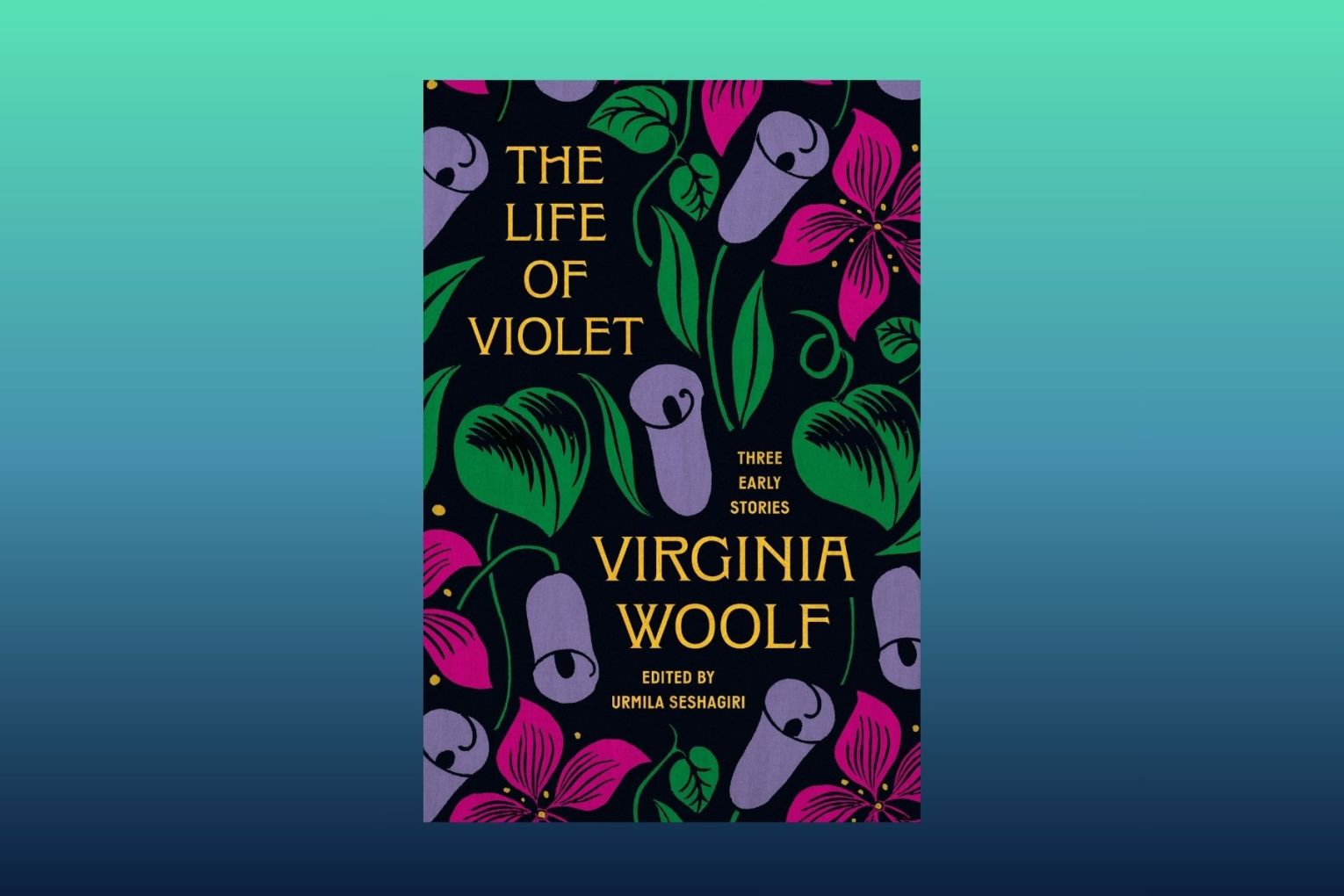
How does a writer begin? Virginia Woolf’s first novel, The Voyage Out, was published in 1915 when she was 33, but her life in fiction arguably began many years earlier when, as a child, she penned three early stories that are now published collectively as The Life of Violet.
Edited by University of Tennessee Professor of English Urmila Seshagiri, the discovery and publication of the juvenilia of revered writers is, of course, nothing new. The Life of Violet is classic juvenilia. In 1907, eight years before publication of The Voyage Out, Woolf drafted these three interconnected comic stories chronicling the unruly adventures of a giantess named Violet, a fantastical tribute to her close friend, Mary Violet Dickinson.
It was in 2022 during archival research at an aristocratic manor house that Seshagiri unearthed a final, revised typescript of the stories. These revealed that Woolf had fully completed and revised the mock biography, thereby making it her first fully realised literary experiment. This is interesting not only to Woolf scholars, but to passionate readers of her work, as the precursor to the novels that would later follow.
Published in this edition from Princeton University Press for the first time, The Life of Violet artfully and amusingly blends elements of fantasy, fairy tales and satire as it takes readers into a magical world where the heroine ultimately triumphs over sea-monsters. This is in addition to the stifling social traditions that Woolf would later come to not only challenge but excoriate in her fiction and non-fiction writings.
As one of the earliest and greatest feminist writers of the modernist era, Woolf was a trenchant critic of societal norms that denied women rights and greater freedom. It is no great leap to acknowledge that such beliefs did not evolve in a vacuum, and it is interesting to read The Life of Violet in this context.
You might like
In the space of three short, brilliant, fantastical stories Woolf quietly establishes her feminist credentials, upending the dominant marriage plot that was so pervasive in literature, rejecting the Victorian belief that women must choose between virtue and ambition, and celebrating the notion of nurturing, sustaining female friendship.
Woolf’s “comic life of Violet” – comprising Friendship’s Gallery, The Magic Garden and A Story to Make You Sleep – is inseparable from its social and material history.
Originally typed using a violet typewriter ribbon, this tribute to Violet was intended to remain private. Woolf explicitly instructed her friend, Countess Eleanor (Nelly) Cecil: “If you keep Life, please don’t quote it! See my vanity and don’t show it. I can’t remember now how bad it is, but I know it will have to be rewritten in six months; and I shan’t do it; I don’t want immaturities, things torn out of time, preserved, unless in some strong casket, with one key only.”
She also chastised Violet: “By the way: you are a dead, bad woman! I asked you not to show my writing, and you read it aloud to the Crums. Do send it back here at once. Please never read or quote or show it. It puts me in a misery to imagine it!” She continued, sarcastically: “Will you please send back my copy of Life of you? I want to have it, great work as it is!”
What, then, would Woolf have made of its eventual mass publication? In 1955, the original version, bound in purple leather, surfaced in Violet Dickinson’s personal papers and was later owned by Woolf’s husband, Leonard, who was her literary executor and considered it to be unpublishable: “A kind of private joke, it’s not very good.”
It was later acquired by the New York Public Library and first edited for publication in 1979 by Woolf scholar Ellen Hawkes, who identified in the stories links to Woolf’s later works, Orlando and Flush, and noted nascent themes that would appear in Woolf’s later writings: women’s feminine socialisation, impoverished educational opportunities, longing “for a life and a cottage of their own”, for opportunities to “experiment and rebel”, to participate in and change the public world.
Subscribe for updates
However “immature” the stories may have been, Hawkes concluded, the comic tribute to her cherished friend constituted the “revolutionary spirit” Woolf sought in other women writers’ work and so assiduously cultivated in her own.
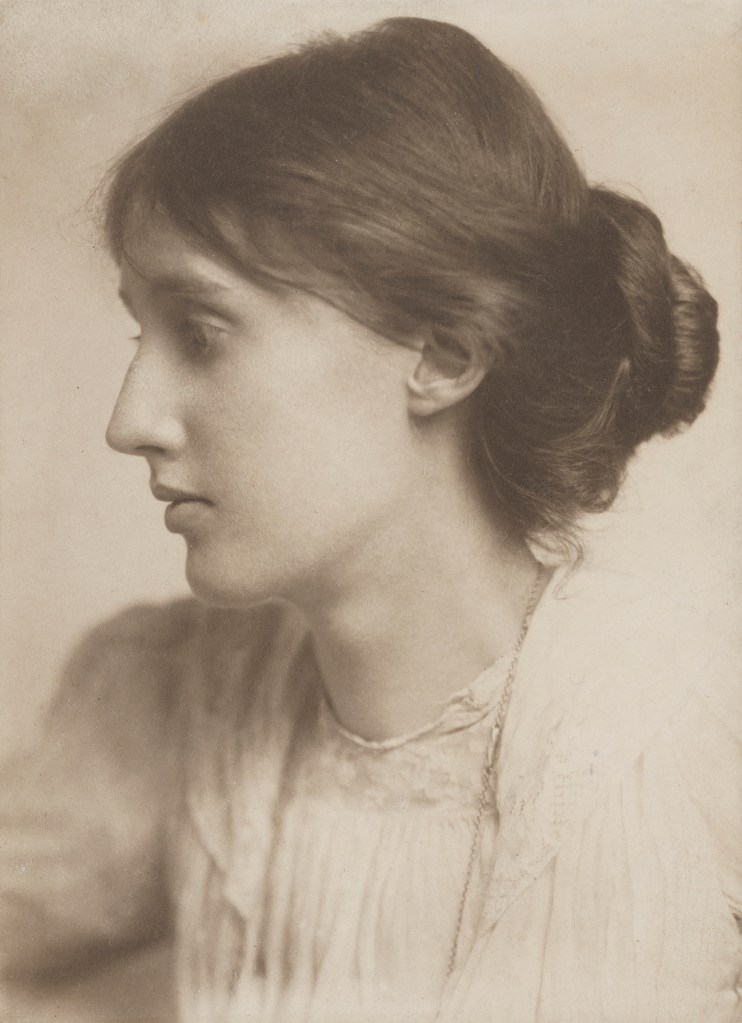
Reading The Life of Violet as someone intimately familiar with Woolf’s oeuvre, I am struck by how it foreshadows the themes and preoccupations of her later literary creations. Also striking and interesting is the way in which Seshagiri’s edition foregrounds and explores the crucial friendship between Woolf and Dickinson.
Violet befriended, healed, encouraged and promoted Virginia at a vulnerable moment in her life when loss and grief had destabilised and overwhelmed her. She recognised her extraordinary gifts, encouraged her to write and helped launch her career by connecting her with editors and publishers.
Virginia observed her friend’s true force of nature closely and Violet’s influence reverberates through her writings
Crucially, Violet was also an inspiration to Virginia. Convalescing at Burnham Wood, Violet’s home, Virginia observed her friend’s true force of nature closely and Violet’s influence reverberates through her writings: these early stories; her essays on modern fiction and biography; her several versions of the character of Clarissa Dalloway; the fantasy biographies of Orlando and Flush; the economic critiques of Three Guineas and A Room of One’s Own; and in Miss La Trobe, mastermind of the village pageant in Between the Acts.
In Friendship’s Gallery biographer Virginia likens the giantess Violet’s oracular speech to “thunders and lightnings”, supernatural powers that inspire governesses, costermongers, apple sellers, any woman who comes near: “I too have a fire within me! I too sing a delightful song!”
In The Magic Garden Violet, an “incongruous tall rod of a plant” sticking up above “aristocratic flowers” taking tea in Nelly’s London garden suddenly sprints out of tea party range to build her own far more magical cottage and garden, with “real drains, and real roses, and a place to sit out in, and one’s own china, and no ancestors”. This is, Woolf declares, “the beginning of a great revolution which is making England a very different place from what it was.”
The pseudo-Japoniste A Story to Make You Sleep arose from Violet and Nelly’s 1905 international travels. In parodic fashion, Virginia-the-biographer – stuck at home while her friends traverse the globe – indulges in fantasist oriental myth-making.
In Woolf’s hands, the British ship in Tokyo Harbour becomes a sea monster that disgorges Two Sacred Princesses, giant, laughing idols to whom the native inhabitants offer sacrifices, build shrines and form rival cults amidst exotic landscapes. The story’s self-mocking title befits its frame as an inferior translation of a Japanese bedtime story, which ends with “the child asleep these two hours”. Experimental juvenilia, though it is, Virginia’s tribute life announces the powerful critical regard, analytic sense and creative spirit that underlie her entire body of work.
As Seshagiri notes in her introduction to The Life of Violet: “These three stories have somewhat fallen between the cracks of comprehensive Woolf scholarship, entirely absent from collections collating Woolf’s journals and early short stories, but they’re a crucial and interesting addition to her life’s work, whether read alone or as part of a closer, broader interrogation of her output. Woolf’s budding literary gifts unfurl throughout this early biographical experiment, hinting richly at masterpieces to come.”
The Life of Violet: Three Early Stories by Virginia Woolf, edited by Urmila Seshagiri, University of Princeton Press, distributed by NewSouth Books, $32.99 (hardback).
Want to see more stories from InDaily SA in your Google search results?
- Click here to set InDaily SA as a preferred source.
- Tick the box next to "InDaily SA". That's it.
Free to share
This article may be shared online or in print under a Creative Commons licence