At a time when most plant societies are seeing a decline in numbers, one group is bucking the trend.
Celebrating 50 years, the Rare Fruit Society of South Australia has grown from humble beginnings to one of this state’s premier horticultural groups.
Boasting almost 900 members, the RFSSA is a meeting place for edible curiosity, flavour and experiment.
The society welcomes people who want to learn, whether they are professional orchardists, experienced gardeners, new homeowners, or collectors chasing the rare and delicious.
Beyond this state’s ability to produce fantastic citrus, grapes, apples, apricots, peaches and other stone fruit, what else is possible? That very question sparked the Society’s early beginnings, when a group of enthusiasts met to explore the idea of growing avocados.
Back then, little was known about this fruit outside of the traditional sub-tropical northern climes. Thanks to efforts in trialling, collaboration and knowledge sharing a local and viable avocado industry was created.
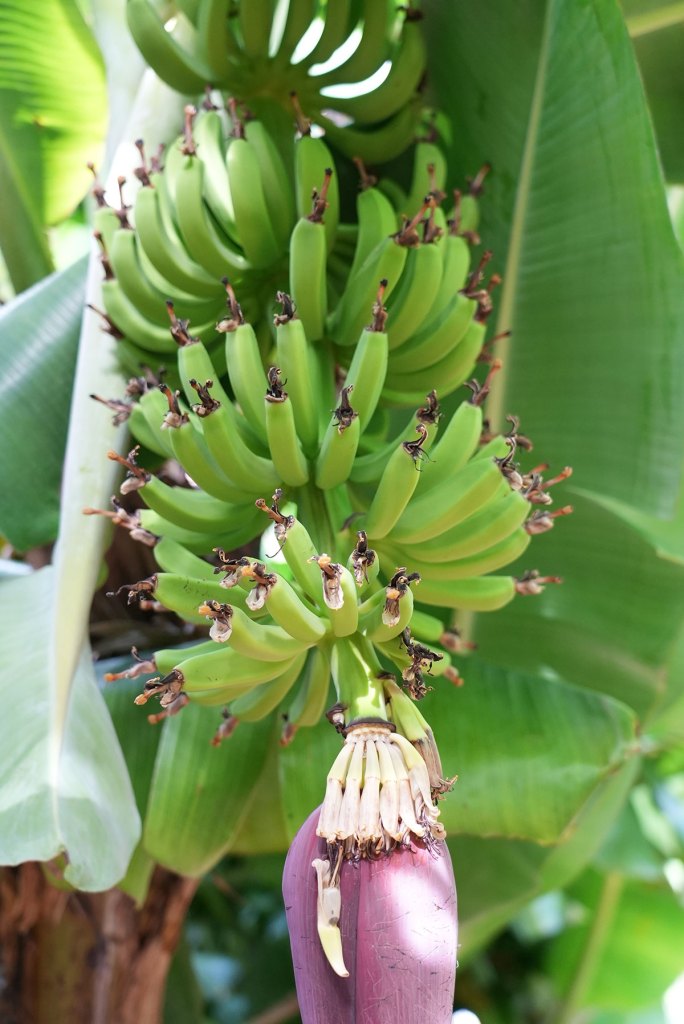
Rare Fruit Society of South Australia president, Wayne Hein says if you have the right micro-environment, bananas, mango, white sapote and countless other fruit will grow here.
You might like
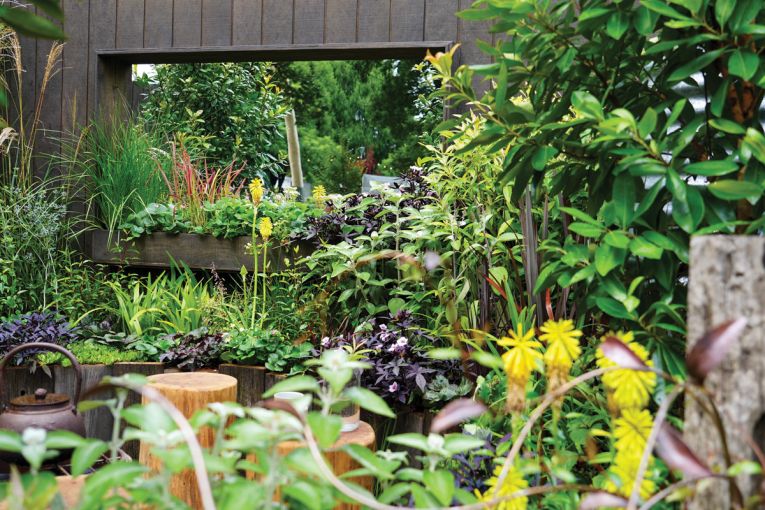
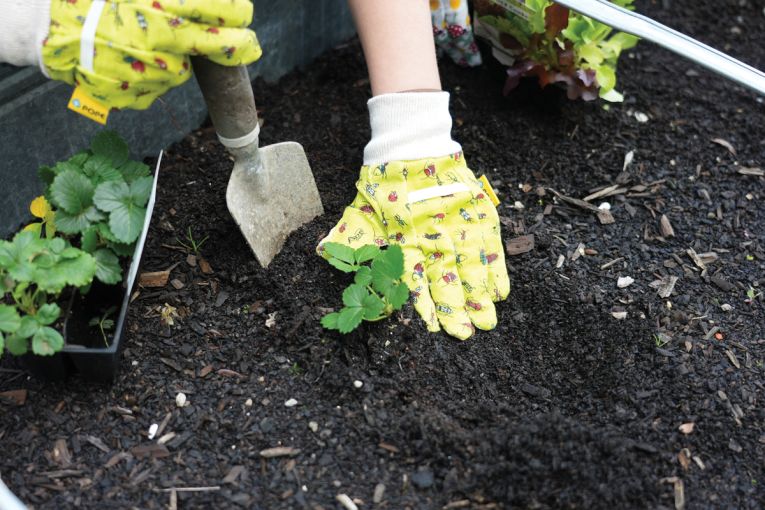
A sheltered wall, a frost-free hollow, a warm courtyard, a slope with good air movement or a patch protected from hot northerlies can give a sub-tropical or marginal fruit the small advantage it needs.
“It can be difficult, and that difficulty is precisely the attraction for many members,” Wayne says.
Among the society’s most important roles is that of heritage fruit conservation. Government research stations doted across major horticultural districts were vital in testing and trialling a large range of fruit and vegetable varieties to determine their commercial suitability in these regions. Closure of several of these locations over the years has meant the loss of a swathe of cultivars.
The Blackwood Experimental Orchard, closed in the 1970s, grew 4000 different fruit varieties at its peak and was noted as one of the largest collections of fruit in the world. Now known as the Blackwood Forest Recreation Park, only a handful of original trees remain on the site.
As older properties are subdivided and commercial plantings change, heritage trees can vanish quickly. The society helps slow that loss by hunting down, identifying, propagating and distributing rare and heirloom cultivars.
Subscribe for updates
“The old apples, pears, plums, figs and peaches that once filled backyards and country orchards, are not available in our supermarkets,” Wayne says.
“To be reliant, as we currently are, on the narrow band of cultivars we can commercially buy, is unwise. Old varieties often carry distinctive flavours and qualities, as well as gene security.”
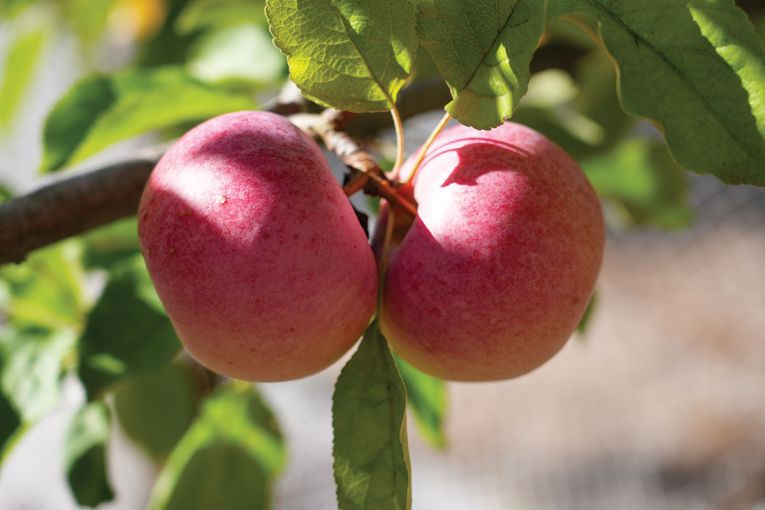
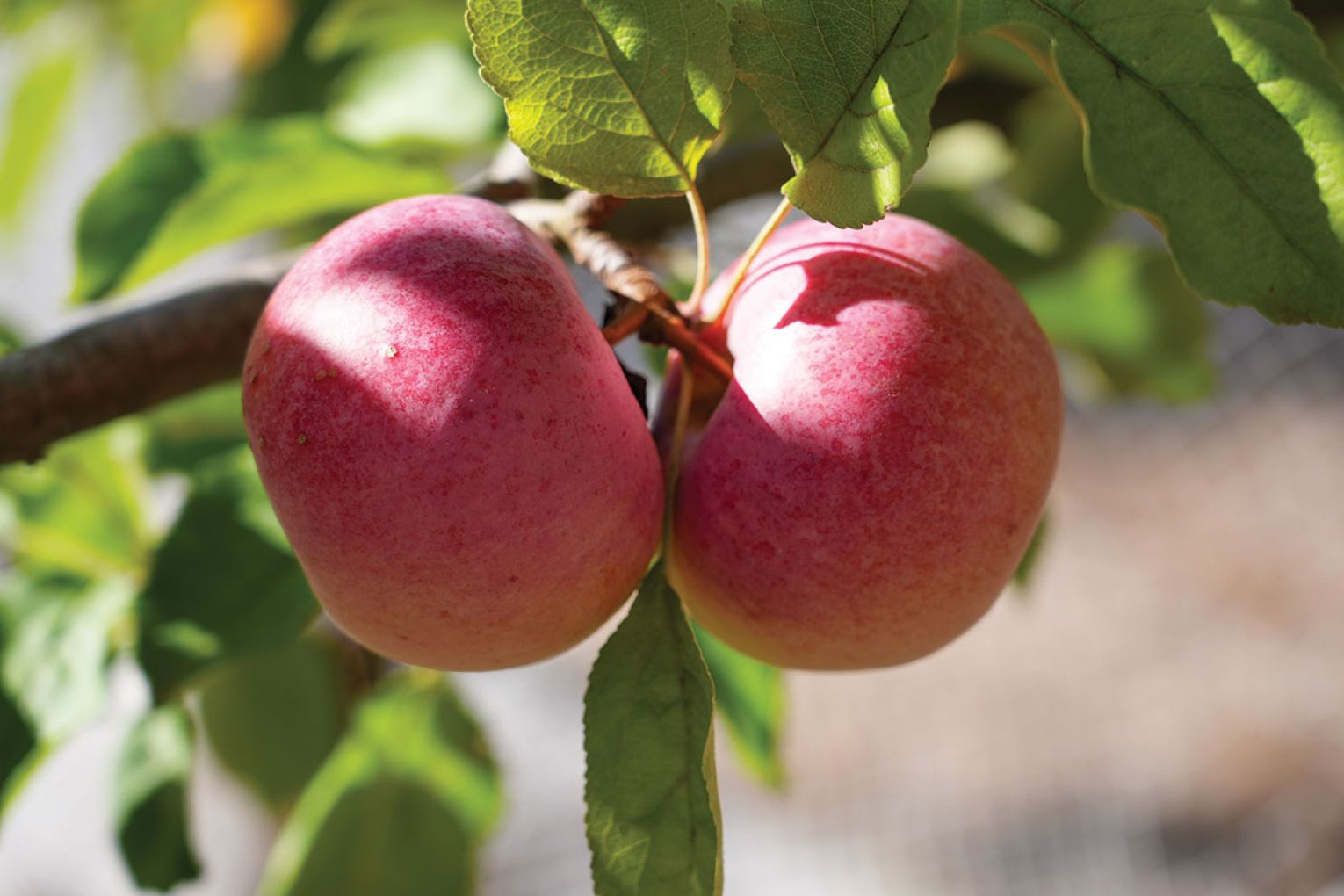
The Society’s living collections are among its great achievements – the arboretum at Kanmantoo is a gem. In conjunction with Neutrog, members hard work in preparation, sourcing, propagating and planting has transformed this once-vacant space into a food bowl boasting 23 fruits, from almond, apple and apricot, through to walnuts and white sapote. Within these types are more than 530 cultivars including 230 apples and 60 different plums. This is now a critical repository of propagating material and demonstration site where members can compare tree habit, fruiting performance, pruning response and suitability to local conditions.
Beyond Kanmantoo, the Society also has access to cultivars at Poole’s Orchard at McLaren Vale, a collection established by a former member and maintained through the goodwill of the current custodians. Then there are the passionate private home orchards of fig fanatics, berry lovers and other fruit devotees keen to broaden their catalogues of the rare and unusual.
Riverland orchardist and RFSSA member, Ben Woddelow from Sunlands has a notable collection of jujubes, also known as Chinese dates, which are small oval fruit with a crisp sweet, apple-like flavour when first picked that develops into a chewy, caramel-like texture once they age. Ben also has the largest persimmon collection in South Australia, quite possibly Australia, with about 55 different cultivars.
Field trips to established fruit properties, research stations and members’ orchards are keenly attended.
Masterclasses are run, including by Society patron, Churchill Fellow and Riverland citrus guru, Ian Tolley OAM, who is approaching 97. Developer of citrus ‘Micro-Budding’, a technique now adapted internationally, Ian still enjoys any opportunity to talk about plants.
“I want to share my knowledge with as many people as I can,” Ian says. “Starting with avocados, the Society has done some wonderful work across a range of fruit industries”.
The trading table is another beloved feature. At many meetings, members can find trees, rootstocks, budwood, grafting material, unusual plants, tools and books. Grown by members, there’s a wide selection of edibles not available from your local garden centre. A small plant on that table may be the beginning of a family’s favourite fruit, or the continuation of a variety that would otherwise be lost from local cultivation.
This article first appeared in the August 2026 issue of SALIFE magazine.
Want to see more stories from InDaily SA in your Google search results?
- Click here to set InDaily SA as a preferred source.
- Tick the box next to "InDaily SA". That's it.