Rediscover the golden era of cottage gardens.
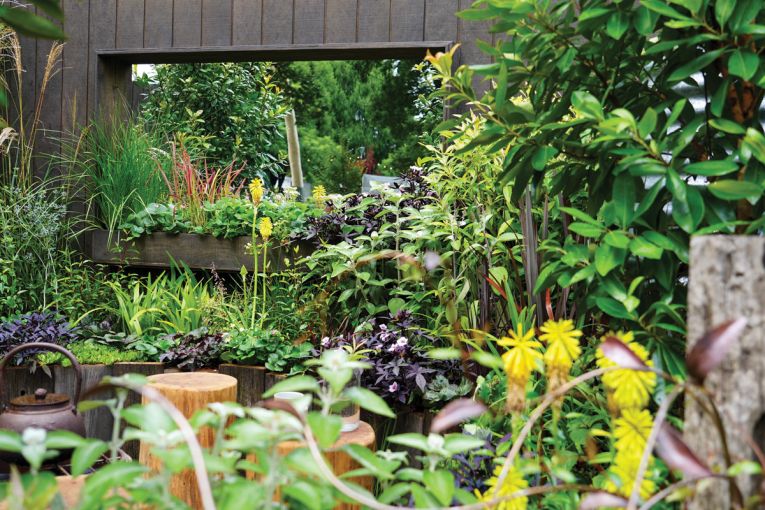
Layered with old-fashioned flowers, fragrant herbs and the occasional edible plant, cottage gardens were generous and slightly untamed.
Firm plant favourites were foxgloves and hollyhocks, creating a bright backdrop for medium-sized bushes, such as roses, lavender and Shasta daisies before daffodils, Sweet William, Cosmos and other low or spreading beauties were added.
Sweet peas climbed wooden trellises, providing vibrant spring colour and sweet scents. Among this blooming collection, it wasn’t unusual to see a rambling tomato, creeping thyme or even cabbage head popping up.
The cottage garden journey began during the Elizabethan and Tudor periods, when working folk used small plots around their homes to grow food to sustain their families, filling these modest spaces with as many seasonal edibles as possible, while adding a few pollinators attracting flowering plants to the mix.
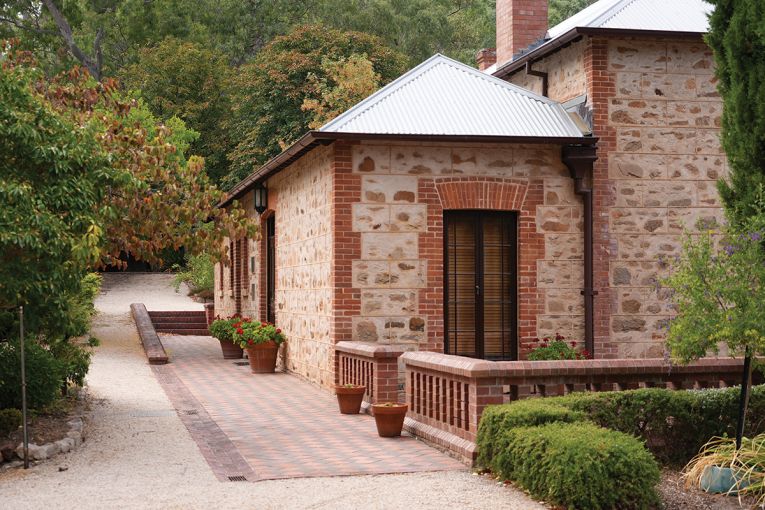
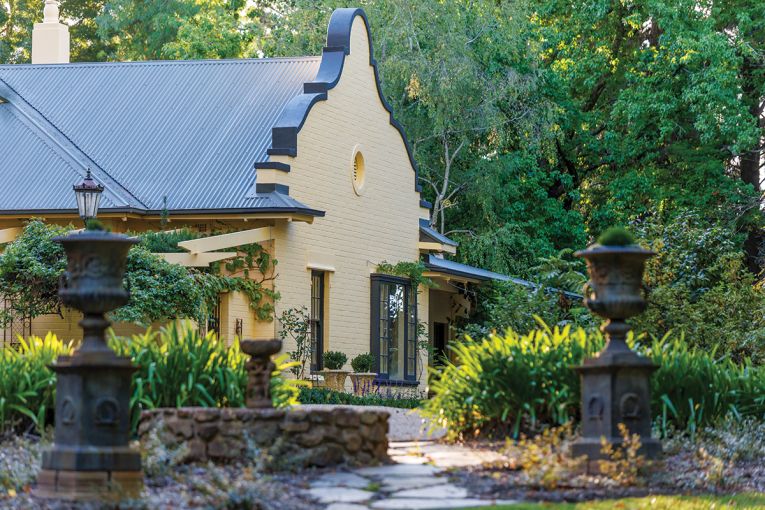
Early settlers to Adelaide brought with them this tradition, setting up small plots around their homes. As access to water was limited, crowding plants into a plot, rather than spreading them over a large area, meant it was quicker and more efficient to irrigate using their limited water supply.
Water too played a major role in the move away from cottage gardens through the 1990s and into the 2000s. The Millenium drought’s domestic water restrictions encouraged a sharp change in people’s plant choices.
Due to Adelaide’s soaring summer temperatures and uncertain winter rains, it is highly unlikely we’ll see a return of the traditional English cottage garden model, however there are plenty of positives about this garden style worth exploring to encourage a revival, albeit with a modern twist.
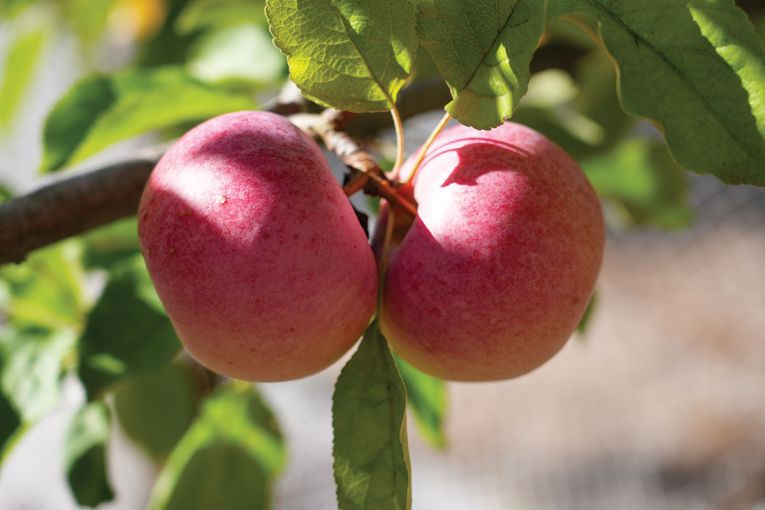
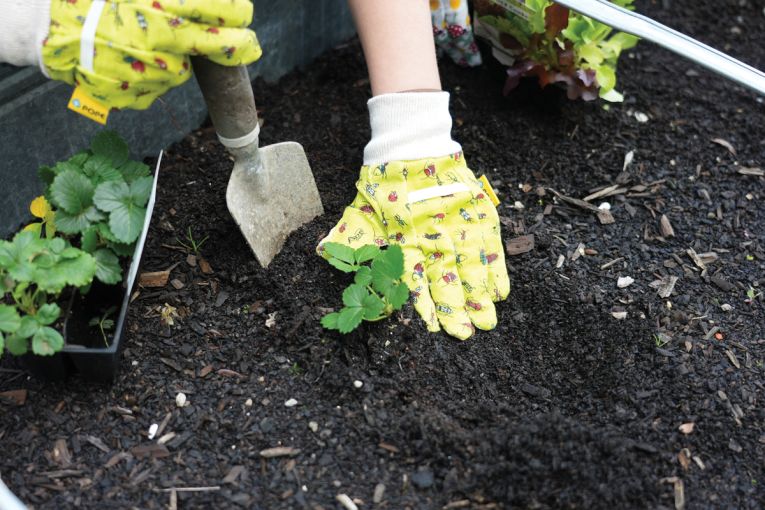
The principle of mixing edibles with flowering ornamentals is as sound now as it was in the past. Blooms encourage pollinators and given the proximity of all plants, the likelihood blossoms will be visited, pollen shared and a healthy harvest produced is extremely high.
Along with those good bugs, bad bugs also can find a way into any garden. Having an array of different plants encourages a balanced fauna ecosystem so it makes a lot of sense to consider pooling your plants – cottage style.The challenge is to find a plant palette that fits an informal, romantic cottage garden brief while also complying to the need of being hardy and water smart.
Trying to substitute larkspurs, hollyhocks, delphiniums, Sweet William and other well-loved cottage classics for more water wise, robust and modern suited plants to create a similar flower filled feel can be a challenge.
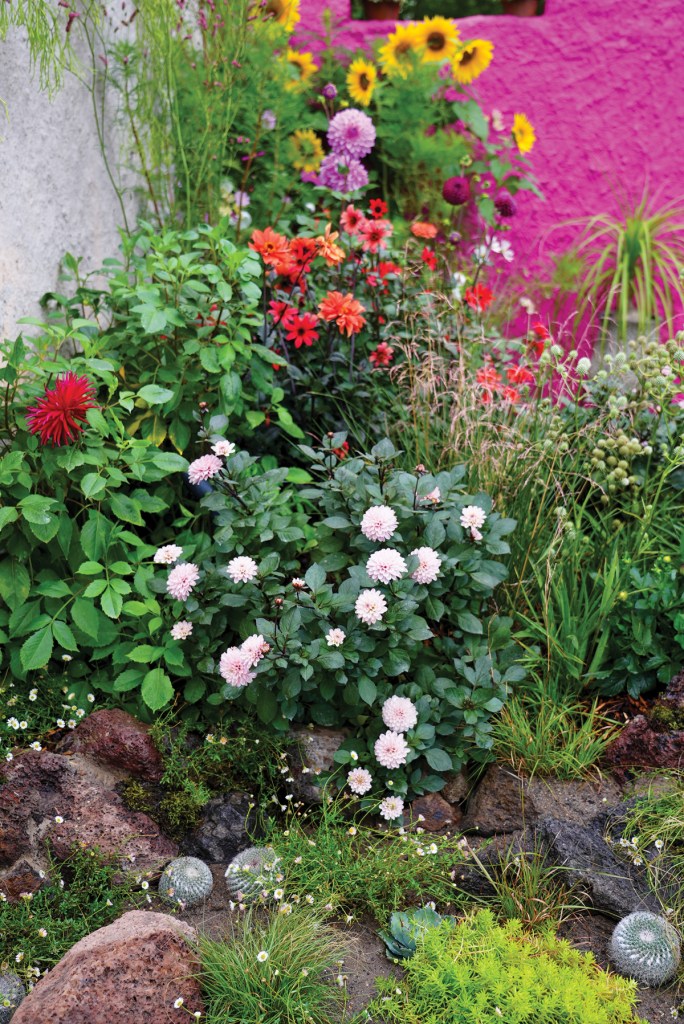
Inspired by our own Australian natives along with resilient Mediterranean beauties and a few other tough performers, here are some worthy entrants to start with that fit a modern cottage patch brief.
Correa
Available in a wide range of bloom and foliage types, the nectar-filled flowers are carried over a long period and draw in happy chirping native birds.
Grevillea
A firm garden favourite, look out for the new Kings Park’s breed range with year-round flowering. City Lights has striking reddish-orange blooms and is another bird magnet.
Callistemon
Bottlebrushes provide structure to a modern cottage garden. Place taller types at the back while grouping compact forms such as Little John in front for an eye-catching display.
Subscribe for updates
Roses
A quintessential cottage garden favourite, don’t be fooled into thinking roses are delicate. Ranges such as shrub Knock Out, ground cover Drift and bordering Zepeti provide oodles of bloom without any hassle.
Lavender
A popular inclusion across centuries of cottage gardens, lavender adds a touch of nostalgic aroma while its tufting silvery-green foliage provides welcome contrast to hues of green.
Salvia
A cottage garden staple from way back, salvias are valued for their long blooming season, drought tolerance, and ability to attract pollinators. The soft flower spikes come in a broad range of colours including cobalt blue.
Kangaroo paw
Strappy leafed and available in a dazzling array of colours and plant sizes from 50 centimetres to more than two metres tall, kangaroo paws are super hardy and can provide flowers from mid-spring to autumn and beyond.
Hardenbergia
Also known as native wisteria, Hardenbergia is a tough plant with deep-green leaves and pea-shaped clusters of flowers. While it can be grown as a climbing plant, it also makes a great groundcover.
Scaevola
Available in a range of lavender, pink or white blooms, this lush spreading perennial carries its wonderful fan-shaped flower for most of the year.
Brachyscome
Low growing and mounding, the Australian daisy is brimful with bright, fragrant, daisy-like flowers produced over nearly 12 months.
Everlasting daisy
One of Australia’s most popular annual wildflowers, also called paper daisy. Cast their seed in autumn and be rewarded with a swathe of colourful, papery flowers come spring.
As cottage gardens traditionally included edible plants, the modern version too can accommodate as much as you like.
Leafy greens make great clumping borders. Creeping thyme is a fragrant spreading groundcover that fills gaps and suppresses weeds. Add some climbing frames and let pumpkins, cucumbers and other trailing plants take off. There are no rules, have fun and let the space evolve organically.
Selecting a sunny spot that drains well is important, a space that receives at least six hours of direct sun encourages flowering. Any less than that, and plants may struggle to consistently bloom.
Digging in plenty of aged organics to the area prior to planting enriches the soil and is a springboard for quick, healthy growth. Drip irrigation reduces wastage and allows water to be directed to where it is needed most. Even with a collection of hardy plants, some maintenance will be required. Weeding and trimming are the basics, but nowhere near the scale of previous traditional versions.
The payoff for a little work will be a garden plot bursting with an eclectic mix of flowers, plant forms and essential edibles to enjoy throughout the year.
This article first appeared in the July 2026 issue of SALIFE magazine.
Want to see more stories from InDaily SA in your Google search results?
- Click here to set InDaily SA as a preferred source.
- Tick the box next to "InDaily SA". That's it.