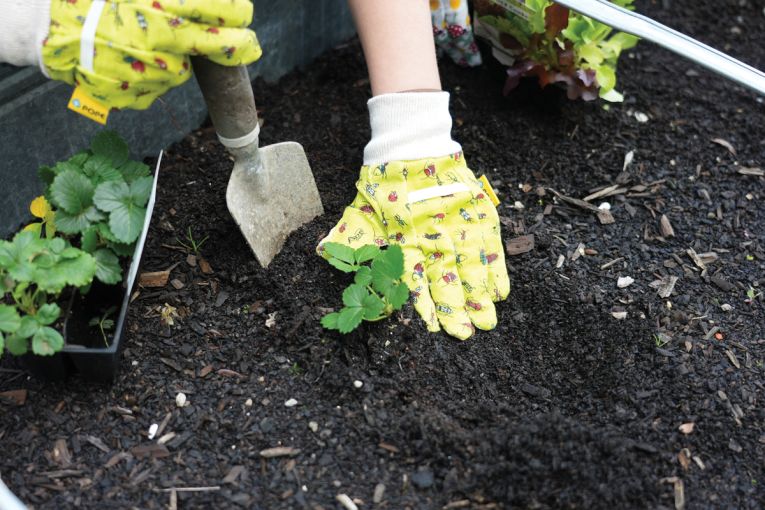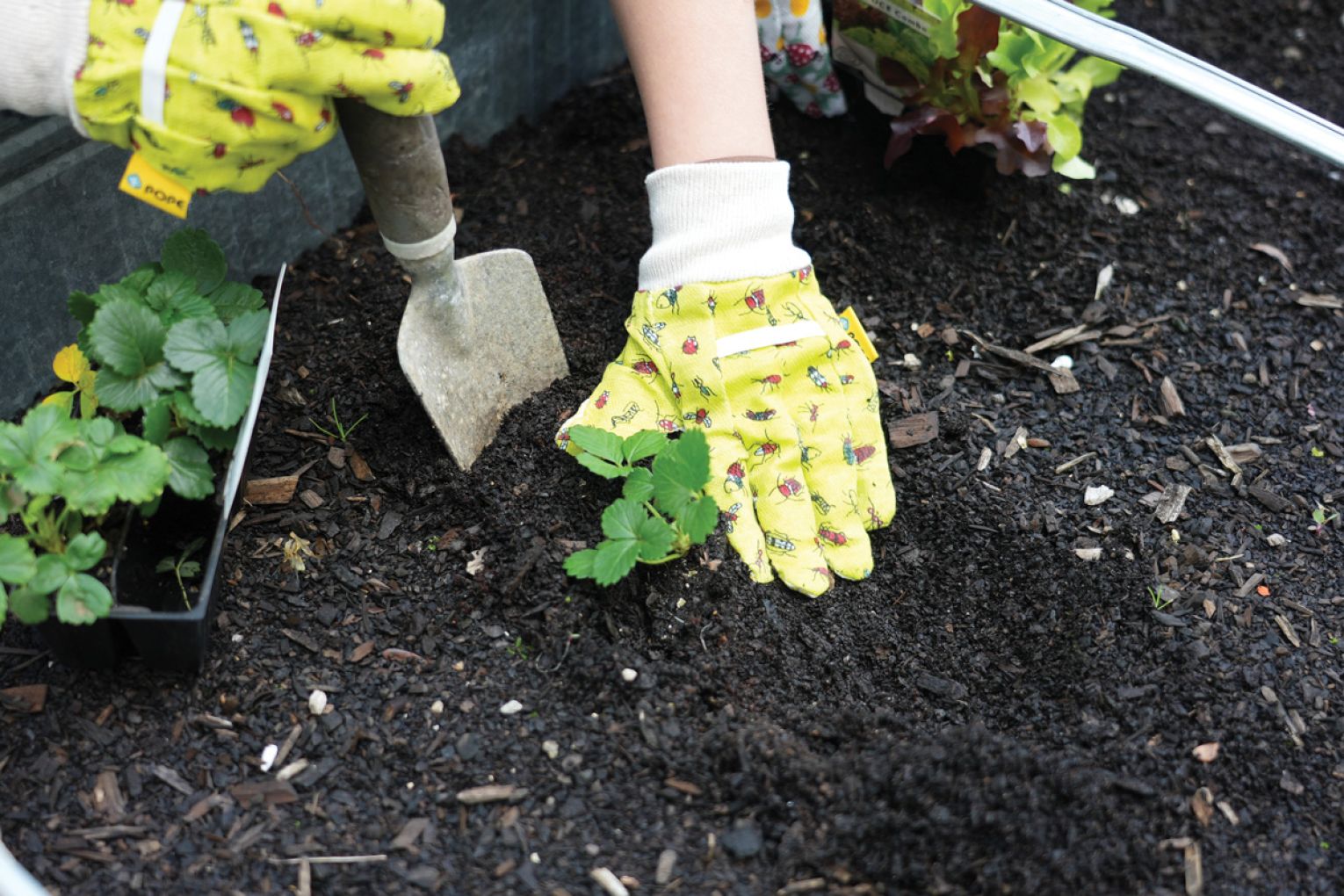
Swap the screens for shovels and soil – here are some hot tips to get little ones engaged in the garden.
In today’s digital age, parents are always on the hunt for clever ways to swap their kids’ screen time for some much-needed green time. Introducing plants into family routines offers a rewarding and fun solution.
No matter what size yard you have, be it a plot or a pot, there is always space to dedicate a garden area for your children.
Planning that outdoor area is a surefire way to have a bunch of happy and engaged kids while avoiding those age-old phrases, “I’m bored” and “There’s nothing to do!”
Set up a spot and break out the paints. Children love decorating pots, watering cans, tools, naming gloves and marking up signs to hang in their garden; it’s a great, fun activity.
Success breeds success, so if you want your kids to stay engaged with their garden space, plants need to perform. Basic elements like sunlight, soil and water are critical considerations when selecting a location. Most full sun plants do well with a minimum of six hours direct sunlight, while shade lovers should be protected to avoid leaf burn. When it comes to growing media, be it soil or premium potting mix, a pair of gloves is handy, while a mask when tipping out potting mix is advised. Locating the patch near a tap or in easy distance to a hose makes watering easier, and improves the chances plants will get a regular drink.
As for choosing what to plant, edibles are an excellent first option. Hardy herbs and vegetables that are quick to grow and harvest are best. Here are some top kid-friendly performers across a range of seasons.
You might like
Lettuce: Pickable from the first leaf (although not advised), lettuce can be planted year-round. ‘Loose leaf’ lettuces are quick growing, open and heart-less with mild and delicate flavoured leaves, harvestable after six weeks. Available in a range of colours from pale green to red and often sold as a mixed punnet or seed collections, loose leaf varieties are the easiest lettuce to grow.
Tomato: While Gross Lisse and Mighty Red are Adelaide backyard icons, cherry types are a firm kid favourite. Producing oodles of small flavour-filled fruit over summer and well into autumn, they are a magnet for little fingers eager to pick and enjoy them fresh off the bush. Tommy Toe and Sweet Bite are heavy croppers as is Tiny Tim which produces loads of sweet, cherry-sized fruit on a dwarf bush.
Sugar snap peas: Considered one of the easiest vegetables to grow, these are a must in any children’s veggie garden. Quick growing, sugar snap peas can reach up to two metres high, so plant against a fence or add a trellis, then let the vine grow and fill with loads of delicious crunchy pods. If you don’t have space for a tall support, try dwarf varieties like Sugar Bon. The more you pick, the more the plant produces – never a problem when kids are about.
Strawberry: A perennial favourite, what child can resist picking and eating a ripe strawberry? There are several strawberry types – summer cropping, everbearing and day-neutral available. As summer bearing varieties produce one large crop, everbearing and day-neutral, which have extended picking windows, may be better suited. Have a go at these long bearing varieties: Roma, San Andreas, Toscana and Fresca.
Chives: The perfect choice for any beginner gardener, chives establish quickly and are ready for cutting in four-to-six weeks. Their hollow, grass-like leaves add a delicate onion flavour to scrambled eggs and cheese scones. Ideal for growing in pots, too.
Aside from taste, plants can be chosen for the sensory elements of smell and touch. Whether it is an aromatic leaf or a furry tuft, children love exploring with their fingers and their nose.
Subscribe for updates
Mint, basil and thyme are among the easy-to-grow, volatile oil filled herbs that tick the kid-friendly box. Crushed leaves release stimulating scents that perfume the space and fingers alike. Same goes for plants like lavender and rosemary.
Stachys, aptly named lamb’s ears, is a low-maintenance ground cover whose fine white-silvery hair covered leaves mimic the soft, cushiony feel of a downy lamb’s ear. Used extensively in sensory gardens, kids cannot resist stroking these ‘pet’ plants.
Woolly bush is an Australian native that begs to be hugged thanks to its wonderful soft, velvet-like foliage. Best suited to Mediterranean climates like Adelaide’s, plant them in the ground or a large pot. Woolly bush makes a brilliant Aussie Christmas tree alternative to the traditional cut pine, just add some tinsel and baubles – another fun outdoor festive activity for the kids.
For those children with allergies, it is always best to test out new plants to assess their suitability.
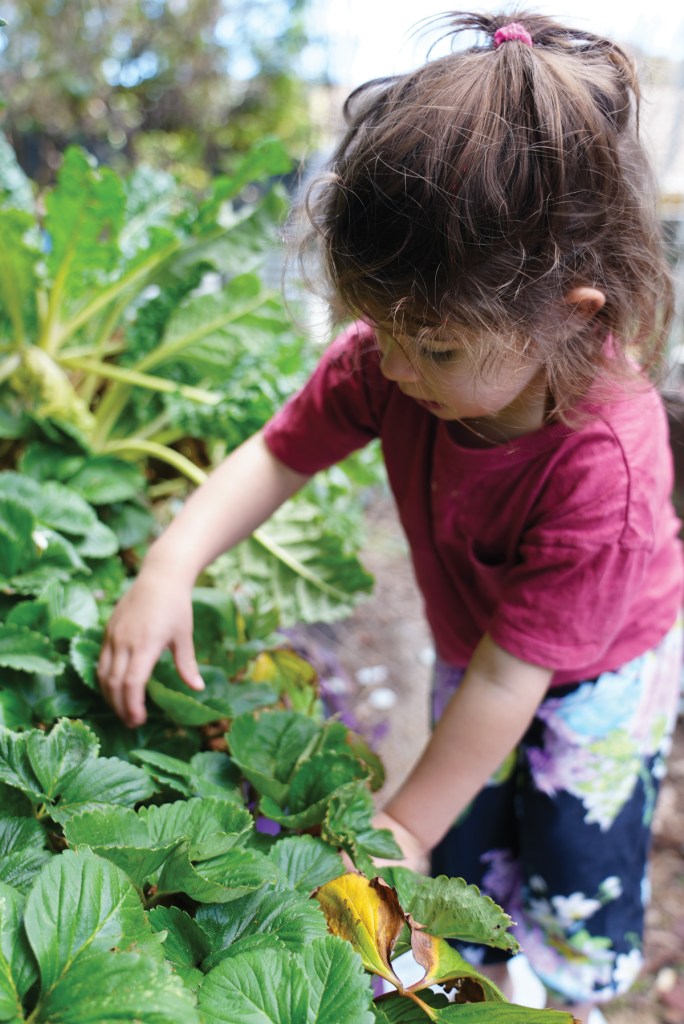
An advantage to creating a child’s special garden is the wildlife it encourages. Children are constantly fascinated by anything that wriggles, crawls or flies, so where you have greenlife, you are going to have bugs – both good and bad. Understanding which is which, is all part of the learning process. Just because something looks ugly doesn’t mean it is a baddie. The tiny alligator-like insects that appear around the yard in early spring are highly beneficial ladybird larvae that consume large quantities of aphids, mites, thrips, and mealybugs.
While snails are not popular around plants, they are central to the much-played game: snail racing. Starting with a hunt to find a few gastropods, the rules are simple: scratch out a 30cm wide circle on the ground or pavers, mark your snail’s shell with a sticker or texta, place in the middle of the circle, then watch them go. First snail to cross the outer edge wins. Spraying water on the track speeds up the game. Keeps the kids amused for ages.
Adding a selection of flowering plants, including natives, draws in birds, bees and butterflies to the garden. All this activity encourages any child to hang about outdoors, keeping a watchful eye as to what is visiting their patch.
Your garden shed is the best place to start when setting up your child’s growing space. Grab the implements, let them help to dig in organic matter and rake over the ground. If you need smaller gloves or kid-sized tools, the local garden centre is a wonderful place to visit. While there, spend some time with the children looking over the seed stand, there are loads of interesting edibles and ornamentals you won’t find on the seedling racks. Growing from seed adds yet another dimension to their garden journey. The look of wonder as a small flat seed, planted in a pot, magically sends up shoots, is priceless.
As much as creating a child’s own garden is important for their developing love of nature, parents too continue to play an important role. Spending time with your kids in their patch, hearing what is growing well, which bugs they have found and what they plan to plant next, is a true delight and all part of fostering that green time connection.
This article first appeared in the June 2026 print issue of SALIFE Magazine.
Want to see more stories from InDaily SA in your Google search results?
- Click here to set InDaily SA as a preferred source.
- Tick the box next to "InDaily SA". That's it.