Nestled in the heart of Belair National Park, Old Government House stands as an oft-forgotten gracious reminder of South Australia’s colonial past that we all need to visit, writes Kim Syrus.
South Australia was going through a period of rapid growth and development in 1860, when Old Government House – formerly Government Farmhouse – was built as the summer residence for Sir Richard MacDonnell, the fifth governor of South Australia.
MacDonnell’s vision was to create a retreat from the heat and hustle of Adelaide, providing a cool sanctuary where official business and family gatherings could unfold amidst nature.
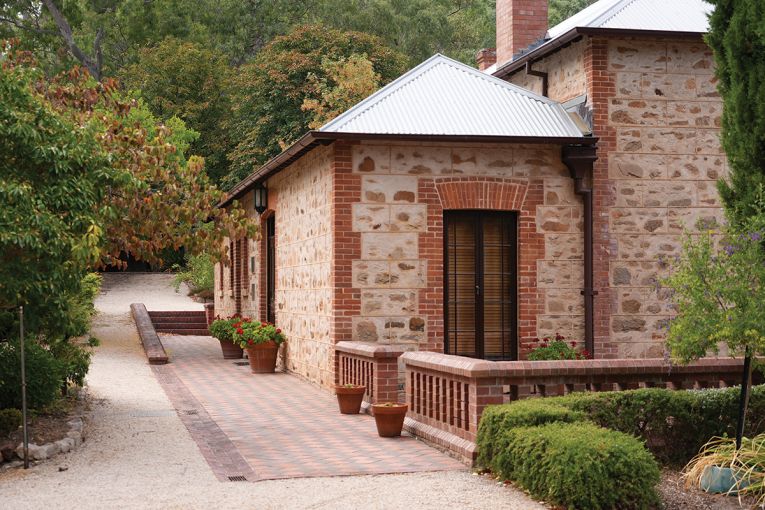
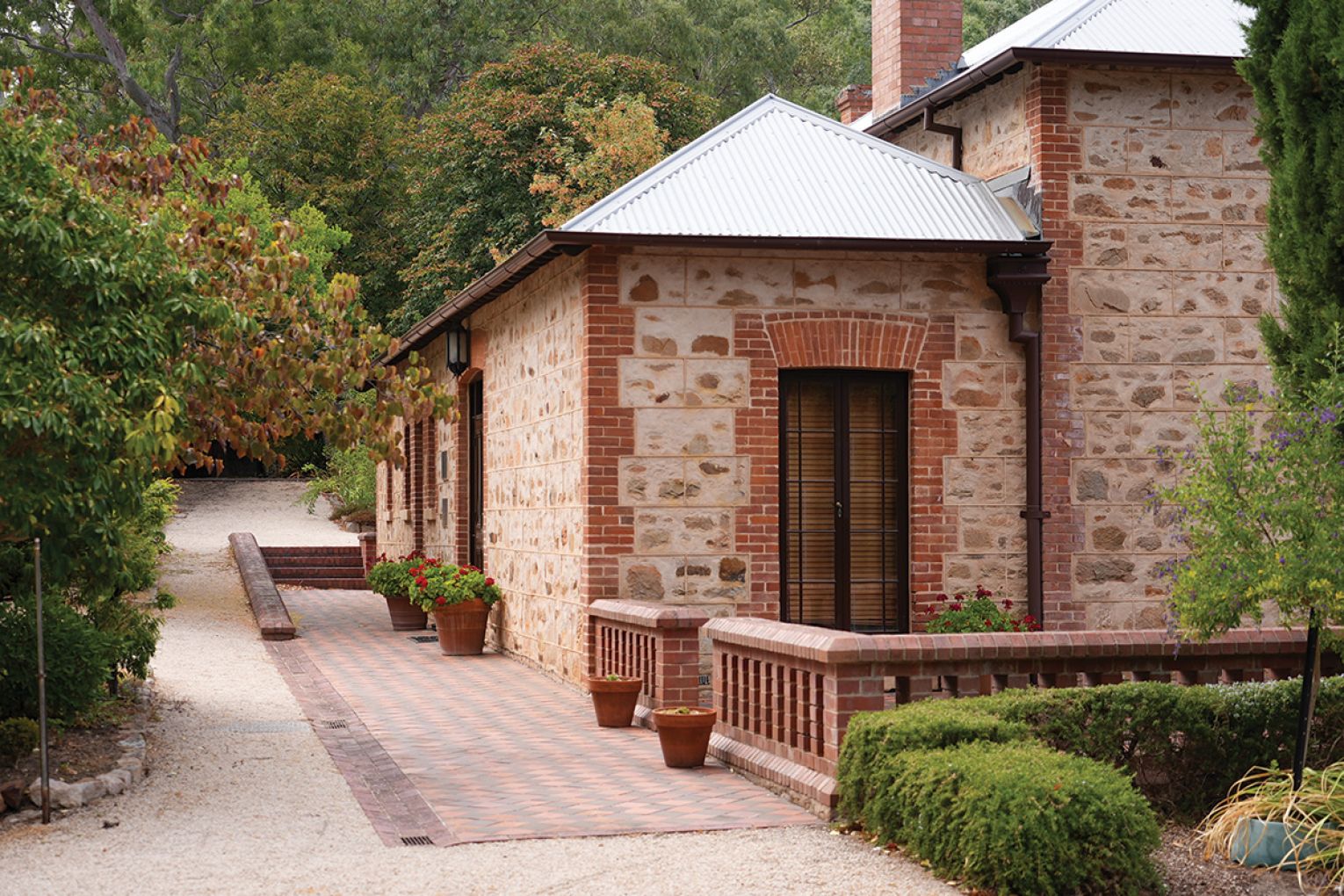
Using local sandstone, stringy bark roof shingles and quarried Willunga slate, this historic home embodies the architectural elegance of the era, with its classic colonial style, distinctive red-brick quoins and high ceilings. It even featured what is believed to be the first indoor plunge pool in South Australia, a remarkable luxury for its time.
By 1880, the needs of the colony had shifted, and Old Government House was deemed too small and outdated for the growing demands of South Australia’s government. Marble Hall, with its grander design and modern amenities, was constructed to replace the old summer residence.
Old Government House has seen many changes over the decades, it even served as a rabbit poison factory. Amid the rabbit plague that swept through Australia at the end of the 19th century, the grand old mansion was pressed into service, mixing concoctions aimed at saving the countryside from ecological disaster.
Now overseen by the Department for Environment and Water, this meticulously renovated State Heritage building and its accompanying servants’ quarters provides visitors a rare opportunity to wander through the period furnished rooms for a glimpse at well-to-do colonial living.
You might like
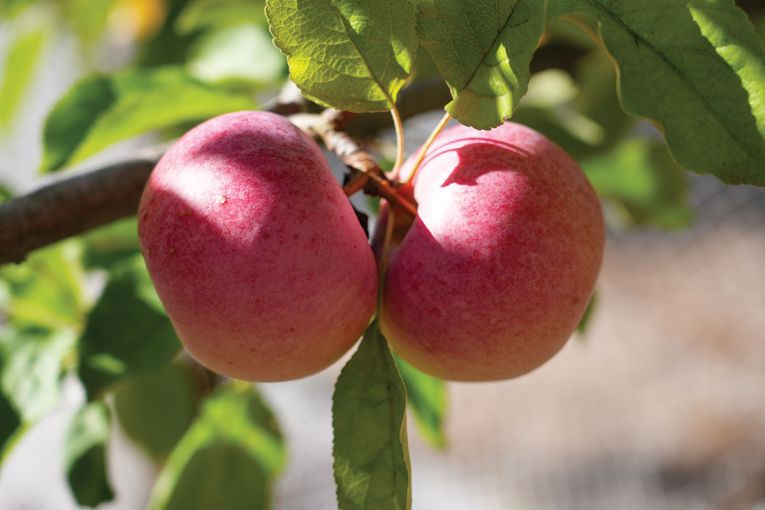
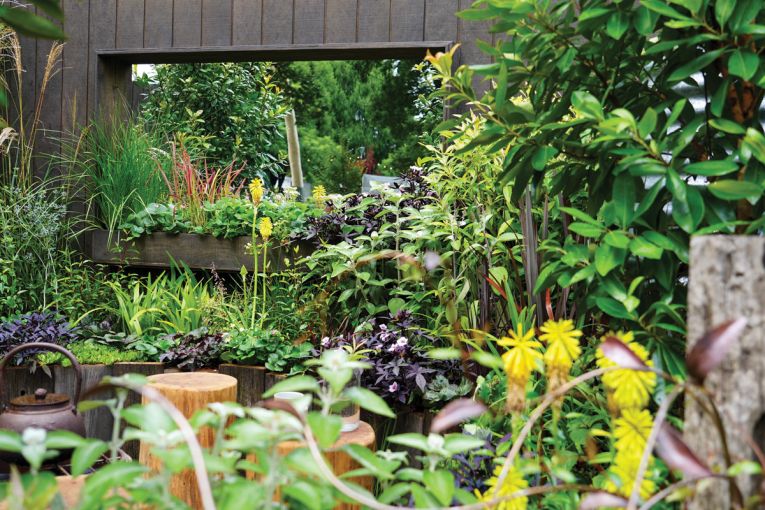
As much as the house has an interesting history, so too do the gardens. The land around Old Government House was originally planted out with several species of English and European trees to create a pleasant, wooded area.
Through those early years, the garden was used as a trial ground for northern hemisphere exotic plants to assess their ornamental and commercial potential in a harsh South Australian climate. Cork oak seedlings were planted in an effort to support the developing wine industry with two surviving for more than 100 years.
After a devastating bushfire in February 1877, the garden was decimated, abandoned and left fallow until the early 1900s when father and son, Bill and Jack Canny took over Old Government House and renamed it The Rest.
This horticulturally talented duo set about transforming the space, planting out a range of large trees to showcase and promote to the ever-increasing city population what could be grown in a substantial Adelaide yard – the remaining two towering Bunya-Bunya pines are a living legacy of that venture. The Cannys also developed vegetable patches and ornamental gardens filled with lilac, camellias, azaleas, hydrangeas, unusual perennials and bulbs.
The passage of time saw the departure of Jack Canny and his garden, however his plant lists were retained and inspired a re-establishment of the grounds in the late 1970s.
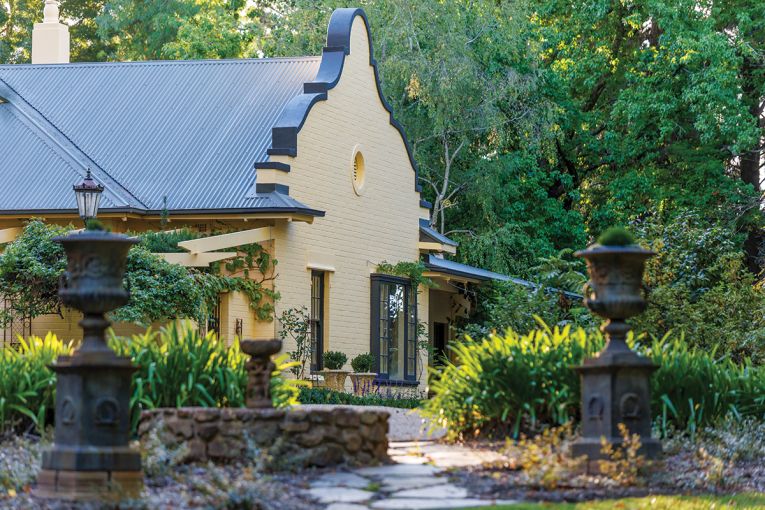
Its current mid-Victorian Anglo-Italianate style is compatible with the more lavish version of the house. This style was a deliberate reaction against the 18th century “naturalistic” English landscape approach, favouring instead gardens divided into geometric, orderly, and symmetrical shapes, fusing formal Italian Renaissance principles with the Victorian passion for exotic, meticulously managed plant collections.
Subscribe for updates
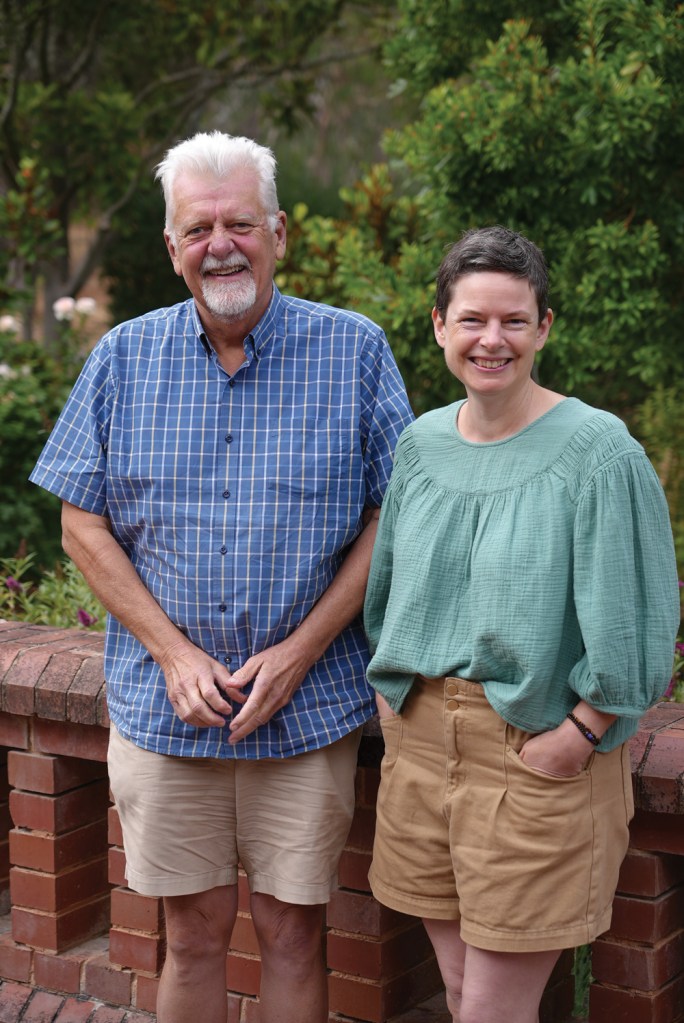
The volunteer group, Friends of Old Government House, set up in 1983, is the lifeblood of both house and garden. Founded by locals who saw the need to preserve this rare piece of history, the organisation boasts around 35 active volunteers, running everything from guided house tours, events, and garden work programs. Their collective efforts have restored, revived, and reimagined every corner of the property.
Follow the meandering white gravel paths around the grounds, there is plenty to see and enjoy. Heritage roses feature prominently throughout the updated garden, providing colour and fragrance, raised beds full of perennials add oodles of interest, along with hardy Mediterranean water wise species.
“The plant palette is driven by exotics,” says John Sandham, who recently retired from the Adelaide Botanic Garden. “Apart from the Bunyan pines and native frangipani, we have kept true to the roots of a colonial Victorian garden.”
Wonderful specimen plants are dotted throughout the grounds including the striking silk tassel bush (Garrya elliptica). Native to the coastal regions of California and Oregon this tough, drought tolerant beauty is an evergreen shrub or small tree, prized for its long, dramatic, grey-green catkins that bloom in winter and early spring.
“We face the same issues as those who gardened before us, a harsh summer climate and scarcity of water. The fact we have such an expansive and vibrant garden here is entirely due to our extremely talented and passionate team,” John says.
The Friends manage the day-to-day tasks and open Old Government House and grounds to the public. It is also a sought-after venue, running a host of events including weddings, funerals and christenings.
“Our wedding lawn, bordered with almost everblooming iceberg roses, is very popular for nuptials and other events,” says secretary of the group, Jenny Thomson.
Old Government House and grounds are open monthly from 1pm to 4pm on the first and third Sunday of each month, as well as some public holidays.
Visitors can book a tour and even tea and scones in the renovated coach house.
This article first appeared in the April 2026 issue of SALIFE magazine.
Want to see more stories from InDaily SA in your Google search results?
- Click here to set InDaily SA as a preferred source.
- Tick the box next to "InDaily SA". That's it.