Act now or pay forever: Australia’s escalating biosecurity crisis
Australia spends at least $25 billion every year dealing with invasive species and the damages they cause. But the biosecurity threats and environmental risks facing us are growing faster than we can respond to them. We need an urgent overhaul or risk our country being even more exposed over the next few decades than we were even a few years ago.
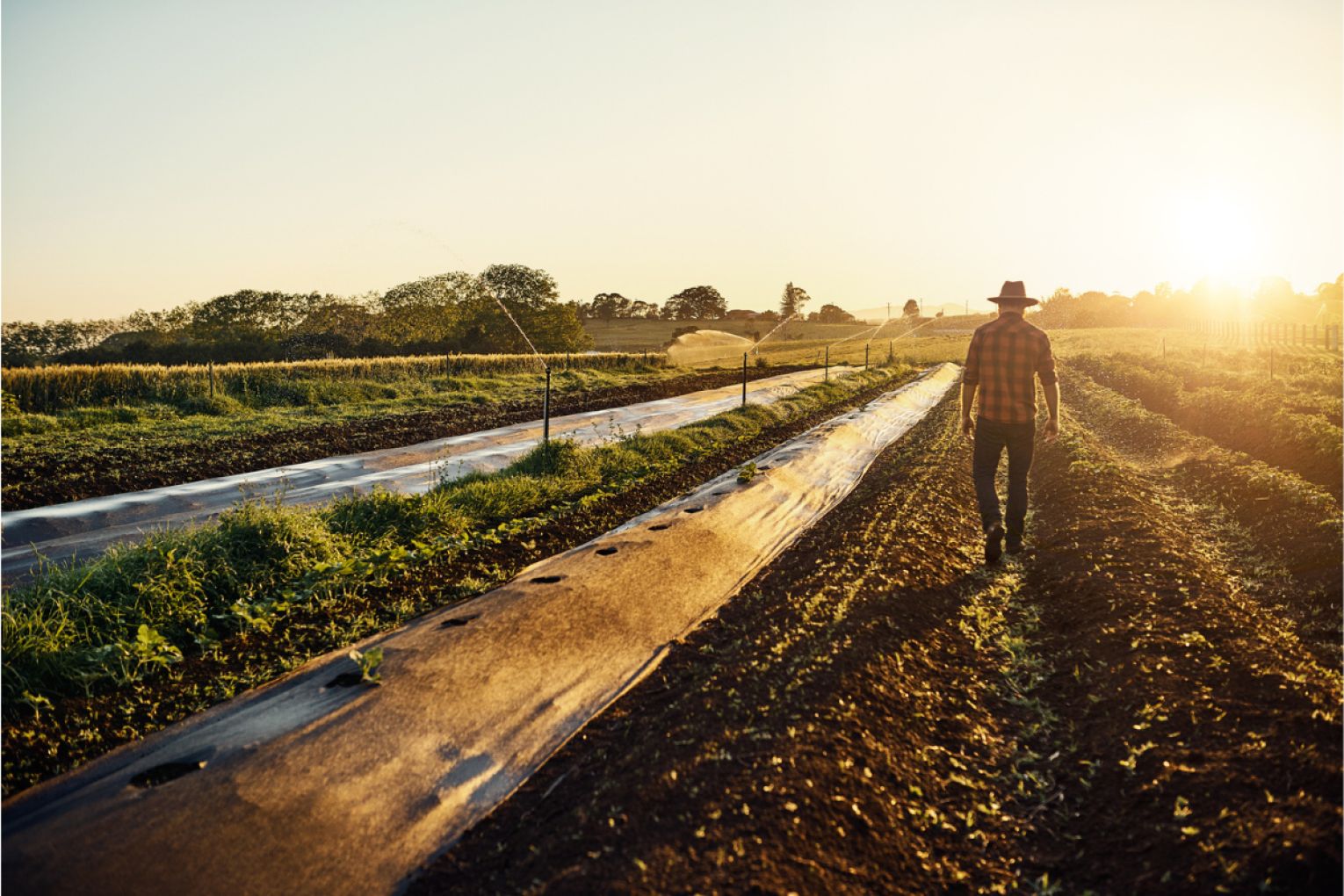
Imagine a future where our farmland is so overrun with pests and noxious weeds that farmers can’t produce crops to supply domestic and trade food demand. Supermarket shelves would sit bare and we’d have little to sell to overseas markets.
Or picture a future where Australia’s unique environment that today brings millions of tourists to our shores every year was so damaged that visitors stayed away.
Either scenario alone would cripple our economy, let alone both acting in unison.
This dark future could be the reality if Australia doesn’t improve how we handle our biosecurity to keep our country safe.
Currently, we spend at least $25 billion every year dealing with invasive species alone and the damage they cause. And this estimate doesn’t include what we already spend across the entire biosecurity sector.
In 2021 alone more than $250 billion worth of Australian assets, such as agriculture, forestry and seafood, were at risk from biosecurity threats – representing around 12 per cent of Australia’s entire economy that year. And that figure doesn’t even count the priceless value of our natural environment.
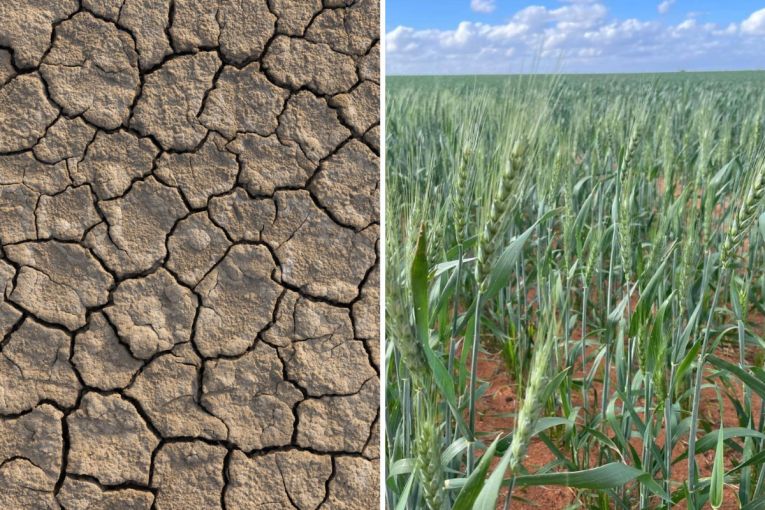
Despite those figures, the environmental risks to Australia are growing faster than we can respond to them. Even with what is arguably the most responsive, efficient and well-funded biosecurity system compared to every other country in the world, the truth is that we will be left more exposed in the 2030s than we were a decade ago.
The risks facing us are vast and hugely destructive, including livestock disease such as foot-and-mouth virus and the Asian tiger mosquito, Aedes albipictus, that is a major spreader of human diseases such as dengue, Zika and chikungunya – to name a few.
These new dangers are coming at us from all sorts of places. Changing weather patterns are bringing more pests, diseases and invasive creatures closer to Australia, and with more people and goods moving around the world, it’s easier than ever for these unwanted threats to find their way here and establish. Destruction of landscapes is also eroding the strength of our natural ecosystems to ward off invaders.
To date, our stringent regulation has been world-class in protecting our unique plants, animals and ecosystems. Beyond that, our sophisticated approaches have also enabled the production of high-quality foods, given us access to huge export markets, helped our tourism industry flourish, supported Australia’s trusted international reputation with trading partners, and protected our health and wellbeing.

If we didn’t already have such rigid controls, we would put ourselves at even greater risk of damaging animal pests, weeds and diseases entering, emerging, establishing and spreading in our country. Once these viruses or pests establish, it can be near impossible to remove them.
From the disastrous introduction and unrelenting spread of cane toads no matter what we do, to the daunting scale of Australia-wide population of millions of feral cats pushing Australia to the number one spot in the world for mammal extinctions, to the emerging threats to our honeybee industry from the now well-established and spreading population of Varroa destructor mites attacking our hives, we have not just a duty, but our entire economic and environmental integrity depend heavily on the successes of our biosecurity system.
Being the best still isn’t good enough. We need to do more and be smarter with our resources to keep the new threats at bay.
Australia therefore needs a biosecurity transformation, one that will address the lack of data, planning tools and coordination between states and groups. If we can address these shortcomings, we can respond more effectively.
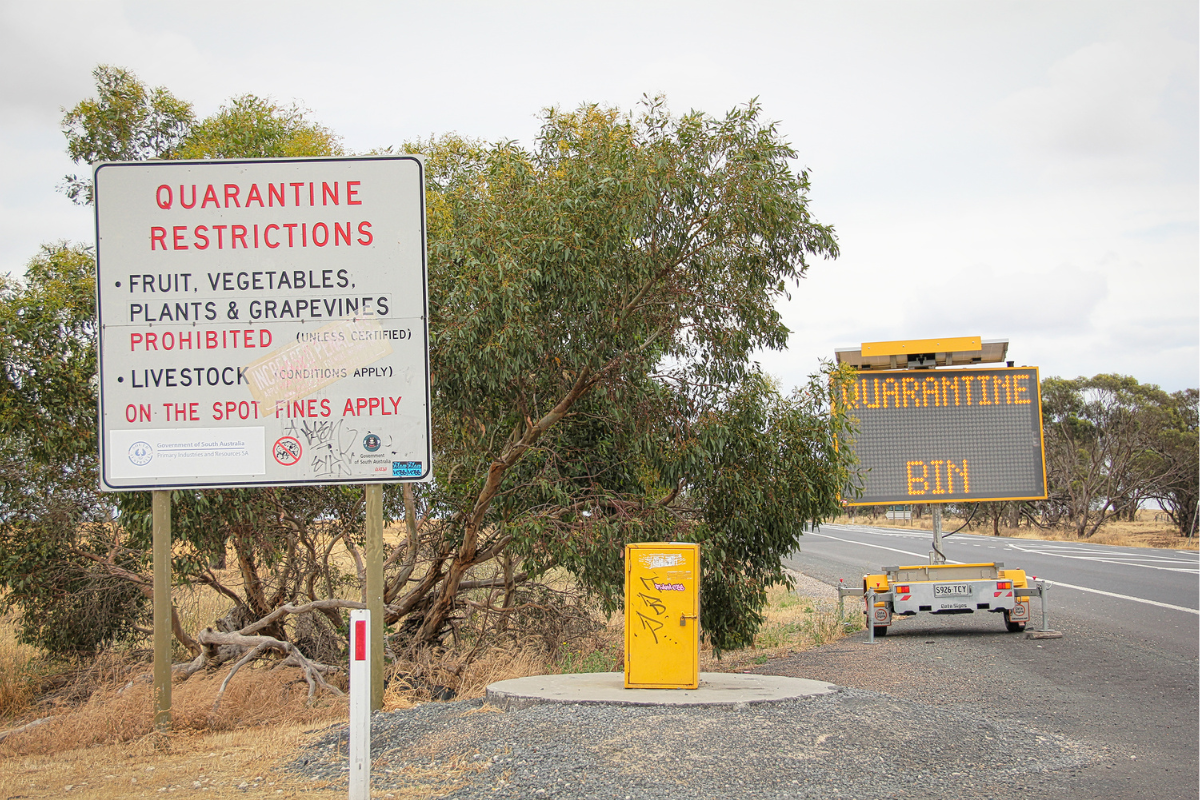
A new way forward
Currently, our biosecurity system is mostly reactive – it’s built around detection followed by intervention. But we can transform our system to one that anticipates threats and is more unified in its approach.
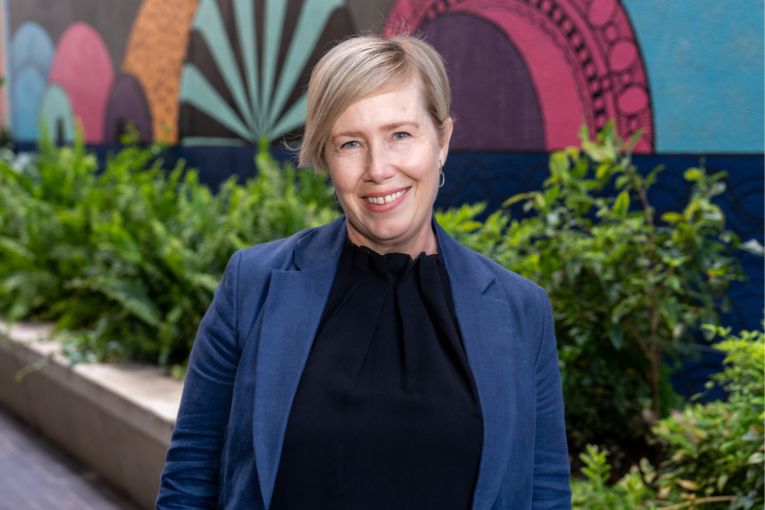
At Flinders University, change is already happening. I’m leading the new Australian Biosecurity Alliance to bring together experts from different fields such as climate science, animal and plant health, economics and ecological restoration to find smarter, more proactive ways to keep Australia safe.
Working closely with governments, industry, communities and Indigenous groups, the alliance aims to make South Australia a leader in biosecurity innovation. It also focuses on training and educating people so that our farmers, regional communities and industries are better prepared for future biosecurity challenges, creating a stronger and more resilient Australia.
As we work towards transforming our approach, there are four main areas on which we need to focus:
- Prevention: Instead of just protecting our borders, we need to start spotting and understanding dangerous pathogens and pests in their home countries, before they ever get close to Australia.
- Unification: Right now, the different biosecurity agencies that look after people, animals, plants and the environment are all siloed. Instead, we need them to work together as one national team, using the same systems and sharing information and resources so decisions are made in a co-ordinated way.
- Inclusion: Instead of biosecurity being handled only by the government, we need everyone involved: from businesses to landowners, Indigenous ranger groups, and everyday Australians so we can all play an active part in protecting our country.
- Technology: We must adopt and use new tools and technologies to make things smarter and easier, like setting up networks of cameras, using genetic testing, having automated systems that spot problems right away, and pulling together information from different sources so the land itself helps us find threats. All these tools should consider things like how suitable our climate is for invasive species, how they might travel here, how likely we are to spot them and what damages they could cause if they spread.
At Flinders, we have been working on new computer systems that can learn and make decisions. By developing smarter AI tools, we can quickly analyse the complex mix of environmental, economic and climate factors to make better biosecurity choices.
But none of this can happen through policy change alone; these changes happen through sustained, co-ordinated research programs, education, capacity development and system re-design. By embracing this collective approach, we can build a stronger, smarter biosecurity system that safeguards our unique environment and ensures a thriving, resilient Australia for generations to come.
Find out more about Flinders Research That Matters. Changing 10 million lives, here.
Want to see more stories from InDaily SA in your Google search results?
- Click here to set InDaily SA as a preferred source.
- Tick the box next to "InDaily SA". That's it.