‘They are their pipeline’: SA children next market for technology companies
A new report was released today into how young South Australians are dealing with the social media age ban by the Commissioner for Children and Young People. These are her thoughts.
Today, my office released a report on how young South Australians have experienced implementation of the Australian Government’s social media minimum age legislation.
There has been ample focus on the ban’s effectiveness and whether technology companies are complying. What we hear less about is the impact on young people and what they want to see happen.
Our report draws on two surveys and a focus group involving 584 young people. Their experiences reveal a complex and varied picture. Most respondents to the second survey reported little or no change to their daily routines. Among previous social media users, 41 per cent lost access to some or all their accounts.
Of those who lost access, 13 per cent reported spending less time on social media but 37 per cent described a negative impact on their wellbeing, compared with 11 per cent of those who retained access.
Their experiences do not provide one simple answer, which is precisely why they matter.
Protection without exclusion. Participation without exploitation.
You might like


Children and young people have a right to engage with digital platforms that protect their privacy and support safe participation without exploitation. These requirements need to be embedded into design, not applied after harm has occurred. Delaying access is an important step, but we need to demand more.
This is a matter of rights and shared responsibility. Parents have a role. Platforms have a responsibility. Governments have a duty to enforce accountability. Children and young people are directly impacted and should be involved at the design phase.
Children are the next market for technology companies: they are their pipeline. Platforms are engineered to capture attention, influence behaviour and extract data. But young people cannot be seen only as vulnerable recipients of technology.
The hope is that tighter age verification will make delayed access an accepted part of growing up for future cohorts. For young people who already had accounts, however, inconsistent compliance risks widening the gap between “us and them.” Some have lost access while friends continue using the same platforms.
As legislators, regulators and parents, we need to find ways to get on the same side as young people so that, together, we can tackle the root causes of social media harm and deal with other emerging technological changes. The first step is hearing what they are saying.
In their experience, social media, technology and artificial intelligence is not all bad. It can disconnect, disrupt and cause damage. It can also be constructive, promote creativity and connect people. For young people who feel isolated and marginalised, technology can be a lifeline to others with similar experiences.
Stay informed, daily
Until we recognise that both things can be true, we prevent young people from being part of the solution.
The possibility of influence is essential for meaningful participation.
I noticed a real change in the energy amongst young people we consulted in Whyalla when we moved from discussing the social media ban to inviting their ideas for improving online platforms. They recognised concerns about phone use, cyberbullying and mental health, and understand how algorithms drive addictive and repetitive scrolling – noting this is a challenge for all of us.
Young people want people misusing platforms held accountable. They propose stronger filters, safer messaging, protection from unwanted contact and time limits supported by parents. They also want free, welcoming places to connect both online and in person.
As we confront the next generation of challenges, including artificial intelligence, we need children and young people to be at the forefront of decisions. Their involvement should begin early and continue through design, implementation and evaluation, including through South Australia’s Royal Commission into Artificial Intelligence.
Meaningful participation does not mean every suggestion must be adopted or handing responsibility for difficult decisions to children. Adults and governments remain accountable. It means explaining what is open to influence, taking contributions seriously and showing how they affected the result.
Children and young people have a right to contribute to decisions affecting their lives, and they hold knowledge that adults do not. They are born into online worlds, where technology is an embedded part of their lives not just an ‘add-on.’ Their insights will help us design policies and services that are safer, fairer and more effective.
Being heard also helps create the conditions for hope. Hope grows through agency: the experience of being trusted, taken seriously and knowing you can make a difference.
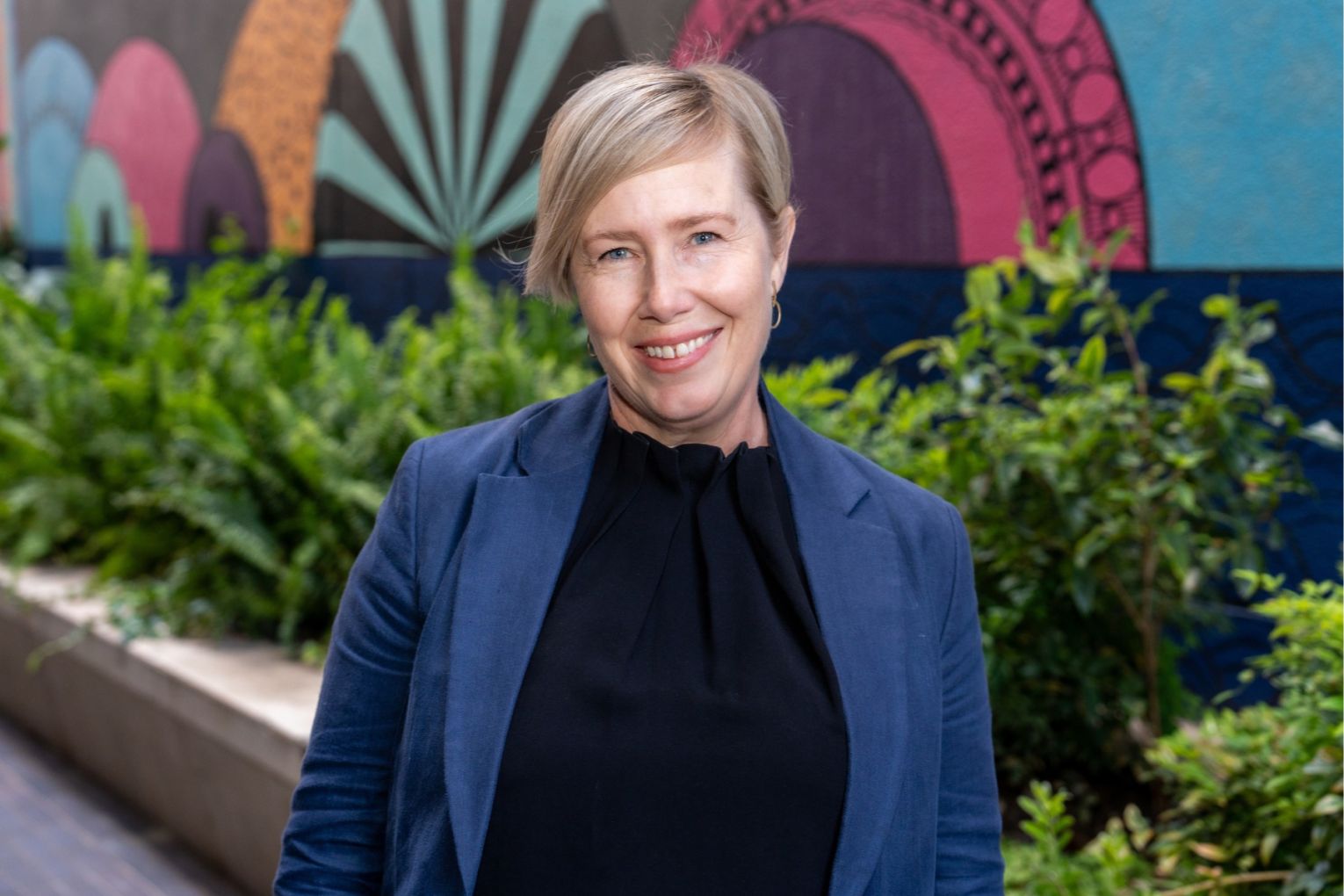
Dr Kylie Heneker is the Commissioner for Children and Young People South Australia
Want to see more stories from InDaily SA in your Google search results?
- Click here to set InDaily SA as a preferred source.
- Tick the box next to "InDaily SA". That's it.