‘Depressed, lonely and trapped’: New SA report reveals what kids really think of social media ban
Hundreds of young South Australians report feeling ‘left out’ after losing access to social media, a new study released today revealing the apps they are flocking to instead.
Young people who lost access to social media feel less connected, “alone and left out,” while many of their peers are still online, according to a new report from SA’s Commissioner for Children and Young People.
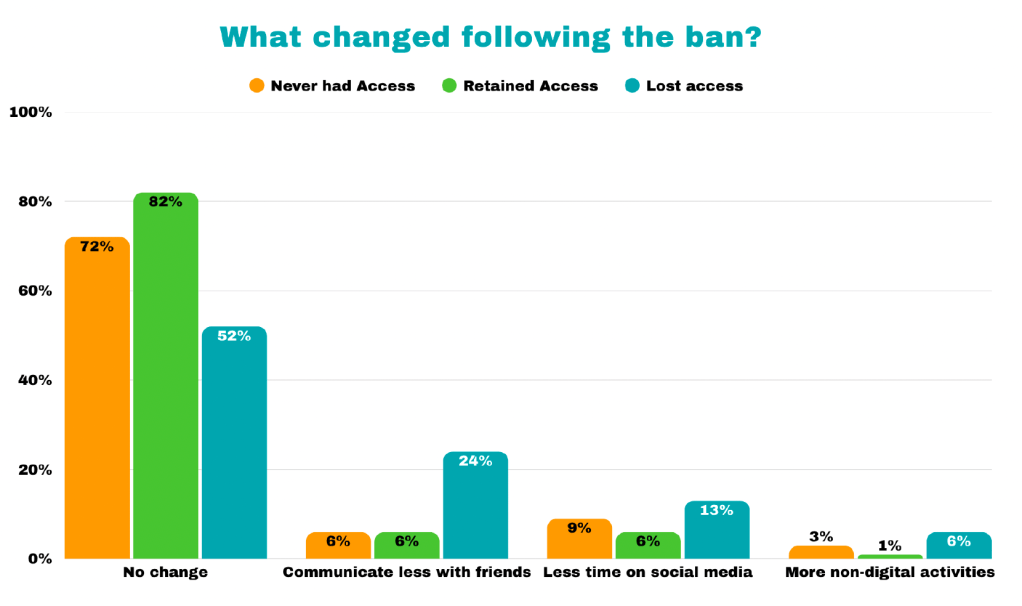
The report, released today, found almost half of the 534 young people surveyed are still online and did not lose access when Australia’s world-leading social media ban came into effect in December 2025.
Its social media restrictions require digital platforms, including YouTube, Facebook, Snapchat, Reddit and TikTok, to verify users’ ages and close accounts for those younger than 16 to protect them from online harms and reduce mental health risks associated with excessive screen time.
The new report found six key priorities young people want to see happen next. The first was to make the ban “fair,” and the second was to “ensure we can still communicate with friends,” after hearing that friend groups had split when some lost access and others did not.
“I have felt quite alone and left out from most of my friends who are 16 and can still communicate,” one survey participant said.
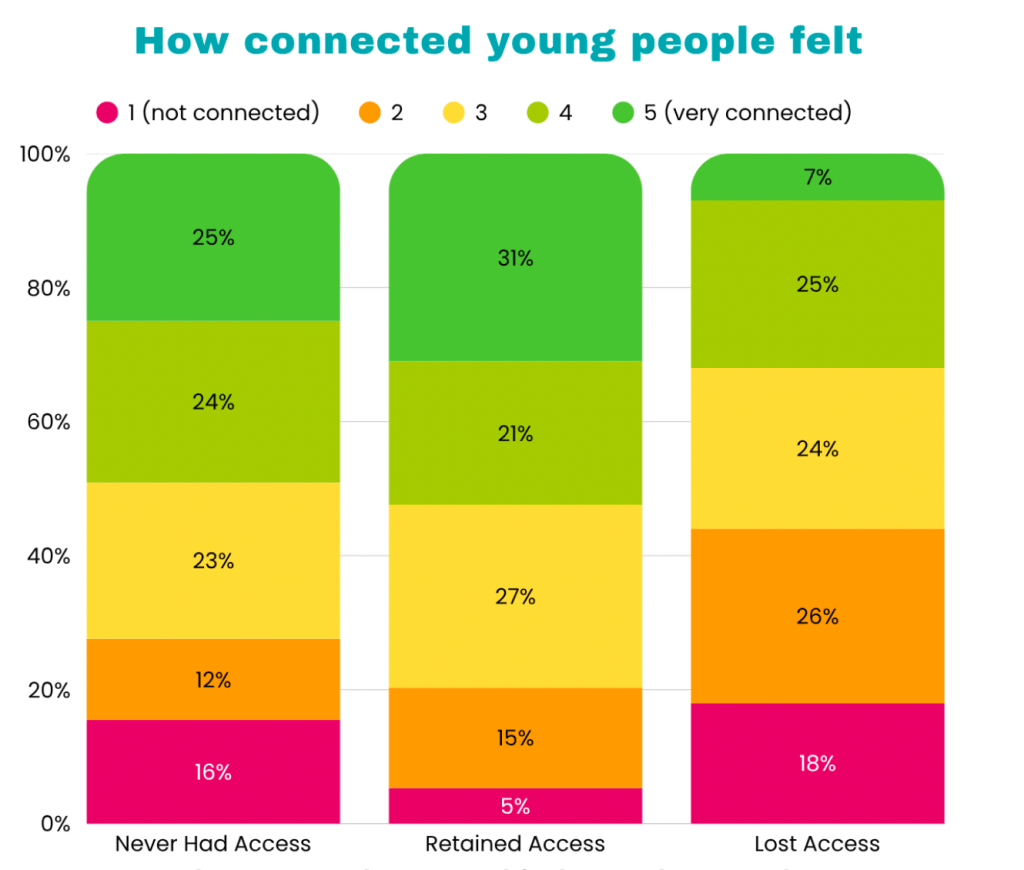
Ten per cent of participants said they found “workarounds” to the ban, while 41 per cent lost access to some or all social media accounts.
You might like
The ones who lost out were the hardest hit, reporting feelings of sadness, with 37 per cent saying there was a negative impact on their wellbeing.
“It has made me depressed, lonely and trapped,” one survey participant said.
Another said it made them feel “bad, bad, bad, it’s like crashing into a hole with no way out”.
Premier Peter Malinauskas led the charge on introducing a social media ban for children under 16 years and countries around the world have since followed suit.
Children surveyed ranged from 11 to 17, with some saying they felt disconnected from friends, it was harder to make plans, or that they would instead use “other apps that haven’t been banned”.
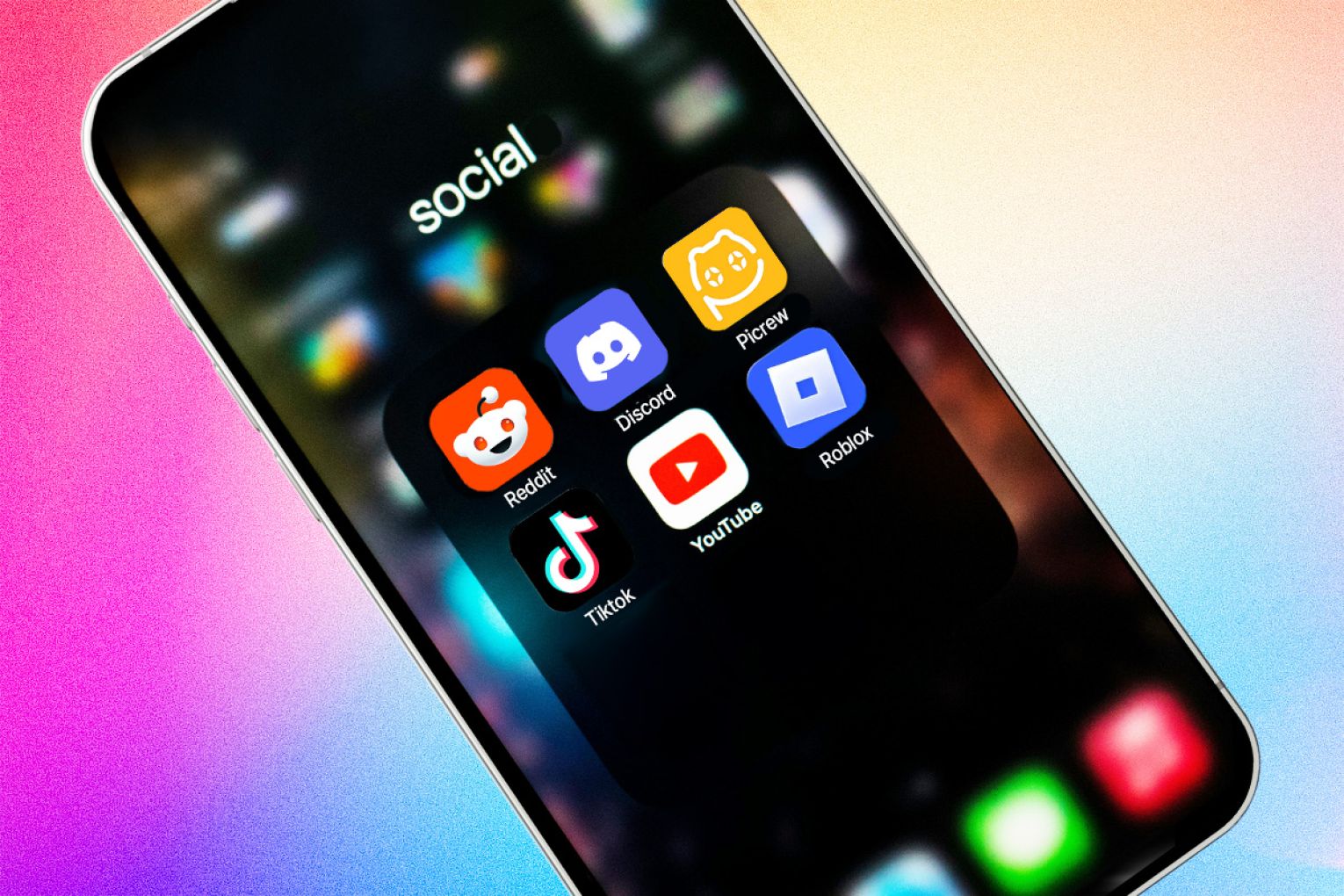
“I feel like I just spend more time playing more useless games or websites (Roblox, TikTok, Picrew),” one participant said.
The study found social media may be more important for connection in groups of young people that face barriers to in-person socialising, including young people with a disability, or who identify as LGBTQIA+.
“As an autistic individual, I struggle to connect with people; I can’t just ‘go out’, social media helps me to connect,” said one survey respondent.
Stay informed, daily
One in five respondents said they were finding other ways to connect online, including gaming.
Another said, “I am still on my phone most of the time”, while others reported, “no change I just don’t really know what’s going on in the world that much”.
Four per cent of people who lost access to social media felt positive three months after the ban, with one comment saying “I have been much more active which has made me more happier”.
SA Commissioner for Children and Young People Dr Kylie Heneker said children and young people were “in the eye of the storm” of these new reforms and should be included as the ban continues to develop and in other technology reform like SA’s Royal Commission into AI.
“Safety and connection are not competing priorities. Young people need safe places to connect online and offline, and they should help shape what comes next,” Heneker said.
“One of the clearest messages from this work is that young people have thoughtful, practical ideas about how to make their online and offline worlds safer.”
The report followed Prime Minister Anthony Albanese’s June announcement that the ban would be strengthened to address potential legal challenges and improve the online watchdog’s powers.
Heneker said she had shared the report with the state and federal governments and eSafety Commissioner, which included recommendations like making platforms safer by removing harmful features, providing more online safety education and providing free in-person ways to meet offline.
A participant from a focus group at Whyalla Secondary College that was part of the study said: “I want adults to know I know how to be safe online”.
“I think instead they should ban randoms from texting/commenting to you,” the participant said.
Want to see more stories from InDaily SA in your Google search results?
- Click here to set InDaily SA as a preferred source.
- Tick the box next to "InDaily SA". That's it.