‘Why didn’t you stop him dying? You’re supposed to be the suicide prevention expert’
One SA mental health chief shares the impact of a text message received after he lost a friend to suicide. Today is International Men’s Day.
“Why didn’t you stop him dying? You’re supposed to be the suicide prevention expert.”
Some time ago, I lost a friend to suicide. While navigating my own grief, I received this text message that has never left me.
Those words hurt.
I questioned myself. What had I missed? Could I have done more? Why hadn’t I recognised his distress?
But another thought stayed with me.
In what world is it acceptable to send that message to someone who has just lost a friend?
At that moment, I wasn’t a CEO, an advocate or someone working in suicide prevention. I was simply a grieving friend.
Expertise doesn’t make us immune to grief. Nor does it give us the ability to prevent every tragedy. We need to be careful about the expectations we place on people who dedicate their lives to supporting others. We need to look after the people who look after others, too.
Over the years, we’ve encouraged men to talk about their mental health, challenge stigma, recognise when things aren’t right and find the courage to ask for help. And I believe we are making progress, we are having more conversations, normalising the discussions.
You might like
Our Mates, Meals and Mental Health events, community conversations and countless other initiatives have helped create opportunities for men to share their experiences. I’m increasingly seeing men willing to have conversations that perhaps would have been unimaginable a decade ago.
But I increasingly find myself asking whether we’ve focused so much on encouraging men to talk that we’ve overlooked something equally important.
Have we created the spaces where they feel safe enough to do so? And, perhaps more importantly, have we learnt how to listen? Are we translating into meaningful actions?
Almost every week, someone shares with me a personal struggle. Sometimes those conversations involve thoughts of suicide. I consider that trust a privilege, but it also carries responsibility. We lose nine Australians to suicide every day, of which seven of those are men.
Some conversations stay with you long after they’ve ended. They require compassion, understanding and the recognition that we don’t always have the answers.
I’ve also learnt that supporting others can take an emotional toll. We need to recognise our own responses, reflect on what we’ve heard and find ways to process the experiences we carry. There are times when it all feels particularly heavy.
But what I do know is that creating a safe space isn’t necessarily about organising an event, providing a program or asking someone how they’re feeling, its about how we are open to others at a time when they need to feel heard, validated, listened too and cared for.
We have been facilitating a community event in the Riverland for a number of years and I found myself engaging with the same man who attended each session, who consistently deflected conversations about his wellbeing. There was humour, avoidance and an apparent determination to keep things at the surface. But I sensed there was something deeper.
Rather than pushing for answers, I continued to engage, listen and create opportunities for conversation. Over time, something changed.
It reinforced something important for me: not every man is ready to talk when we first ask. Sometimes the most important thing we can do is keep showing up, without judgement or expectation.
One experience that has stayed with me occurred while walking the Kokoda Track last year. Some of the most powerful moments weren’t necessarily about the mountains we climbed, but about the conversations we shared. During one discussion, we used a conversation card that my daughter had designed to engage in deeper conversations asking a seemingly simple question:
“How do you celebrate success?” Nobody in our group could answer.
Stay informed, daily
Here were people who had overcome enormous physical challenges, supported one another and achieved something extraordinary. Yet acknowledging their own achievements seemed almost impossible.
It made me reflect on how easily we recognise our shortcomings and failures, while finding it much harder to acknowledge our strengths, celebrate our achievements and feel comfortable about our successes.
Perhaps this is another important part of our own wellbeing that deserves more attention.
We all wear many hats. Father, partner, friend, colleague, leader and provider. Each comes with expectations, responsibilities and sometimes an unspoken pressure to remain strong.
But strength isn’t about having every answer, hiding our struggles or pretending everything is fine.
Perhaps real strength lies in being comfortable enough to acknowledge uncertainty, celebrate achievement, accept failure and ask for support.
We need role models who demonstrate that vulnerability and strength can exist together. We also need environments where men can decide when, how and with whom they share their experiences.
Recently at one of our farmers events, a young child no older than five, offer his thoughts on how we should treat one another.
“We just need to be kind.”
Such simple words.
Yet perhaps they capture something we’re overlooking in our increasingly complex conversations about men’s mental health.
As we mark International Mens Day on November 19, maybe we should not only focus on how we keep encouraging men to talk, but we also how we become better listeners, create safer spaces and recognise the humanity in everyone, including those we expect to be strong.
Because sometimes the most powerful thing we can offer another person isn’t an answer.
It’s kindness, compassion and the reassurance that they don’t have to face everything alone.
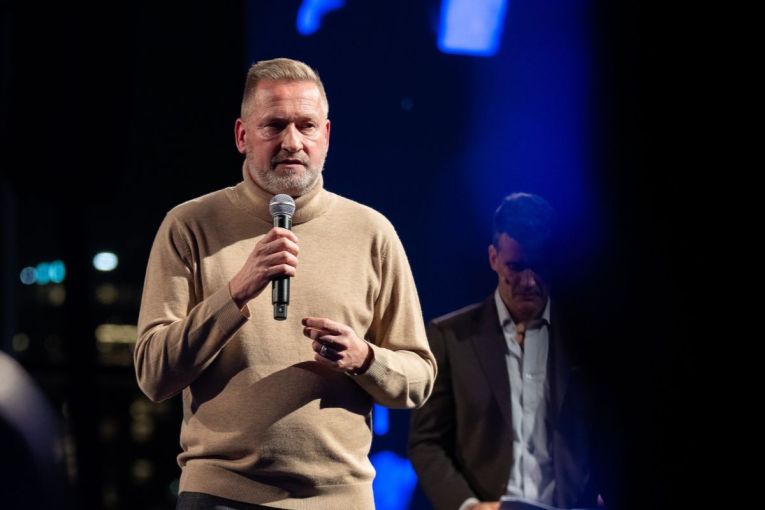
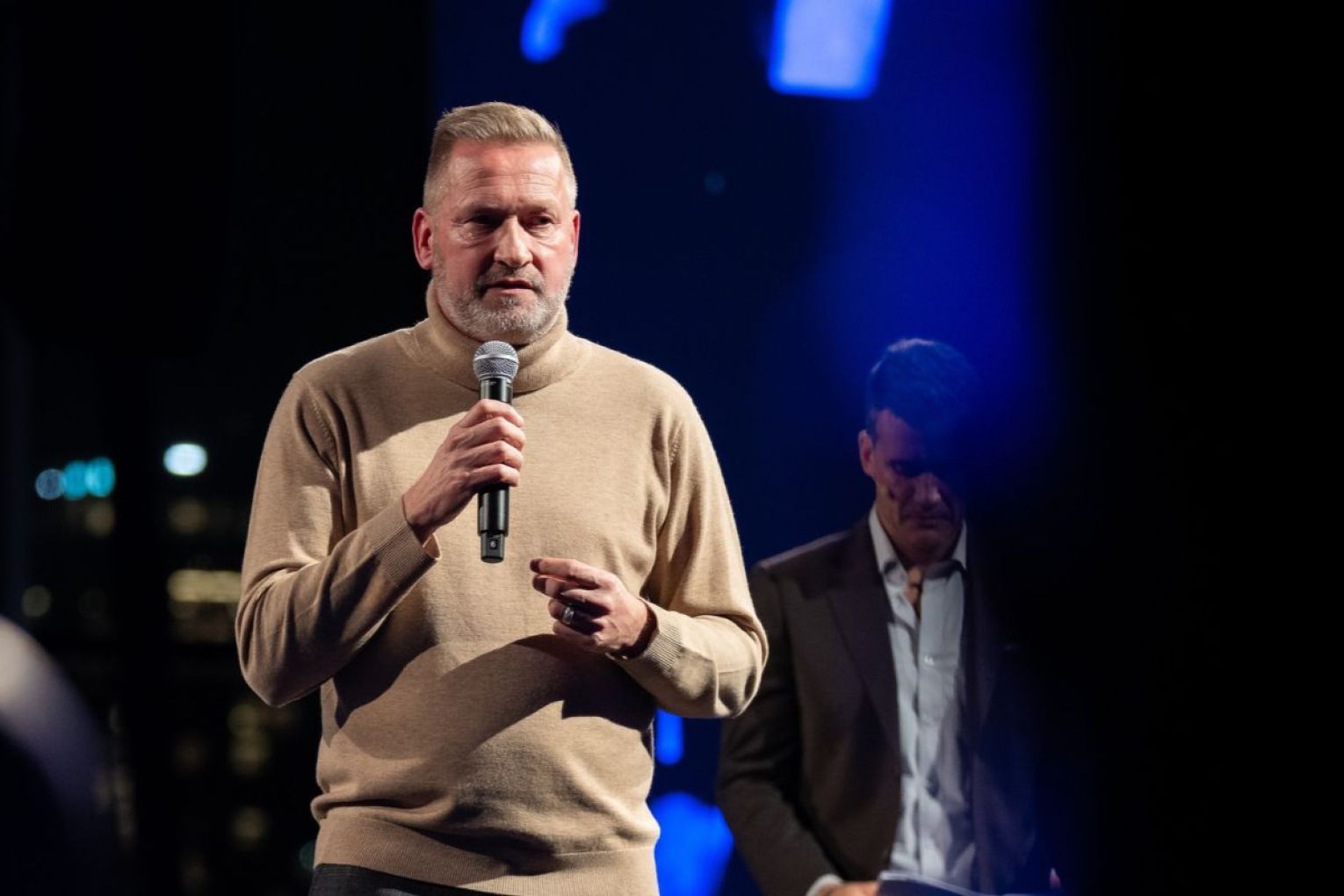
John Mannion is CEO of Breakthrough Mental Health Research Foundation.
Want to see more stories from InDaily SA in your Google search results?
- Click here to set InDaily SA as a preferred source.
- Tick the box next to "InDaily SA". That's it.