SA the nation’s oldest state but riddled with prejudice
Stop telling people they are “past it” or look good “for their age”. Miranda Starke calls out rampant ageism.
South Australia is the nation’s oldest mainland state. Too often in public discourse, our ageing population is framed as a problem to solve or a challenge to overcome.
What if being Australia’s oldest mainland state was something to be proud of? What if it reflected a community where ageing is understood and celebrated, and where older people are respected and valued for the experience and knowledge they bring?
At COTA SA, we believe this is what an age-inclusive South Australia should look like: a state that embraces ageing, values older people and leads the nation in ageing well. Our ageing population should be a feather in our cap, not a thorn in our side.
To make that vision a reality, we all need to confront something that continues to hold us back: ageism.
Ageism is real, even if you have been lucky enough not to experience it yourself. That does not mean it doesn’t exist, nor that you won’t experience it yourself one day.
Ageist attitudes are everywhere, so common that many of us would barely notice them. Age-based prejudices and stereotypes begin to shape our behaviour from a very young age. The World Health Organisation states that children as young as four “become aware of their culture’s age stereotypes and internalise and use these stereotypes to guide their feelings and behaviours towards people of different ages”.
You might like

At its most benevolent, ageism can appear in birthday card jokes and stereotypes that portray older people as silly, slow or forgetful; casual comments about someone being “past it” or looking good “for their age”; or in assumptions that older people should stop driving, working, or lower their expectations about what they can achieve simply because of their age.
At the most severe end of the scale, ageism can lead to elder abuse. When people assume that someone is less capable or entitled to make their own decisions simply because of their age, it strips away their dignity, independence and rights. That is not just discrimination, it is harm.
Ageism shapes public narratives and societal attitudes. We increasingly see this reflected in discourse that puts younger and older generations as being in competition with one another.
Many older South Australians told COTA SA they felt the conversation surrounding the 2026 Federal Budget and its intergenerational equity narrative reinforced a perception that older people are a uniformly wealthy, privileged and “out of touch” group, who have benefitted at the expense of younger generations.
The reality is more complex. Older South Australians are not a homogenous group. While some are financially secure, others are financially vulnerable, struggling with rising living costs, housing insecurity and financial stress.
Framing policy decisions as a contest between older and younger Australians is harmful when the real challenge is inequality within generations and across the community.
Stay informed, daily
Ageism can be present in employment. A member of our community in her early 50s, highly experienced in her profession, accepted a redundancy package, confident she would have little trouble finding another role. More than a year later, she is still looking. She has repeatedly found herself questioning whether her age has become a disadvantage in her job search.
Her story is not unique. Despite bringing valuable skills and experience, many older workers encounter assumptions that make it harder to secure employment and remain in the workforce.
A 2025 report from the Australian HR Institute (AHRI) found that more employers now see those aged 51 to 55 years as an ‘older worker’. This is up from 10 per cent in 2023 to 24 per cent today. It has been reported that older workers take three times as long to find employment compared to job seekers under 30. This is despite recent research from University of WA revealing that we reach our mental peak between the ages of 55 years and 65 years.
Members of our community often describe experiencing ageism in healthcare settings. A participant in a recent COTA SA workshop shared an experience of attending a medical appointment with a younger family member, only to have the healthcare professional direct most of the conversation to their relative rather than speaking directly to them.
Experiences like this diminish a person’s sense of agency and overlook their individual preferences and capacity to make decisions about their own care.
Some older South Australians report facing barriers to tests, treatments and preventive health measures because they are deemed “too old”. As people live longer and healthier lives, healthcare decisions should be based on individual health and circumstances, not age alone.
These individual stories might seem innocuous, but at COTA SA, we hear of experiences like this every day. Collectively they reveal how normalised and common ageist behaviours and attitudes have become in our society.
If we want South Australia to be a leader in ageing well, we need to stop seeing ageism as an issue for someone else. Ageism is not just a problem for older people, it is a problem for everyone, and addressing it starts with all of us.
This Ageism Awareness Day, let’s challenge the stereotypes, assumptions and attitudes that hold people back. Because ageing is not something that happens to “them”. If we are fortunate, it happens to all of us.
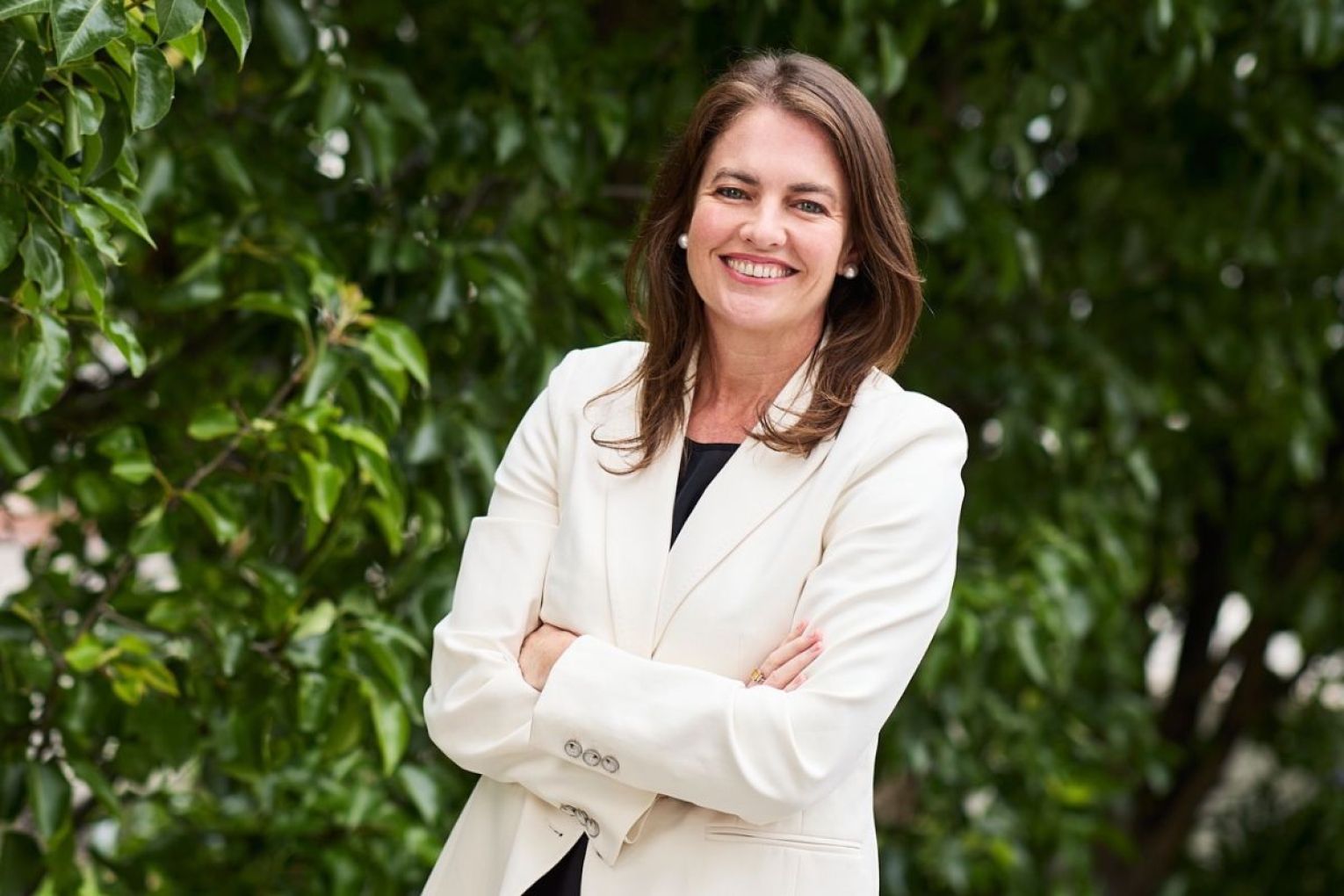
Tomorrow is Ageism Awareness Day. Miranda Starke is chief executive of COTA SA, the state’s peak body representing the rights, interests and futures of the more than 700,000 South Australians aged 50 plus.
Want to see more stories from InDaily SA in your Google search results?
- Click here to set InDaily SA as a preferred source.
- Tick the box next to "InDaily SA". That's it.