Let’s all find our way to wellbeing this Mental Health Month
More needs to be done to ensure every South Australian has the support they need.

There is no shortage of advice about how to look after our wellbeing. The trick is to find what works for you.
It might be exercise more, sleep and eat better, spend less time on your phone, meditate, get into nature – we can go on. Sometimes, looking after ourselves can start to feel like another thing we’re expected to get right.
It’s Mental Health Month and this year we chose the theme Find Your Way to Wellbeing. Because wellbeing isn’t one-size-fits-all.
For one person, it might be a walk along the beach. For someone else, it’s dinner with a friend, a run, playing sports, time spent making art, getting into the garden – or simply an afternoon of doing nothing.
And what works for us can change, too.
There are times in our lives when we have the capacity to do more, connect more and give more. There are other times when getting through the day is enough. Recognising that difference – and giving ourselves permission to respond to it – counts.
Our theme this year works a bit like the safety briefing on a plane: put on your own oxygen mask before helping others. We can’t look after our families, our teams or our communities if we’re running on empty.
Many South Australians are carrying significant pressures. Cost-of-living challenges, housing insecurity, work and caring responsibilities, loneliness, uncertainty and the constant stream of difficult events happening around the world can all take a toll.
Most of us know someone who is struggling with their mental health or has been impacted by suicide. Members of Parliament and key decision makers in our communities are not immune either. Mental ill health doesn’t discriminate.
Finding your way to wellbeing looks different for everyone. But when someone is really struggling, self-care alone may not be enough. They and their loved ones need support in the community that helps them stay well and out of crisis. This is what community-based mental health support does – it works, and it costs far less than a hospital bed.
Right now, that support is in limbo. The new National Mental Health and Suicide Prevention Agreement, which shapes how this support is funded, has already been delayed by 12 months, and Health Ministers met in September without agreeing a way forward. Mental Health Australia estimates around $1.7 billion in community mental health investment is on hold.
NDIS funding changes also began on October 1, and we expect more people to fall through the gaps. In 2020, the Productivity Commission estimated around 11,000 South Australians with severe mental illness were going without the community support they needed. Three years later, and the Government’s own research put that number at around 19,000. With the NDIS changes, that number will only grow.
Whenever we talk about funding community support and those who need it, it soon gets drowned out by talk about hospital beds. With an overspend in health of $700m last financial year, we already know it is cheaper and more effective to keep people out of crisis. It also gives people what they want – the ability to live well in their homes and communities. Community-based mental health support does that by helping people work through life’s challenges so they stay out of crisis.
Unfortunately, we still do not have enough funding for what is needed for people to avoid a crisis. That’s the reality many families and communities are living with. And it’s why Mental Health Month has to be about more than self-care.
So, while you’re putting on your own oxygen mask, keep asking why more than 19,000 South Australians still can’t get theirs. Our decision makers need to hear it.
There are many ways to wellbeing. Everyone deserves the chance to find theirs.
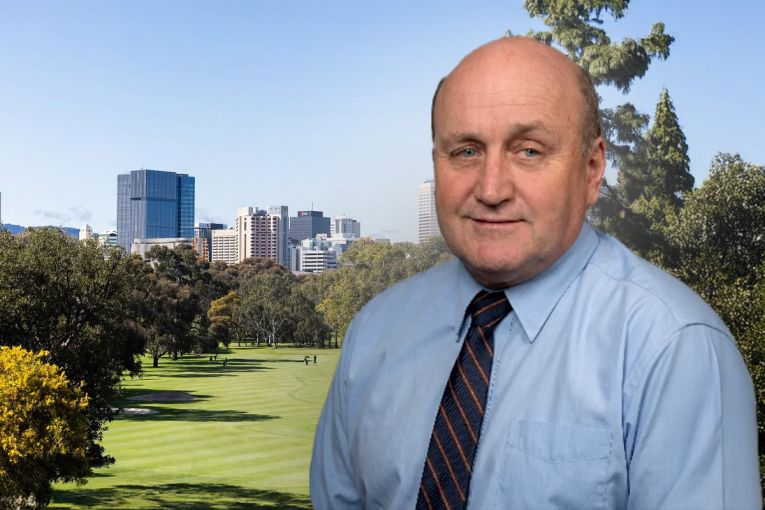
Geoff Harris is CEO of the Mental Health Coalition of South Australia.
Want to see more stories from InDaily SA in your Google search results?
- Click here to set InDaily SA as a preferred source.
- Tick the box next to "InDaily SA". That's it.