Why SA is ploughing tens of millions into the hunt for gold
“It’s quite an expensive habit, isn’t it?” Mining leaders tell how gold is looking increasingly shiny as world prices skyrocket and the state holds vast, untapped treasure in the Outback.
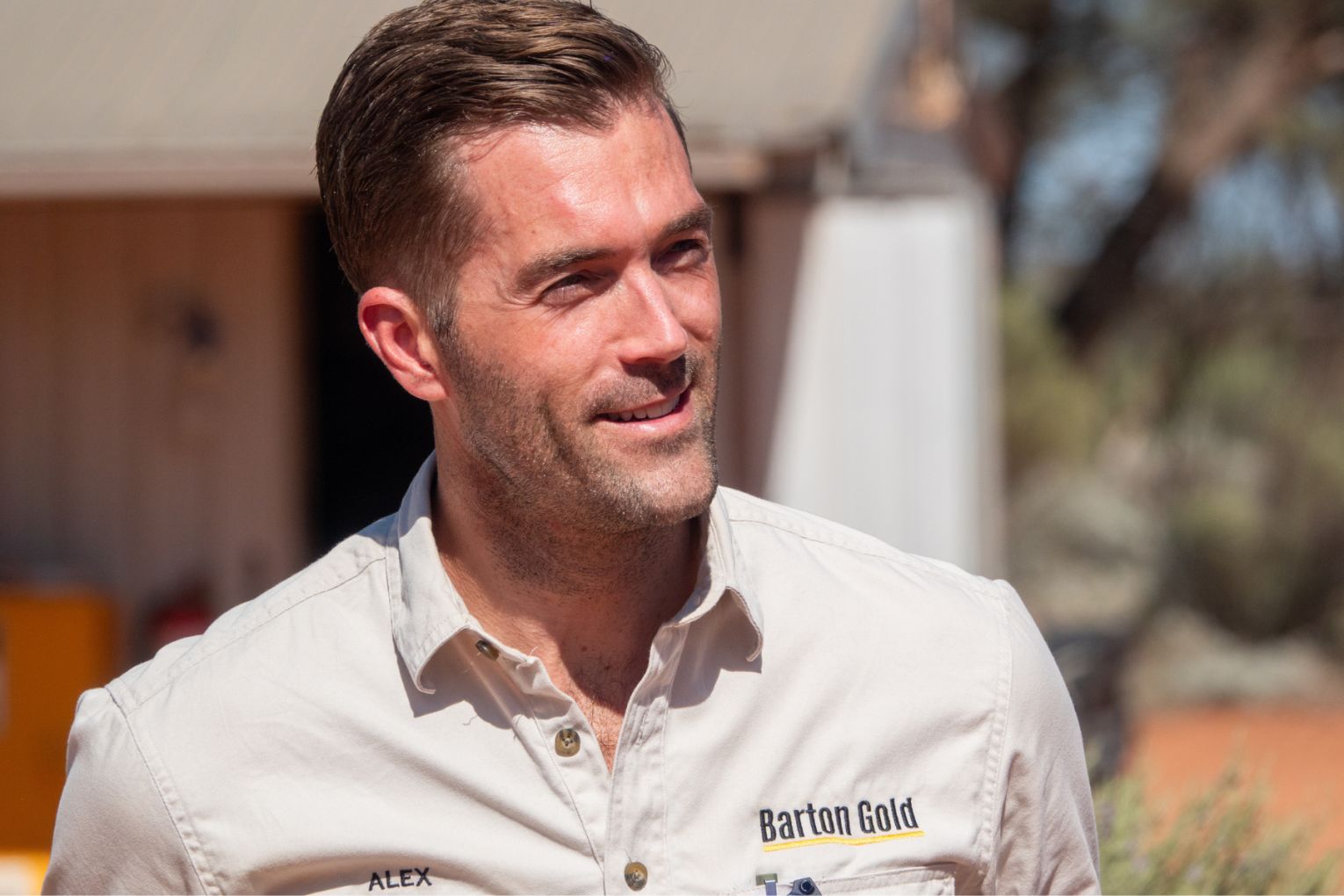
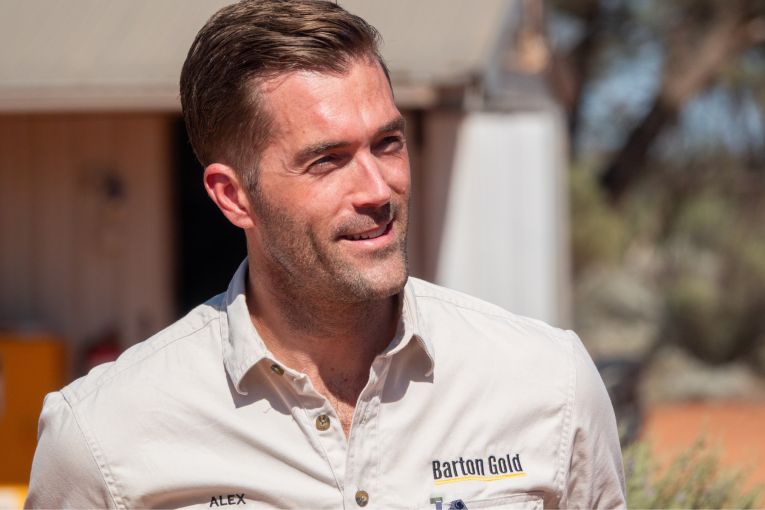
Alex Scanlon is the founder, CEO and managing director of ASX-listed prospective gold mining business Barton Gold, which has big plans to turn a patch of South Australia’s outback into a mega gold district.
By tapping into already-developed mining infrastructure – including the Gawler Craton’s only gold mill – Scanlon plans to build up SA’s “long-term, sustainable” gold mining operations utilising a dual hub-and-spoke model centred around proven mine sites and existing infrastructure.
His business – valued at approximately $280 million at the time of writing – has already invested $75 million in pre-mining activities.
But it’s an investment that is looking increasingly promising with drilling results seeing Scanlon estimate that “we’ve got a platform of about 2.25 million ounces of gold”.
That equates to more than 63 tonnes. Gold is currently selling at around $6,500 an ounce – InDaily is leaving the remaining maths to readers.
So far Barton Gold has undertaken extensive drilling – some 160 km of it, including 70 to 80 kms during the past 12 months – to gauge the extent of the deposits available for the company.
Amid the progress being made by Barton is the ever-changing price of gold.
It has been a wild year for gold, hitting a record high at the beginning of the year before suffering a sudden crash into a bear market. In the last two months, the price has rebounded to about USD$4500/ounce.
And the state’s Energy and Mining Minister says South Australia is home to as much as a quarter of Australia’s known gold resources.
Scanlon reckons he is at the precipice of the perfect moment to begin mining gold; “this is the beginning of what a true credit crisis looks like”, he said, referring to US debt piling up and the nation’s number crunchers attempting to control long-term bond yields.
You might like
“Everyone is moving away from the US dollar as a basis in reserve and a basis in trade and there is only one way to do that, and that is if you have a neutral, alternate, geopolitically neutral asset that you can use to do that, and that is gold.
“Gold has served that purpose for the 5000 years before 1971,” he said, referring to the ‘Nixon shock’ when then-President Richard Nixon cancelled the direct convertibility of the US dollar to gold.
“The last 50 years have been an aberration of monetary history. We are moving back to a world where gold resumes its role as the centre of monetary reserve.
“What this means is there is a huge bid for gold by sovereign nations who are rebuilding their stockpiles of gold.”
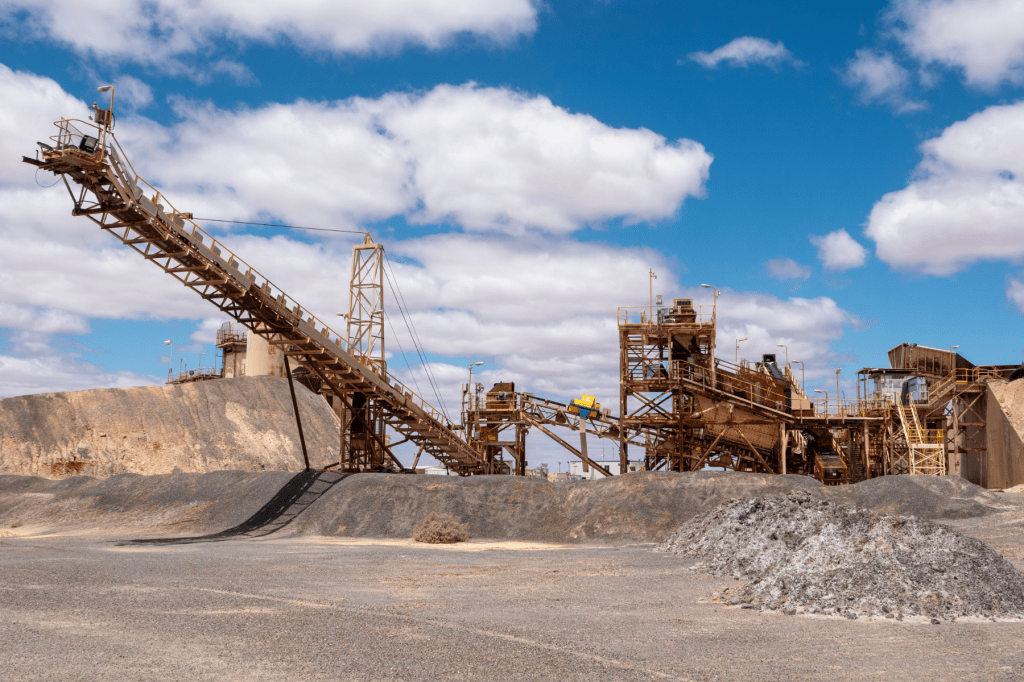
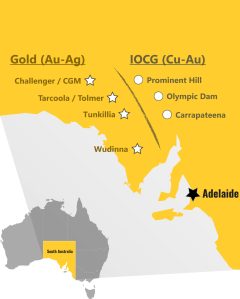
At the heart of the company’s northern hub are the Central Gawler Mill and the Challenger open-pit and underground mines, 730km north-west of Adelaide and part of the resource-rich Gawler Craton.
Discovered in 1995 and developed in 2002, Challenger has been non-operational since 2018 but has the facilities necessary for Barton to be able to restart mining relatively soon.
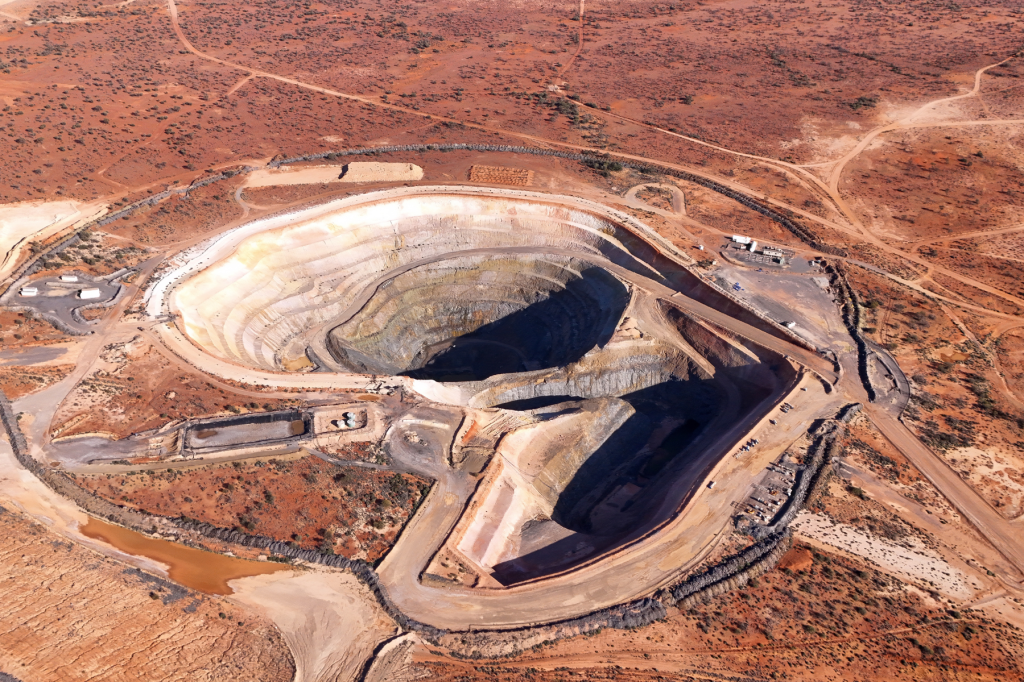
Tunkillia is the heart of the southern hub, another major prospect for Barton Gold and its ‘Stage 2’ development underpinning the medium-term scale growth for the business’ planned ‘gold district’.
“Tankillia is really the flagship, cornerstone asset in our portfolio from which we will derive the most value, so we are driving that forward as quickly as possible,” Scanlon says.
“Challenger, because it will be a refurbishment and reinstatement of existing infrastructure from the moment we reach a final investment decision – if that is a positive final investment decision – we can move relatively quickly to reinstate those operations, possibly in a six-month body of work.”
The company has plans to invest another $25 million soon on converting the two hubs into ‘feasibility-level developable assets’ and then over the next five years another $500 million to “reinstate SA’s primary gold industry”.
And there’s a silver lining: “We have about three million ounces of silver as a by-product”, said Scanlon. The company boss was born in Washington just outside of Seattle then moved to Australia in 2009.
“While doing good work finding gold and making new discoveries, we’ve also made one of Australia’s highest-grade silver discoveries in decades, which is very rare in Australia.”
Stay informed, daily
South Australian Chamber of Mines & Energy CEO Catherine Mooney agrees about the future of gold for the state, telling InDaily “we’re seeing a real potential for the gold sector to grow here”.
The state holds around 26 per cent of the country’s gold resources, and most of the gold production is linked to the booming copper industry. Alongside BHP’s massive copper haul in the 2026 financial year was a major gold take too: by-products of copper mining generated $6.3 billion in revenue for the world’s largest mining business.
Gold dug up here generally goes to the Perth Mint, while some is sent as a concentrate to China, India and other nations rather than being refined domestically at first.
There are currently only two operational gold mines at White Dam in the north east and Portia near Lake Frome.
“While copper is currently the preeminent commodity in terms of economic standing in South Australia, gold continues to be important to the state,” Mooney said.
“Much of our gold production is intrinsically linked to our copper industry, coming as a byproduct of major copper operations. That overlap means strength in one commodity often reinforces the other.
“South Australia’s resources sector is a powerhouse of growth, and every commodity within it — from copper and critical minerals through to gold — deserves the investment, infrastructure and policy support needed to reach its full potential. Backing all our commodities through to expansion is what will underpin a strong, diversified sector for the long term.”
Energy and Mining Minister Tom Koutsantonis said gold was SA’s third most-valuable mineral export commodity.
“As a ‘safe haven’ asset, the value of gold tends to increase in times of global uncertainty, and prices have reached record highs this year,” Koutsantonis said.
“South Australia is home to as much as a quarter of Australia’s known gold resources. This is largely concentrated in the Gawler Craton region, where gold is sourced alongside copper and uranium at major BHP mines Olympic Dam, Prominent Hill and Carrapateena.
“The State Government is consistently working to diversify and add value to the state’s natural resources, including gold and copper, as well as critical minerals. Initiatives such as the PACE Minerals scheme have been implemented to help the private sector uncover the next world-scale mine.”
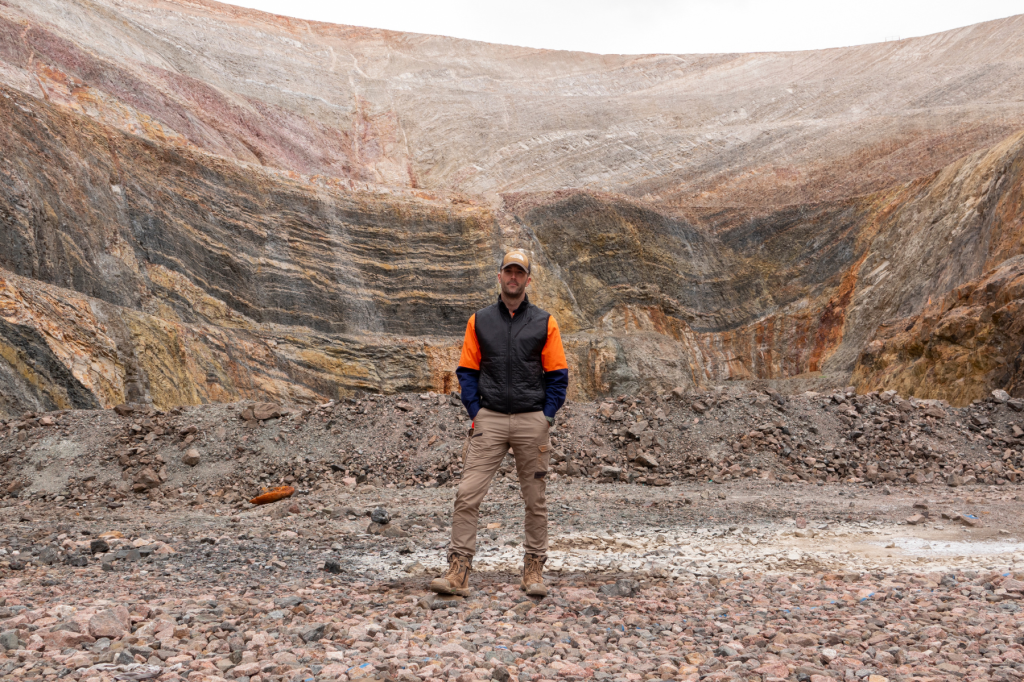
Beyond the assets underground, Scanlon said there was plenty of ‘gold’ to be found elsewhere in SA – even in the CBD.
“We’ve always been really drawn to SA and its business culture. In SA, there is a culture of quiet achievement, which we really like.
“We have built a team today of 22 people who are South Australians who are passionate about doing something in and for the state of SA. For us, that means investing $500 million to develop that gold industry.
“At today’s gold price, we would be adding about a billion dollars to gross state product with our production outlook.”
Want to see more stories from InDaily SA in your Google search results?
- Click here to set InDaily SA as a preferred source.
- Tick the box next to "InDaily SA". That's it.