Going for Gold: SA record falls as mining giant posts multibillion-dollar profit
A new production record has been smashed by mining giant BHP as it digs up SA resources and posts a huge profit.

Mining giant BHP announced a $13.8 billion profit in the 2026 financial year, with strong copper prices and record production of the resource in South Australia driving results, a new report shows.
BHP’s new CEO Brandon Craig announced its annual results this morning, the company revealed it broke a 20-year copper production record at its mammoth Olympic Dam in regional SA. Coupled with high copper prices, BHP managed to achieve record earnings in the reporting period.
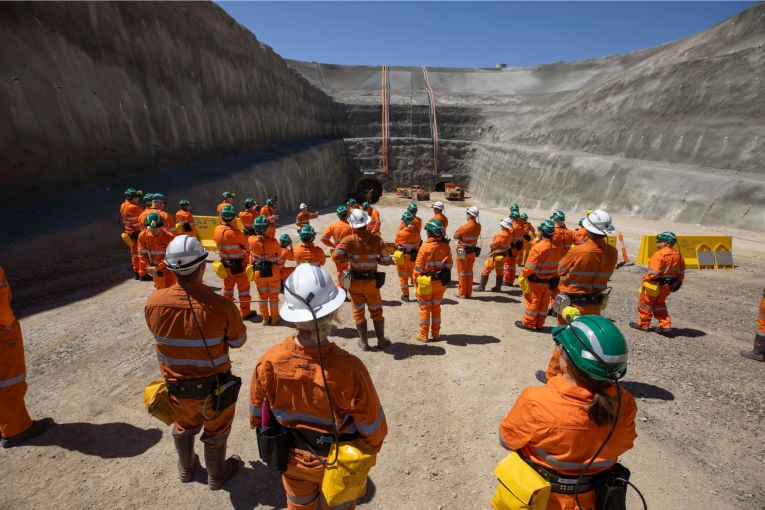
BHP is the world’s largest copper producer and dug up approximately two million tonnes of the resource in the financial year and currently employs around 8,000 South Australians.
For the first time, copper sales made up more than half of the company’s earnings, making its SA precinct of mines, including Olympic Dam, Carrapateena and Prominent Hill, core to the business’ future.
Globally, copper delivered earnings of $25.6 billion to the company’s coffers, according to Melbourne-based Craig who took over the top job in July.
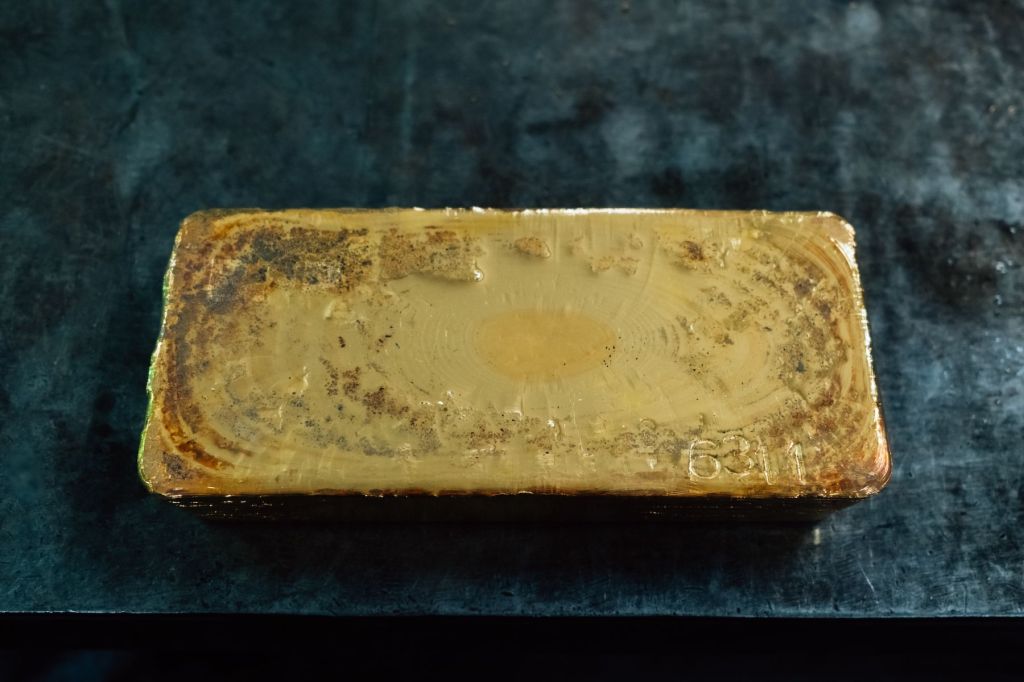
And by-products of copper mining – gold, silver and uranium – generated $6.3 billion in revenue.
You might like

In SA, about 320 ktpa of copper was produced. The company hopes to increase this to 500 ktpa of copper soon as part of the first phase of its mine expansion program.
If the business decides to fund a major smelter and refinery expansion at Olympic Dam, it would have the capacity to produce more than one million tonnes equivalent of copper. The final investment decision is expected in the 2027 calendar year.
“Copper remains our biggest growth opportunity in Australia, in Chile and in Argentina, with the potential to create significant long-term value,” Craig told reporters this morning on a teleconference.
He said the byproducts of copper mining at Olympic Dam were adding to the mine’s attractiveness to BHP: “The ultimate potential of Olympic Dam is as high as one million tonnes per annum copper equivalent production”.
“That’s the same sort of scale we see in Escondida [in Chile] currently but the difference is [Olympic Dam] is 100 per cent a BHP-owned asset compared to that 57 per cent position in Escondida,” Craig said.
Chief Financial Officer Vandita Pant added that while its operations in Australia were “attractive… the teams have to work very hard to make it work”.
“We know that some of the things cost higher in Australia and there is no shying away from that,” she said.
“However, the teams are working on both the scope to bring the copper units faster if we can, but equally continuing to see and use all the levers as they finalise the plans on how the cost can be made lower so that the project is attractive.”
Stay informed, daily
In its results announcement, the company flagged that copper production in SA was expected to be between 290 and 320 kt in the current financial year.
At Prominent Hill, plans to expand operations remains on track to be finished in the second half of the current financial year, while a new ramp at Carrapateena is completed.
Maintenance on the Olympic Dam smelter was expected to start in the first half of the 2028 financial year, while a new ramp into the southern mining area of the mine continues to progress, BHP said.
In October, the company announced it would spend $840 million on Olympic Dam expansion programmes, including building a new access tunnel, a more extensive underground train network with six new trains and the installation of an oxygen plant.
The Northern Water project was expected to cost $5 billion to construct a 260 megalitre per day desalination plant and a 600km pipeline to transport water from near Whyalla to the state’s Far North to support BHP’s mining activity as well as pastoralists.
In December last year, the state government picked the location of the mega project south of Whyalla.
BHP has previously pulled out of promised expansions of its Olympic Dam mine, notably in 2020 when it dumped a $3.5 billion plan that might have increased copper production by 150,000 tonnes.
The Premier in May said he wanted to avoid “getting to the altar and BHP realising they don’t have a partner in the government or the government finding out it doesn’t have a partner in BHP”.
Asked today by InDaily for an update on negotiations with the state government, Pant said she had “no additional comments”.
“We know that the state government is working through their project scoping as well as definition,” she said.
A spokesperson later said that Northern Water was nationally strategic backbone infrastructure “that can unlock Australia’s rich copper resources and support critical minerals, magnetite, defence, agriculture and communities in the Upped Spencer Gulf and Far North regions”.
Last week, the state government announced that copper exports out of SA cracked a new record, with the state sending $5.3 billion worth of the resource overseas in the year to June 2026.
BHP shares were up 3.18 per cent in early trade today.
Want to see more stories from InDaily SA in your Google search results?
- Click here to set InDaily SA as a preferred source.
- Tick the box next to "InDaily SA". That's it.