‘Billion-dollar problem’: The SA biz targeting one million migrants
Seshnie Taylor has a lofty target in getting SA’s frontline care industry speaking English confidently with her new AI-powered app.
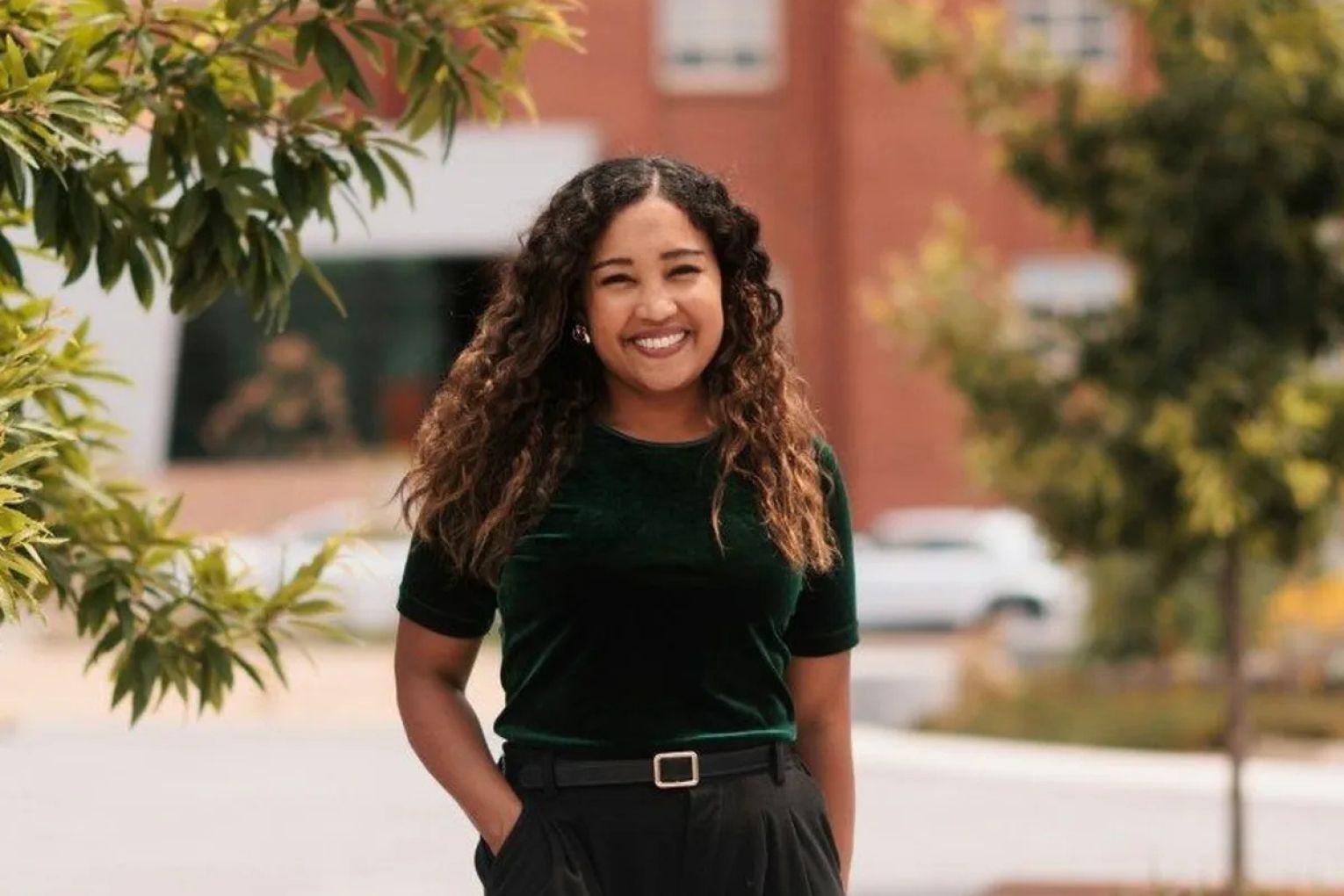
Vocare founder and CEO Seshnie Taylor hopes that one day her AI-powered app will help one million skilled migrants to speak English with “clarity and confidence”.
“When I started to do the research around the care industry, I realised that this was a billion-dollar problem because everyone has a story of a carer who is really kind and warm and qualified but that they struggle to understand, and I wonder if there’s something to support linguistic refinement,” Taylor said.
Vocare was launched last year and is the first of its kind in Australia, using AI-powered voice analysis to improve spoken clarity and confidence for skilled migrants.
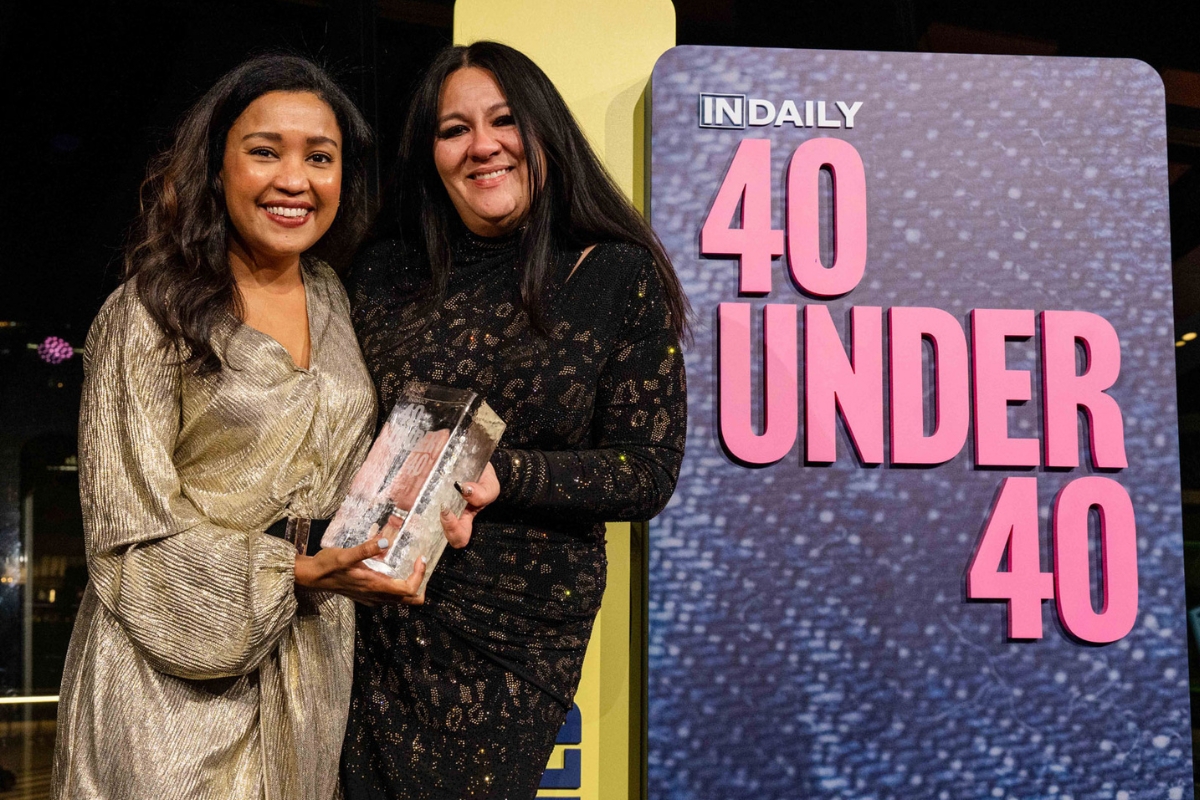
And the new app was behind Taylor being named winner of the Social Impact Award at this year’s InDaily 40 Under 40 awards.
| Sponsored |
You might like


Although she does not have a technical background, Taylor, who grew up in South Africa surrounded by Zulu, English and Afrikaans, leveraged her “superpower” of language, saying she wanted to “change lives” and “help others”.
“I didn’t have a business background, but somebody said to me when I was looking for jobs that with my personality, skills and passion, maybe I should go and create my own job,” she said.
This includes the ability to detect articulation mistakes by people who speak English as a second language and prescribing exercises to improve their clarity.
“So, like with any good company, I believe that you should have a strong why, you should understand what your competitive advantage is, and that, for me, that was all about languages,” Taylor, who also speaks French, Dutch, Spanish and Chinese, said.
Taylor’s partner, who has a background in coding, brought her vision to life, while a grant from the Australian Institute for Machine Learning saw the “best” machine learning engineers dedicate 300 hours to building the core machine learning engine of Vocare.
Stay informed, daily
The web-based app offers a six-week pilot, with clients then able to choose from three-tiered options for a 12-month contract according to the size of their workforce.
Users begin by undertaking a short clarity assessment where they speak 11 sentences into the platform and receive a clarity score.
After this, users are trained with four exercise levels, which progressively get harder, to refine their clarity.
Taylor said Vocare – a blend of voice and care – is 80 per cent technology and 20 per cent workshops, saying the aim of the app was “deepening human connections” and not about findings ways to “replace” humans.
“Vocare supports all of the frontline care workers who speak English as a second language to speak with clarity and confidence, so we’ve built a linguistic refinement tool which helps people to speak clearly,” Taylor said.
Asked for real-world examples about the impact of Vocare, which currently has more than 200 users, Taylor said she often has to hold back tears when she hears how it has helped people improve their confidence in English.
“Every time we go to workshops or hear from managers in debrief calls, people are telling us directly that Vocare has changed their lives,” she said.
As for the challenges of Vocare, Taylor says that like any startup it can be “scary” and “nothing is certain”, adding that she also struggles with founder well-being.
“You need to be very disciplined with when you switch off and how you switch off,’ she said.
Taylor hopes that by the end of the year Vocare will have 1000 users, with future plans to also expand overseas.
“I am very optimistic and hopeful about Vocare, and I feel that we have international potential because when I’ve done my research and looked at similar markets like in New Zealand or Canada or the UK, they will face similar challenges,” she said.
“Our overall mission is to help one million skilled migrants to speak with clarity and confidence, and I would love to be able to achieve that in my lifetime.”
Want to see more stories from InDaily SA in your Google search results?
- Click here to set InDaily SA as a preferred source.
- Tick the box next to "InDaily SA". That's it.