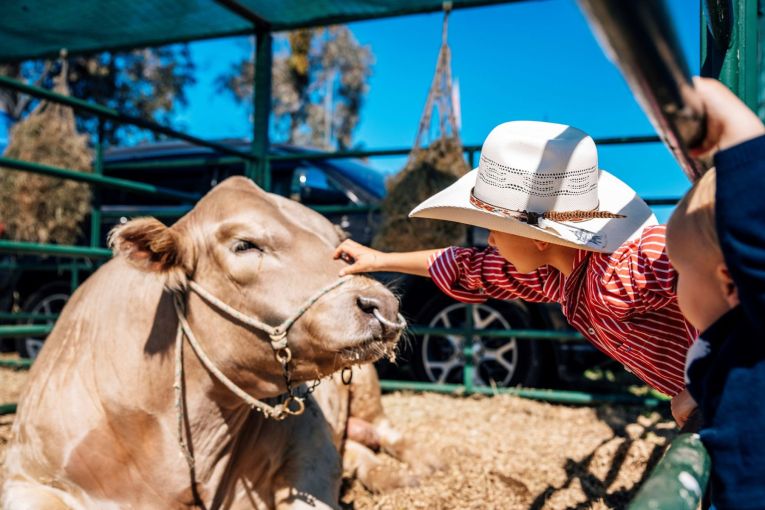
Beefed up forecast as SA ag giant reveals billion-dollar sales boost
Elders has seen its annual revenue rocket into new pastures as new research predicts a big year for those with beef.
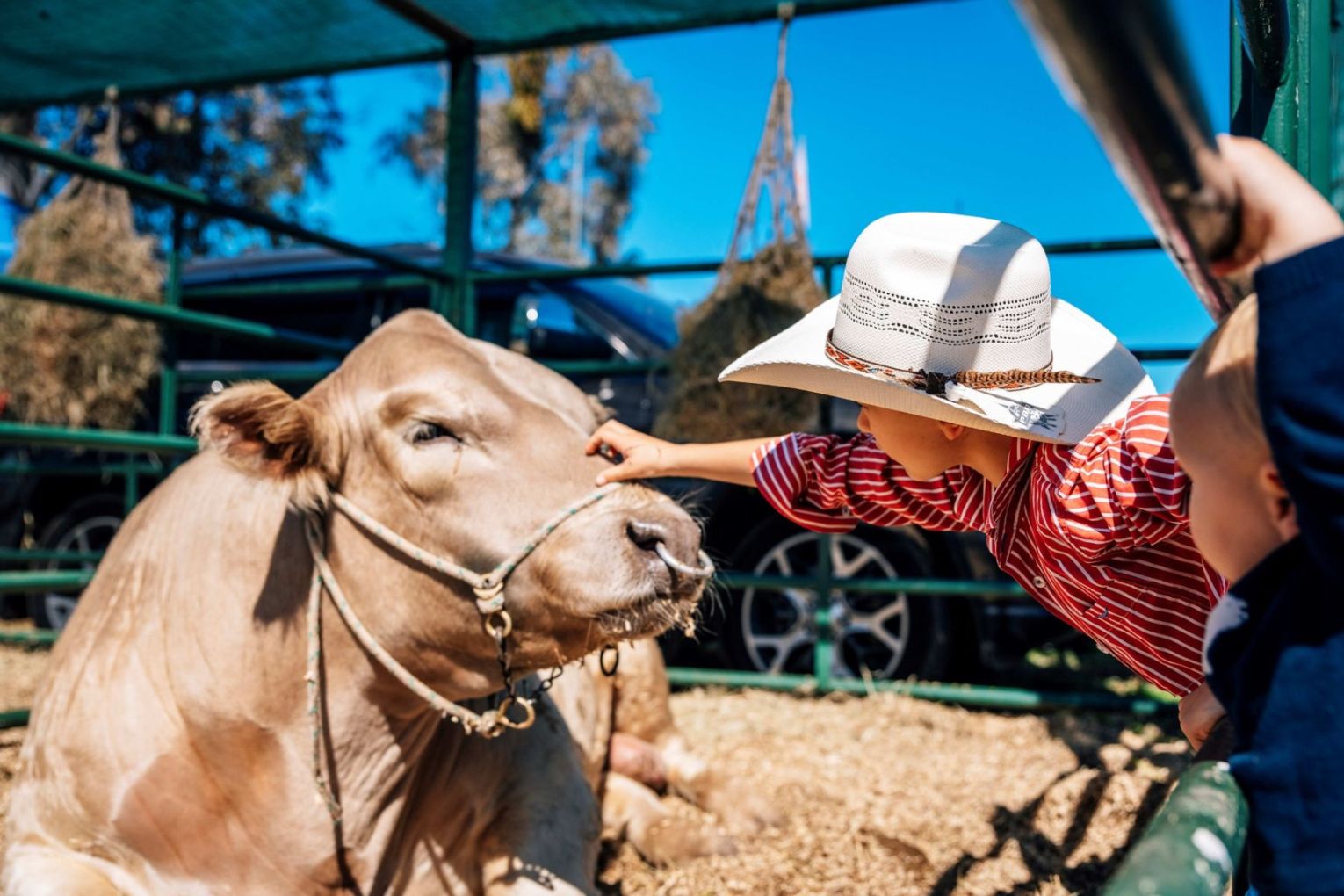
South Australian agriculture company Elders this morning announced to shareholders that sales rose by almost 1000 per cent in the 12 months to September 30.
It cracked more than $4 billion in underlying sales revenue for the year, up from $3 billion the year prior. Profit after tax also rose by 94 per cent to $144.2 million.
Elders is one of South Australia’s top companies and a major supplier of agricultural products and services like insurance, real estate and AgTech. It employs more than 3000 people nationally.
The results – announced as Rabobank released new research showing it expected Australian beef production and exports to rise in 2027 – were buoyed by almost every arm of the business.
This includes the recently acquired agriculture advisory firm Delta Agriculture. Elders bought that business in November last year for $475 million and since then Delta Ag added $43.6 million to the group’s earnings total of $187.7 million.
You might like
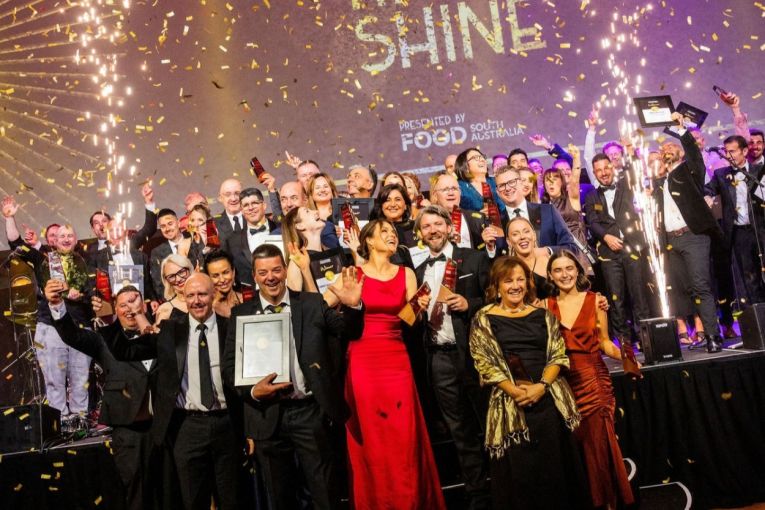

New CEO René Dedoncker – who took over the top job on October 1, 2026, from longstanding boss Mark Allison – said Delta Ag “made a strong contribution in its first year as part of Elders”.
Crop Protection was the one division that weighed on the earnings results because of increased costs for supporting higher production at a new crop protection product facility in Western Australia.
Elders is looking to the coming year with optimism, pointing to Australian Bureau of Agriculture and Resource Economics and Sciences research which is predicting the fourth-largest winter crop on record for the country and a decline in livestock prices, while wool markets will be stronger thanks to price improvements.
Dedoncker said FY26 was a “significant year for Elders”.
Stay informed, daily
“As we enter FY27, Elders is positioned to benefit from a full year of Delta Ag earnings,” he said.
“We remain focused on disciplined execution, improving productivity and creating sustainable value for our customers, shareholders and communities.”
Bullish beef prediction
The Elders results come alongside new research from Rabobank, forecasting Australian beef production and exports would increase in 2027 as global supply declines for a second consecutive year.
Its Rabobank Global Beef Quarterly Q4 2026 report expected Australian beef production and exports to increase by three per cent in 2027.
This is defying the global trend of declining beef production. If Rabobank is correct, global beef production would decline by 0.1 per cent after a 1.5 per cent contraction in 2026.
This would be the first time since 2015 that beef production has declined in consecutive years.
RaboResearch senior animal protein analyst Angus Gidley-Baird said Australia’s beef industry was expected to enter 2027 from a position of “considerable strength”.
“Australia has been able to turn a large cattle inventory into record beef production and exports, while cattle prices have remained strong, and that provides a solid platform heading into 2027,” he said.
“Assuming drier seasonal conditions and given the large cattle inventory, we expect slaughter numbers to rise by around three per cent next year.
“With carcass weights likely to plateau as more grass-fed cattle enter the system, we are forecasting beef production to rise at a similar rate.”
Want to see more stories from InDaily SA in your Google search results?
- Click here to set InDaily SA as a preferred source.
- Tick the box next to "InDaily SA". That's it.