South Australia 2035: The trends that will shape the next decade
Demographer Simon Kuestenmacher explores how ageing, migration and technology will create both challenges and opportunities for businesses over the next decade.
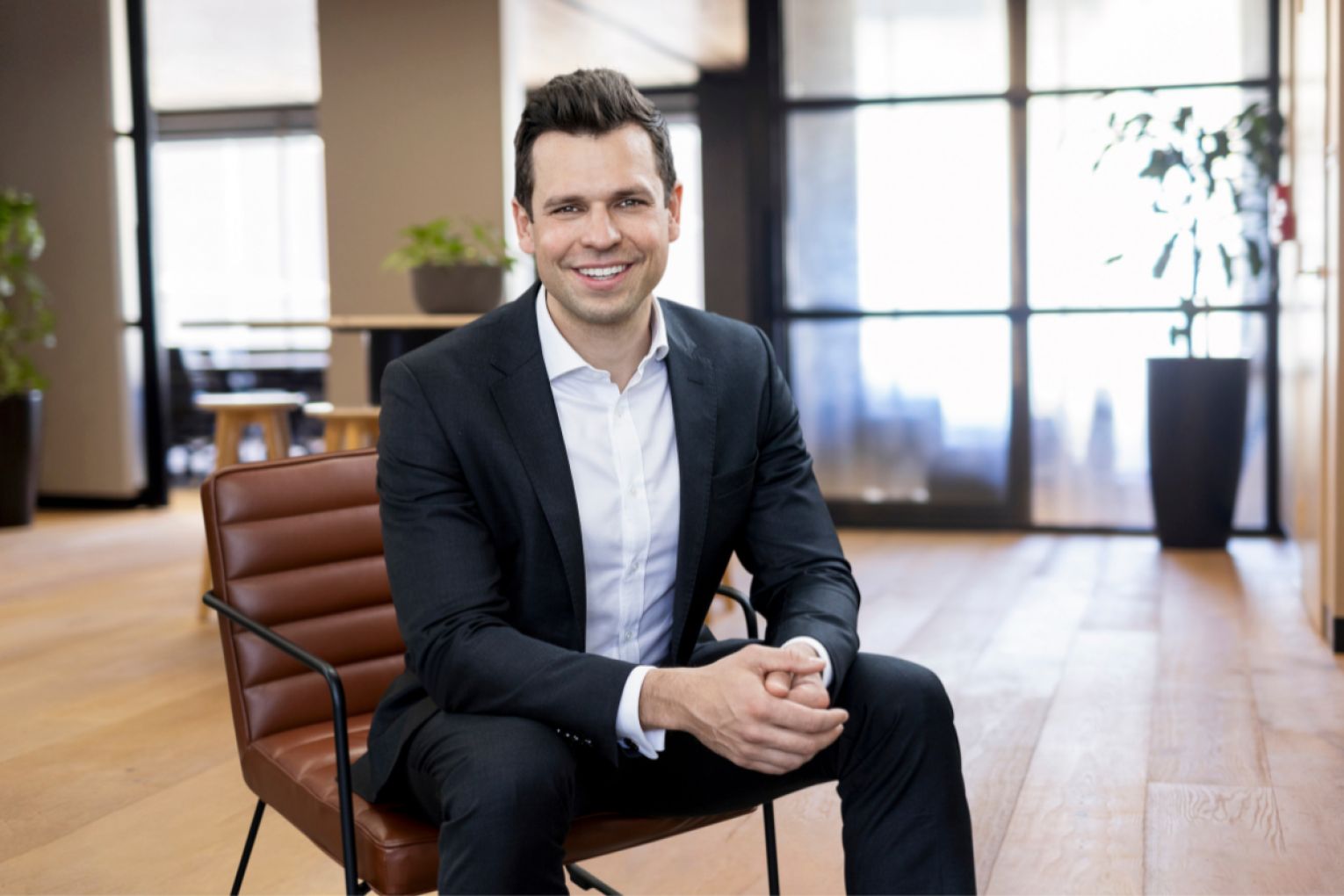
South Australia is approaching a decade in which some of its biggest economic challenges could also become its greatest opportunities.
An ageing population, persistent skills shortages and growing reliance on migration are set to reshape the state’s workforce and consumer economy. At the same time, investment in defence, renewable energy, technology, space and advanced manufacturing could give South Australia a chance to rewrite its economic story.
For demographer Simon Kuestenmacher, the businesses that understand these forces early will be best placed to thrive. “The real surprise (in the future) will be that ageing didn’t make South Australia less dynamic. Rather, it forced it to become more dynamic,” he says.
An older state – and new markets
South Australia’s ageing population is well documented, but Kuestenmacher says the more significant shift is happening at the oldest end of the population.
Between 2021 and 2041, the state’s 65-to-79-year-old population is projected to grow by about 24 per cent, while the number of people aged 80 and over is expected to more than double.
For business, that means a growing market for health, aged care, housing, leisure, financial services and products that help people remain independent for longer.
But it also creates a workforce challenge.
“Demographics ultimately asks two very simple business questions: Who will buy what you are selling, and who will do the work?” Kuestenmacher says.
The first question presents opportunities. The second is considerably harder.
South Australia already has more than one in five residents aged over 65, while industries including defence, construction, health, care, renewable energy and advanced manufacturing are competing for workers.
You might like

“AI cannot repeal demographics,” Kuestenmacher says. “You can’t instantly manufacture another experienced nurse, electrician, engineer or aged-care worker.”
That makes productivity – using technology to help scarce workers do more – an increasingly important competitive advantage.
Migration becomes essential
South Australia’s population growth is also becoming increasingly dependent on overseas migration.
In the year to December 2025, the state added about 19,700 people. Net overseas migration contributed 18,500, while South Australia recorded an interstate population loss of around 1600.
“Essentially, international migration is doing the demographic heavy lifting,” Kuestenmacher says.
For employers, that means attracting skilled migrants will become less of a supplementary recruitment strategy and more central to workforce planning.
The competition will be intense. Defence, technology, energy, construction and healthcare will all need many of the same skills.
Kuestenmacher says businesses will need to pull three levers: widen the workforce, retain existing employees and amplify their productivity.
That means recruiting internationally and interstate, building stronger pathways through schools, TAFE and universities, supporting disadvantaged groups into employment and creating opportunities for older workers to remain in the workforce.
Retention will become equally important.
“Flexibility, good management, meaningful career progression and sensible approaches to phased retirement will stop being fluffy HR initiatives,” Kuestenmacher says. “They become core business strategy.”
Millennials grow into economic power
Another major shift will come from a generation that businesses have traditionally viewed as young consumers.
Millennials are now moving through their 30s and 40s – the years when careers accelerate, families form and household spending increases.
“I sometimes describe this rather inelegantly by saying, ‘Millennials make babies and buy stuff’,” Kuestenmacher says. “They need homes, furniture, childcare, cars, financial services and eventually larger quantities of everything.”
Stay informed, daily
For businesses, the implication is clear: Millennials are no longer simply a youth market. Their needs are increasingly shaped by mortgages, children, careers and competing demands on their time and money.
At the other end of the spectrum, Baby Boomers remain an economically powerful consumer group, with accumulated wealth and growing demand for experiences, health, travel, convenience and home services.
The opportunity lies in understanding the difference between generations – and within them.
“The mistake is marketing purely by age,” Kuestenmacher says. “Life stage, health, housing tenure and wealth increasingly tell you more about consumer behaviour than their age.”
A new workforce opportunity
While South Australia’s demographic outlook presents challenges, its emerging industries could help change the state’s workforce profile.
Defence alone is expected to add more than 10,000 jobs to the South Australian pipeline by 2040, spanning engineering, advanced manufacturing, cyber, robotics, trades and technical roles.
Renewable energy, space and digital technology will draw on many of the same skills.
“The emerging economy gives the state a real opportunity to disrupt that pattern” of ambitious young South Australians leaving for Melbourne or Sydney, Kuestenmacher says.
If South Australia can turn those industries into attractive career pathways, it could retain more graduates, attract skilled workers from interstate and bring in international talent.
That could make its demographic challenge part of its competitive advantage.
Looking towards 2035
By the time South Australia’s business leaders look back on the next decade, Kuestenmacher expects the state’s economic identity to have changed significantly.
“It could simultaneously be more technologically advanced, more internationally connected and more economically important to Australia,” he says.
The defining feature of the next decade may ultimately be the way these trends intersect.
An ageing population creates new markets but reduces the available workforce. Skills shortages increase the incentive to automate. Migration fills critical gaps. Defence, renewable energy and advanced manufacturing attract investment and create new career pathways.
“A shortage of workers encourages automation and innovation,” Kuestenmacher says. “An ageing population creates new industries. Skills shortages encourage migration.”
For South Australian businesses, the message is less about predicting exactly what 2035 will look like and more about preparing for the forces already reshaping the state.
The businesses that understand who their future customers will be, where their workers will come from and how technology can amplify their capabilities may be the ones best positioned to take advantage of South Australia’s next chapter.
Simon Kuestenmacher will be keynote speaker at the South Australian Business Index lunch and networking event. Join us as we count down the top 100 South Australian businesses. This year’s event will be held at the Adelaide Convention Centre on Friday, October 16. Purchase your tickets today!
Want to see more stories from InDaily SA in your Google search results?
- Click here to set InDaily SA as a preferred source.
- Tick the box next to "InDaily SA". That's it.