Why AI is becoming a business imperative for South Australia’s leading companies
Artificial intelligence is rapidly reshaping the way businesses operate, but technology leaders say the organisations gaining the greatest competitive advantage are those treating AI as part of a broader business strategy rather than simply adopting the latest tools.

As South Australian businesses navigate rising costs, workforce shortages and increasing global competition, digital capability has become a boardroom priority, with investment in artificial intelligence, cybersecurity and cloud infrastructure increasingly viewed as essential to long-term growth.
Those challenges and opportunities will be among the key issues explored at this year’s South Australian Business Index event, which brings together many of the state’s leading business minds to discuss the trends shaping the economy.
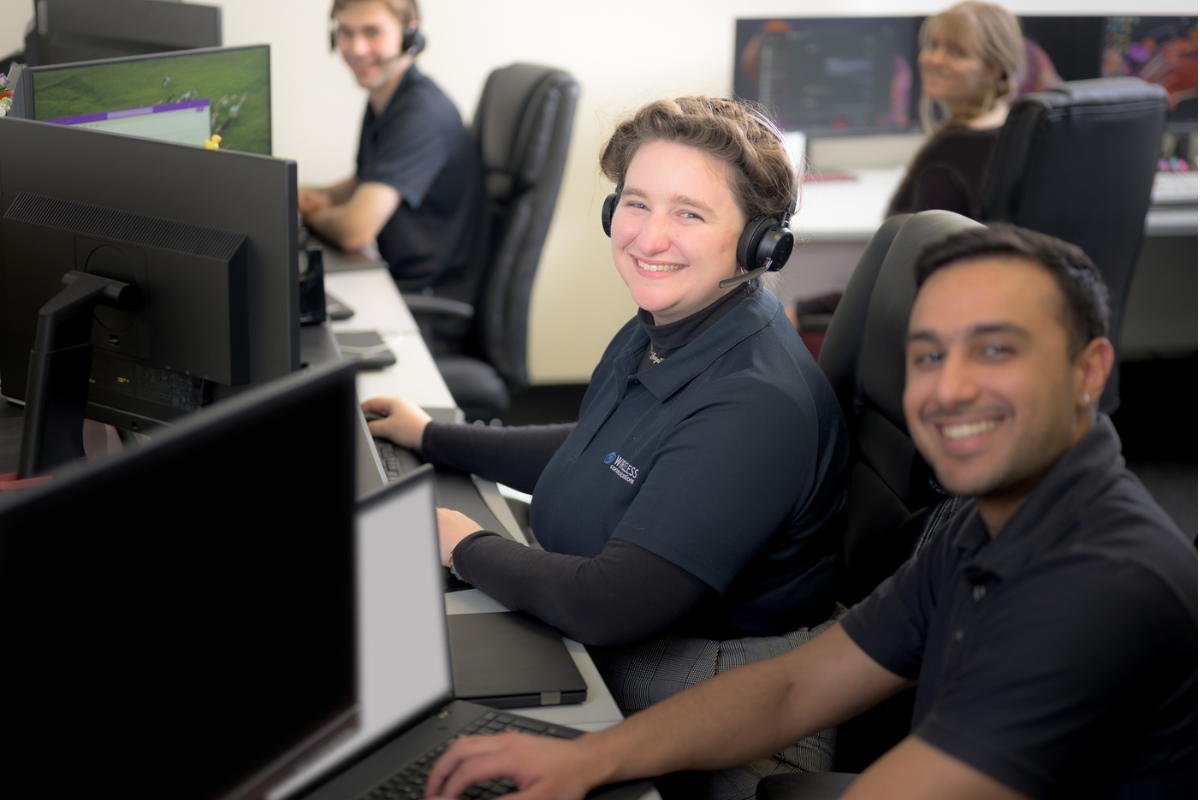
According to Trent White, chief technology officer at Wireless Communications, the conversation around technology has fundamentally changed over the past five years.
“In recent years, companies have increasingly viewed technology as an essential capability that can deliver a positive return, rather than simply as an expense,” he says.
“Boards themselves are often now including technical directors, placing greater importance on technology leadership. They are increasingly expecting management teams to include a chief technology officer and/or chief information officer, reflecting a growing recognition that these roles are strategic and critical to business performance.”
The shift accelerated during the pandemic, when organisations rapidly adopted remote working technologies, but White says the emergence of artificial intelligence has pushed digital transformation even further.
“The pace of investment has since been further accelerated by the evolving role of artificial intelligence and the need for businesses to incorporate AI into their broader strategy,” he says.
You might like
While AI dominates headlines, the businesses achieving the greatest return are taking a holistic approach.
“The companies achieving the strongest returns are those that bring artificial intelligence, cybersecurity and cloud computing together as part of a broader technology strategy, rather than treating them as separate initiatives,” White says
He says successful organisations also recognise they cannot develop every capability internally, increasingly partnering with specialist technology providers for both strategic advice and operational support.
“The most successful businesses are learning from subject matter experts, strategic technology partners and peers within their own industries.”
Rather than replacing employees, White believes AI should enable staff to focus on more valuable work.
“Technology can help organisations increase capacity by allowing their people to focus on higher-value work, rather than becoming consumed by routine administration, system management and day-to-day technology issues.
“The strongest productivity gains generally come from technology professionals who understand the organisation’s operations, customers and commercial objectives, rather than looking at technology in isolation.”
As organisations race to embrace AI, White warns that governance and cybersecurity must keep pace: “Cybersecurity cannot be treated as a one-off investment. It requires continual attention as threats, technology and regulation evolve.”
Stay informed, daily
Likewise, businesses should resist implementing AI simply to keep up with competitors. “There is understandable pressure to avoid being left behind, but adopting AI simply because others are doing so can create risk,” White says.
Instead, businesses should identify where AI can genuinely improve productivity, customer service and decision-making while ensuring staff are trained to use the technology responsibly.
Although sectors such as defence, advanced manufacturing, health and renewable energy are attracting significant investment in South Australia, White says digital transformation is not confined to any one industry.
“Globally, this is not really an industry-specific issue. There are strong examples of innovation in every sector, just as there are businesses falling behind in every sector.
“The difference usually comes down to the mindset of the organisation, the quality of its leadership and whether technology is being treated as a strategic capability.”
Businesses that delay investment risk losing ground, particularly as AI accelerates global competition and lowers barriers for organisations around the world.
“This is also a global race, not simply a local one,” White says. “AI is accelerating international competition by allowing businesses to operate faster, automate more work and access new capabilities.”
Looking towards the end of the decade, White expects artificial intelligence to remain the defining force shaping business competitiveness.
“The practical advice is to stay informed, remain curious but cautious, keep systems current and continue investing in training,” he says.
“No organisation can predict every development, but those with strong technology foundations and an adaptable approach will be best positioned to respond.”
The future of AI, digital transformation and South Australia’s business landscape will be among the topics explored at this year’s South Australian Business Index event, where leaders from across industry will examine the opportunities and challenges shaping the state’s next phase of economic growth.
As businesses continue to navigate rapid technological change, the conversation is shifting from whether to invest in AI to how to harness it strategically, securely and sustainably.
Wireless Communications is a proud partner of InDaily’s South Australian Business Index. This year’s event will be held at the Adelaide Convention Centre on Friday, October 16. Purchase your tickets today!
Want to see more stories from InDaily SA in your Google search results?
- Click here to set InDaily SA as a preferred source.
- Tick the box next to "InDaily SA". That's it.