Graduate showcase explores the nostalgic and the uncanny
The Helpmann Academy’s annual snapshot of South Australia’s next wave of visual artists includes ‘hyperreal’ ceramics and delicate paper works made from stinging nettle.
The Helpmann Academy Graduate Exhibition presents 21 graduates from Adelaide University and Flinders University who are ready to launch their careers in the visual arts. Featuring ceramics, glass, moving image, installation, painting, photography, printmaking, sculpture and textiles, this year’s offering is particularly strong and suggests the next generation of creatives are ones to watch.
Curating such a diverse range of media can be challenging, but Project Curator Crista Bradshaw was prepared to take on the task. As part of the Helpmann Mentorship Program, she has been working under the guidance of Samstag Curator Anna Zagala to create a cohesive exhibition where the artworks resonate with one another.
“We’ve connected the works through themes of fashion, ceramics, nostalgia and the uncanny, tying different threads together,” explains Bradshaw. She considers it an invaluable experience, stating, “I’ve learned a lot about curating. I feel like it’s knowledge that I can take forward.”
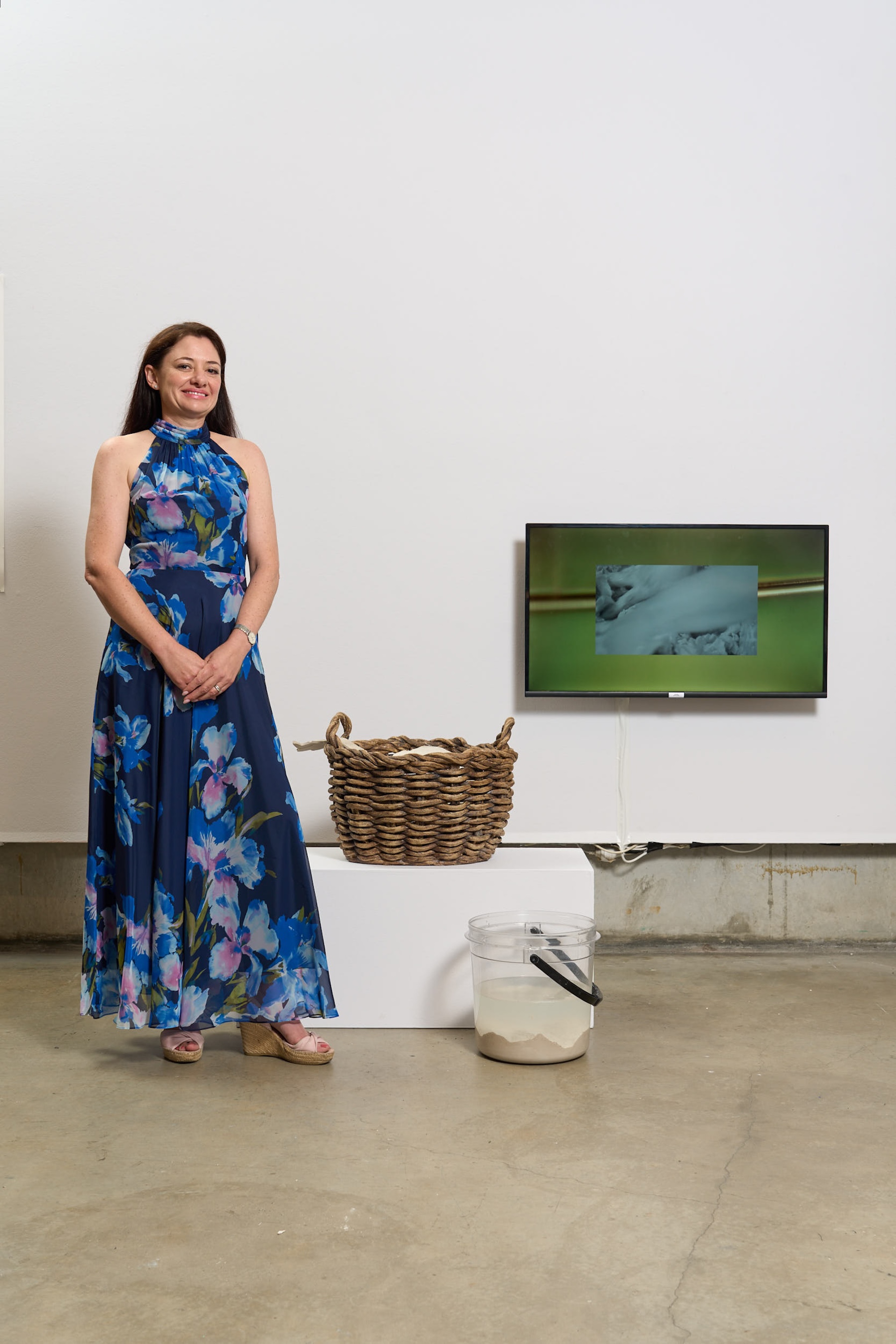
The ceramics featured in the exhibition are particularly impressive and varied. A standout presentation is Unseen/Undone by ceramic artist Ann Gillespie. This hyperreal work is a woven washing basket that is hard to believe is made of ceramic. Through this piece, Gillespie highlights the often-unrecognised labour of unpaid care, drawing from her own experiences caring for her child with a disability. The work is interactive, inviting the audience to take a sock made of dry clay and place it in the water, where it breaks down again. Gillespie was awarded the Helpmann Academy Major Exhibition Award, worth $10,000.
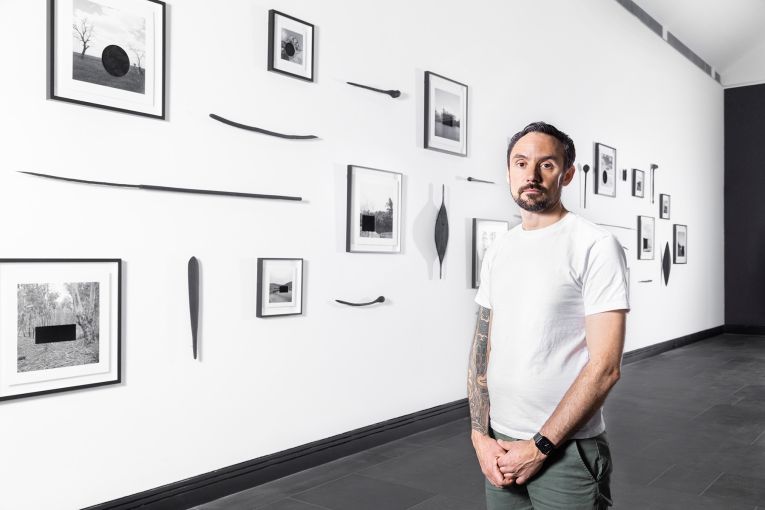
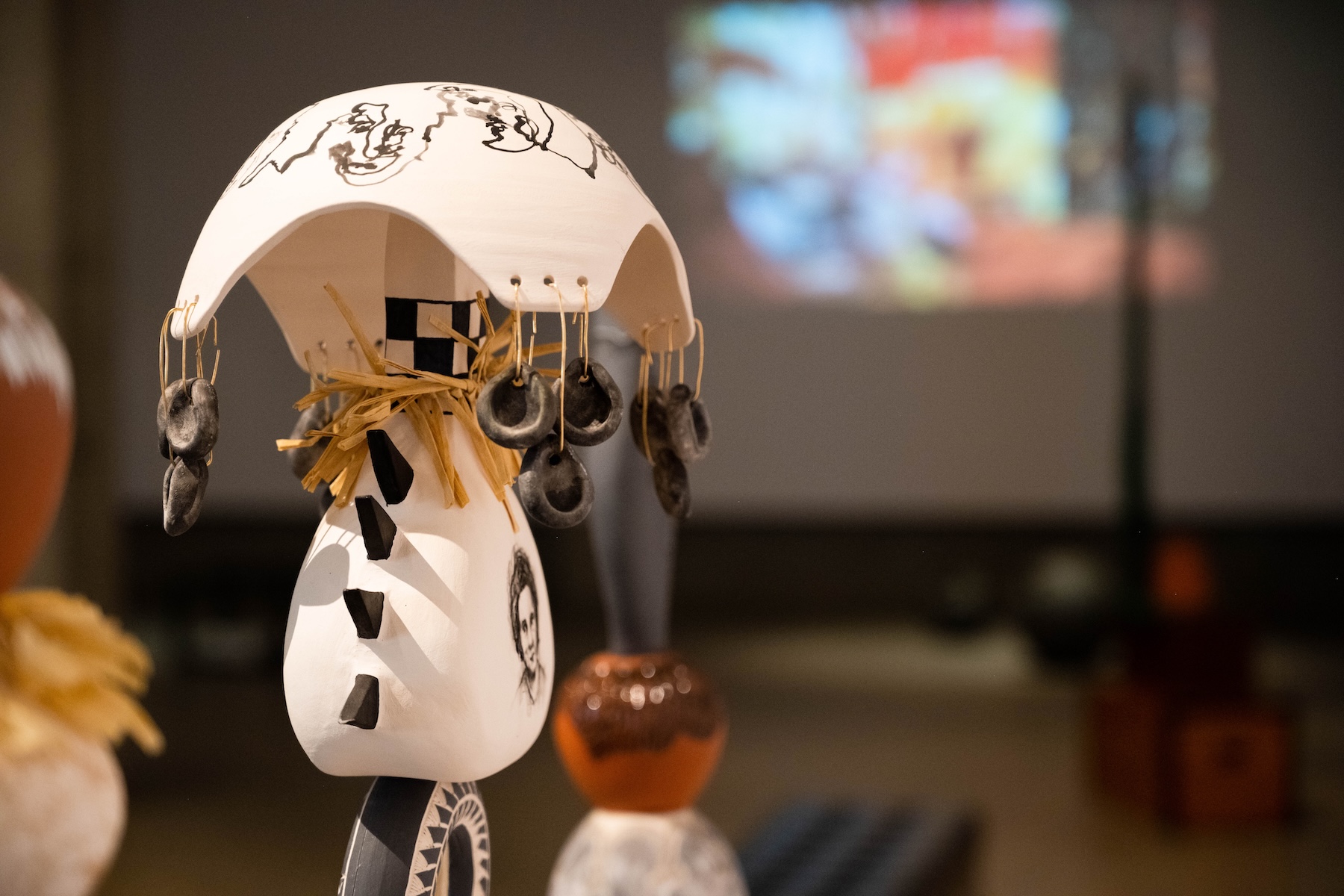
Another notable ceramic piece is Anglo-Australian/Fijian artist Tali Koto’s installation Sentinels. Drawing on her background, Koto uses form, texture, and materials to explore themes of identity and the complexities that arise from existing in two worlds. Her ceramic pieces are embedded with personal history and narrative, incorporating elements from both her Fijian and Australian heritage. The Sentinels serve as guardians of memory and heritage as the artist seeks to reclaim her Fijian culture and ensure it is not forgotten. Koto’s efforts were recognised as she received the $7,500 Fetzer Award for Excellence.
Like Koto, Natalya Boujenko, who received the McHugh Award, also aims to preserve her heritage. Her photograph Roots in Two Lands, part of the series Transcendence, captures her daughters and reflects her Ukrainian background. Set against a traditional Australian landscape, the subjects are dressed in traditional garments, holding painted oyster shells featuring cultural motifs. Boujenko effectively blends the two cultures by presenting traditional Ukrainian symbols painted on a common Australian food source.
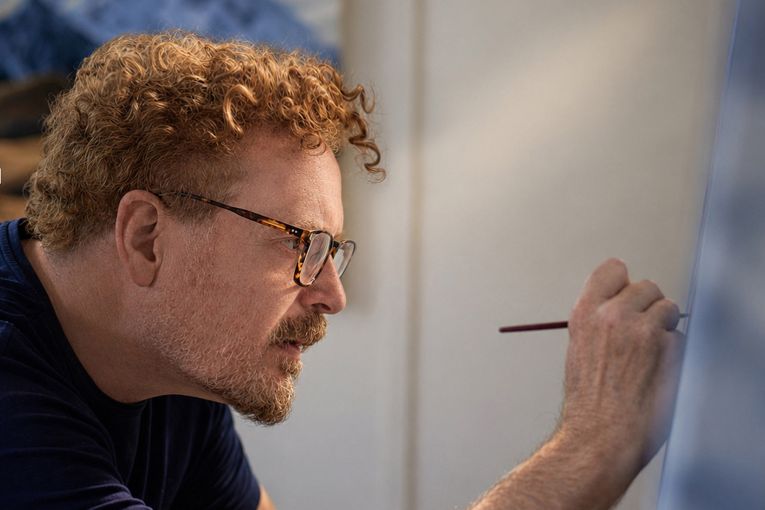
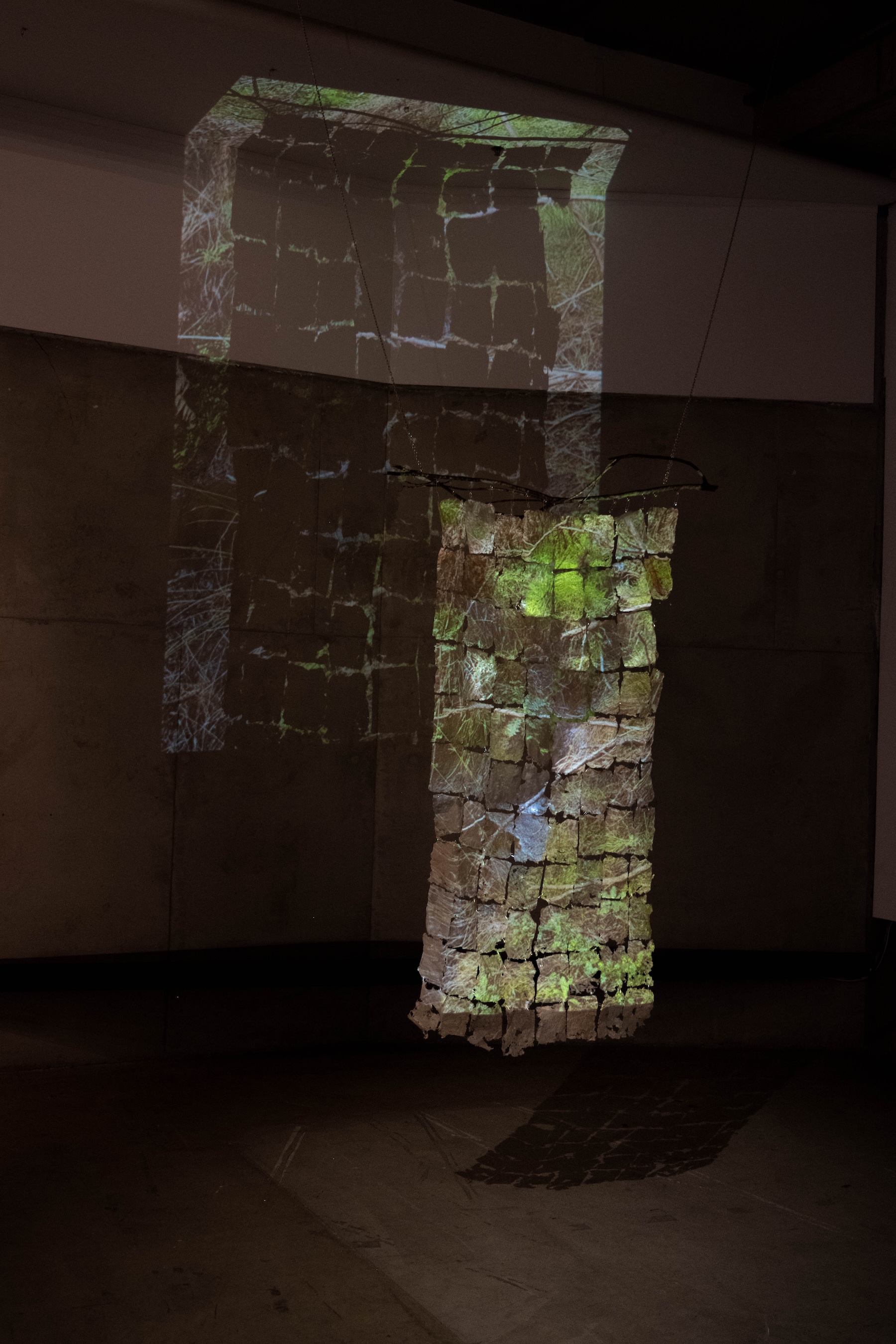
Frankie Acacia’s installation work nettle memory is also captivating. The artist uses stinging nettles to create delicate, translucent paper. Each piece is similar in size to a mobile phone and is hung together with safety pins through which a video work is projected. Acacia takes this hostile plant and repurposes it into a delicate and beautiful product. The video projection features imagery from the artists’ community examining what it means to be queer. Acacia is looking at ways of archiving through everyday materials and it’s extremely effective.
Subscribe for updates
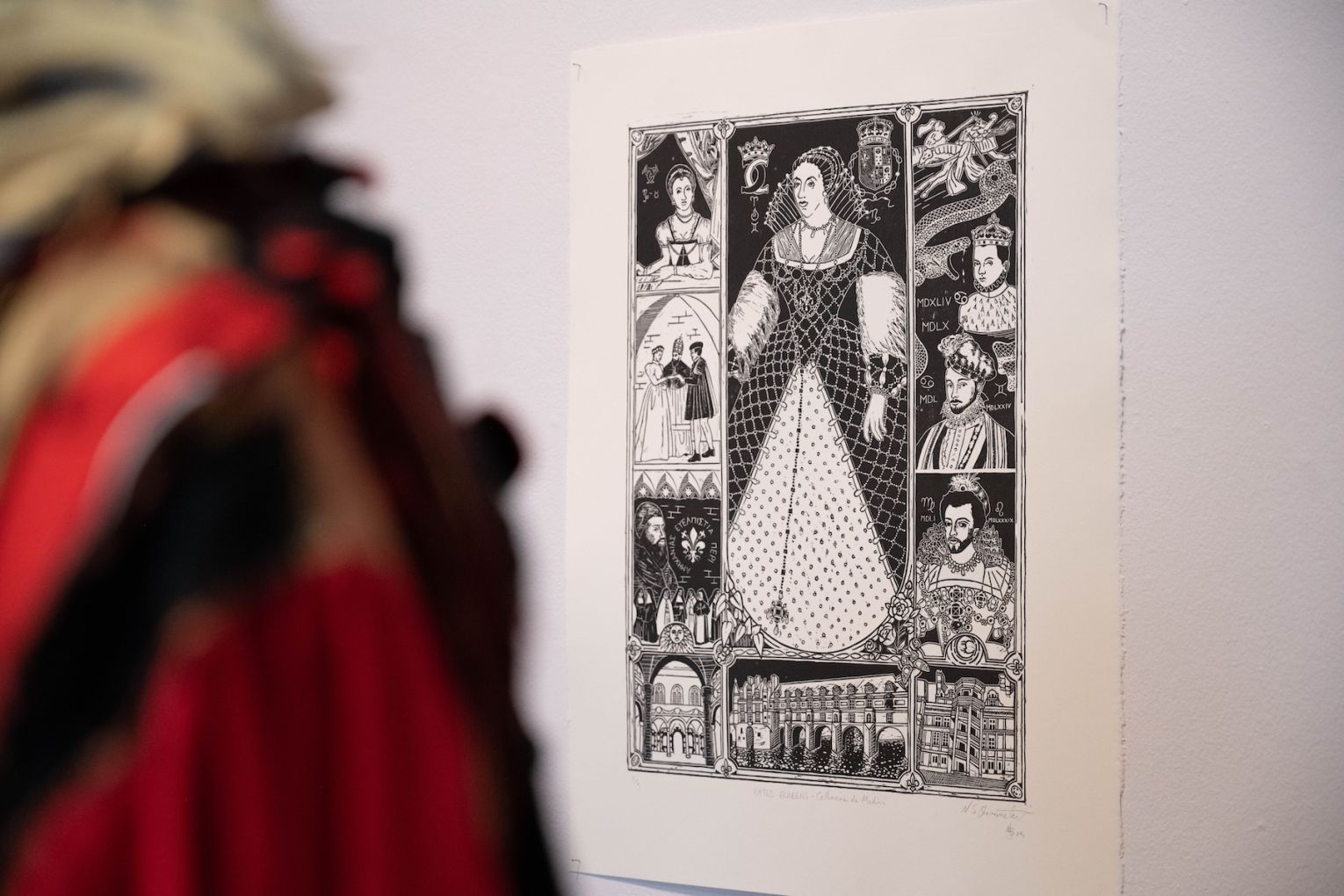
As the only printmaker, it’s worth highlighting the work of Nikolai James de Sierra-Sheremetev. In this digital age, it is refreshing to see handcrafted pieces being celebrated. The artist presents the linocut relief print, Catherine de Medici, from his series Hated Queens, which explores the lives of controversial and unpopular leaders from history. In this instance, Sheremetev looks at the life of de Medici, the Italian-Born Queen of France and encourages audiences to reconsider how patriarchal narratives have portrayed her. The artist has recreated her story from a different perspective through images taken from period works and contemporary photography. Sheremetev was awarded the Hill Smith Art Advisory Award valued at $5,000.
The Helpmann Academy Graduate Exhibition offers audiences the chance to discover the next generation of visual artists emerging from South Australia. Visiting the exhibition is not only an opportunity to experience and appreciate these captivating works, but it also allows visitors to begin collecting pieces from these future stars and to follow their careers from the outset.
The 2026 Helpmann Academy Graduate Exhibition is on display at SASA Gallery until March 21
Want to see more stories from InDaily SA in your Google search results?
- Click here to set InDaily SA as a preferred source.
- Tick the box next to "InDaily SA". That's it.
Free to share
This article may be shared online or in print under a Creative Commons licence