‘What if you’re the barnacle on the talent whale?’ Ash Flanders questions the online pile-on in new play
In his “thorny” new play Commentary, Ash Flanders opens the floor to skewer the age of social media, ‘bad men’ in the arts, and what happens when everyone is watching everyone else.
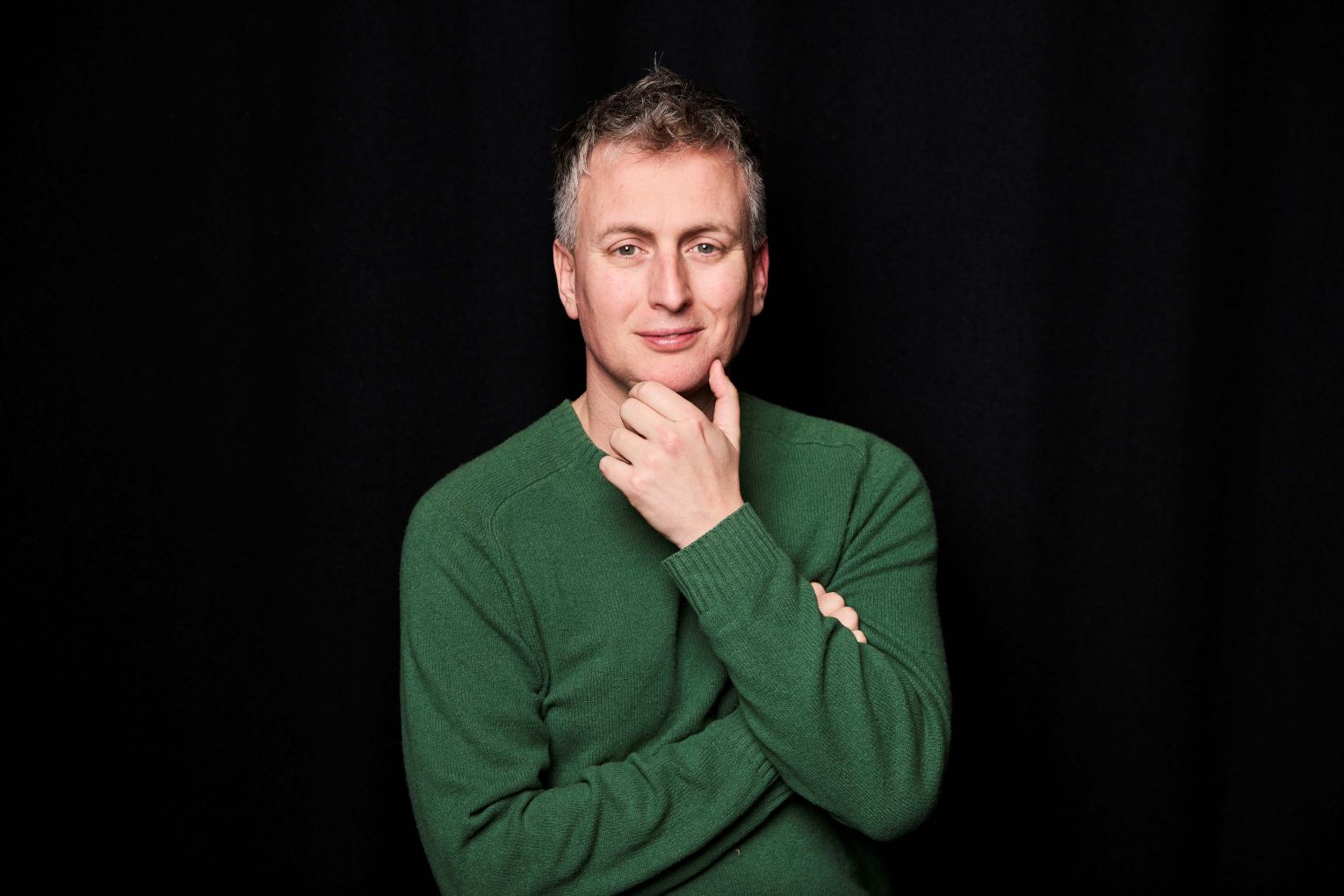
Playwright Ash Flanders says that some of the themes posed in his latest play were so controversial that one theatre company admitted it was “too scared to ask those sorts of things here”.
That play, Commentary, revolves around Nick, played by Gyton Grantley (Underbelly, House Husbands), a filmmaker turned university lecturer. Nick’s controversial debut feature film, Low, is being resurrected for a local retrospective film festival – a film he made with his best friend Hamish, now disgraced and presumed dead, and surrounded by issues of exploitation and abuse.
“Commentary is a thorny work that poses difficult, pertinent, unanswerable questions about culpability, complicity and power structures in the arts,” Flanders explains.
“The idea came from a few things but essentially we’re in an age now where we are asking the question, what do we do with art made by ‘bad people’, quote unquote.”
Flanders says the moral questions of the story are compounded by a modern context where optics are everything, and “everyone thinks they have an audience all the time and everyone’s watching them”.
“Even if they’re just private people, they are now concerned as if there’s a press corps at their door every day, and I decided to make it a little less binary in that the person who did the bad thing, you never even meet them in the show – it’s just the sort of ripple effect of it. Someone else is being held accountable for what their best friend did, I think because now it’s like if you supported that person or stood by them, that makes you just as complicit, and I have complicated feelings about that.”

You might like
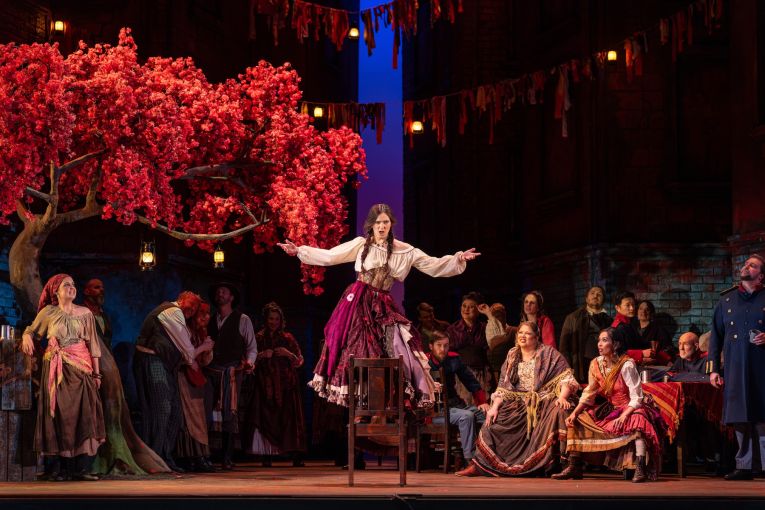
Despite these heavy themes, Flanders says he hopes audiences still find his characters “familiar and loveable and heartbreaking and funny”.
The play is directed by State Theatre Company South Australia artistic director Petra Kalive, who says that reading Commentary for the first time was a rare experience for her: she didn’t know what was going to happen next.
“It’s also not often my heart beats really fast when reading, and that’s what happened when I read Commentary,” she says.
“It felt really current, it felt like this was a conversation we weren’t having on our stages and I thought, we just have to put it on.”
Flanders is a multi-award-winning actor, playwright and screenwriter who created queer theatre company Sisters Grimm with friend Declan Greene, co-writing and starring in shows such as Lilith: The Jungle Girl (Melbourne Theatre Company/Traverse Theatre Scotland), The Sovereign Wife (Melbourne Theatre Company) and Little Mercy (Sydney Theatre Company).
Flanders admits there are elements of himself in Nick’s character, and he found himself examining his own creative partnership with Greene.
“I guess I just thought what would happen if Declan had done something terrible and suddenly all of that work and time was no longer something I could be proud of and celebrate?” he says.
“There’s also that constant fear that you’re the untalented one in the duo – what if you’re the not-so-great one, the barnacle on the talent whale?”
Subscribe for updates
Commentary, which incorporates multimedia elements including film, podcasts and Zoom on stage, also explores the impact of social media in how we connect with one another – or break off contact entirely.
“Social media provides the modern audience, the modern mob of people piling on and it’s this fear of what the mob is going to say and how is this going to play with them,” Flanders says. “You do see boycotts online and people demanding festivals take down work or artists pull out. The play also came about at a time where there was an arts festival happening and a bunch of artists were being pressured to pull out because of where the money was coming from for the festival – I just thought again, ‘Why are artists just expected to be moral at all times?’.
The story also explores the idea that social media has turned everyone’s lives into a narrative to be commodified.
“Everything has a story and everyone’s got a take and everyone wants to share that take with you … everyone wants to be in your ears, in your face, telling you what they think. So, it’s just a way of examining all the different lenses – being on camera, doing a speech, being private in a room, being watched.
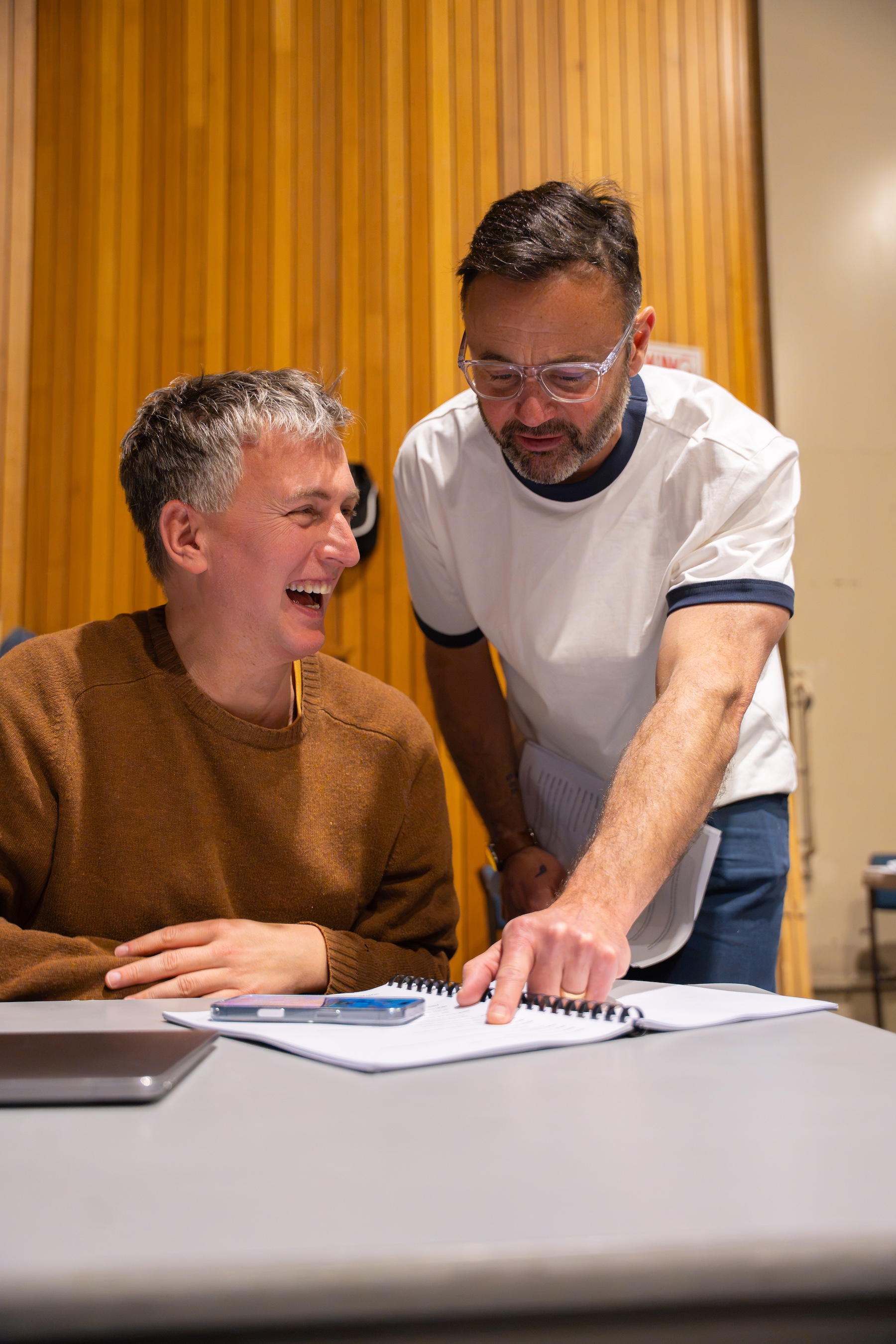
“Everyone acts differently under those different circumstances and it just provides a bunch of different lenses to view the ways we create our own history and our own narrative about our lives.”
Flanders is also fascinated by the disconnect between real life and online personas, and says he prefers his social media to be like a sorbet. “It should be really light and you barely notice it, it’s something sweet at the end of the day.”
He served up one such example last week, when the ABC TV show he stars in, Dog Park, won a Logie for Best Scripted Comedy program. Flanders found himself on stage accepting the award with his co-stars, taking to social media afterwards to celebrate the win, posting: “The statue is much like myself – awkwardly shaped and heavier than it looks… but thrilling to hold!”
Not taking himself or his work too seriously, while still delivering authentic and meaningful work is at the heart of this funny creative.
“Do you remember when everyone was putting black squares on their Instagram for while [as a form of protest]. A friend of mine said, ‘I notice she didn’t put up a black square’, and I was like, ‘Really? I don’t buy into that necessarily being a very effective form of activism’,” he says.
“Nor am I under the illusion that anyone is coming to Ash Flanders for the solution to huge systematic problems. No, I’m a funny guy, that’s about it. I like to entertain people and make them think but I’m not here to tell you what to do. I just hope Commentary will get people thinking and asking questions.”
Commentary is presented by State Theatre Company South Australia at Dunstan Playhouse from August 21 – September 5
Want to see more stories from InDaily SA in your Google search results?
- Click here to set InDaily SA as a preferred source.
- Tick the box next to "InDaily SA". That's it.
Free to share
This article may be shared online or in print under a Creative Commons licence