Tamám Shud: Phoebe Bridgers is the latest artist inspired by Somerton Man mystery
The American folk star’s new album Lost Weekend joins a long list of artists inspired by the 70-year-old Adelaide mystery – even after it was apparently solved.
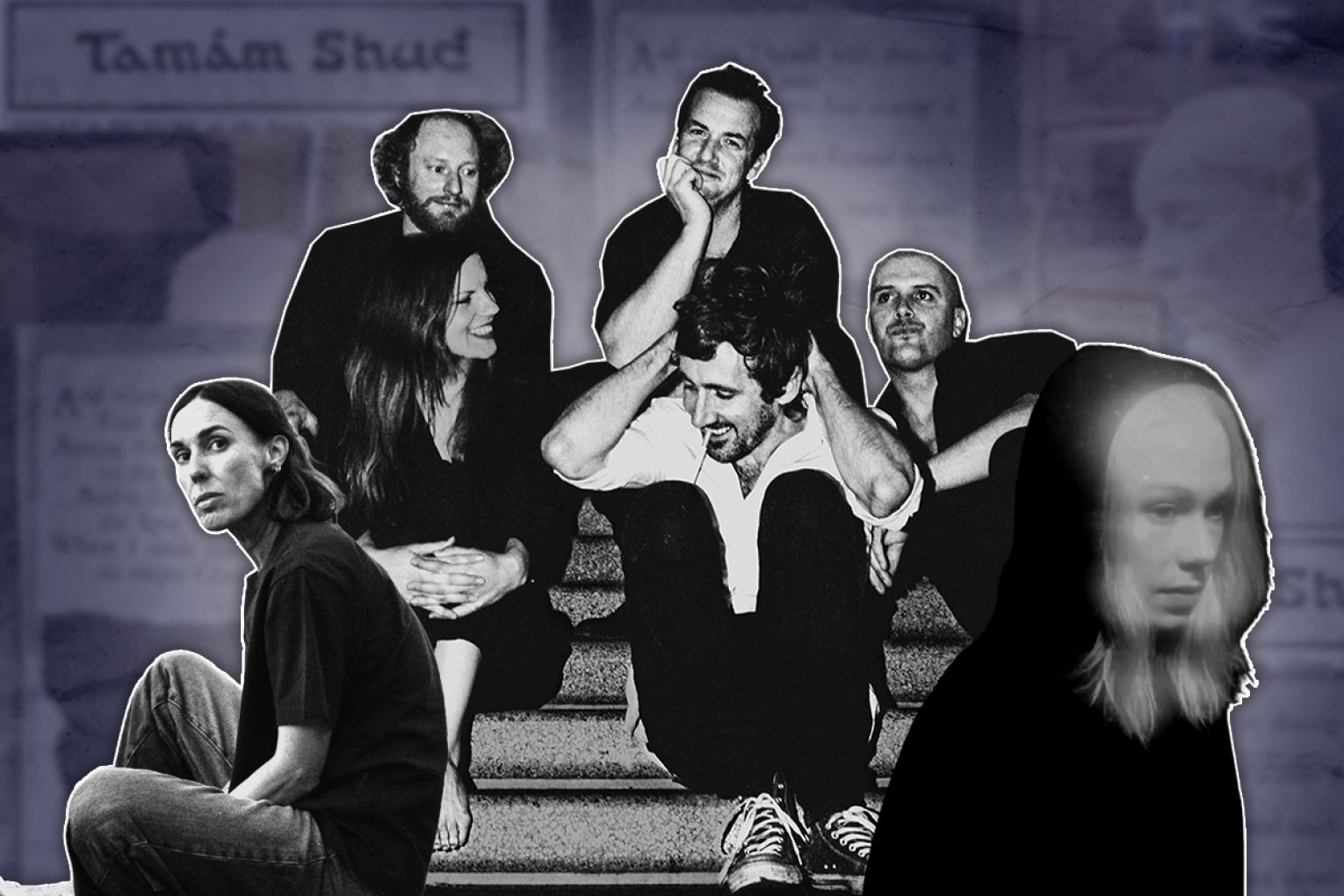
When Phoebe Bridgers dropped her first new solo album in six years on Friday, listeners of the Grammy-winning singer songwriter were quick to notice one striking phrase appear in the crescendo of track three, ‘Kill Me’.
Co-produced by regular Taylor Swift collaborator Jack Antonoff with vocal arrangements by Pulitzer Prize-winning composer and Roomful of Teeth co-founder Caroline Shaw, the song’s noisy crescendo sees Bridgers sing the words ‘Let’s go missing’ in call-and-response to a haunting choral refrain: ‘tamám shud.’
These two Farsi words, widely translated as ‘it is ended’ or ‘finished’, have a long history, appearing in The Rubaiyat of Omar Khayyám, a 19th-century English translation of poetry by the 11th century Persian intellectual. The translated Rubaiyat quickly drew its own cult following, but in 1949 those words gained new notoriety when they were found printed on a scrap of paper tucked into the trouser pocket of an unknown man found dead on Somerton beach months earlier on December 1, 1948.
With no other identifying marks found on the man’s body or clothing, it became one of a handful of head-scratching clues that helped make the ‘Somerton Man’ one of 20th-century Australia’s greatest mysteries. It remained unsolved for decades, even after a member of the public found the original copy of the Rubaiyat from which the scrap of paper was torn out (the fact that the book contained what appears to be an indecipherable code scrawled inside its inside cover further fueled speculation and Cold War intrigue).
Bridgers’ track is just the latest piece of pop culture to reference the case, from the 1960s psych rock band Tamam Shud, to a short story featuring fictional detective Phryne Fisher (Fisher’s creator, the late Kerry Greenwood, would later write a non-fiction book about the case in 2012). In 2015, it was popularised by the Australian rock band The Drones, who released the song ‘Taman Shud’ as the lead single of their sixth LP Feelin Kinda Free.
‘Why don’t anybody feel like crying / For the Somerton nobody with the hazel eyes?’ the band’s frontman Gareth Liddiard sings on the track.
You might like
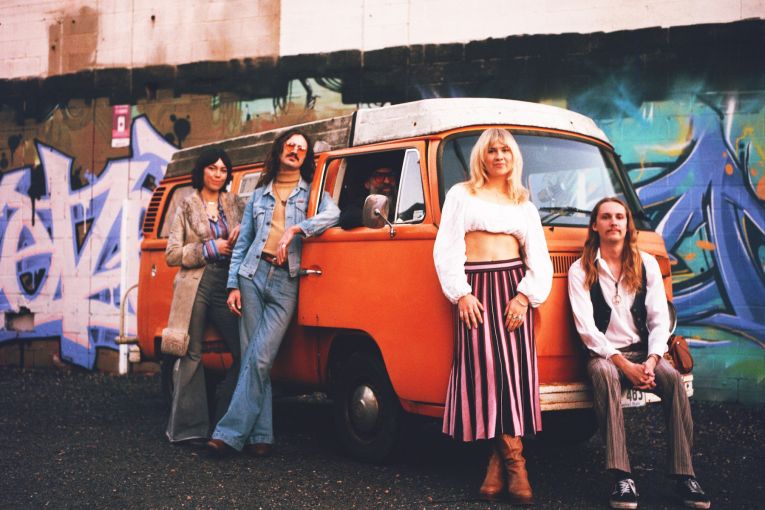
According to Liddiard, he fell down the Somerton Man rabbit hole when a friend sent him the Wikipedia page on the case.
“It’s literally the only thing on Wikipedia that reads well,” he explains. “It’s like reading a great novel.”
For Liddiard, the case’s international renown – “It’s one of the most famous crime stories in the world, and there’s people in the States, and in England, and all over who are heavily into it,” Liddiard says – served as a lightning rod for an incendiary reflection on Australia’s cultural cringe (the song inspired tabloid grumblings upon release for its references to the ‘Murdoch press’, opinion columnist Andrew Bolt, and ‘Anzackery’).
Liddiard says that the case’s enduring resonance taps into something deeper and disquieting.
“The disturbing part is how can someone be so thoroughly rinsed of their personhood?
“It’s just terrifying, you know? Everyone fears the abyss of anonymity, but that just takes it to the most extreme level – what’s really creepy about it is that he was erased. That’s the great tension in that story, that gives it legs.”
For singer-songwriter Holly Throsby, the mystery inspired elements of her second novel, 2018’s Cedar Valley. Like many, Throsby came across the story while “aimlessly googling and stumbling across various historical curiosities” online.
Subscribe for updates
“The Somerton Man really stood out as a particularly weird and interesting story. From an artistic perspective, I was very intrigued by the links to poetry, an uncrackable code, and a possible love story.”
Unlike other moments in Australian true crime, Throsby says the case is bizarre, but not particularly gruesome.
“This man lost his life, for whatever reason, and that must not be forgotten. But I think the circumstances around the Somerton Man’s death are so odd that the context has taken on a life of its own. Who was he? Why did no friends or family come forward when he died? What does the code mean? Why the Rubaiyat? And, for my book, one of the most pertinent questions is: Was there even a crime at all?
“I think unanswered questions create a lot of space for imagination.”
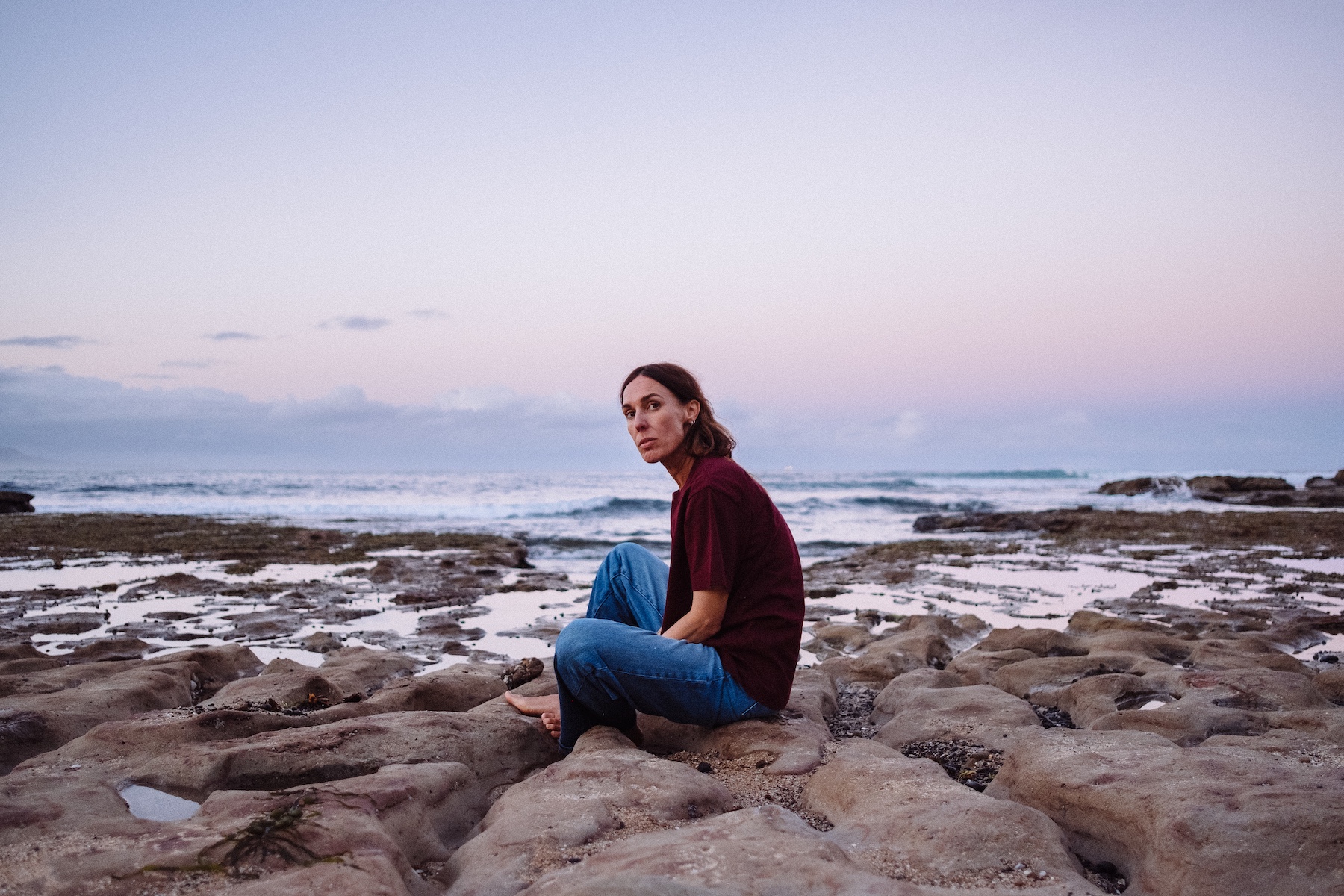
For Liddiard, it’s that lack of information that is so intriguing. “Like, if you hadn’t heard of it, who would think it’s real? It’s such a wild, ripping story – and very much a case of truth being stranger than fiction.”
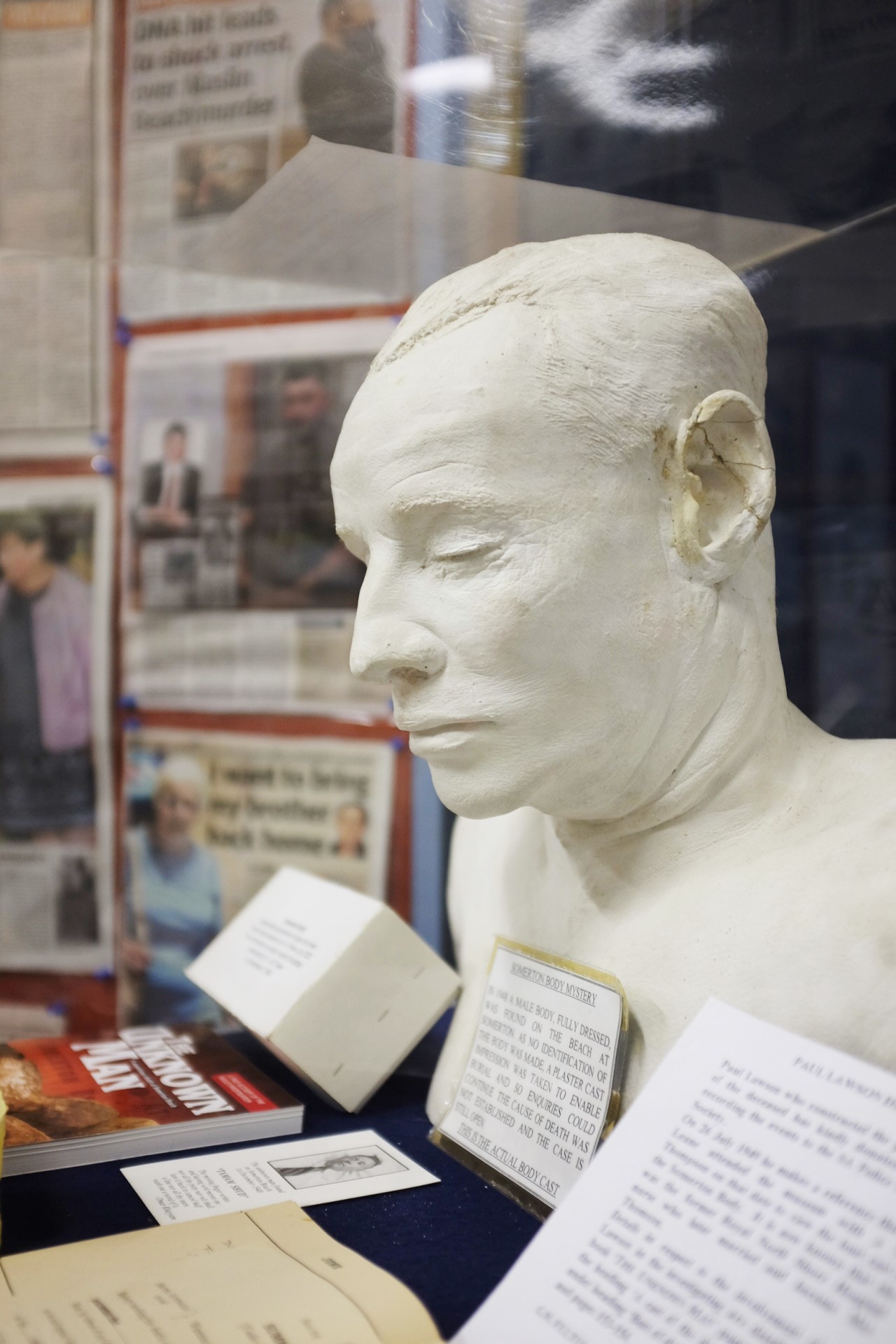
Prior to Bridgers’ track, the last time the case drew international attention was in 2022, when DNA collected from a plaster cast of the man’s face narrowed down his likely identity after seven decades: not a spy, or a ballet dancer, but a Victorian engineer named Charles Webb who travelled to South Australia after the breakdown of his marriage.
Despite this sad, rather than sensational, conclusion to the story, Bridgers’ track suggests the story’s cultural impact holds weight beyond the facts of the case.
“It’s like joining a club or something like that,” Liddiard reflects. “We’ve been bumping into the initiated ever since then, and we’ve been initiating people into it too.”
As for how Bridgers herself joined the club? InReview’s conspiracy theory of choice points to the fact that not one but two former bassists in her touring band – Anna Butterss and Emily Retsas – are from Adelaide, with the latter performing alongside Bridgers in Adelaide at Laneway Festival 2023.
But, as the case reminds us, sometimes the mystery is the point.
Phoebe Bridgers’ new album Lost Weekend is out now. Holly Throsby will release her seventh album Normal Magic on September 4, while The Drones are currently touring Australia, playing The Gov on September 4.
Want to see more stories from InDaily SA in your Google search results?
- Click here to set InDaily SA as a preferred source.
- Tick the box next to "InDaily SA". That's it.
Free to share
This article may be shared online or in print under a Creative Commons licence