‘A love letter to becoming’: West End star Baylie Carson’s Cabaret Festival homecoming
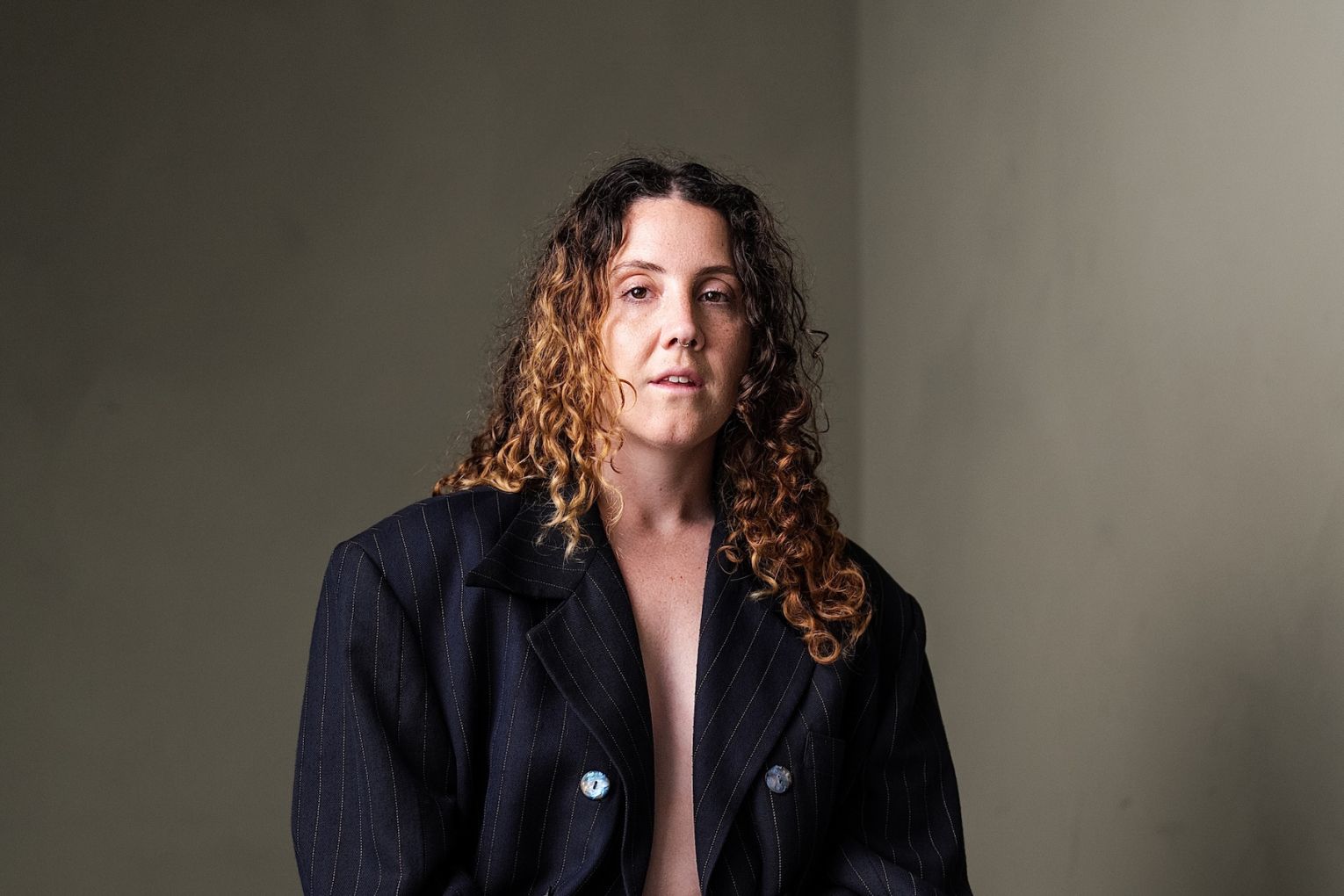
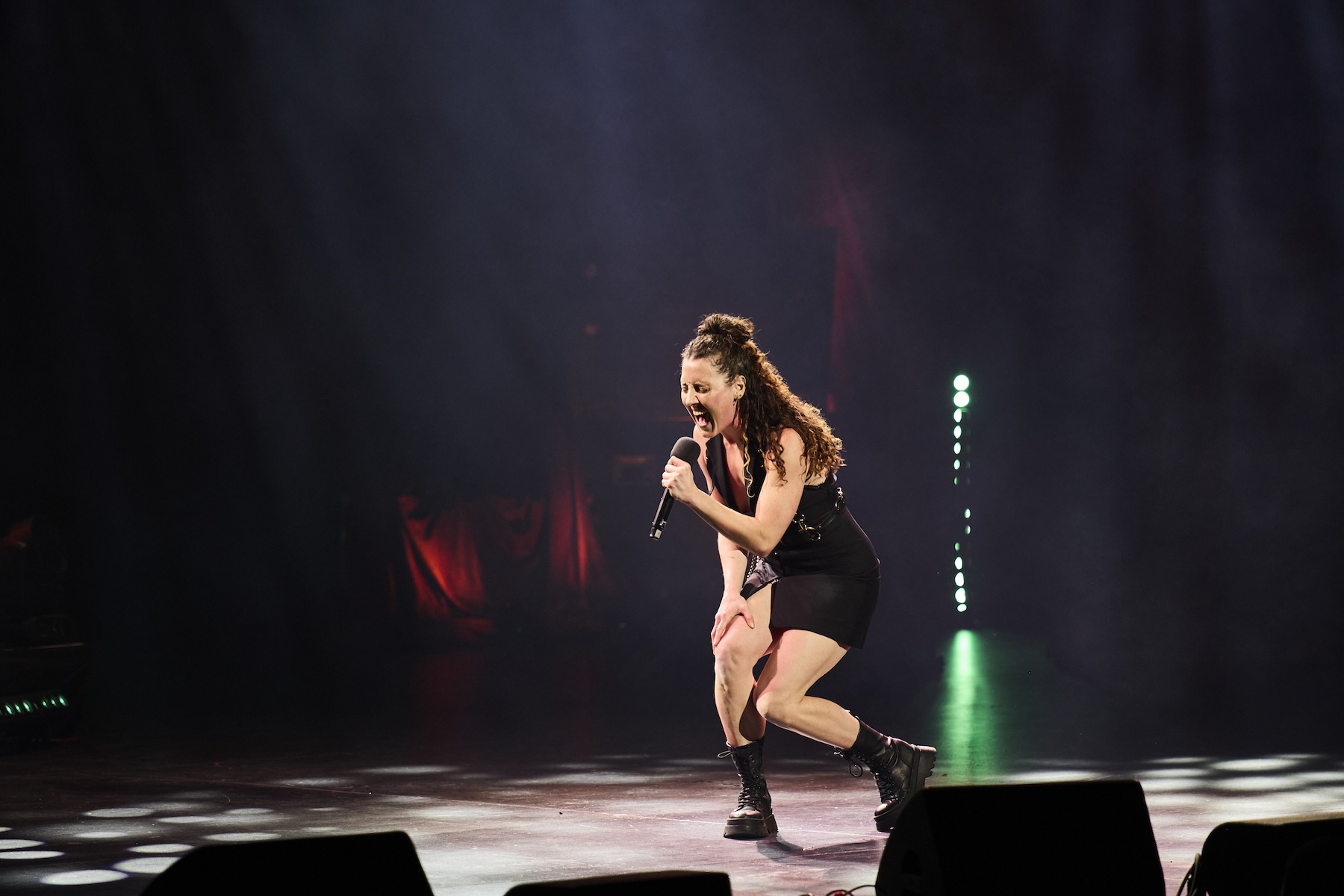
Adelaide expat Baylie Carson has spent years treading London’s boards as the star of West End musicals like SIX and Mean Girls. This month, the powerhouse performer heads home to share their deeply personal new work, Baylie Carson is Handsome (ish), as part of Adelaide Cabaret Festival.
For those who aren’t familiar with work, can you give us a quick rundown of your career so far?
I graduated from WAPA in 2015 and made my professional debut in Dusty as Mary O’Brien. That production toured to the Festival Theatre in Adelaide, which felt like a real full-circle moment because performing there had always been a childhood bucket-list goal of mine. After that, I worked extensively with the production company and toured Australia in a range of productions.
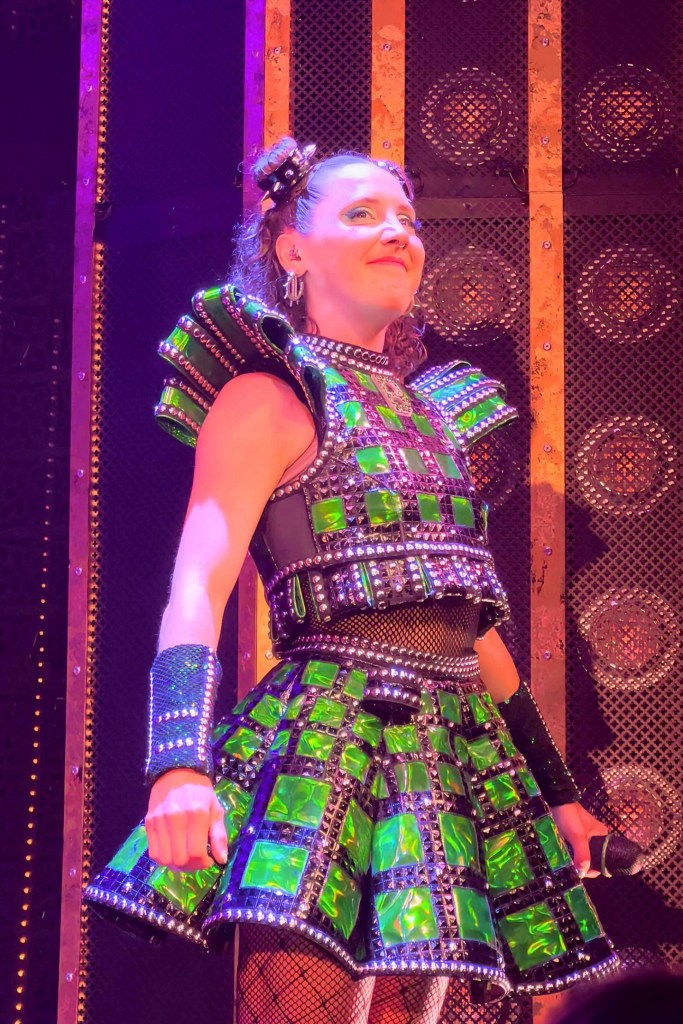
I later joined Jagged Little Pill, and then moved to London for SIX The Musical, where I played Boleyn and became the first non-binary performer to play the role in the West End production. That was a huge milestone for me and something I’m incredibly proud of. Since then, I joined the original West End cast of Mean Girls, where I worked with Tina Fey, which was pretty surreal. Most recently, I finished with the original London cast of Ride the Cyclone, playing Ocean, which wrapped in January.
Some major highlights along the way have been performing at the Royal Albert Hall for the 2023 Olivier Awards and appearing at West End Live in Trafalgar Square. Those moments still feel wild to think about.
Can you tell us about the origins of your Adelaide Cabaret Festival show, Baylie Carson is Handsome (ish)?
The origins of Baylie Carson is Handsome (ish) came from a moment that honestly made me laugh more than anything else. When I was announced in SIX, my social media was flooded with reports claiming I was posting unsafe or harmful content. The “harmful content” was literally just a headshot of me. That was it. The absurdity of people rallying together over something so harmless was kind of unbelievable.
One of the comments left that day said: “You’ll never be a man. You’ll never be handsome.” I was called handsome my whole life and I hated it. Then the moment I became handsome, suddenly that was a problem, too. That contradiction became the starting point for the show.
At its core, Baylie Carson is Handsome (ish) is a love letter to becoming. It explores identity, language, perception, and the strange ways people decide who gets to belong. More than anything, though, it’s about connection. I’m more interested in asking “why” you are, rather than “who” you are.
You might like
What can audiences expect to see and hear and feel?
I want people to walk away from the show feeling joy in the understanding that we are all travelling through something together. Even though the show touches on identity and public perception, it’s ultimately playful, honest and human. Audiences can expect storytelling, music, comedy, and conversations that feel real. I want it to feel like an invitation rather than a lecture — something people can see themselves inside of, regardless of their own experiences.
This show has been described as a personal journey through your life, rather than hiding behind a character. Can you unpack this idea?
For me, authenticity has always been a superpower. Whether I’m playing a character or standing on stage as myself, there’s always an element of truth involved. We all wear different masks as we navigate the world, but the stage has always been the place where I feel most present, most honest, and most connected to who I am.
In many ways, the truest version of myself has always existed on stage. This show simply removes another layer and invites the audience into that journey more directly.
I’m very open about who I am, both on and off stage, because representation matters. If someone sees part of themselves reflected in my story, perhaps it gives them permission to embrace their own identity more fully. Ultimately, the show isn’t about hiding behind a character or revealing some secret version of myself—it’s about celebrating authenticity and encouraging others to stand proudly in their own.
What kind of bias or discrimination have you experienced as a non-binary performer?
This is something I touch on in the show, but it isn’t the focus. At its heart, the show is about queer joy, self-discovery, and the power of authenticity.
I also recognise that I hold certain privileges. As someone who is often perceived as female and who doesn’t fit many people’s assumptions of what a trans or non-binary person “should” look like, my experiences differ.
I’ve been fortunate to work in spaces where I’ve been able to be openly non-binary and play characters while remaining authentically myself. Most of the discrimination I’ve experienced has come online, where transphobia and criticism are often directed at my gender expression.
One thing I’ve learned through my own journey is that people naturally try to create categories and labels to understand the world. But for me, being non-binary is about stepping outside rigid expectations and recognising that identity can be far more expansive than the boxes we’ve created.
Subscribe for updates
Something I think about a lot is tokenism. Sometimes organisations are eager to celebrate diversity publicly, but the deeper work of creating genuinely safe and inclusive environments hasn’t yet happened behind the scenes. In those situations, marginalised artists can find themselves carrying the additional responsibility of educating, advocating, and creating change while also doing their jobs.
That can be difficult, especially for young performers or people early in their careers who may still be finding their voice. Speaking up often requires courage, and there can be real concerns about professional repercussions. I think the industry is improving, but there is still work to be done.
How do you process that?
In the show, I describe a gender journey as feeling a bit like a second puberty. It’s a process of growth, self-discovery, and learning who you are.
When I first began understanding my own identity, criticism and negativity affected me deeply. At that stage, I was still figuring things out and often wished I could avoid being perceived altogether. Over time, however, I’ve become much more grounded in who I am. Now, when I encounter hostility, my reaction is very different. More often than not, I feel sadness for the fact that someone can be so affected by another person’s existence. It reminds me that those reactions usually have more to do with someone’s own fears, struggles, or unresolved issues than they do with me.
In public, I’m aware that my experience is shaped by privilege. Much of my awareness around personal safety comes from navigating the world as a woman, which is where I’ve personally experienced the greatest vulnerability. At the same time, I have friends who experience harassment and hate crimes simply for existing as themselves, which is why allyship and community support remain so important.
What I’d really emphasise is that while these topics are part of the story, they are not the story. This show is not about the hardships of being non-binary. It’s about discovering the power that comes from authenticity.
At its core, the show is about connection. We live in a world that often emphasises division and individualism, but human beings are deeply communal creatures. We need one another. We grow through our relationships with one another. The message I hope audiences leave with is simple: “This show isn’t really about me. It’s about all of us. We’re all travelling through this world together.”
What does it mean to you to be awarded the Frank Ford Commission and be part of Adelaide Cabaret Festival more broadly?
Being awarded the Frank Ford Commission honestly means so much to me. I’m from Adelaide, and I actually haven’t performed there since 2016, so returning home with a work that feels this personal is incredibly special. The commission gave me the time and space to develop a project centred around human connection, which is something I care deeply about. Adelaide Cabaret Festival genuinely changed the trajectory of my life growing up. I remember seeing artists perform there and realising that cabaret could be bold, funny, personal, political, chaotic all at once. To now be part of that festival myself feels surreal. It’s one of those moments where younger me would be completely beside themselves.
What do you love about what you do ?
What I love most about performing is that it allows for complete abandonment. It’s one of the few spaces where you can fully express yourself in real time and share that experience with a room full of strangers. There’s something really special about that exchange and connection between performer and audience.
Baylie Carson is Handsome (ish) plays the Space Theatre from June 11 – 12 as part of Adelaide Cabaret Festival
Want to see more stories from InDaily SA in your Google search results?
- Click here to set InDaily SA as a preferred source.
- Tick the box next to "InDaily SA". That's it.
Free to share
This article may be shared online or in print under a Creative Commons licence