‘Hope is like a muscle’: Gabrielle Nankivell finds meaning through movement
The world has changed a lot in the seven years since Gabrielle Nankivell first created Future History. As she prepares for the show’s return, she says one thing that hasn’t changed, is how the body is a marker of resilience and hope.
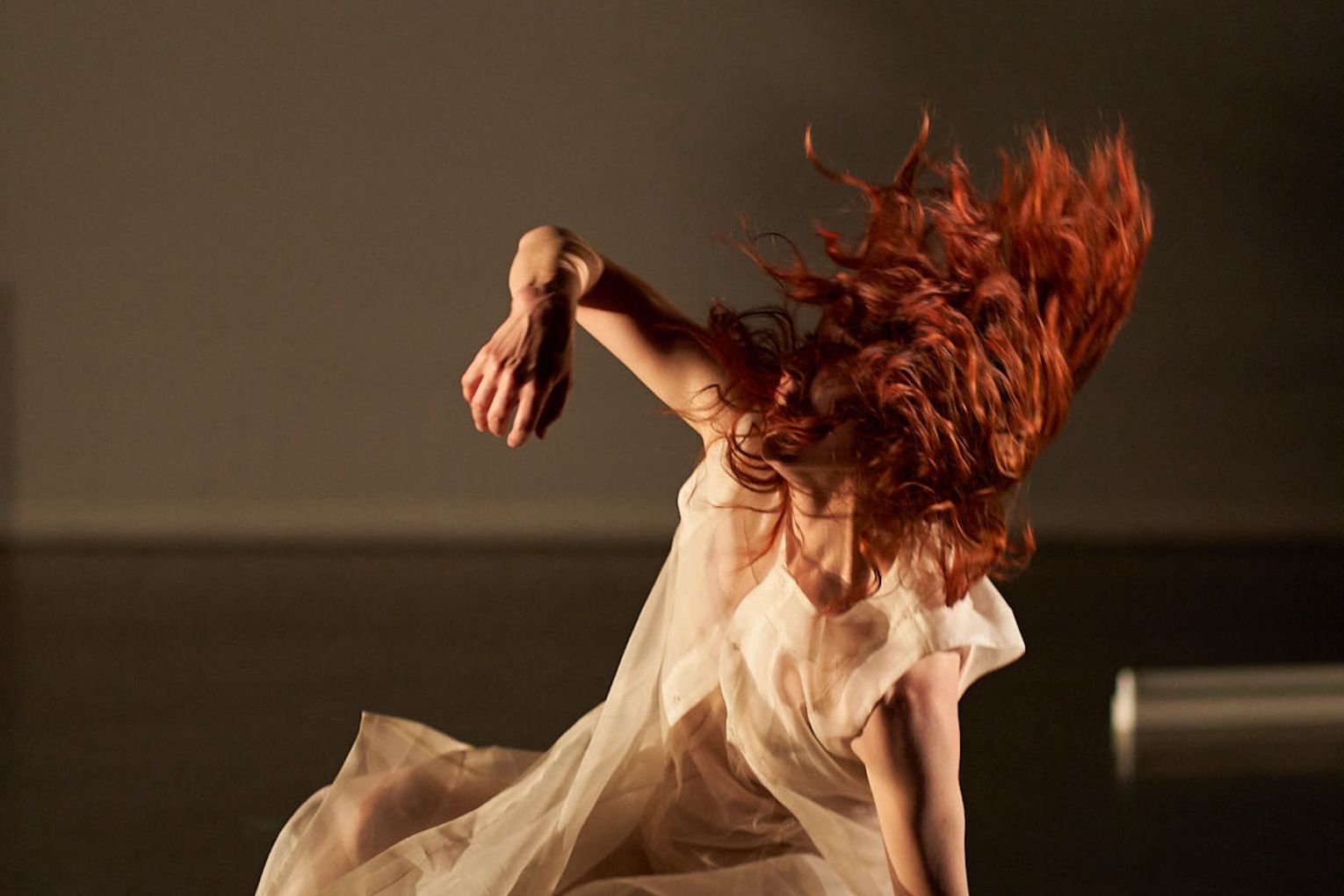
Australian director, performer and choreographer Gabrielle Nankivell often works on projects that interrogate what it means to be human, to connect, and to be resilient.
“There’s a timelessness to this, where people will read the work in relation to the time they’re living in,” she says.
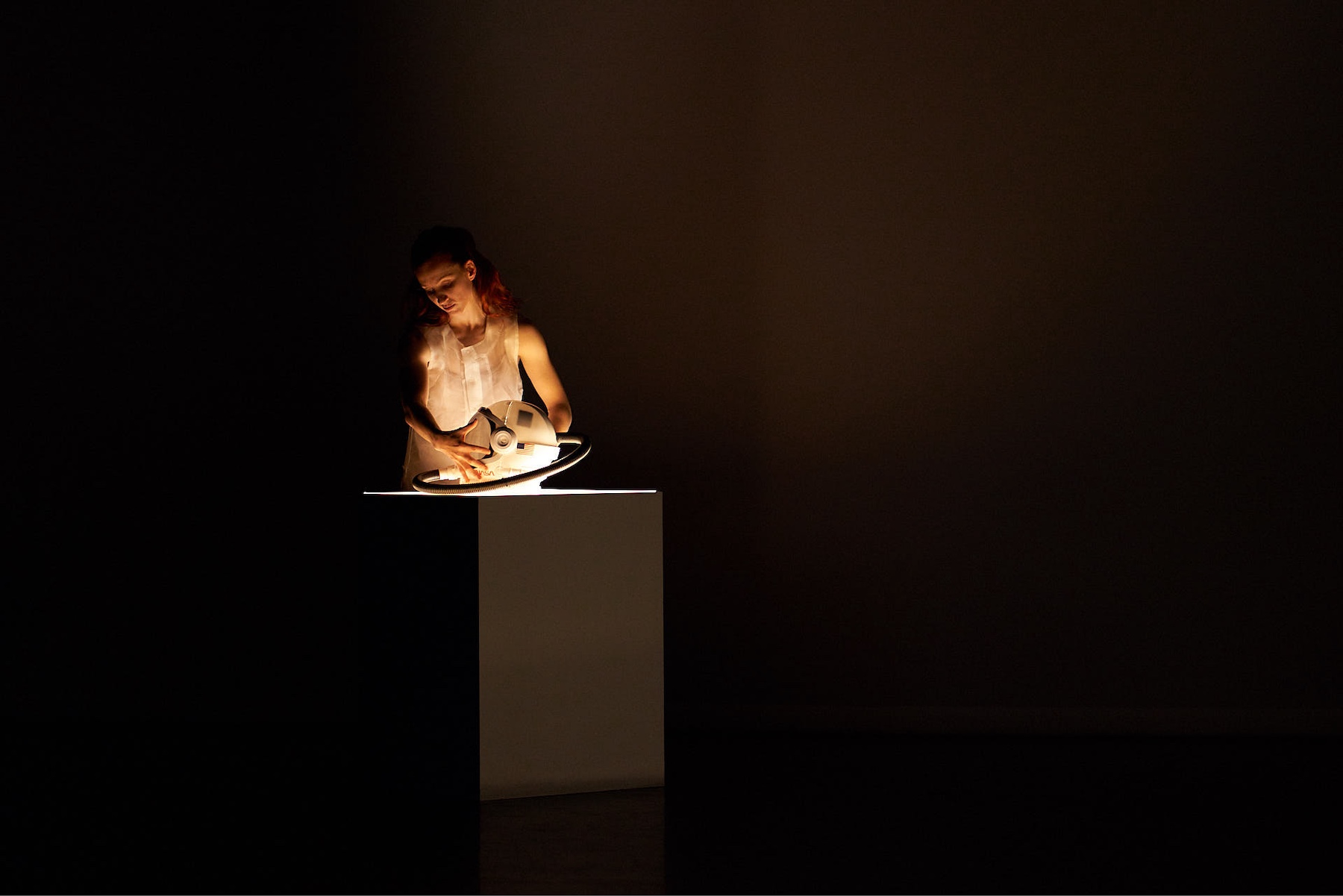
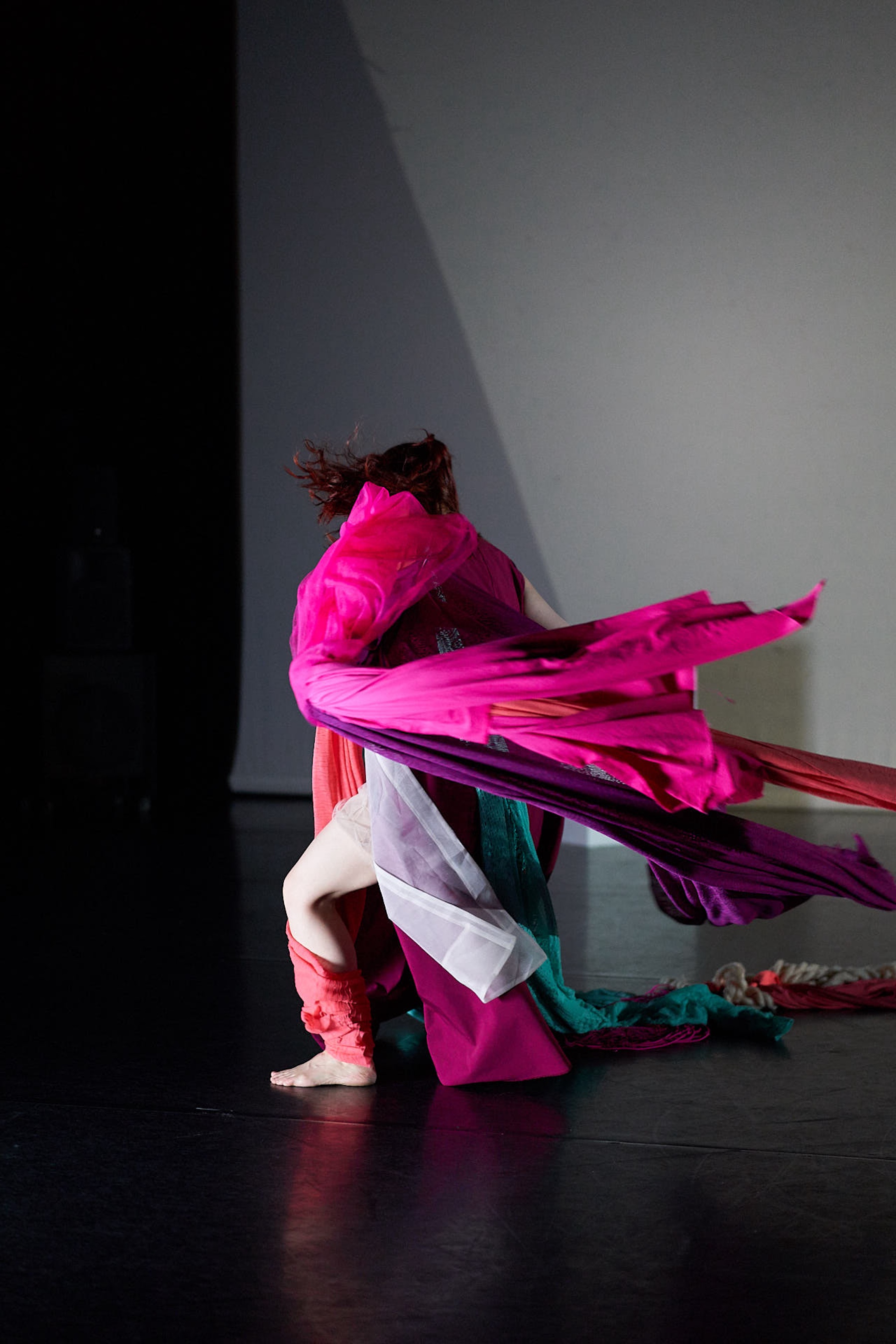
One of these projects was her 2019 show Future History, a full-length solo performance born from her 2019 Arts South Australia Fellowship research.
“It was really about investigating the influence of personal history and artistic lineage on the way we work and also the art we make,” she says.
The project saw Nankivell visit places she had worked and lived in and artists she had collaborated with over the 20 years prior. She describes the work as deeply personal, yet universal.
“It really rests on the strength of the collaborative relationships and the shared disparate history that’s woven together, but with huge gaps in between,” she says.
Nankivell is now preparing to bring Future History back as part of Australian Dance Theatre’s ORBIT program.
A great deal has changed since she first debuted this work – a pandemic, invasions and conflicts, developments in artificial intelligence, major climate disasters – but Nankivell says Future History remains a timeless piece.
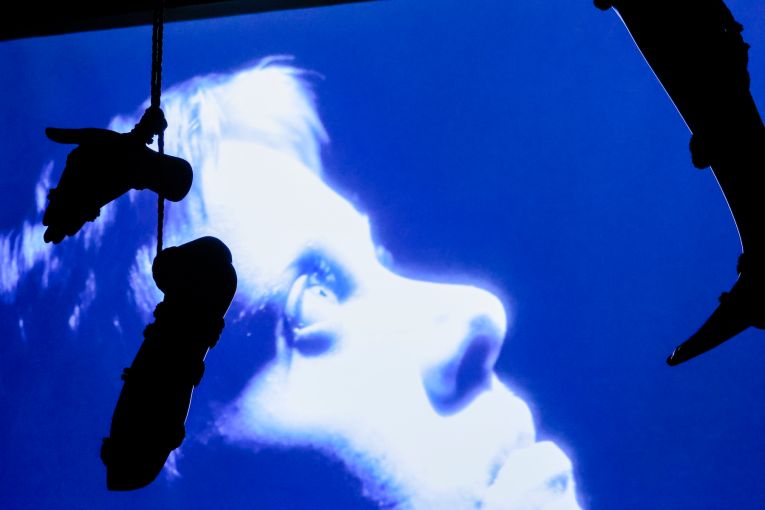
“I’m sure all of the of change and disruption and rebuilding that’s happened in this last six or seven years allows the people who are receiving the work, or witnessing the work, or co-building the work, to watch and know they’ve also had that change and rebuild,” she says.
“I think that’s the interesting thing with performance work: it only is what it is because of how people witness it and receive it.
“So much of that is about where they [the audience] are at.”
One element that helps the piece remain timeless is that it a “body-based work”.
“It’s really one body on stage,” she explains.
“Our bodies have constantly defied expectations; they also constantly rearrange the horizon of what we think is possible.
“Dance is a real reminder of the agency of the body and its ability to connect and to persist and I think that’s the really important thing about the art form, and why it’s so irreplaceable in all the threats that we’re facing in this day and age.”
Today, a career in dance looks different to when Nankivell first started her practice.
Originally from South Australia, Nankivell says she was lucky enough to go on to travel the world and build an eclectic catalogue of experiences – everything from modern ballet to circus.
“I’m very much from an era where you imagine something and then you work to make it happen and you beg, borrow and steal and you just go and ask questions in crazy places and then find yourself on a 14-city tour of Spain,” she says.
“The landscape of the arts globally has changed so much in the last 25 years – I don’t know how possible that is anymore.”
Subscribe for updates
Nankivell says that while creativity amongst the dance community remains in full swing, she feels as though the industry is in a challenging place due to levels of support eroding over time.
“The things people are proposing to do in terms of furthering the art form, connecting with community, it’s all amazing interesting, cool, inspiring projects … there’s just not enough fiscal support to support all of those things,” she says.
"The landscape of the arts globally has changed so much in the last 25 years – I don’t know how possible that is anymore."
“It’s very scary thinking about the perception that art isn’t needed because society is busy being more worried about the cost of living and survival.
“Art is one of the things that helps people to survive, and it is intrinsically important and it will never go away.”
One initiative that is working to support the industry is ORBIT, a new touring program designed to take independent dance around the country, led by Australian Dance Theatre, Dancehouse, and Sydney Dance Company. Future History is one of the productions on the circuit.
“It’s [ORBIT] a really important mechanism because it allows you to have a supported platform to reach people, and to reach people in real-life,” Nankivell says.
When we talk about reach, it is often in the context of social media, but Nankivell says, particularly when it comes to dance, there is no substitute for being in the room.
“There’s a whole kinaesthetic transmission that happens between bodies … all these things that are communicated through proximity and gesture,” she says.
The sensation at the end of a show, when the lights go down and the audience holds a collective breath, is a something that Nankivell hopes we never lose.
“Sometimes people are using that moment to try and get themselves together before the lights come up and the curtain call happens,” she says.
“That shared experience in a shared space is really, really important – our society disappears if we don’t practise that.”
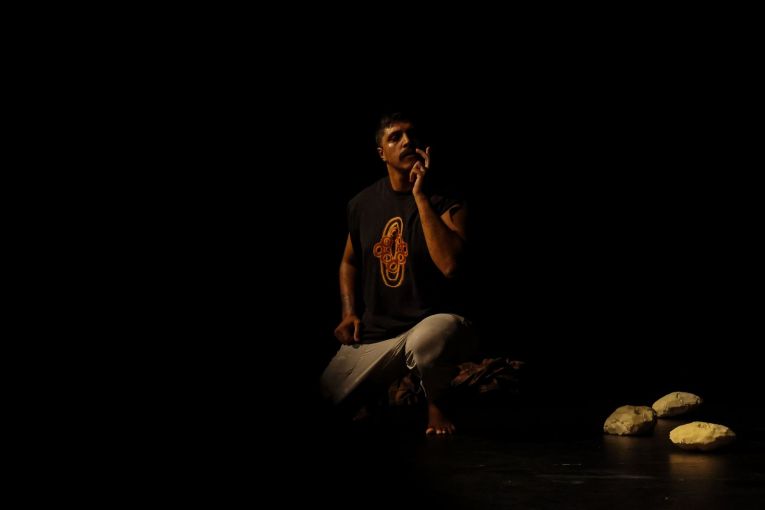
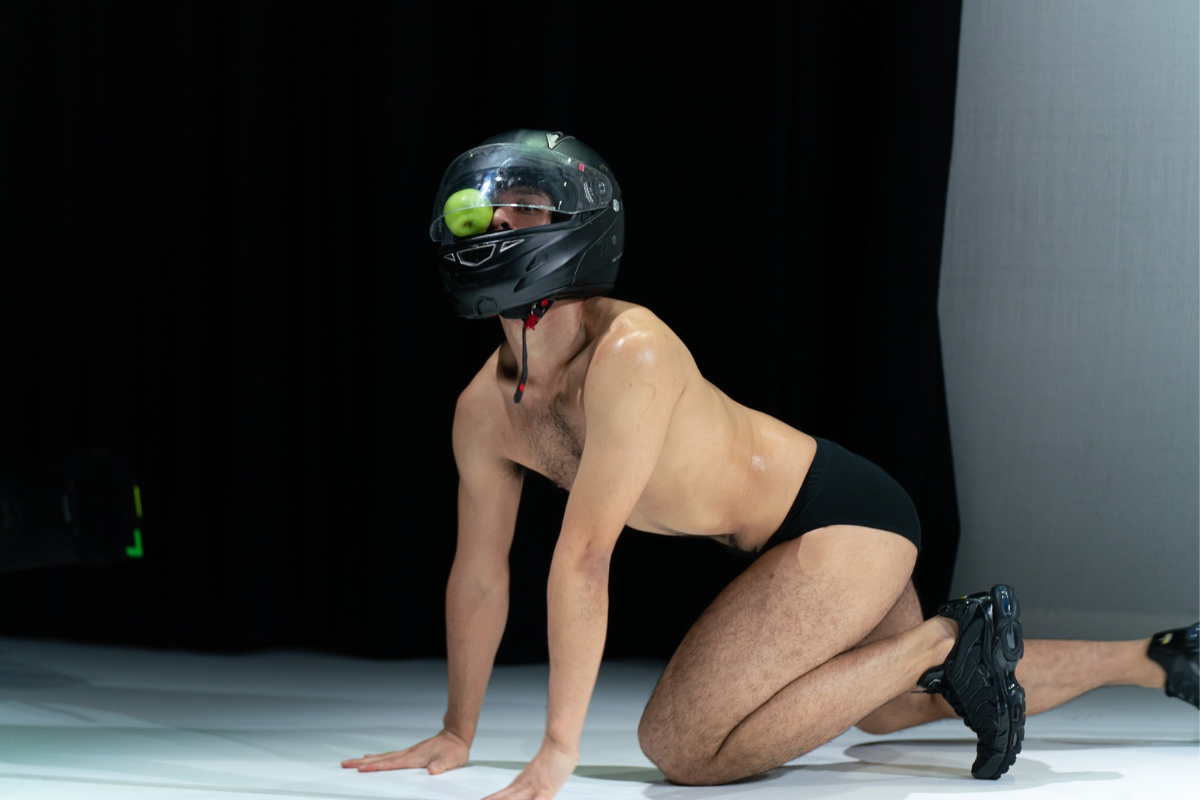
When it comes to ORBIT, Nankivell says that the four works – Agitato by Jo Lloyd, Charcoal by Keia McGrady, [gameboy] by Amy Zhang, and Future History – all engage with a sense of hope, something she believes audiences need in this moment.
“That’s something else that I think is really beautiful about these live performances: they’re a little reminder that we’re resilient and hope is something that’s important to nurture.
“You’ve got to keep exercising hope; it’s like a muscle.”
ORBIT is presented at The Odeon across two weeks from November 5 – 14.
Want to see more stories from InDaily SA in your Google search results?
- Click here to set InDaily SA as a preferred source.
- Tick the box next to "InDaily SA". That's it.
Free to share
This article may be shared online or in print under a Creative Commons licence