Theatre review: I’ll Sleep When I Die
The physical and psychological impacts of overwork are horrifying. So, what better way to explore them than through the genre of horror?
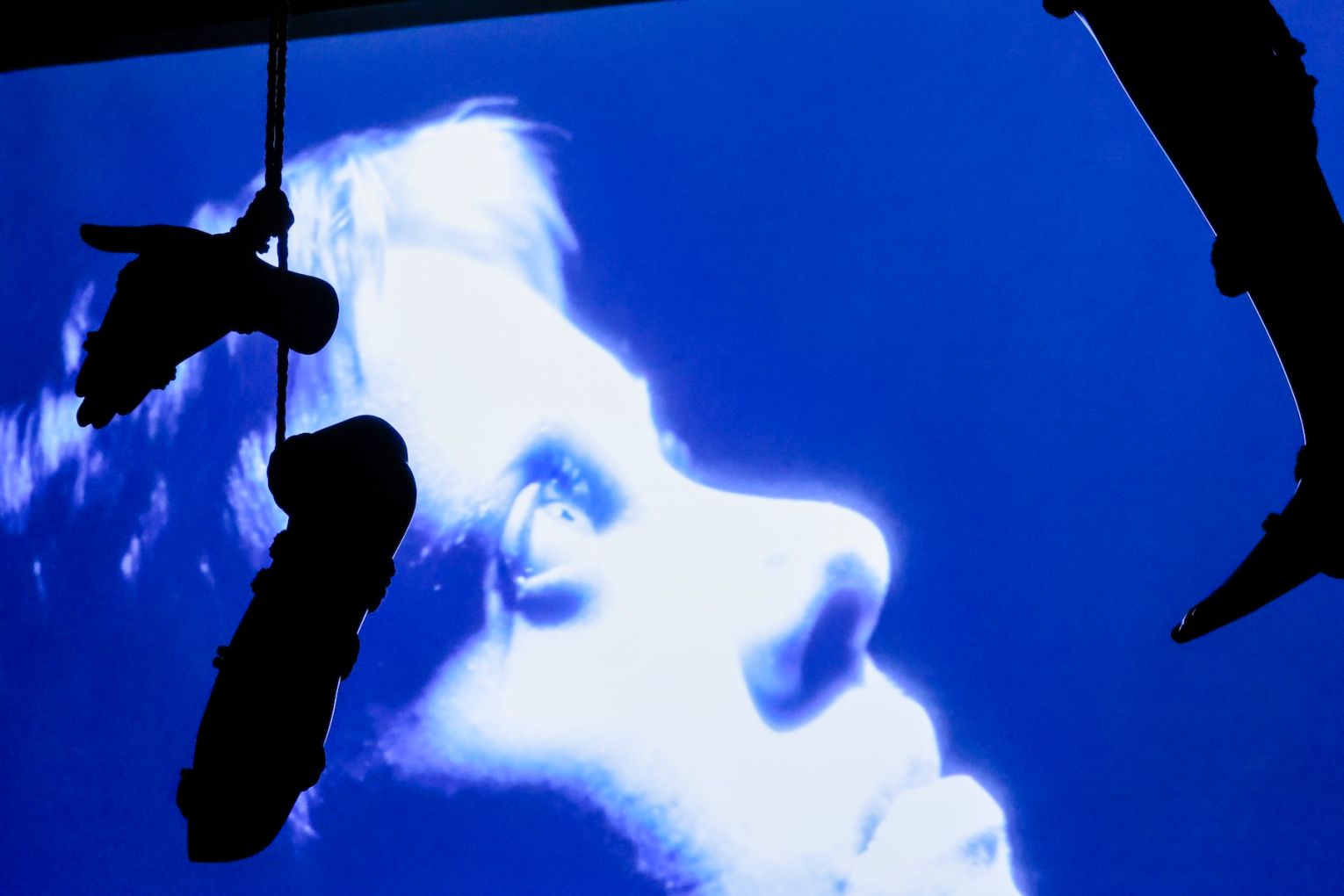
Hanna Instrell-Walker, a Japanese-Australian dance artist, choreographer, and creator, grounds her in-development piece I’ll Sleep When I Die in the concept of Karōshi, a Japanese term that translates to “death from overwork”, and pairs it with the tropes of Japanese horror.
This showcase was created in less than two weeks, and while in its early form, it is focused and refined. The showing consists of two short films, projected onto the wall of The Mill performance space, and a live movement piece in between them. The three elements bleed into each other – there is coherence in tone, movement, and themes – despite being independent and abstract explorations of how overwork manifests in the mind and body.
Shibari – the Japanese art of decorative rope tying and binding – is used as both a cultural and an aesthetic device in I’ll Sleep When I Die. The artform is a practice focussed on vulnerability, trust, and understanding of the body, and is used to explore the limits of boundaries and comfort.
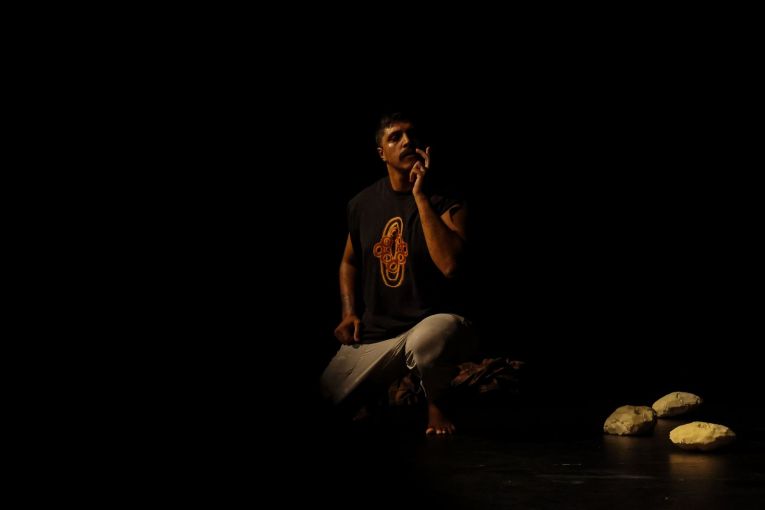

In these works, Shibari serves as a visual representation of how our bodies navigate the restrictions and pain of work, tradition and cultural expectations. This is most prominent in the first film, as it features Instrell-Walker bound in Shibari, moving painfully and erratically through a space. Mannequin body parts tied in Shibari also hang from the roof of The Mill, contributing to the horror aesthetic.
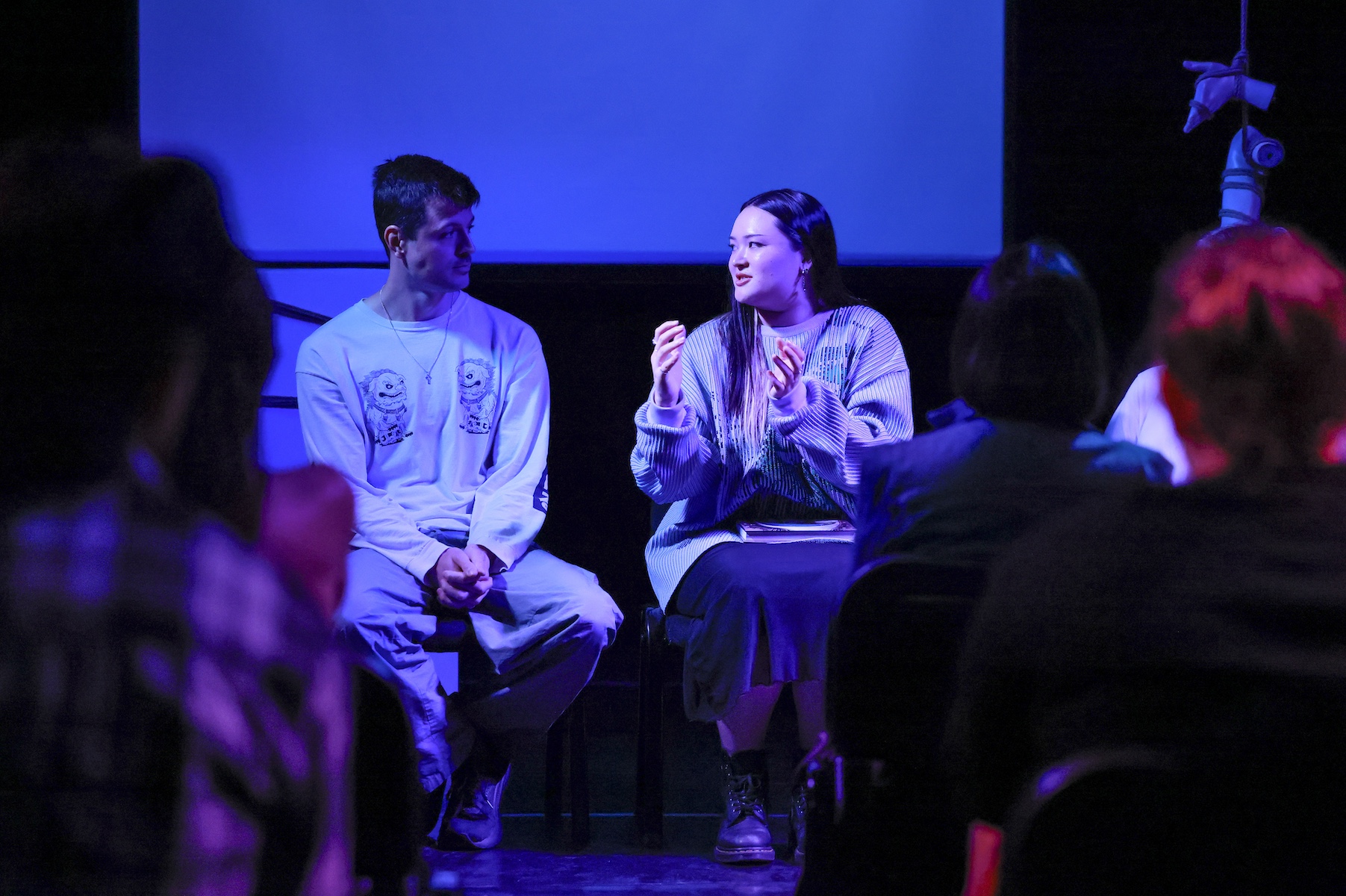
The emotional climax of the showing is Sophie Hollingworth’s movement feature. Matching the characteristics of Japanese Horror, with a slow, precise build of tension and dread, Hollingworth moves repetitively, grinding her neck and back, almost replicating the movement of arching over a desk. Although her movements grow, Hollingworth doesn’t move much around the space, bound to her place – a nod to Shibari. The movements evolve and intensify with Alix Kuijpers’ original music, and Hollingworth ends up sinking into the ground out of exhaustion – her own form of Karōshi.
Hollingworth is also the focus of the second film, as Instrell-Walker plays with layering and the distortion that can be created with different martials on camera, such as a plastic sheet that covers Hollingworth. The films use light, texture and movement brilliantly to create discomfort and unease, and the skilled editing from Instrell-Walker and Caroline De Wan enhance this.
Even in its first iteration, I’ll Sleep When I Die is a powerful collection of abstract pieces, bound together by their themes and stylistic qualities. Its darkness is a harrowing reminder of how work can engulf us, suffocate us, and tie us down – if we let it. Audiences are waiting for future, horrifying, developments.
I’ll Sleep When I Die was presented at The Mill as part of OzAsia Festival 2026.
Want to see more stories from InDaily SA in your Google search results?
- Click here to set InDaily SA as a preferred source.
- Tick the box next to "InDaily SA". That's it.
Free to share
This article may be shared online or in print under a Creative Commons licence