How can we reframe ‘culture’ as an essential public infrastructure?
What would change if arts and culture were understood not simply as industries to be monetised, but as a public good essential to democratic and liveable communities?
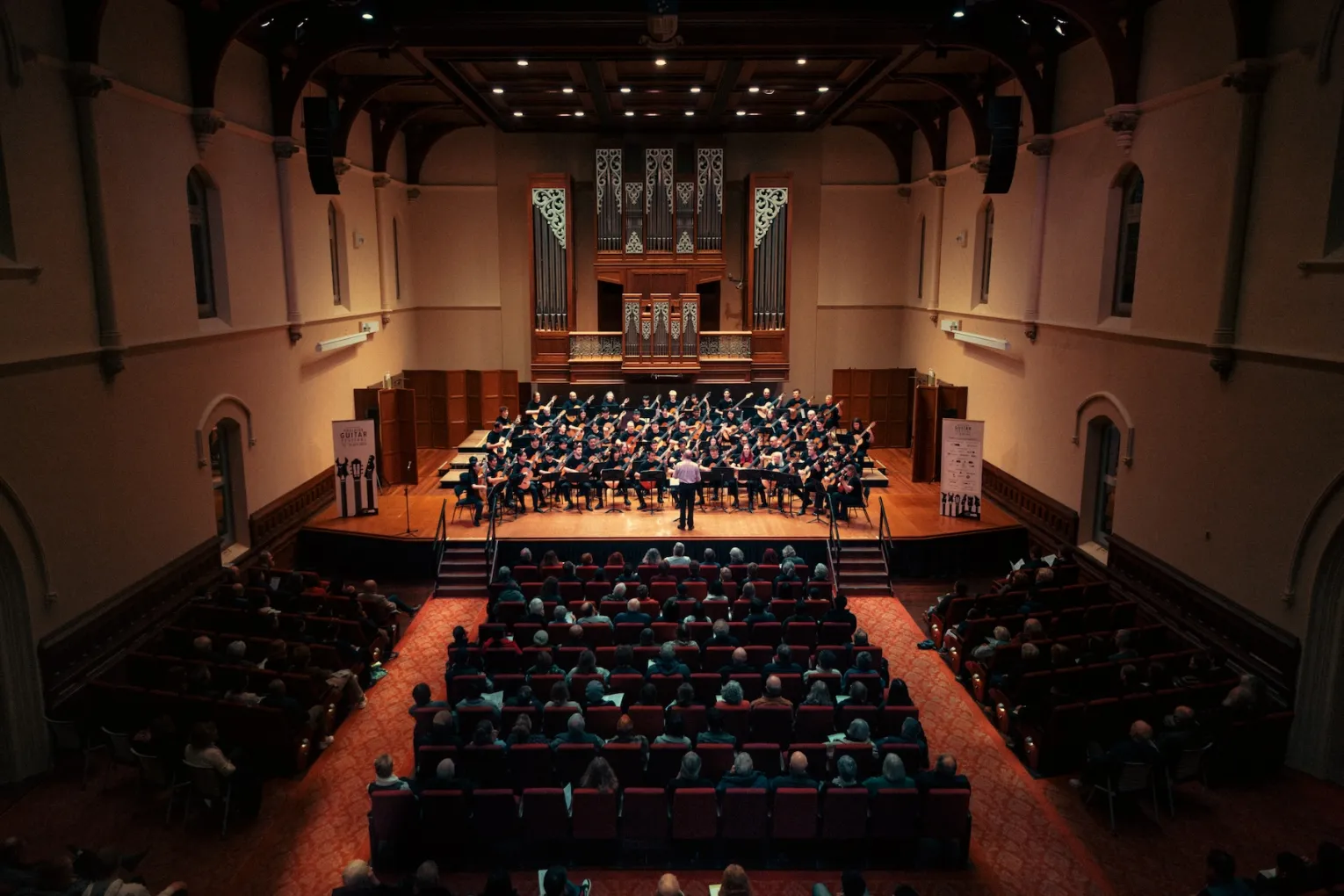
South Australia’s cultural sector is in a moment of change. In a state shaped by Don Dunstan’s enduring legacy of cultural leadership, our leaders are challenged to meaningfully honour our past while responding to a complicated present.
Just one year into the implementation of the state’s new cultural policy A Place to Create, the Arts Minister who delivered it has retired from parliament, while her successor balances the portfolio with demanding roles including Deputy Premier and Attorney-General.
As the sector responds to the call for submissions to the national cultural policy process to create a Revive 2.0, cautious enthusiasm for the possibility of change and renewal is tempered by the realities of sustaining artistic practice, decay of cultural infrastructure, and difficulties supporting equitable access to cultural life.
The pressures that are shaping the capacity to build a strong cultural sector are real, from cost-of-living pressures, to the shrinking public investment in arts and culture, and the narrow framing of the benefits of arts and culture through economic measures. Yet arts and culture play an increasingly important role in supporting diverse communities, wellbeing, social connection and democratic participation: the foundational systems that sustain collective life.
We are at a moment when the underlying assumptions and conceptual underpinnings of arts and culture are being reconsidered, a moment that demands new ways of thinking, new modes of understanding, fresh public and policy imaginaries.
You might like
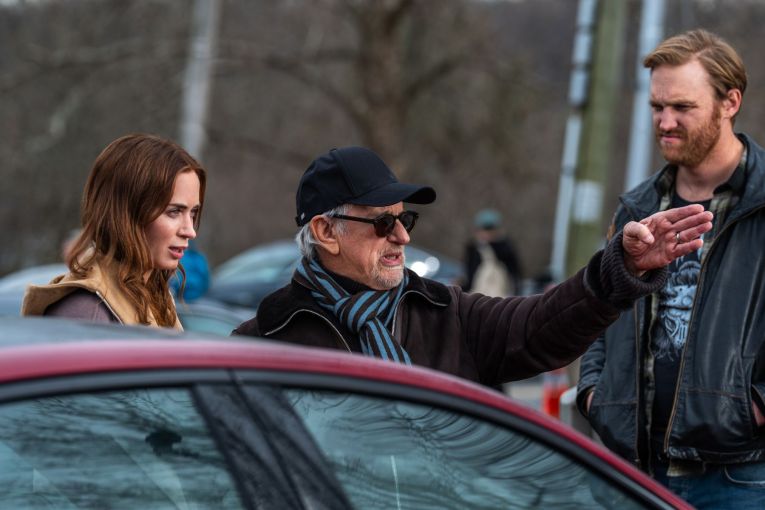
Internationally there is renewed interest in understanding how arts and culture functions as public infrastructure. This is not just about physical spaces but the whole set of institutions, funding mechanisms, regulations, events, education and training schemes, technical facilities and shared norms on which our collective cultural life is built. Without this cultural infrastructure and the nurturing of the fragile complex ecosystem that grows upon it, all talk of cultural rights is simply abstract.
It is easy to destroy a cultural ecosystem. As with stressed natural systems, what goes first is not the big stuff but the microbes and insects that keep it going invisibly. Australia’s recent Census survey showed a decline in independent artists in all but three capital cities. Of these last, Sydney is also rapidly losing artists, and Melbourne’s ecosystem is stressed, a recent parliamentary enquiry noting that, “In the latest 2026 budget round $20 million was cut from culture. The recent A New Approach report found that Australia ranks 25 out of 31 OECD countries for Federal cultural funding. Red lights are blinking all across the dashboard.

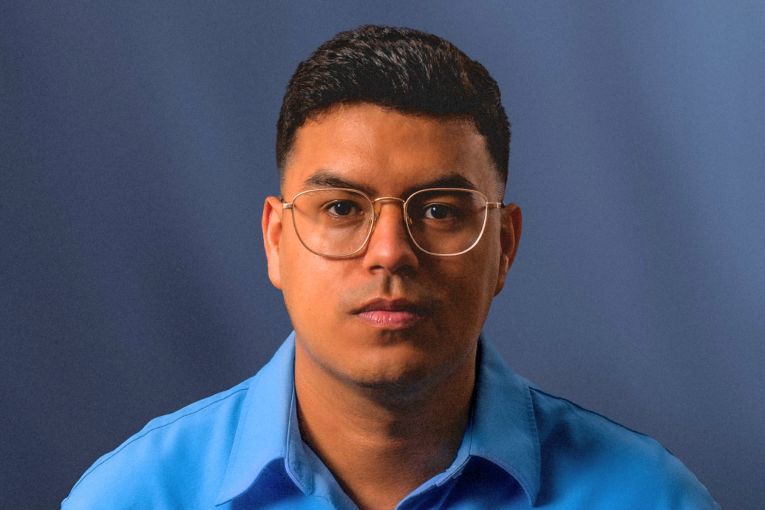
The European Union is currently developing a whole five-year program, AgoraEU, built explicitly around the importance of culture for democracy. This includes an emphasis on both artistic freedom and the ability of arts and cultural workers to make a living in culture. Public value is not a synonym for economic return on investment but rather about what kinds of communities, relationships, knowledges, forms of wellbeing, democratic capacities, and shared futures it helps make possible. Renew Adelaide founder – and now Sydney-based cultural policy strategy advisor – Ianto Ware’s study of Sydney shows that without public funding the arts population becomes increasingly Anglo and white, those from families with pockets deep enough to pay for their children’s careers.
Subscribe for updates
If we want to address these underlying experiences affecting the arts and culture sector, we need to start thinking of culture as a public good, serving everyone. As we argued in a recent paper:
“Public funding for culture is a positive collective good, in both its production and consumption. Culture provides part of the essential capabilities for a full participation in democratic citizenship. This is set against the expanding instrumentalism which fails to recognise the substantive benefit of cultural participation and is increasingly reduced to abstracted, financialised metrics.”
This means considering the cultural infrastructure needs of different communities, examining gaps of access and taking a long-term view of sustaining the cultural capability of the Festival State – across the whole ecosystem as well as the large flagship events that showcase that capability nationally and internationally.
It means thinking about regional cultural infrastructure and affordable creative spaces. It means making meaningful the centering of First Nations knowledge in cultural policy. It means understanding artists as essential cultural workers contributing to democratic life and community wellbeing. This would require developing solutions for fair pay, income security for artists, long-term operational funding for arts organisations, affordable housing, all understood as public infrastructure projects rather than exceptional subsidies. It would require support for the small-to-medium sector and independent artists in alignment with the major organisations, recruiting local government cultural capacity in service of long-term sector resilience.
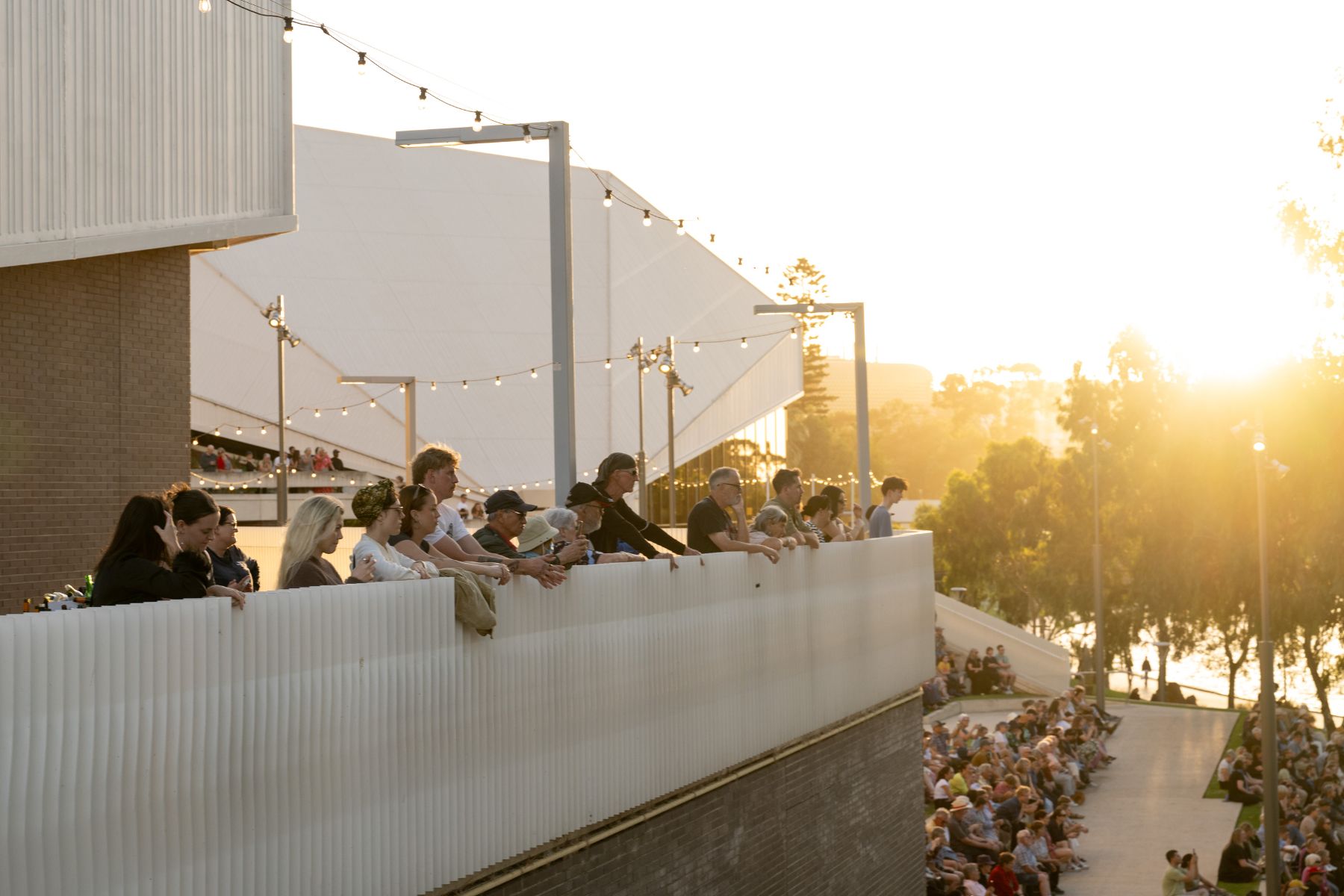
We need new to assess value in arts and culture, away from narrow economic returns of visitor spend and tourism impact, towards our capacity to ensure a full participation in cultural life. Cultural participation is more than bums-on-seats demographics but a strategic vision for the full exercise of our democratic cultural rights.
On Wednesday May 13 Professor Abigail Gilmore from the University of Manchester, and Visiting Fellow at Adelaide University, will be here to provide a view from the UK, where the devolution of budgets to the major cities has provided an exciting new canvas for thinking about culture as a public good. Later in May we will launch a collaboration with the Don Dunstan Foundation to examine Cultural Policy Futures – starting with Anna Goldsworthy and Timothy Ström talking about AI and Culture.
The challenge is to ensure our state’s work on cultural policy development and implementation, and the cultural life and ecosystem it creates, is based on principles of cultural rights to participate in making and sharing and accessing cultural work.
Associate Professor Tully Barnett is Deputy Director of Creative People, Products and Places Research Centre (CP3) at Adelaide University. Professor Justin O’Connor is Associate Director at CP3 and author of Culture is Not an Industry.
Want to see more stories from InDaily SA in your Google search results?
- Click here to set InDaily SA as a preferred source.
- Tick the box next to "InDaily SA". That's it.