‘Freight has tripled’: South Australia’s arts leaders look to the challenges of 2026
From doing ‘more with less’ to a planned Art Gallery rehang, we’ve pulled aside some of Adelaide’s most prominent arts leaders to learn what the biggest challenges their organisations are bracing for in the new year.
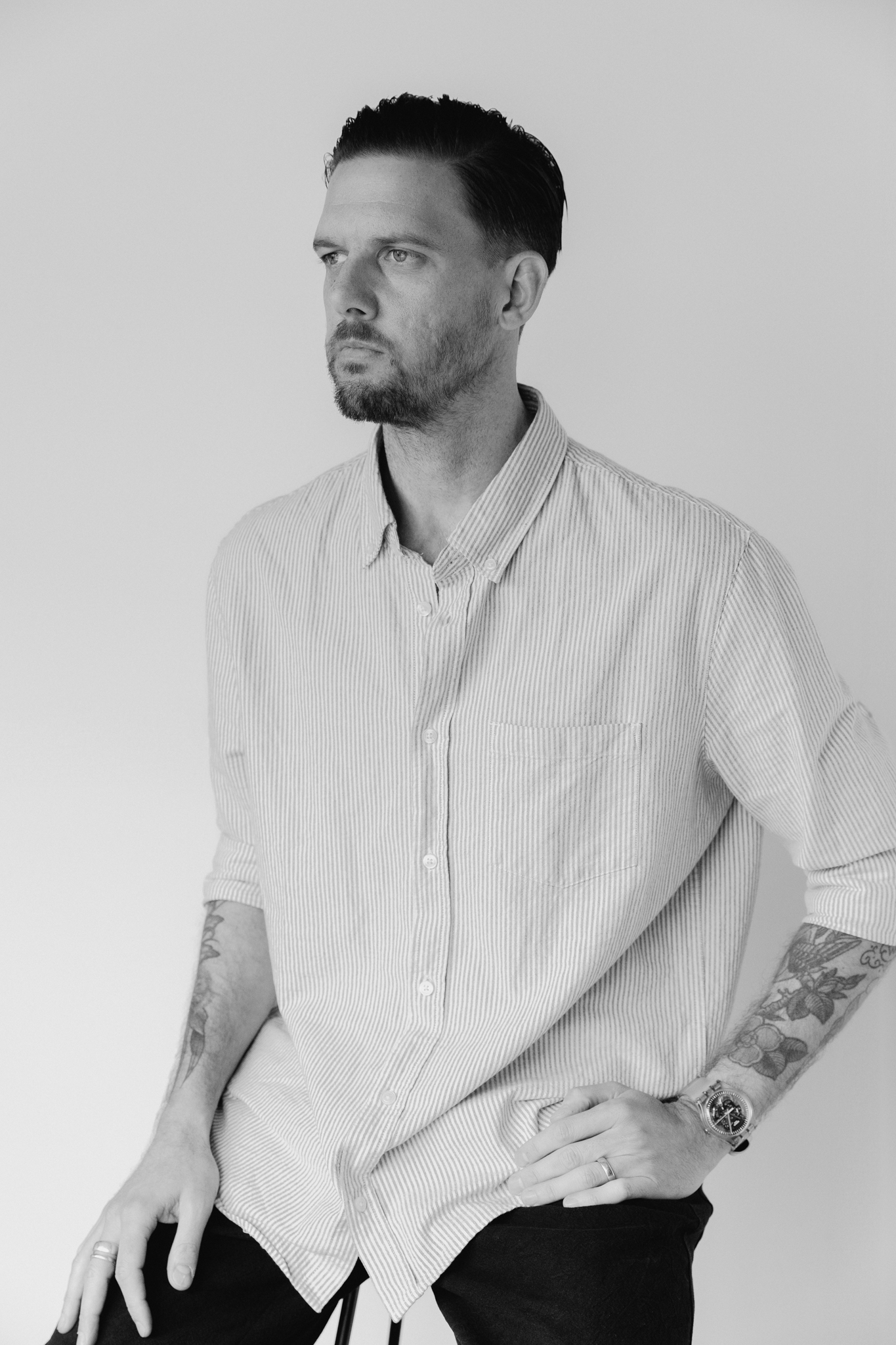
Daniel Riley
Artistic director, Australian Dance Theatre
When we talk about challenges, it’s always with a negative connotation. But the challenges for 2026 offer ADT opportunities for growth. We’re really excited to bring a new choreographic voice to the company by commissioning Jenni Large to create Faraway, which will premiere as part of the 2026 Adelaide Festival. It’s a really special and exciting offer to be able to introduce our audiences to different movement languages, voices and perspectives. The work is going to be spectacular and a wonderful challenge for everyone in our community: for our artists to execute a new vision and for audiences to engage with different sorts of work.
I’m really proud that we continue to dismantle a fear around contemporary dance, and look forward to bringing other kinds of genre-pushing work and stories to our audiences. And that’s a really exciting prospect. We’ve had a bumper year in 2025 with celebrations of our 60th anniversary. The other challenge for 2026 will be building on this extraordinary momentum, take periods of rest, travel the country and dive headlong into creative developments for major new works in ADT’s future that rethink our founding narratives. I guess the challenges for 2026 are super energising for me and for everyone at ADT. There’s a sense of us stepping forward, together, into what’s next for all of us here at ADT and for our community
Geoff Cobham
Artistic director, Patch Theatre
Our biggest challenge for 2026 is responding to the incredible number of invitations we’ve received from partners locally, nationally, and internationally. It’s not attractive to complain about funding but there is a growing need for our young audiences (aged 4–8) to connect with culture and, as costs rise while funding remains static, we’re struggling to meet that demand.
Over the past five years, we’ve reached an average of more than 50,000 children annually, up from 20,000 in previous years, with the same level of funding, the same number of staff and dramatically higher costs. Rent, wages and particularly freight (which has tripled) all put increasing pressure on our small organisation.
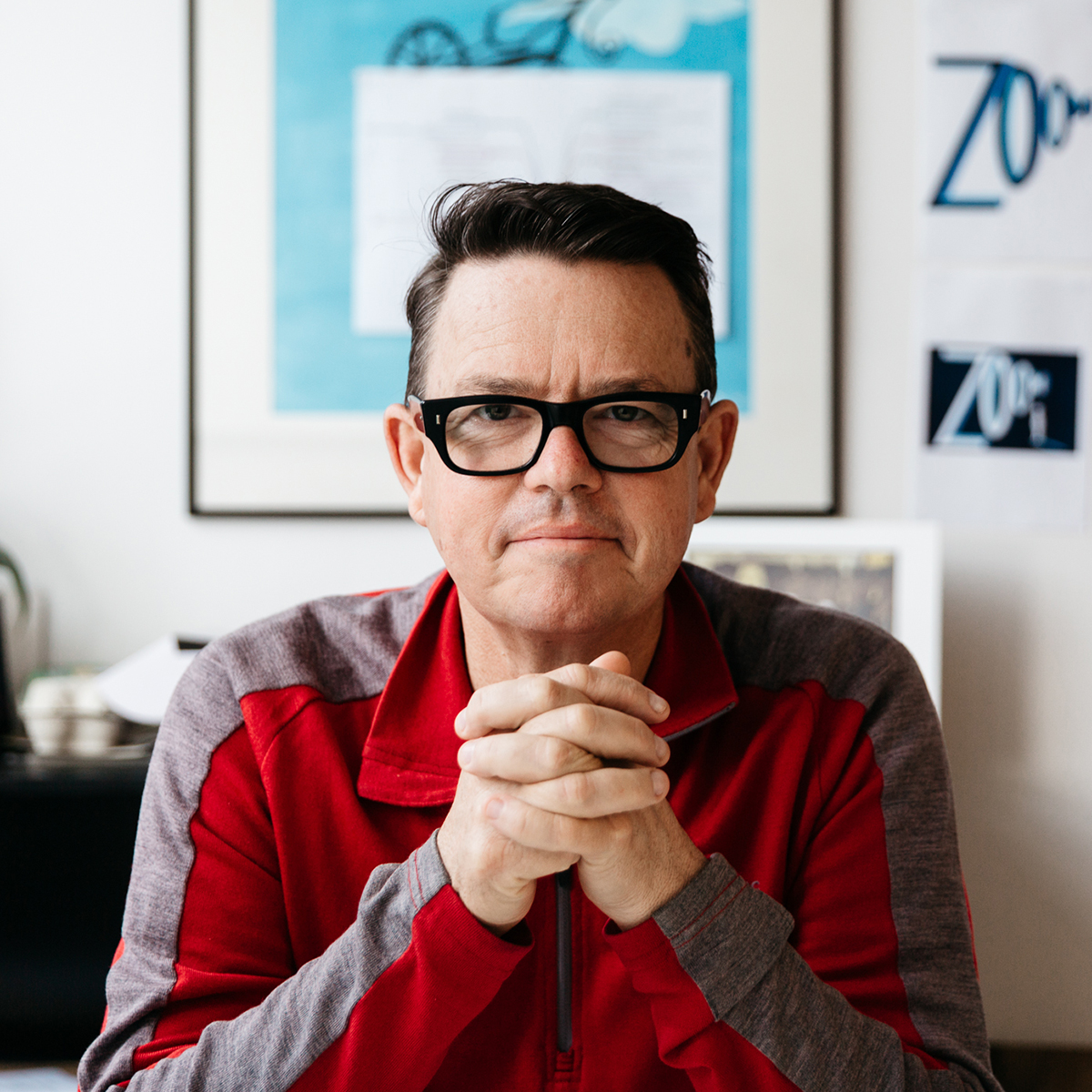
The arts sector has long struggled to articulate its true value. We can easily count attendance numbers and participation rates, but the real impact of the arts lies in the longer-term outcomes: how it opens minds, fosters curiosity, encourages empathy and helps us make sense of the world. These are not statistics easily measured, but they are essential to the wellbeing and imagination of our children and, ultimately, to the health of our society.
We were recently part of a report called ‘Tomorrow Starts With Creativity’ which can be found on our website. We worked with other SA youth arts organisations on this report which supports and extends these thoughts around the role the arts play in the wellbeing of younger generations.
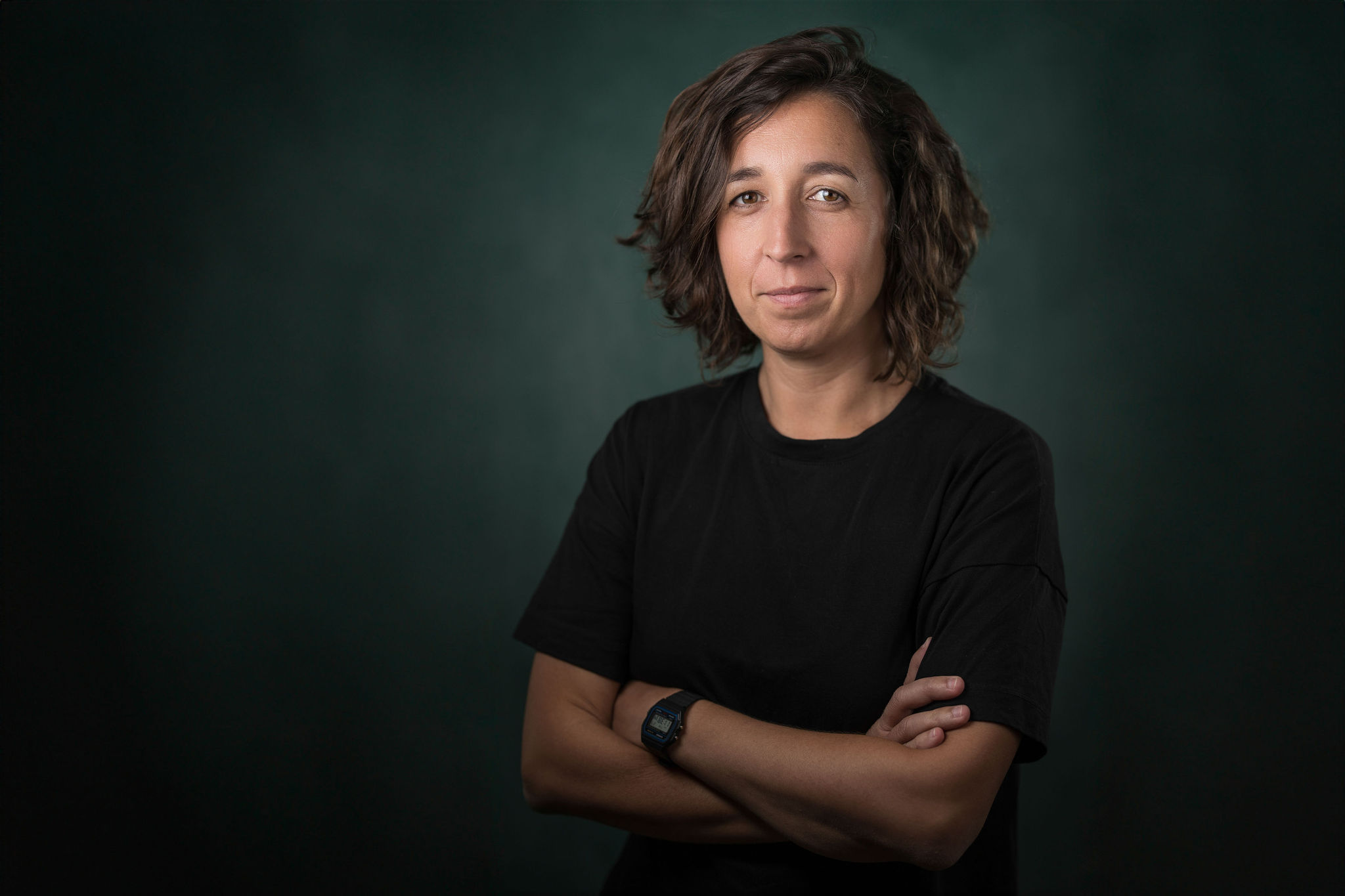
Emily Steel
Artistic director, Theatre Republic
Like many theatre companies, we’re working out how to do more with less. Costs are increasing, but if that’s continually reflected in the price of tickets, we’ll be excluding a lot of potential audience members. So Theatre Republic is pivoting away from larger-scale shows in more traditional venues, towards smaller-scale, audience-focused work where we prioritise storytelling and human connection. We’re looking for unconventional spaces, we’re developing locally-rooted new plays to excite our existing audiences and attract new ones, and we’re aiming to keep ticket prices down so that we can offer a great night out that people can actually afford. We want our shows to be surprising, thought-provoking, fun, and accessible.
You might like
We’re also very aware that the South Australian theatre community needs support and connection. We’re a small independent company, there are never enough hours in the day for our part-time team, and we don’t have a lot of resources – so we can’t do everything, but we’ll do what we can. We’re offering space in our office to playwrights and theatre-makers who need somewhere to come and work, and we’re organising gatherings to bring the theatre community together.
One of our initiatives next year will be to support South Australian playwrights, through our new Seed Fund, to develop brand new ideas. We’re also working with playwrights Anthony Nocera and Tahli Corin on a project in development called The Room, where they are challenged to write two new plays, with a single set and the same cast of two actors.
Jo O’Callaghan
Executive director, programs and development, Adelaide Fringe
Artists and producers are facing higher costs to put on their shows across travel, freight, accommodation and venue hire. Our role is to remove barriers for artists and audiences to participate, through growing our grants program and community fund ticket initiative, and supporting venues so the ecosystem stays healthy at every level.
We are focused on sustainable audience growth, across 500+ venues, in CBD, metro and regional locations. The appetite is there and our audience data shows it, but the task now is to make South Australia and Adelaide Fringe a priority choice for culture seekers who travel for experiences. A diverse program keeps Fringe inclusive and welcoming to all, and Honey Pot, our industry marketplace, strengthens opportunities for artists by creating touring pathways so work discovered here continues across Australia and overseas.
The challenge is to protect access and affordability in a rising cost environment while sustaining quality, inclusion and growth. Meeting it will demand more support for artists and venues, smarter partnerships and a sharp focus on value so the community continues to thrive.
Dane Lam
Artistic director, State Opera South Australia
The challenge is clear: South Australians want, and deserve, world-class opera made here, not borrowed, imported or replicated. Yet without appropriate resourcing, even the strongest artistic ambition risks depletion. The opportunity, however, remains immense. Every dollar invested in opera circulates through our creative industries, builds specialist skills, employs South Australians, and draws national attention to the uncompromising quality of work created in this state.
Our challenge in 2026 – our Golden Jubilee year – is balancing modest financial resources with the expectation and responsibility to deliver bold, brilliant opera that pushes the global conversation forward.
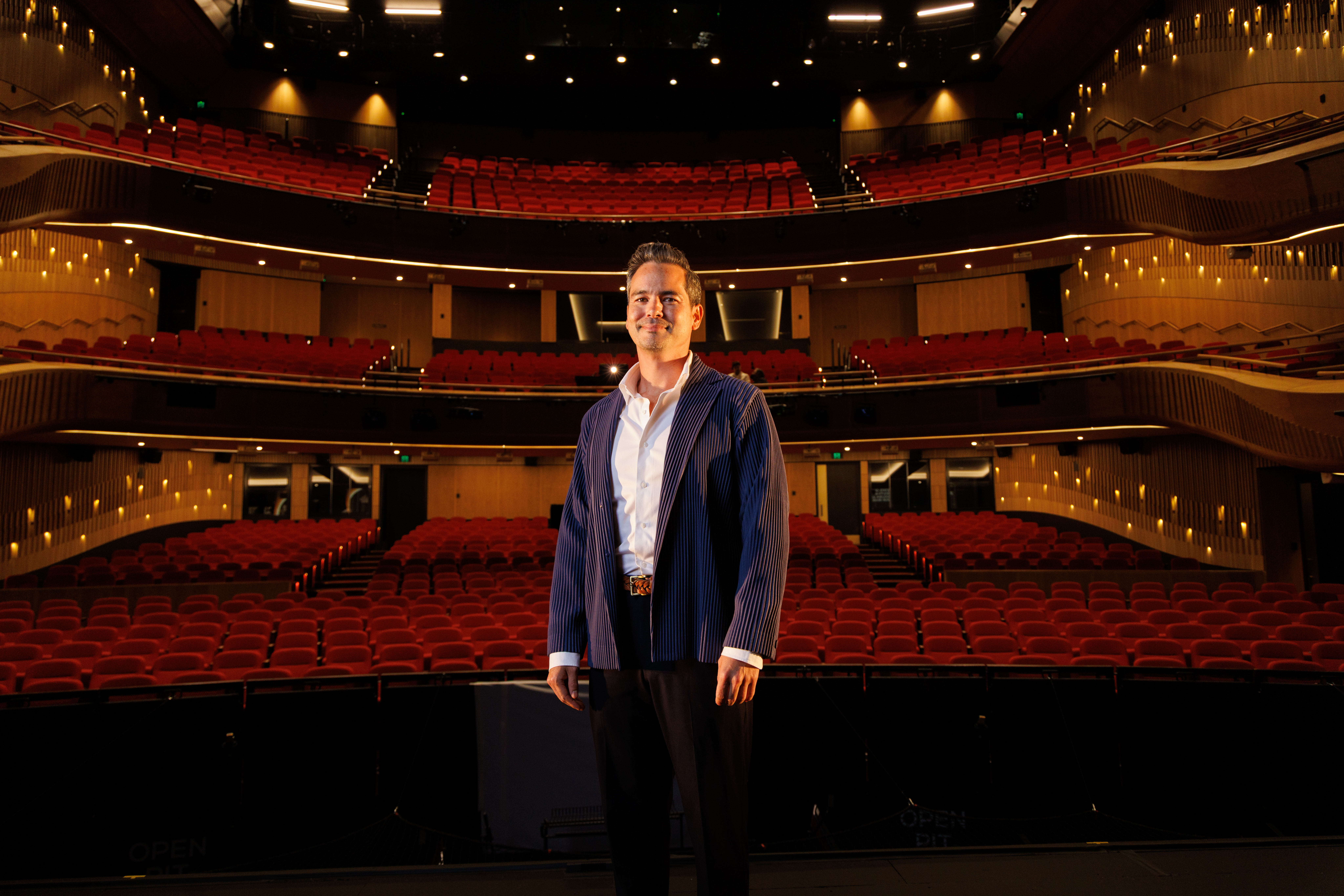
Our 2026 season features four completely new productions created in and for South Australia, an achievement of significant scale and artistic courage. Opera is the most resource-intensive art form because it is the most all-embracing: principal singers, a full chorus, an orchestra (in stark contrast to the pared-back bands of many musicals), lighting designers, set builders, costume makers, wig and makeup artists, technicians, stage crews and more. Opera places intimate human stories against a grand canvas and transforms an audience’s experience in real time, but it requires real, sustained investment to thrive.
Our biggest challenge is also our greatest responsibility: to ensure South Australia remains a place where great opera is created, not merely presented.
Jason Smith
Director, Art Gallery of South Australia
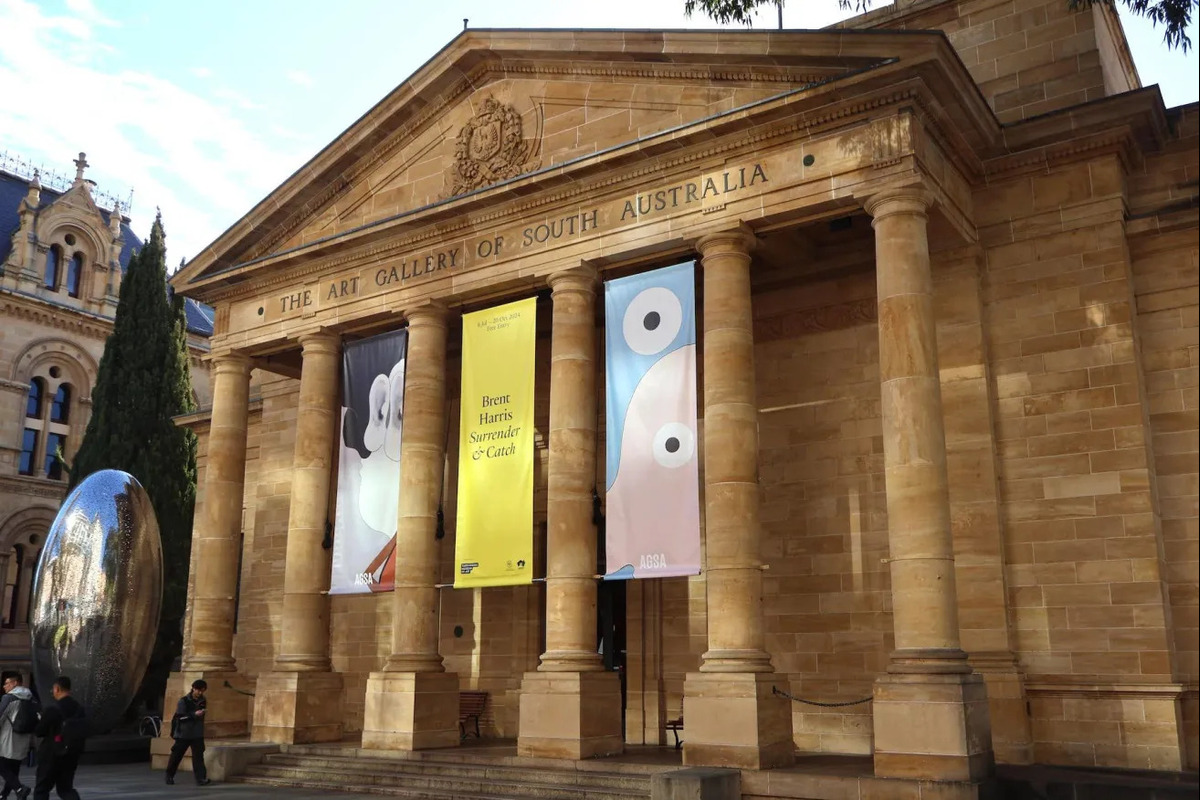
Apart from the perennial challenge of ensuring we have the resources to achieve our wide-ranging artistic and audience engagement ambitions, the biggest and most exciting challenge in 2026 will be to lead and join AGSA’s outstanding, expert curatorial team on the design and first stages of implementation of a whole-of-Gallery rehang of the collection, and some new thinking as to where and how AGSA’s truly remarkable collection can be displayed.
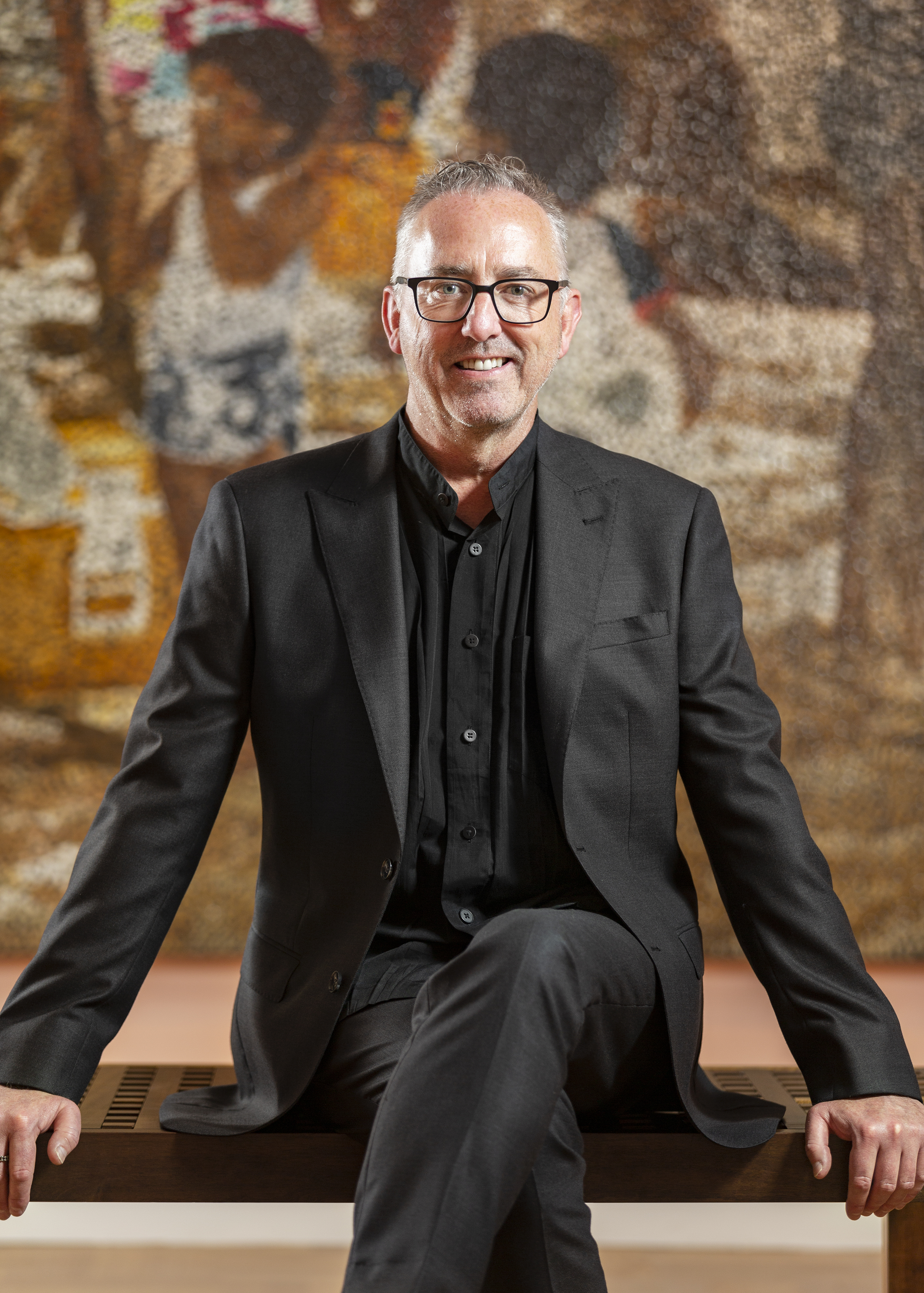
This will take time and will not be fully realised until 2027, but we are collectively very excited to be embarking on this project. The challenge of limited space within the current footprint of our exhibition galleries (we can only ever display a maximum of about 2.5 per cent of the collection) will be something we need to deal with imaginatively.
Matthew Lutton
Adelaide Festival artistic director
A significant, though perhaps not new, challenge facing all performing arts today is the multitude of conflicting interests expressed by audiences, and the need for organisations to respond to them simultaneously. Some audience members seek escapism from a confronting world, while others want a space to debate and unpack knotty contemporary issues. Some are drawn to familiar narratives – exemplified by the proliferation of adaptations of novels – while others crave “the new”, and prefer entirely original works, embracing the uncertainty of what they will encounter.
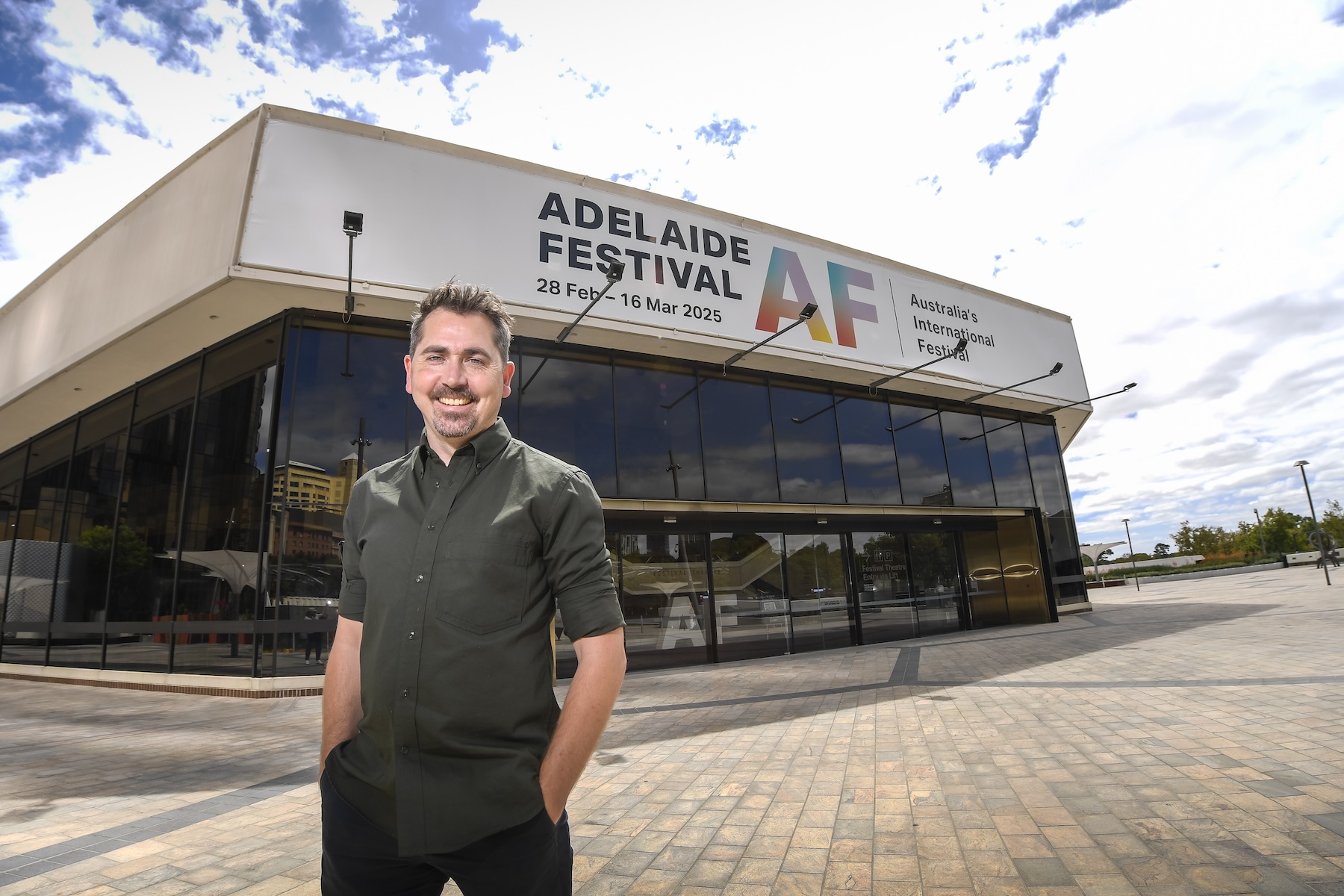
Additionally, some audiences focus more on the politics of the artist than on the work they create, while others are indifferent to the identities of the writer or director. Ultimately, if you ask, “What do people want from their live experiences right now?” the answer is full of contradictions, and often, people desire all the above.
For the Adelaide Festival, one of our challenges is imagining bold, large-scale free events for the future. We aim to create vibrant outdoor celebrations that welcome tens of thousands of people each year, but to keep these events free, we must place strong emphasis on fundraising now and into the years ahead.
Michelle Ryan
Restless Dance Theatre artistic director
Subscribe for updates
In 2026, the most significant challenge for Restless Dance Theatre will be sustaining and expanding genuine, paid opportunities for neurodivergent artists and artists with disability, while continuing to make the kind of bold, imaginative work that defines us. As our reputation grows nationally and internationally, so does the expectation that Restless will keep leading the way in disability-led performance. That’s a responsibility we embrace – but it demands stable funding, committed partners, and a sector that recognises the value of our model not as an add-on, but as essential to contemporary arts practice.
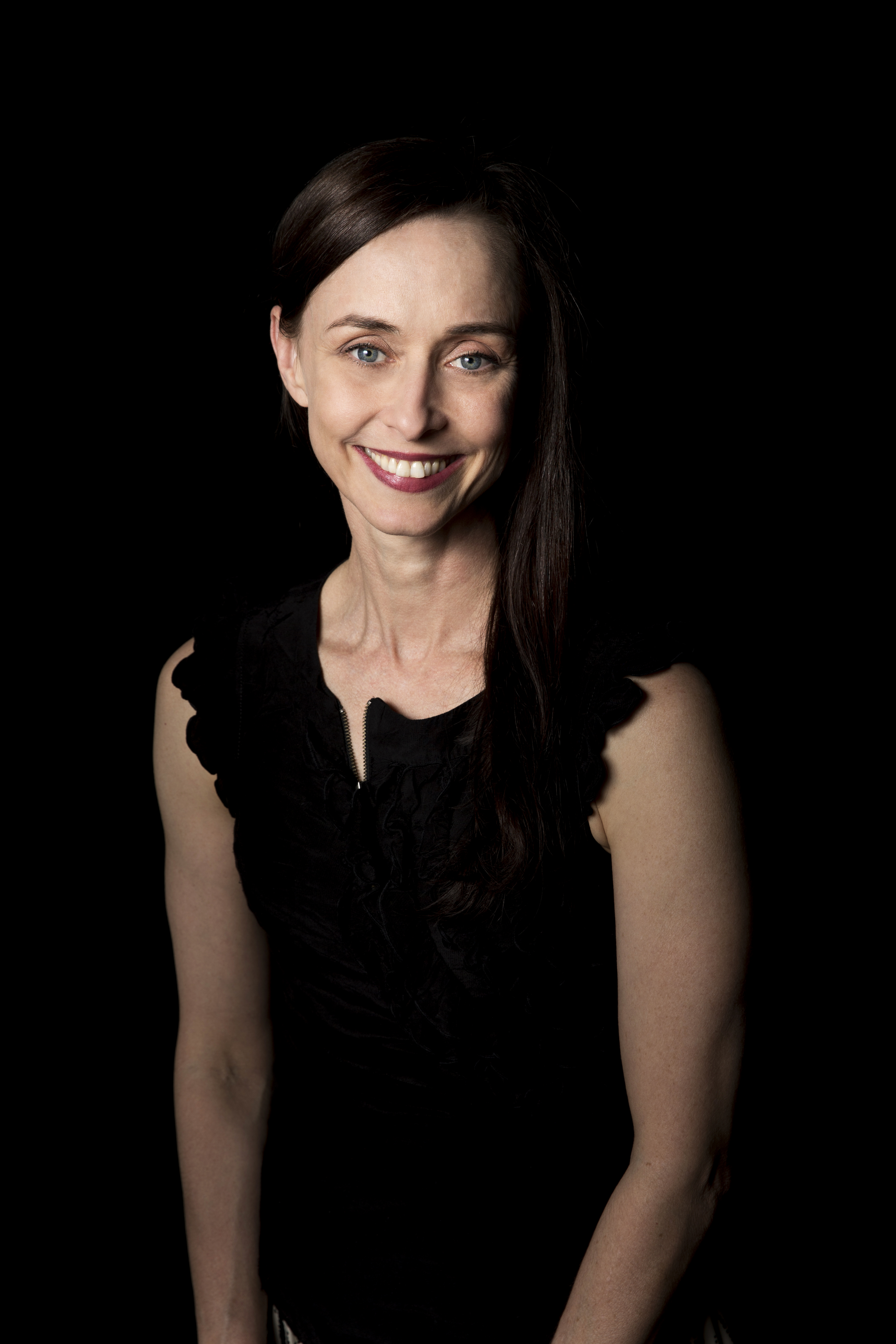
Balancing artistic ambition with the capacity of a small but incredibly dedicated team will also be a real test. Creating new work such as Enough, revisiting major productions, and responding to increasing touring interest puts pressure on our organisation in ways that require careful pacing, thoughtful resourcing, and strong support structures. Our staff and artists give so much of themselves – ensuring they remain well, energised, and creatively fulfilled is central to our success.
Another ongoing challenge lies in audience development. Restless has a key role to play in shifting perceptions around disability in the arts, and strengthening that impact means deepening our relationships with communities, presenters, and collaborators who champion inclusive, disability-led work.
And of course, the funding environment remains unpredictable. Multi-year investment, philanthropy, and international partnerships will be vital. Ultimately, our biggest challenge is transforming a wave of opportunity into sustainable long-term impact — ensuring our artists not only perform, but thrive.
Stephen Nicolazzo
Artistic director, Brink Productions
Brink has always built work the long way – through trust, persistence, and the messy, beautiful art of collaboration. In 2026, we continue that commitment with stories that celebrate the voices shaping Australia’s cultural future.
We’re forging ahead with Love Don’t Live Here Anymore by Christos Tsiolkas and Dan Giovannoni, enriched with original dance-rock music by Carla Lippis and Geoffrey Crowther. We’re championing Squid, a tender transgender solo work by Luke Wiltshire, sparked through our time collaborating in inSPACE. We’re backing playwright Anthony Nocera as he reimagines SA novel Someone You Know into a theatrical love letter to queer allyship. We’re also developing Sonya Rankine’s powerful gig-theatre piece Lakun Mi:Minar and Jannali Jones’s seductive neo-noir ’67 – both artists from our First Nations Fellowship Program.
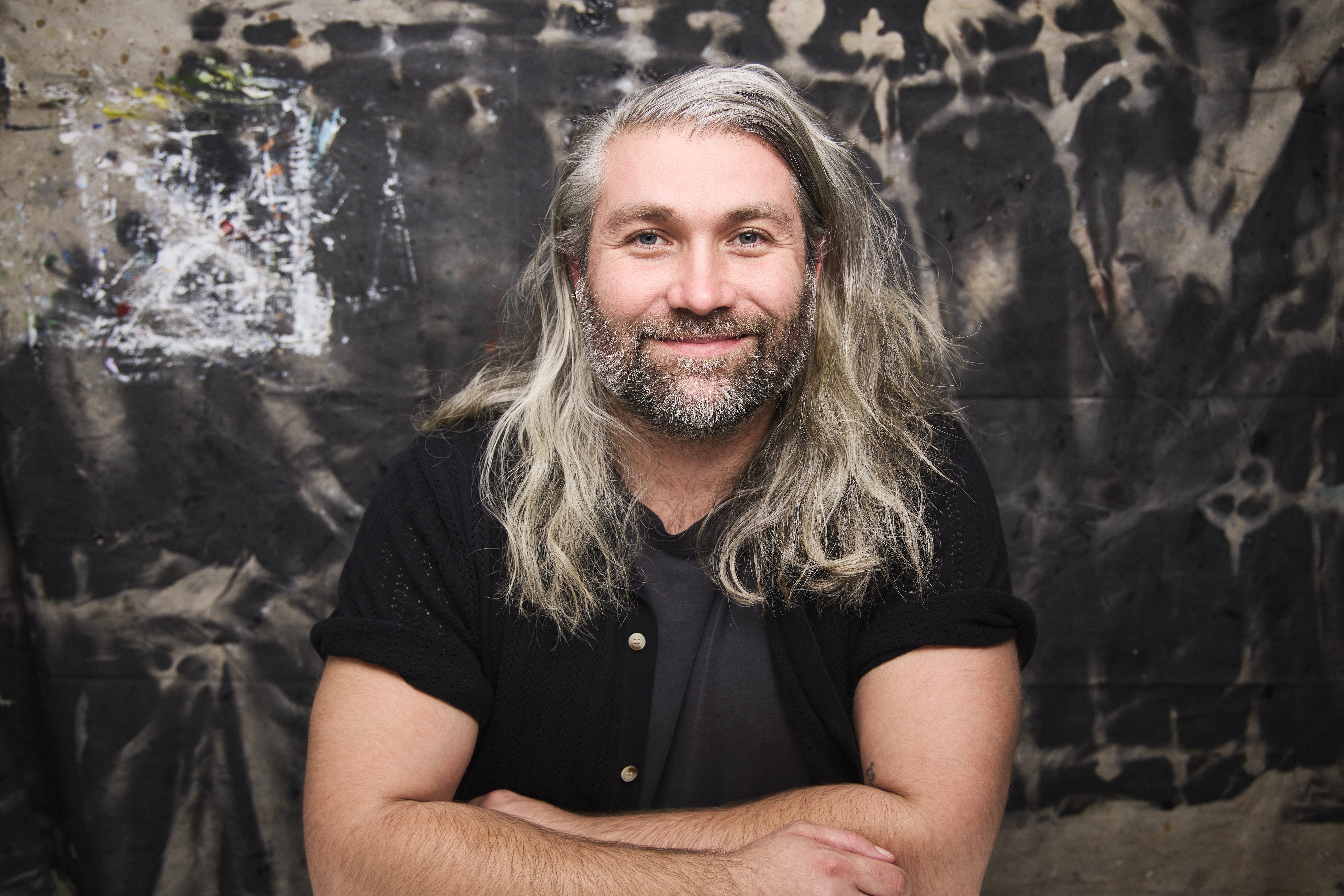
These works take time. They need space, courage, and patience to grow into their full potential. Our greatest challenge – and greatest responsibility as an organisation – is ensuring each of these extraordinary creations finds a home on stages in South Australia and nationally. For a small company, that’s no small task. But bringing these stories to life, and to you, is why we exist.
Meeting that challenge demands lateral thinking and the generosity of the sector at large – to partner, connect, and collaborate.
Our commitment to artists runs deep. Helping them shape stories that disrupt and inspire gets us up every morning. Diversifying storytelling is a daily practice – one we’re proud to continue, fiercely and joyfully, in 2026. Even when it can be tough to do so, bravely.
Petra Kalive
Artistic director, State Theatre Company South Australia
2026 marks an extraordinary turning point for State Theatre Company South Australia as we move into two new premises – the historic ABC Collinswood site for our administrative, creative offices and wardrobe department, and a purpose-built workshop and our production team at Marleston. Together, these spaces open a new chapter for the company – one defined by possibility, innovation and uplifting of the whole sector.
These new sites mean our artists, makers and storytellers will have the facilities to dream and deliver at scale. The Marleston workshop will allow us to build productions of exceptional ambition right here in South Australia, positioning us as a national leader in theatre-making and production training (above and beyond our own productions). Collinswood will become a creative hub – alive with rehearsals, readings, workshops and new partnerships – offering audiences and communities a window into the beating heart of the company.
These new spaces invite us to think bigger: to expand our technical capabilities, to grow our collaborations with independent artists, the tertiary sector and new partners and to create a more open and inclusive environment where theatre and community truly meet.
The coming year is about harnessing this momentum – and continuing to create phenomenal, bold, generous and deeply connected theatre for South Australian audiences. It’s not just a move of buildings; it’s a move into a new era of creativity, opportunity and shared imagination.
Bridget Alfred
CEO SALA Festival
As a very small organisation, our biggest challenge is always resourcing. SALA delivers a statewide festival, that is the largest of its kind in the national and arguably internationally, that runs over an entire month on a very tight budget and with 3.5 staff as an average.
We have a big but very simple dream: that SA’s living visual artists’ work is recognised locally, nationally and globally. We’re dedicated to championing South Australia’s visual artists and enriching the State’s cultural vibrancy by creating opportunities for artists to share and promote their work to diverse audiences. That also means bringing more people into the delightful realm of participating in art as an audience; a vital part of SALA’s community.

The SALA team works to create a thriving, inclusive arts community where all artists (from beginners through to internationally renowned practitioners) are empowered to create, connect, and contribute to a vibrant cultural landscape, and we support and promote local artists by creating accessible opportunities for artistic expression, community engagement, and professional development. Each year we hatch new projects, that bring a different dynamic to the festival and 2026 will be exciting.
SALA as an organisation has a history of delivering well beyond expectation, creating an understandable misperception of comfortable funding and staffing.
Thankfully, we have an increasing swell of supporters and partners who understand and value SALA’s unique deliverable to artists, communities and South Australia’s creative identity and back us to deliver this unique and far-reaching festival.
Colin Cornish
Chief executive, Adelaide Symphony Orchestra
Adelaide remains the only city among Australia’s six major orchestras without a dedicated concert hall. Like many arts organisations, the ASO faces a range of pressures — from rising production costs and increased competition for philanthropic support to shifting audience preferences and cost-of-living impacts. However, the absence of a purpose-built home is a structural challenge that touches every aspect of our work: repertoire, scheduling, audience capacity, financial sustainability, artistic ambition, and long-term growth.
It remains the ASO’s most significant hurdle, and we continue to actively pursue solutions to this decades-old issue on behalf of both the orchestra and the South Australian community. At the same time, we are optimistic about several strategic opportunities. We are expanding our regional touring presence and investing in the growth of our digital content, streaming initiatives, and hybrid performance models — all of which deepen our reach and strengthen our connection with audiences across the state and beyond.
Read Part Two, where we poll our arts leaders for their picks of 2026
Want to see more stories from InDaily SA in your Google search results?
- Click here to set InDaily SA as a preferred source.
- Tick the box next to "InDaily SA". That's it.
Free to share
This article may be shared online or in print under a Creative Commons licence