Against the odds: The warts and all life of an Aussie actor
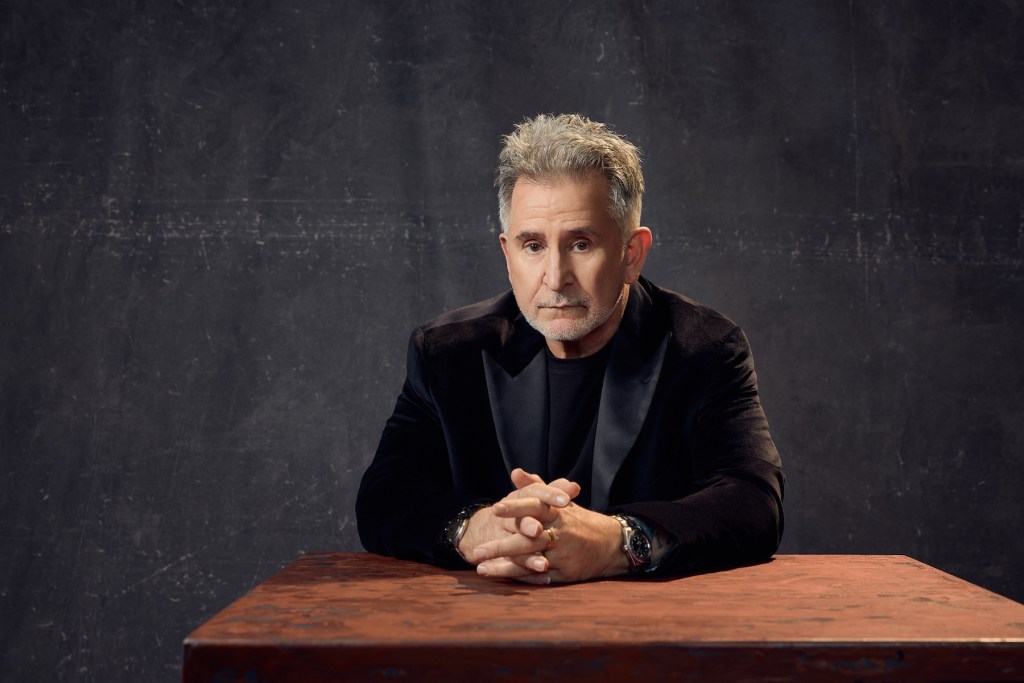
Anthony LaPaglia’s memoir is brutally honest and refreshingly candid about his own shortcomings and the agony and ecstasy of the life of an actor.
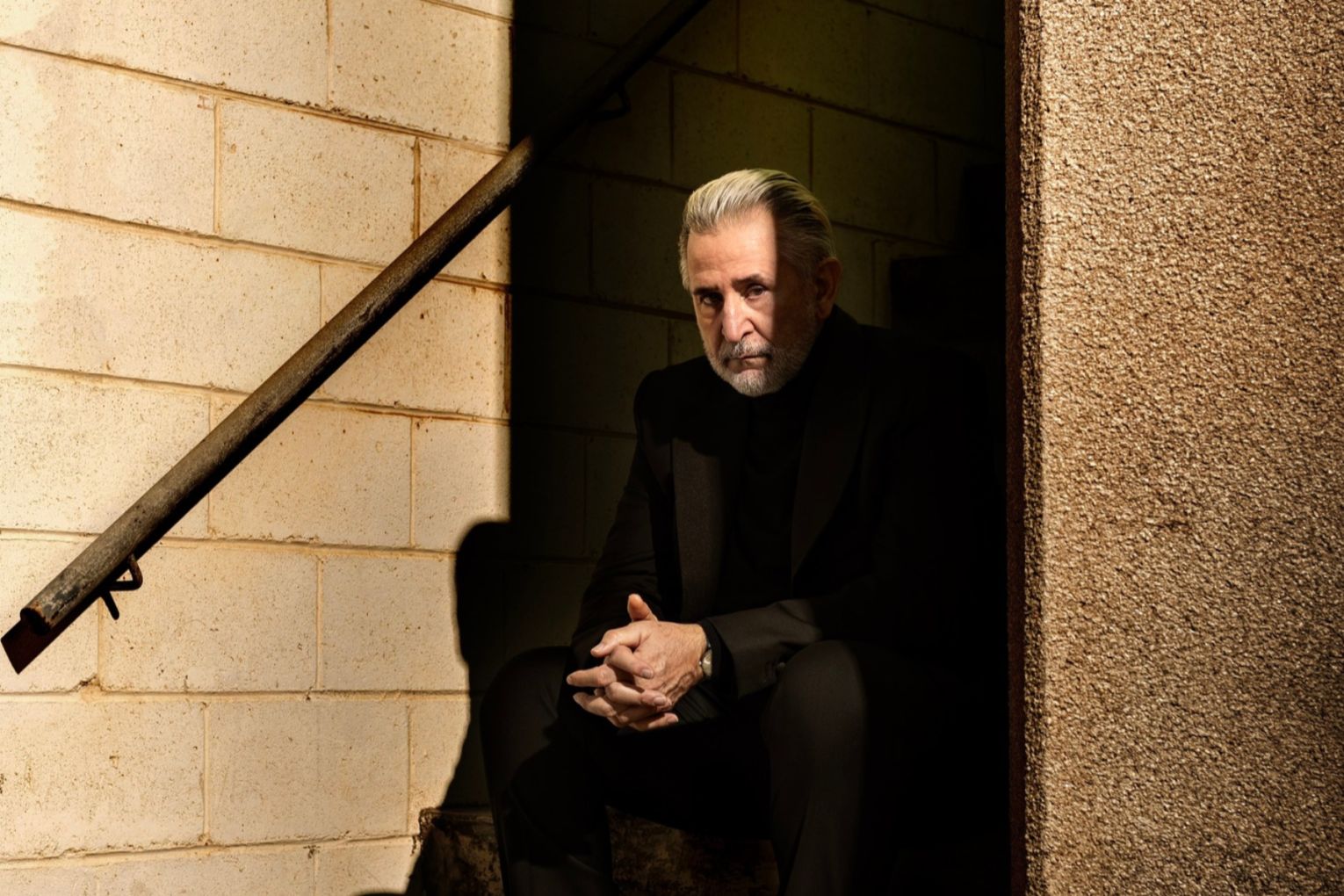
Many readers will know Anthony LaPaglia best as the weary detective Leon Zat in Lantana, as FBI agent Jack Malone in Without a Trace or perhaps, more recently, as Willy Loman in Neil Armfield’s production of Death of a Salesman.
The latter just moved from its Brisbane season at QPAC to Adelaide’s Festival Theatre, giving LaPaglia his first stage appearance in the city where he grew up.
What I did not expect from The Life We Choose, written with Craig Henderson, was a memoir so preoccupied with the question: how much of a life is actually chosen, and how much is handed down?
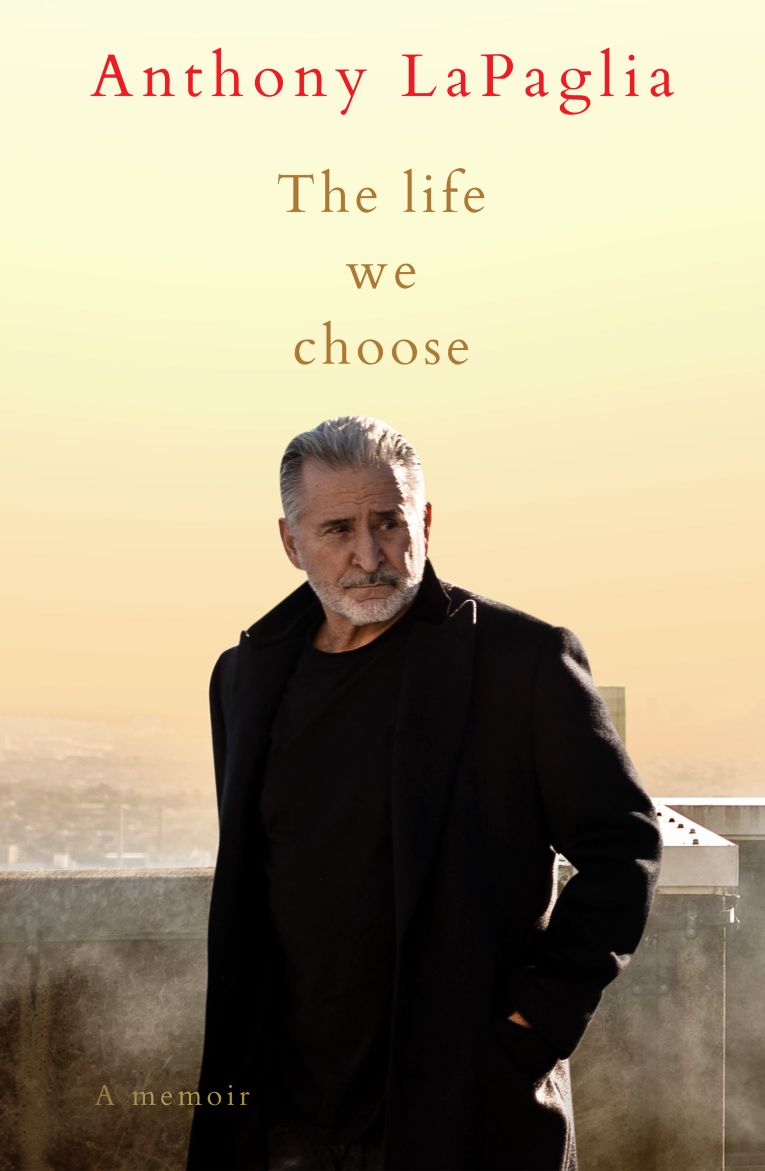 Fathers and sons are at the heart of it. LaPaglia grew up in Beefacres, now Windsor Gardens, the eldest son of Egidio “Eddie” LaPaglia, a Calabrian mechanic and car dealer, and Maria, a Dutch-born secretary and model, in a household he describes as one of rage, disappointment and violence.
He is unsparing about his father’s cruelty, yet he takes care to explain where it came from: a boy who lost his mother at eight and went straight to work, and who expected the same premature adulthood of his own son.
In this way LaPaglia’s memoir is a nuanced study of inherited damage, as well as of the fierce migrant drive to make good. LaPaglia has said that writing the book helped him forgive his parents, and it strikes me that this slow movement towards understanding is the book’s psychological compass.
You might like
Arthur Miller is, in a sense, the other father in the actor’s pages. LaPaglia’s Eddie Carbone in A View from the Bridge, which won him a Tony Award in 1998, and his Willy Loman decades later bookend his career, and it is hard not to notice that the first of these men shares his father’s name.
You could argue that Willy’s self-delusion, his crushing expectations of his sons and the gap between the life imagined and the life lived, run parallel to LaPaglia’s own story. The title might thus carry a quiet irony, as much of what shaped him was never his to choose.
Place, and the longing to leave it, is a second thread. As a boy LaPaglia retreated into books and classic Hollywood films, and as a young man it was in fact shoes, of all things, that got him out: first to a Florsheim store in Bondi, where a night at the Sydney Opera House fired his interest in acting, then to Chicago and finally to New York.
LaPaglia claims … that that the kind of anger born of suffering is part of what makes a fine actor
His stories of bartending for Broadway actors, drifting through mob-run bars and chasing parts nobody thought he would get give the book a vivid, slightly dangerous energy tempered by grief for the many friends he lost to the AIDS crisis. Yet it was in New York, he writes in the memoir, that he first felt at home.
I was interested, too, in what the memoir reveals about the making of an actor. LaPaglia claims that most of the actors he knows “sprang from difficult beginnings”, and that the kind of anger born of suffering is part of what makes a fine actor.
Subscribe for updates
He recounts how he was in line to play Tony Soprano, only for the role to go to James Gandolfini after he committed to Miller’s play, and concedes, generously, that Gandolfini was the better choice.
He describes withdrawing from Quentin Tarantino’s Django Unchained to honour a commitment to Rob Connolly’s telemovie Underground, a decision he now calls “a classic case of LaPaglia self-sabotage”.
A near-punch-up with John Landis sent him back to therapy because it echoed his father’s violence, and the book also recounts a confrontation with the infamous Harvey Weinstein, as well as warm portraits of collaborators including Allison Janney, Kerry Armstrong and Hugo Weaving.
What lifts this book above the usual celebrity memoir is its frankness about the less flattering parts of his life. LaPaglia did not try drugs until his 30s and then took to cocaine with alarming enthusiasm (“Cocaine is the Gollum of drugs”), eventually quitting without rehab.
He is equally open about three divorces, decades of careless spending and a reckoning with the US tax authorities, and admits he is now “pretty much broke”, living in a rented apartment in Santa Monica.
Despite Henderson sharing the authorship, the voice remains recognisably LaPaglia’s own: blunt, self-deprecating and often very funny.
For Australian readers there is much of value here: in particular, a portrait of working-class, migrant Adelaide in the 1960s and 1970s, as well as an insider’s account of how an actor from the suburbs made his way to Broadway and home again.
The Life We Choose is an absorbing and often profound memoir, told with considerable courage. It would make an ideal Christmas beach read for anyone who loves cinema and a story of success against the odds.
The Life We Choose by Anthony LaPagalia, HarperCollins, $45.
harpercollins.com.au/products/9781460768990
Dr Jane Frank is a Brisbane poet, editor and academic. Her most recent collection is Gardening on Mars, Shearsman Books, 2025.
Want to see more stories from InDaily SA in your Google search results?
- Click here to set InDaily SA as a preferred source.
- Tick the box next to "InDaily SA". That's it.
Free to share
This article may be shared online or in print under a Creative Commons licence