Songs that changed everything … or tried to
Lifelong music fan Andrew Clarke’s new book is a fascinating insight into songs that shaped moments and movements over the decades.
The idea that contemporary music should not be political is preposterous. The Ed Sheeran/Macklemore case has recently brought this into focus.
Conservative commentators have suggested that Macklemore’s politics should not be mixed with his music. As if life and music are somehow not related.
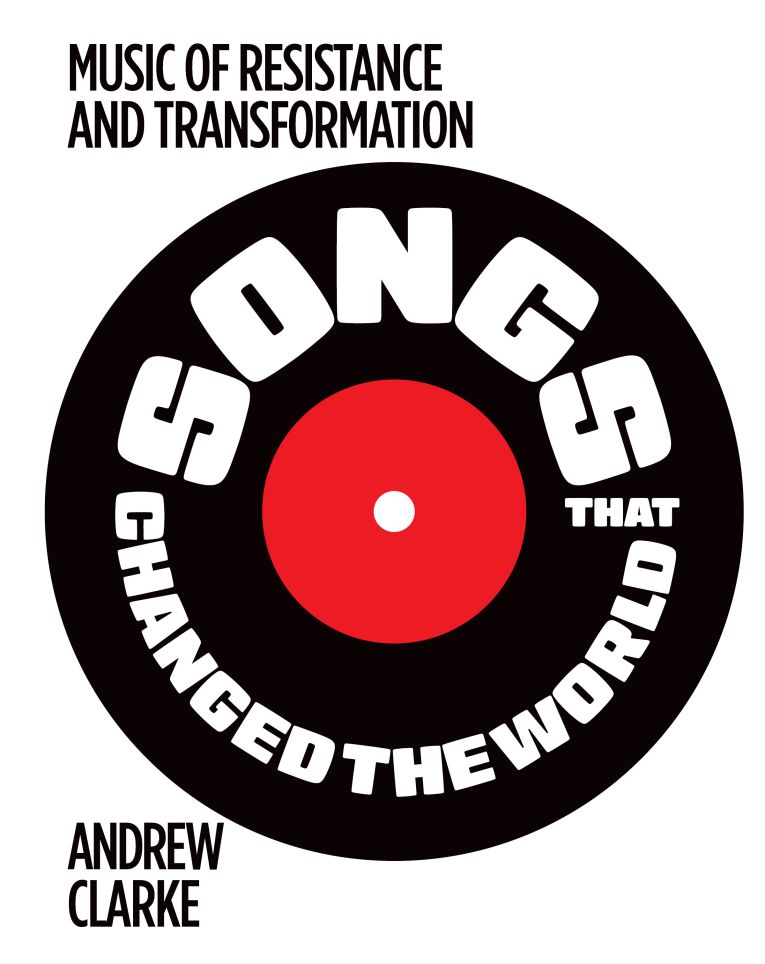 In Andrew Clarke’s latest book, Songs That Changed the World: Music of Resistance and Transformation, we are reminded that political and humanitarian issues have always featured in popular music.
Can such music really change things or have an effect? I think the answer is yes.
To argue that say, for example, John Lennon’s protest songs were not influential would be nonsensical. It’s hard to quantify the effects, but even if the only changes are in hearts and minds of fans, that is enough. And it’s a start.
As we see in this edifying and entertaining book, from Billie Holiday to Bruce Springsteen, Bob Dylan to Bob Markey, Nina Simone to Lady Gaga, U2 to Midnight Oil and Gil Scott-Heron to Public Enemy, songs have shaped moments and movements in ways few other art forms can.
They have confronted injustice, challenged authority, united communities and given people the words to express what they were thinking, feeling or demanding. At their most powerful songs do more than reflect the world around them. They help change it.
In this book Melbourne writer Andrew Clarke examines 42 songs that moved beyond entertainment to become part of something bigger. These are songs that shifted public thinking, inspired action, exposed uncomfortable truths or gave a voice to people who had struggled to be heard.

Being a reggae fan, I went first to the pages covering Bob Marley’s song Get Up, Stand Up, which was written by Marley and Peter Tosh. Tosh covered it as a solo artist when he split from The Wailers.
Marley and Tosh wrote it in 1973 as a result of witnessing oppression in Haiti, a country close to their own Jamaica. As Clarke points out, “the song became a defiant dry for action” and is still something of an anthem for freedom fighters and activists around the world.
I mean, if you were going to choose something more popular you might go for No Woman, No Cry, perhaps, but the songs in this book are not necessarily the biggest hits.
“Get Up, Stand Up remains timeless because Marley’s vision of freedom is still unfinished, with wars and oppression across the globe fuelling the injustices he raged against,” Clarke writes. “Its chorus still hits like a rallying cry, as vital now as it was in 1973.”
Amen to that.
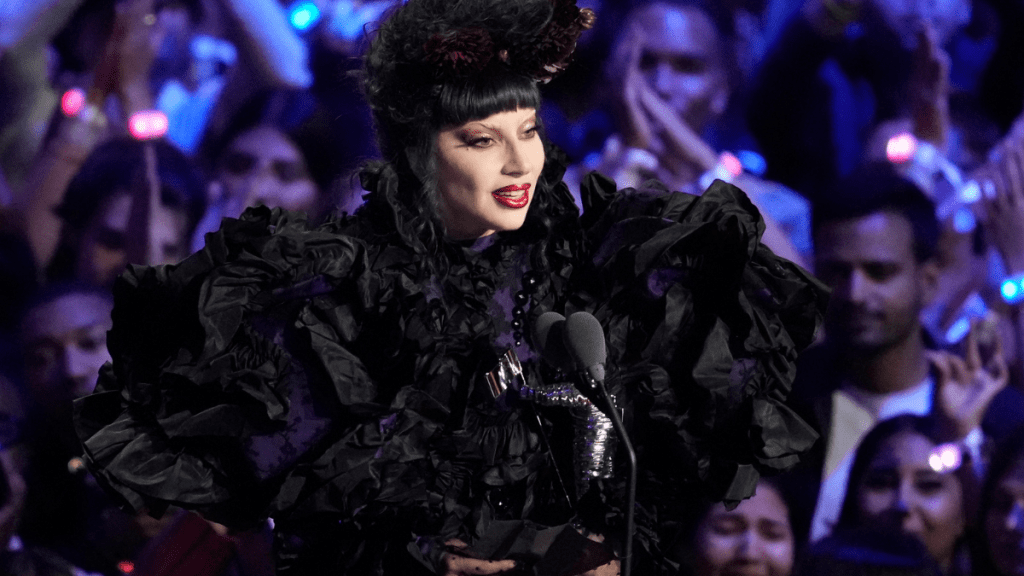
Clarke points out that Billie Holiday set the gold standard with Strange Fruit in 1939. Its brutal depiction of lynching forced listeners to confront a grim reality.
There is plenty of blues music that also critiques society and chronicles oppression.
Around the same time that Holiday sang Strange Fruit, Lead Belly had a song called The Bourgeoise Blues, which was a cutting social commentary with political dimensions.
Subscribe for updates
And so it has gone down the decades. Pete Seeger’s We Shall Overcome makes the cut for this book and so does Dylan’s The Times They Are A-Changin’.
In 1970 Joni Mitchell’s Big Yellow Taxi gave us a new perspective on progress and prosperity, pointing out what was lost along the way. That was a song that “smuggled a hard truth inside an irresistible pop melody”.
“Playful on the surface but piercing in its intent, the song is both a political statement and a personal lament,” Clarke writes. Well, after all, they did pave paradise to put up a parking lot, right?
Clarke dissects each song in relation to its cultural and political context, giving a kind of social history of the era of each song as well as plenty of interesting personal details.
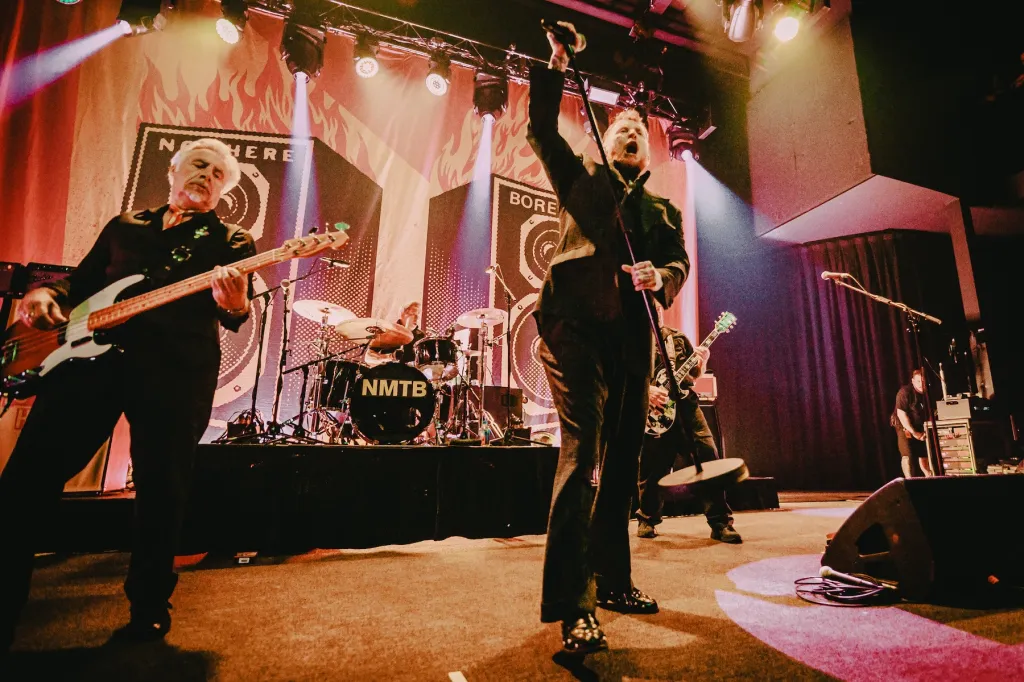
Being of a certain vintage, it is the earlier songs that most resonate with me including, of course, one of the greatest songs of the 20th century, Imagine, by John Lennon.
“Where Give Peace a Chance was reactive, opposing war and calling for a break in hostilities, Imagine was visionary. It considered what a peaceful world would look like.”
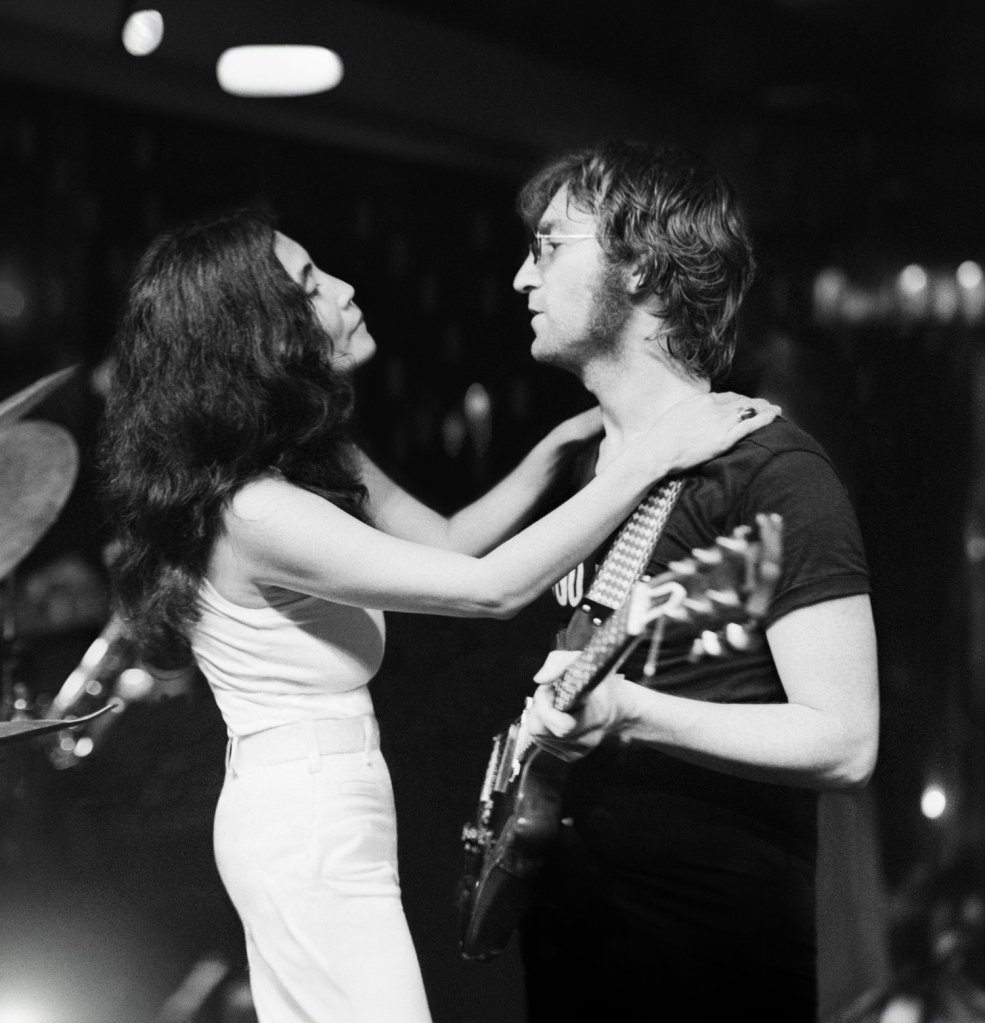
That should not have been such a radical idea – but it was.
I smiled to see God Save the Queen by the Sex Pistols also listed. Classic. I remember a friend went off to London and sent me back a mix tape featuring new British music and it included that song. I was blown away.
God save the Queen, The Fascist regime, It mad you a moron, Potential H-Bomb. Wow.
And so it goes with songs including Sunday Bloody Sunday by U2, Fight the Power by Public Enemy and Born This Way by Lady Gaga, among others. Forty-two songs in all, each with its own fascinating back story.
Now, excuse me, because I’m just going to put some Bob Marley on the turntable. Rastafari!
Songs that Changed the World: Music of Resistance and Transformation by Andrew Clarke, Gelding Street Press, $39.99.
simonandschuster.com.au/books/Songs-that-Changed-the-World/Andrew-Clarke/9781922662361
Want to see more stories from InDaily SA in your Google search results?
- Click here to set InDaily SA as a preferred source.
- Tick the box next to "InDaily SA". That's it.
Free to share
This article may be shared online or in print under a Creative Commons licence