Book review: Sororicidal
Care and cruelty are intricately entangled in Edwina Preston’s latest novel, which follows two sisters from a childhood in an Edwardian Adelaide vineyard to their turbulent twilight years.
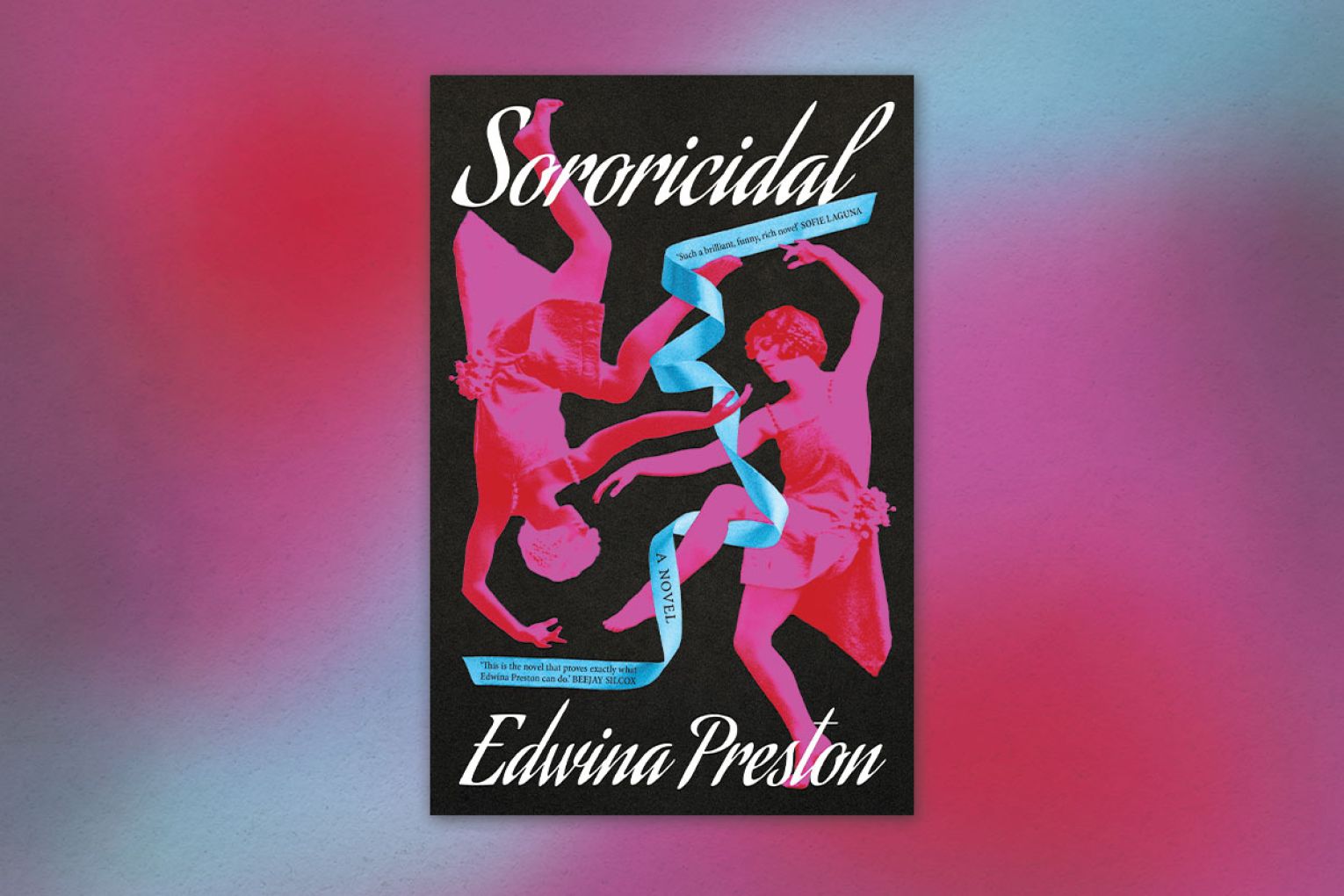
Melbourne-based writer and musician Edwina Preston returns to the art world for inspiration with Sororicidal, a novel of sisterhood, sibling rivalry and revenge. Following her Stella Prize-shortlisted Bad Art Mother, Preston expands her interest in art, family and the slippery ethics that bind them in this absorbing novel where care and cruelty are intricately entangled.
With such a gripping title, Sororicidal creates tension before the first page is turned. Despite this promise of violence between sisters, what the novel delivers is something more complex – harm that accumulates over a lifetime, born of one sister’s inability to apprehend the depth of the other’s sensitivities, and the other’s inability to release what has been done to her.
The story of this long, entangled relationship begins in Edwardian-era Adelaide and unfolds across decades shaped by war and shifting ideas about art and gender. Told in alternating sections from the perspectives of Margot, the younger, and Mary, the elder, the novel follows the sisters from a childhood spent in relative isolation on a vineyard outside Adelaide to their elder years in which they are forced, by necessity, to share their family home.
The narrative opens with Margot’s account of their childhood and adolescence. Early intimacy curdles into something claustrophobic and coercive. Mary appears manipulative, even cruel, while Margot – intensely sensitive – experiences each slight as a wound that is neither acknowledged nor repaired.

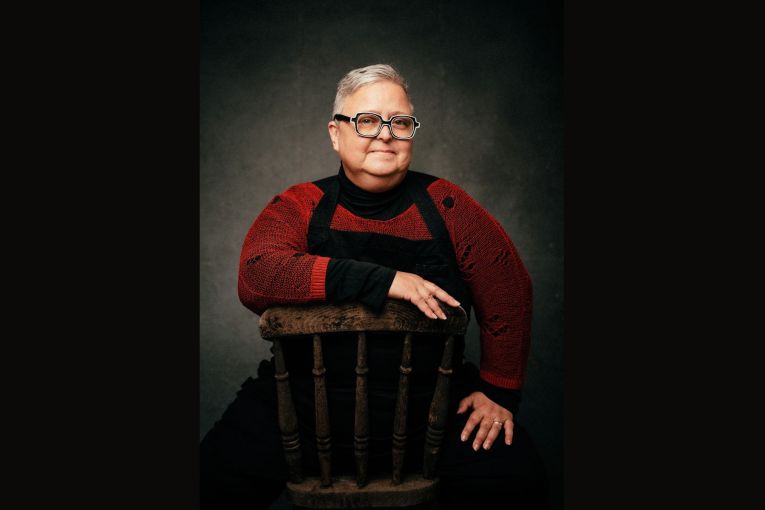
There is a moment early in the novel that sets a pattern. Under Mary’s influence, Margot is manoeuvred into physically harming herself – an act of casual malice that Mary subsequently forgets or dismisses. This asymmetry will repeat itself throughout their lives – Margot bears both the physical and psychological consequences of an act that is never named nor recognised. Her response is to metabolise the injury, storing the resentment over the years with a grim patience.
Margot’s position within the family intensifies this dynamic. Born with a malformation of the foot, she is less active than Mary and often overlooked. Introverted, sensitive and at the mercy of her sister’s callous extroversion, she becomes almost an archivist of injury, holding onto each slight with a tenacity that both sustains and imprisons her.
Mary, artistic and extroverted, moves through the world with a blithe lack of awareness of her privilege and power. Thoughtless rather than deliberately cruel, she fails to grasp the impact of her actions, and just as crucially, fails to remember them.
When the narrative shifts to Mary’s perspective in adulthood, Preston complicates the moral terrain. Margot’s account is not undone so much as destabilised. The reader is forced to reassess what has been taken as fact and to recognise that memory and history are subjective. As it becomes clear that both sisters misapprehend the other, the tension sharpens. Yet the harm persists, regardless of intention.
This dynamic extends beyond the sisters’ emotional lives into the realm of art. Mary becomes a painter of growing renown. There are echoes here – in both of painterly style and biography – of Grace Cossington Smith, whose work developed within the confines of the family home. But where Cossington Smith’s relationship with her sister was not known to be problematic, Preston recasts this relationship as ethically fraught.
Subscribe for updates
Crucially, the works that propel Mary’s career are drawn directly from her family. An early portrait of Margot – one Margot loathes – establishes Mary’s technical skill and is understood to be the work which gains her a place in a Melbourne art school. Later, her studies of Margot’s daughter bring her national acclaim. In both cases, family intimacy is converted into artistic capital. And in both situations, Mary fails to consider questions of consent or the ongoing impact of representation. Her art is not malicious, but it is extractive, and she remains blind – or indifferent – to the implications of using her family in this way.
For Margot, this is yet another injury, compounding her view of Mary as imperious and unfeeling. She spends her childhood feeling unseen, only to be rendered visible ways she abhors – and then to see the same indignity inflicted upon her daughter.
Across the decades, the sisters remain bound to one another, unable to extricate themselves despite their desire for independence. The promise of the book’s title is delivered through an accumulation of damage. The pressure builds in ways that are psychological and, eventually, physical. From both perspectives, we see injury answered with retaliation, grudges not merely held but nourished.
This is a powerful and compulsive novel that uses the backdrop of the 20th century to striking effect. Preston builds her emotional weather with meticulous control. Through its alternating perspectives, readers are subtly destabilised, sympathies shifting as we are drawn into this absorbing world of inescapable relationships, rivalry and revenge.
Sororicidal by Edwina Preston (Picador) is out now
Want to see more stories from InDaily SA in your Google search results?
- Click here to set InDaily SA as a preferred source.
- Tick the box next to "InDaily SA". That's it.
Free to share
This article may be shared online or in print under a Creative Commons licence