Seeing the world behind the lens
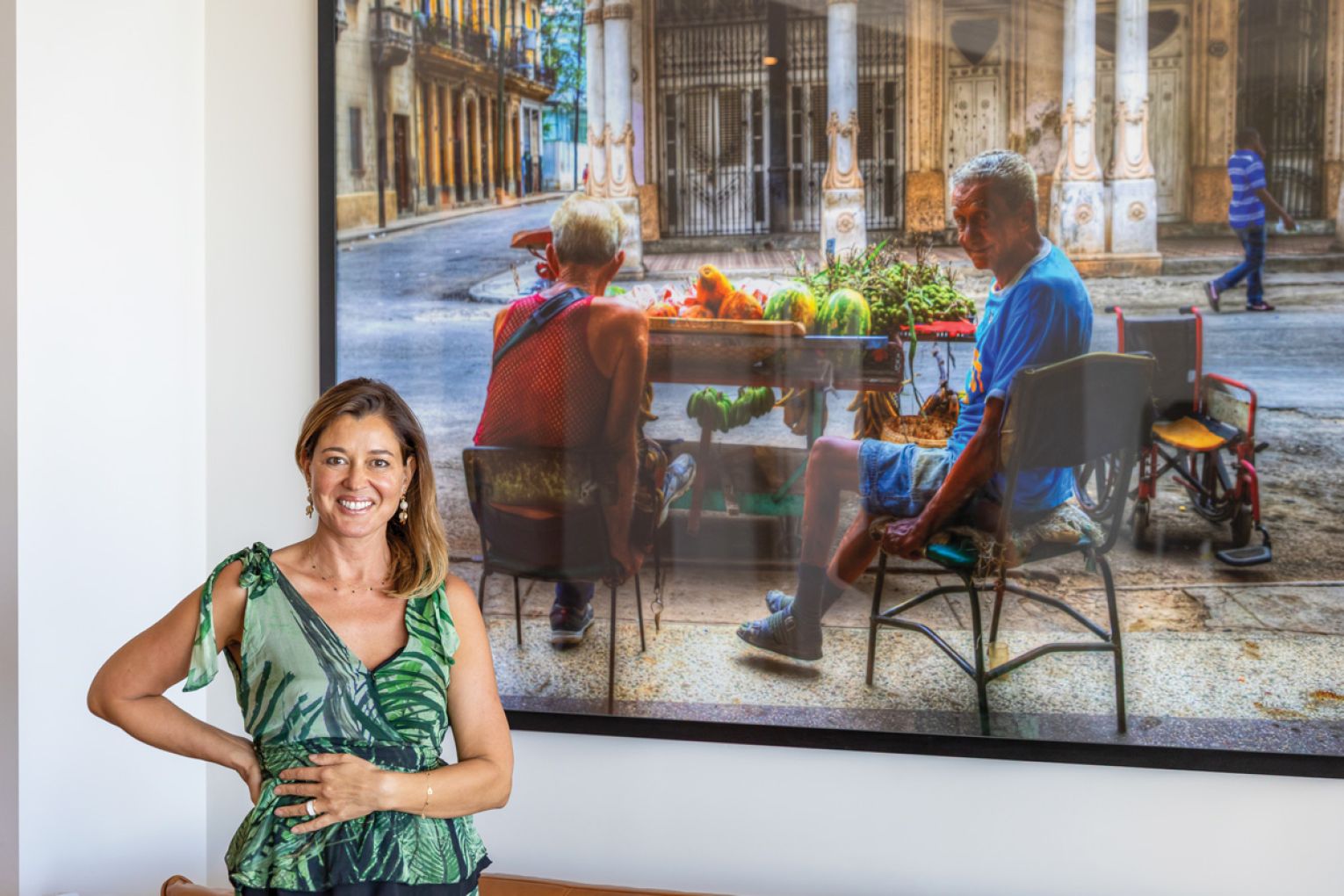
From a close encounter with a rare super tusker elephant to camping with remote Ethiopian tribes, photography has offered mother-of-two Luiza Michalewicz experiences she never thought possible.
As a working mum, Luiza Michalewicz never dreamt that she would one day camp in remote African communities, feed wild hyenas by hand or share soap with tribeswomen while bathing in a river in remote Ethiopia.
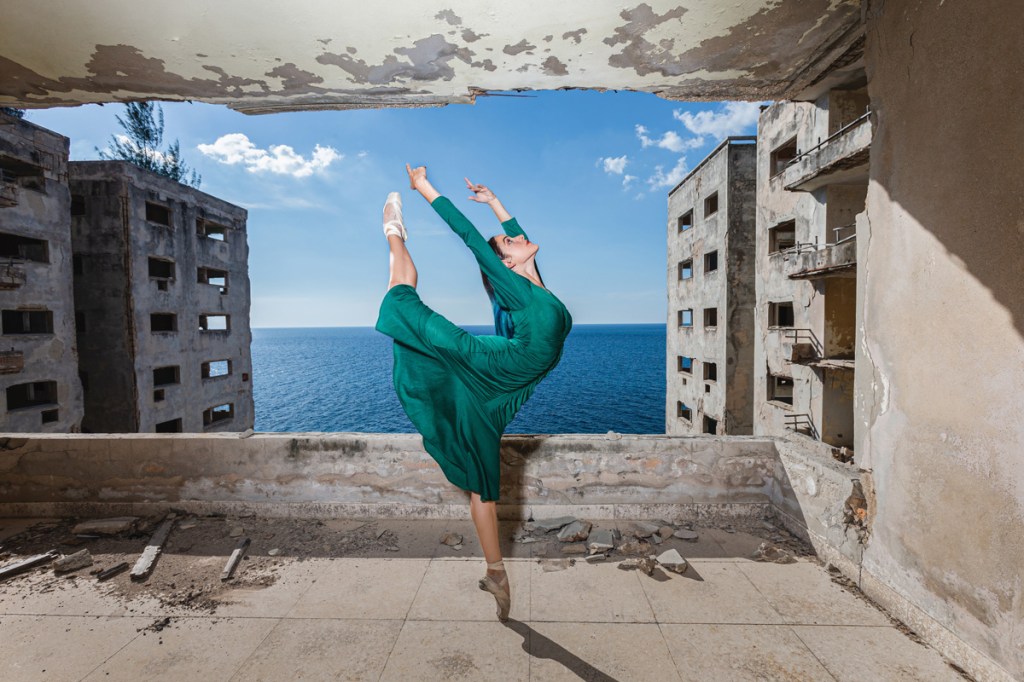
Nor that she would sneak into condemned buildings in Havana to photograph ballerinas on crumbling rooftops, chase elusive geishas in the dark alleys of Kyoto, or hang out with sumo wrestlers in Tokyo.
Such global adventures would have seemed even more unlikely to Luiza during her youth, growing up in Poland while it was still under the restrictions of communist rule.
“There were two TV channels, and they were only available for a few hours each day,” Luiza, now 48, says. “I would watch travel programs about Africa and that invoked my imagination; the villages and the wildlife were all beyond comprehension to me.”
From an early age, Luiza would hold her hands up to form a rectangle, pretending to frame the world in front of her. “Since I was a little child, I have wanted to take photographs, but I didn’t know how,” she recalls.
“My father encouraged my brother and I to become professional acrobats, which gave us opportunities to visit other countries; to see things in the outside world. Whatever money my brother and I earned performing, we would give to my parents to help them buy food and pay bills. It made me determined to always work hard at whatever I set out to do.”
Luiza was just 18 years old when she met her now-husband Matthew, and the couple moved to the United States to study – Luiza in psychology and biology. In 2004, the pair moved to Adelaide where they raised their two boys Adam and Arthur, now in their 20s.
Pursuing an MBA at the University of Adelaide, Luiza was paving the way to a corporate life – until she decided to shift focus. She completed a diploma at Adelaide’s Centre for Creative Photography in 2014, aged in her mid-30s.
You might like
She began planning bold photographic projects around the world, pursuing the dreams she had as a child. She usually travels solo, but has taken her son, Adam, on two trips, which have inspired his own interest in the craft.
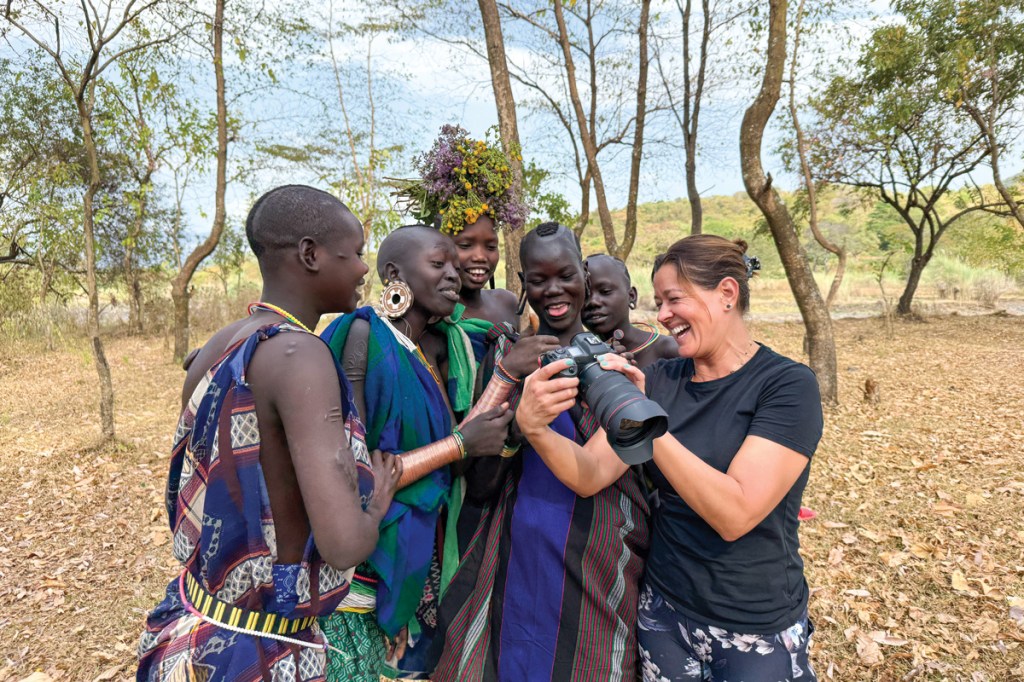
Luiza has regularly travelled to some of Africa’s most isolated indigenous villages – far off the tourist trail – driven to capture unique snapshots of an enduring people, culture and wildlife.
“Every day when I am in Africa, I wake up with a fear and excitement of the discovery of the unknown,” she says.
“My photographs are not souvenirs of travel, but records of people rooted in tradition, animals that carry history in their stride, and cultures negotiating their place in a changing world.
“Now being privileged to have the freedom to travel and to experience, I want to share it with others. I love spending time with these people and experiencing their culture. I want to capture special moments, their way of living, the way they are dressed – everything.”
Organising a photoshoot takes up to a year of diligent planning; a process she learnt the hard way. In 2014, Luiza embarked on her first photography trips to capture geishas in Japan and ballerinas in Havana, but both proved unsuccessful and disheartening.
“It was my romantic view of photography that if you are in the right place and time ‘the perfect shot’ is going to happen, but it often doesn’t play out that way,” she says. “There are so many unexpected and disappointing obstacles that can be against you.”
Several years later, Luiza returned to Havana, enlisting local contacts to help her organise the dancers. She snuck them into condemned buildings and onto crumbling rooftops, using the ruined city as a backdrop. “The ballerinas’ simple costumes, torn stockings, and worn-out ballet shoes made them seem even more beautiful and sophisticated,” she adds.
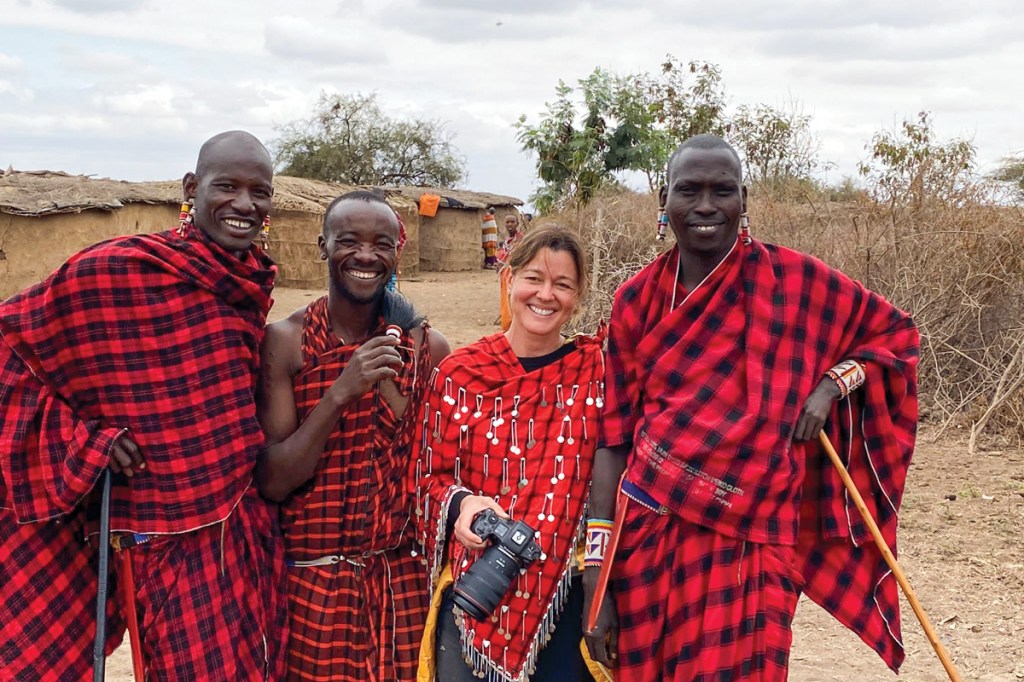
Luiza’s projects have become increasingly ambitious. She has visited Africa on four separate occasions, using help from local contacts, guides and interpreters to photograph indigenous people and wild animals.
Subscribe for updates
“I travel far off the regular tourist path because I want genuine, first-hand experiences,” she says. “Many of these towns do not exist on any map and there are no road signs, so you must have someone who will take you there.
“On the ground, I have two guides with me. Then, each village has its own language so there can be four translations between the tribespeople and me.”
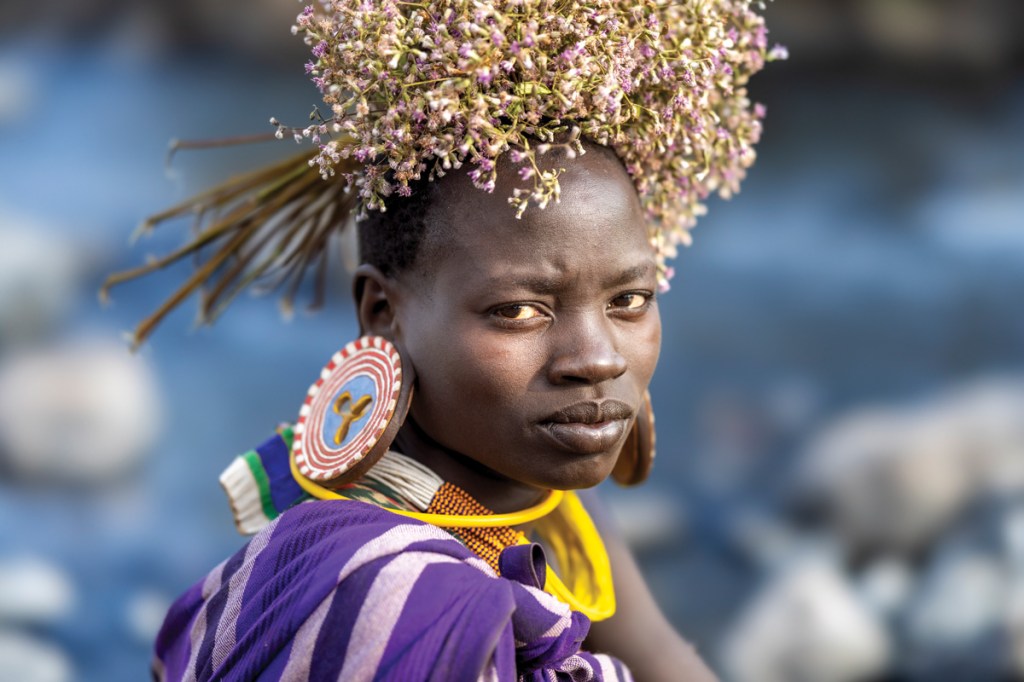
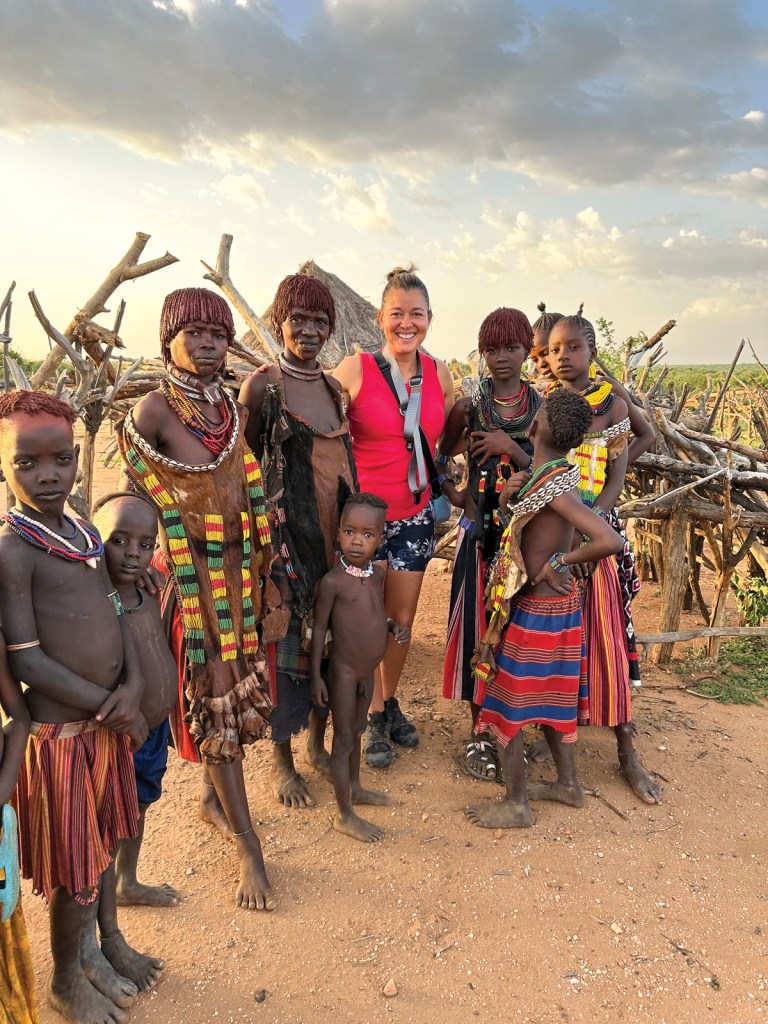
For photographers especially, Southern Ethiopia’s Omo Valley is the “most interesting place on earth”. Here, women of the Hamar tribe wear heavy metal rings that are hammered and bent around their necks to indicate their status as first, second or third wives. Stretched decorative ear and lip rings are another focal point.
“It is like being on a set of a movie; their centuries-old way of being, their culture, is very much alive. They continue to practice their routines, their beliefs, their own law and languages,” Luiza says.
“They are such proud and graceful people with strong personalities. They naturally have amazing poses; the way they stand is so beautiful, so all they have to do is just stand there, and they’re perfect.”
Luiza says travelling to third world countries is gruelling, but the rewards are worthwhile, provided you remain respectful as a visitor. “When you arrive, the custom is to hug every member of the community and exchange names – which is the first icebreaker,” she says. “There are countless kids running around, and when they realise you are friendly to them, they relax, welcome you, and want to play with you.”
At each village, Luiza leaves gifts such as soaps, lotions, antiseptic creams, Panadol, costume jewellery and notebooks. Taking time to bond with the people and even camp in their village builds trust, allowing Luiza to capture genuine moments and expressions. “This is what I love in my photography: that freedom and genuine nature in people,” she says.
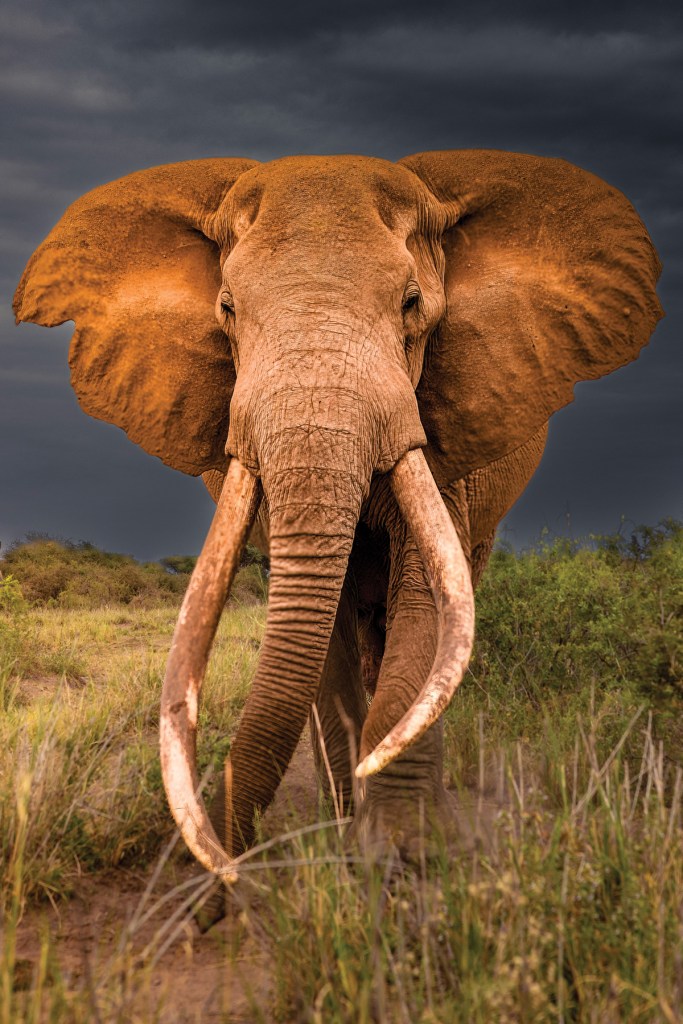
In Kenya’s Amboseli National Park, Luiza experienced a close encounter with one of only two dozen “great tuskers” left in the wild: Craig. He has since died of old age. “I was a metre-and-a-half away from him; he glanced at me and just walked by,” Luiza says. “If you don’t aggravate them, it’s all fine. He is a gentle giant, and my heart was full of joy in that moment – it was profound.”
She also has fed hyenas by hand, partaking in a centuries-old tradition carried out by the people of the ancient city of Harar, where hyenas were believed to be the city’s spiritual protectors, cleaning the alleys of scraps.
Over coming months, Luiza has her sights on the northern hemisphere, with projects focusing on nomadic people and wild horses. For an entire month, she and her son will live with a nomadic Mongolian tribe to capture their customs of hunting with eagles and herding reindeer.
Luiza has won many awards across a range of photographic genres, several in the past year alone, including the respected 1839 Awards. Recognition from professional photographers has reinforced Luiza’s confidence and sense of validation for all the hard work she has invested, albeit later in life.
“It’s rewarding to be recognised out of many thousands of applicants to these awards,” she says. “Just because I like my work, it doesn’t mean it’s good, so to have that recognition is very important to me.
“I want to go away every year to be immersed in different places and see how people of different cultures live. It is a great chapter of my life right now that I have worked hard for and I am making the most of every moment.”
To expand the reach of her work, Luiza is seeking collaborations with interior designers, art consultants and private collectors. For her, photography is not only about where an image is taken, but where it ultimately lives — in homes and public spaces where it can become a catalyst for dialog and connection.
Her journey also reminds her that passion does not expire. That it is never too late to begin or to follow your calling. And in an era of fleeting images and endless scrolling, Luiza’s work asks for something more: “time, attention and respect”.
This article first appeared in the June 2026 print issue of SALIFE Magazine.
Want to see more stories from InDaily SA in your Google search results?
- Click here to set InDaily SA as a preferred source.
- Tick the box next to "InDaily SA". That's it.