Transforming lives, one step at a time
Eight days of attention is sometimes all it takes to influence a young person’s life, as Operation Flinders has been discovering for 35 years.
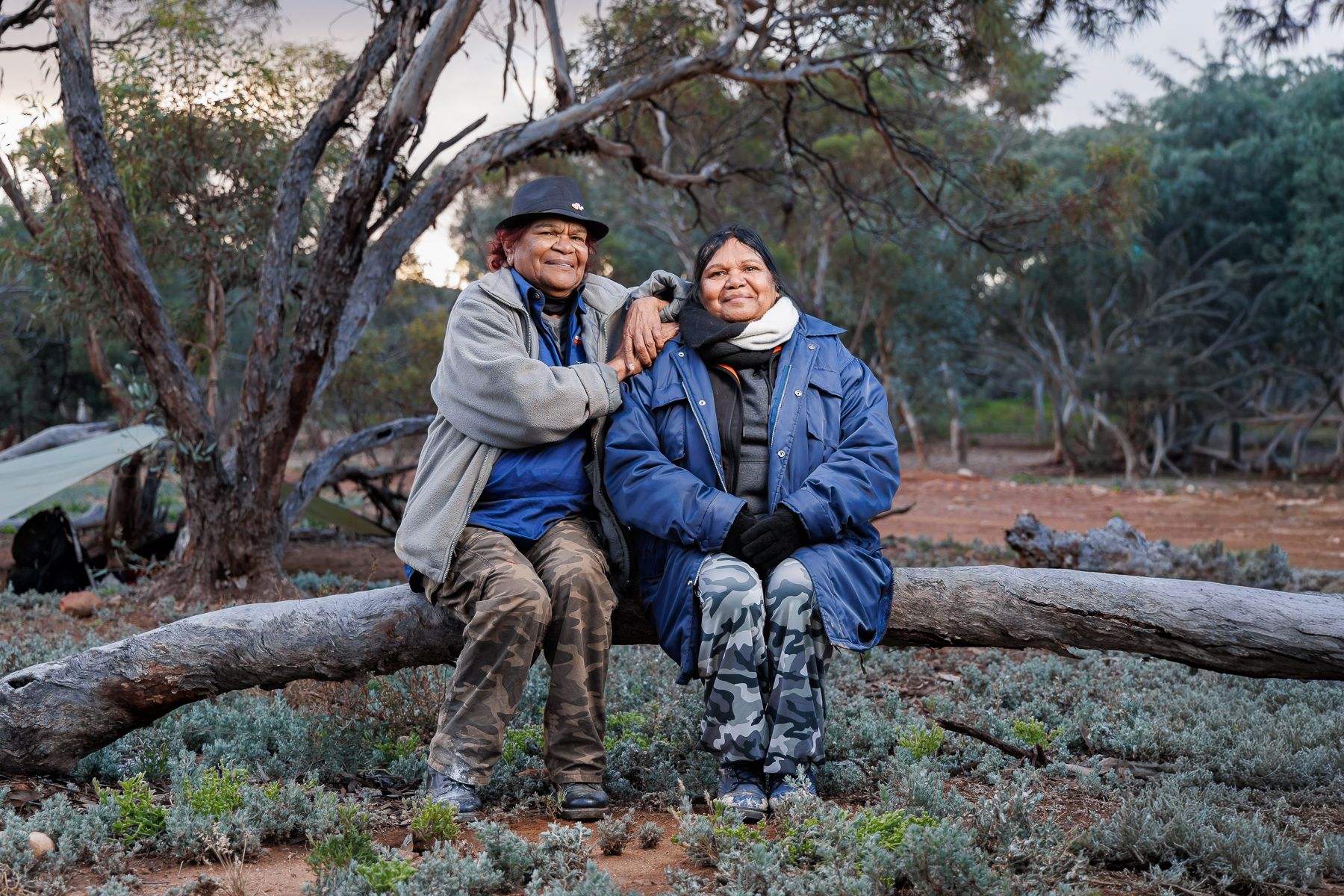
A ripple of pink clouds begins to gently light the expansive sky stretching over Yankaninna Station. Then, it suddenly bursts into fiery orange – a visual alarm clock to all the young people dotted around the property, waking in their sleeping bags to a frosty Flinders Ranges morning.
When SALIFE visits the station to experience just a fraction of what the kids go through, we’re privy to a special show Mother Nature has put on.
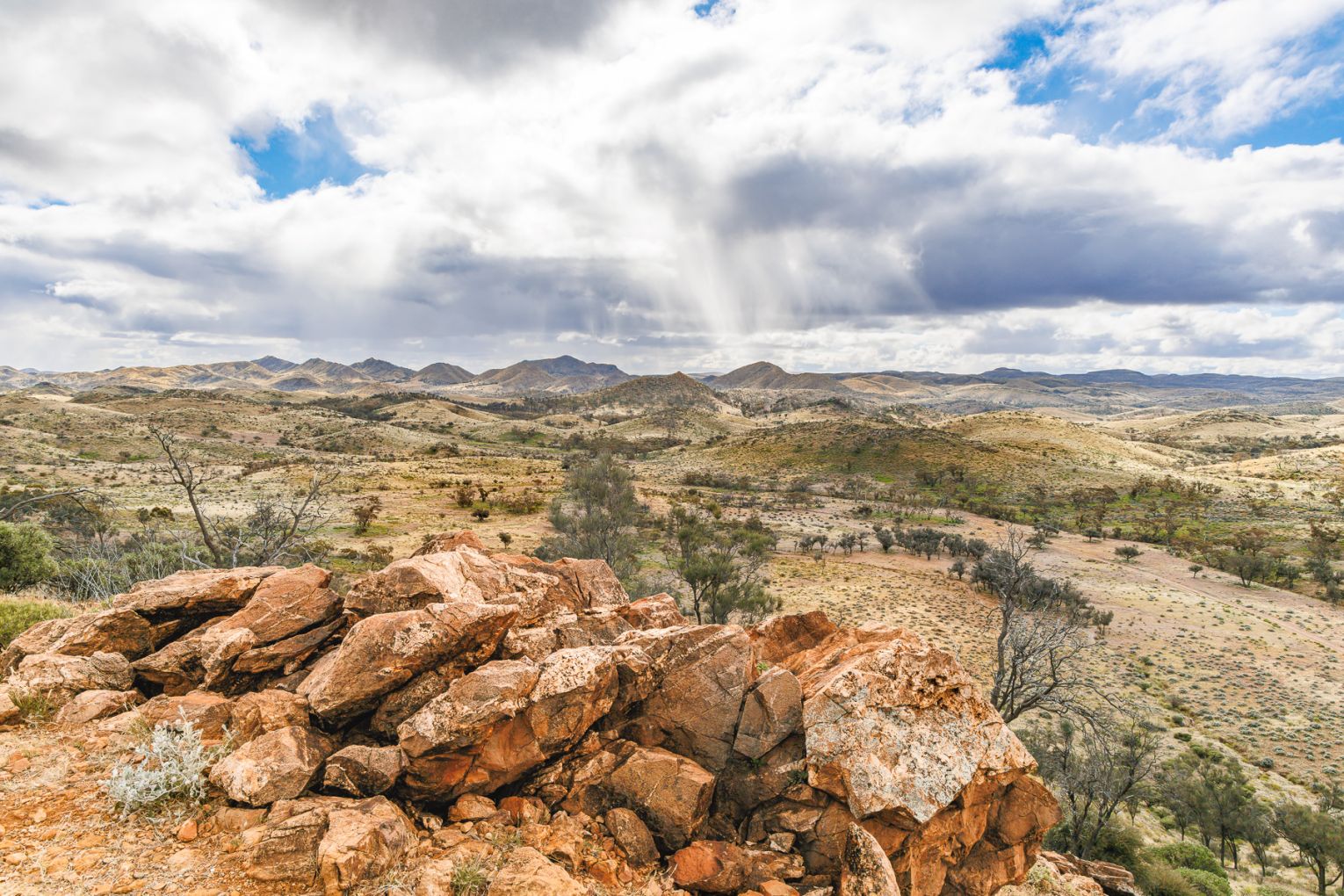
This is one of the wettest seasons in memory and in the place of dry creek beds and expanses of red dust, clumps of wildflowers spring through the earth.
Where the 4WD we’re hurtling along in would usually kick up that red dust, it’s instead spraying up puddles of rain.
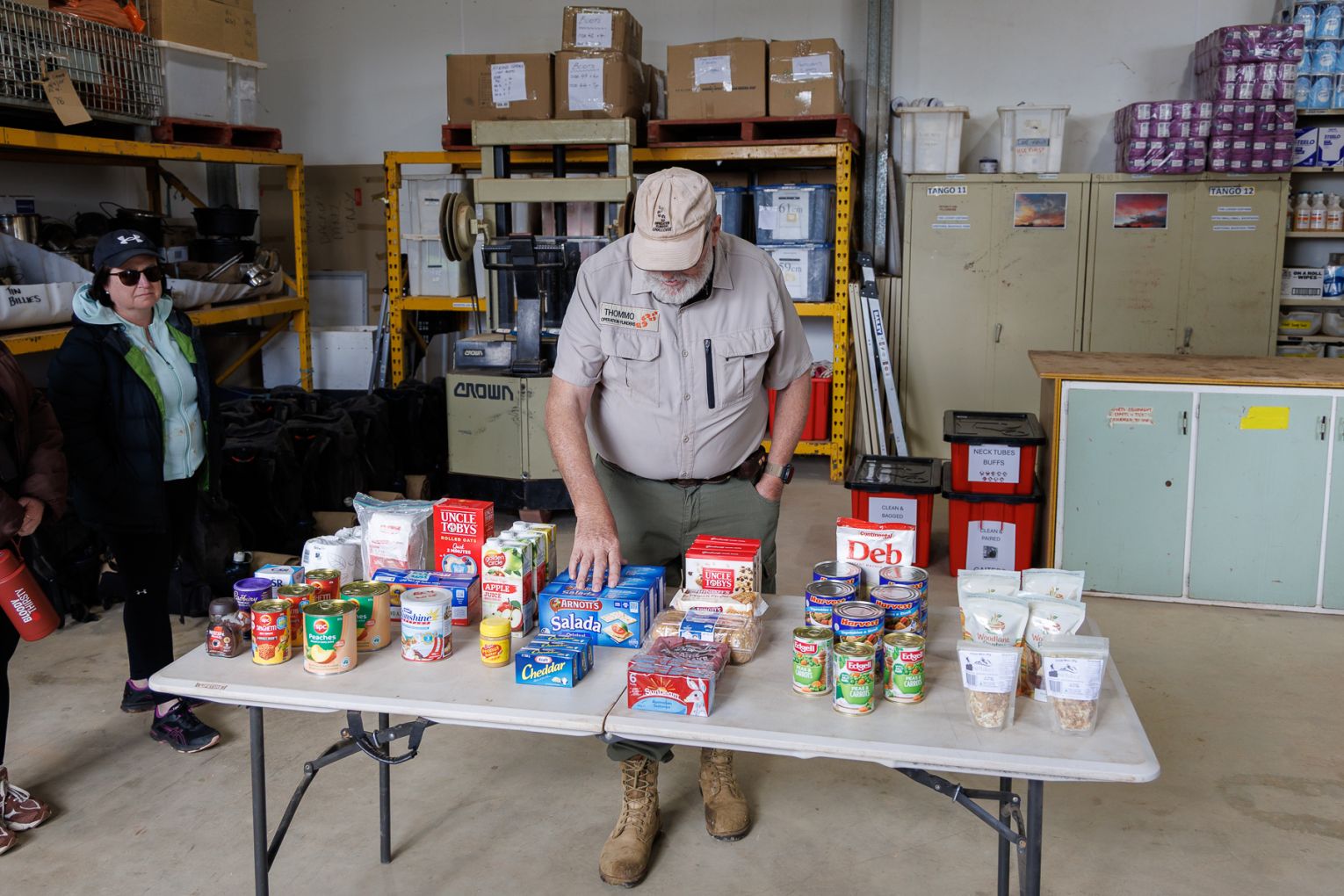
Hours earlier, the fire pits that now lay cold were roaring, heating the canned food that had been weighing down the enormous packs on the back of each walker.
For these young people, each night not only represents a rest from a big day of hiking, it’s also potentially the only “family” dinner they experience, full of stories and recollection of the day’s adventures.
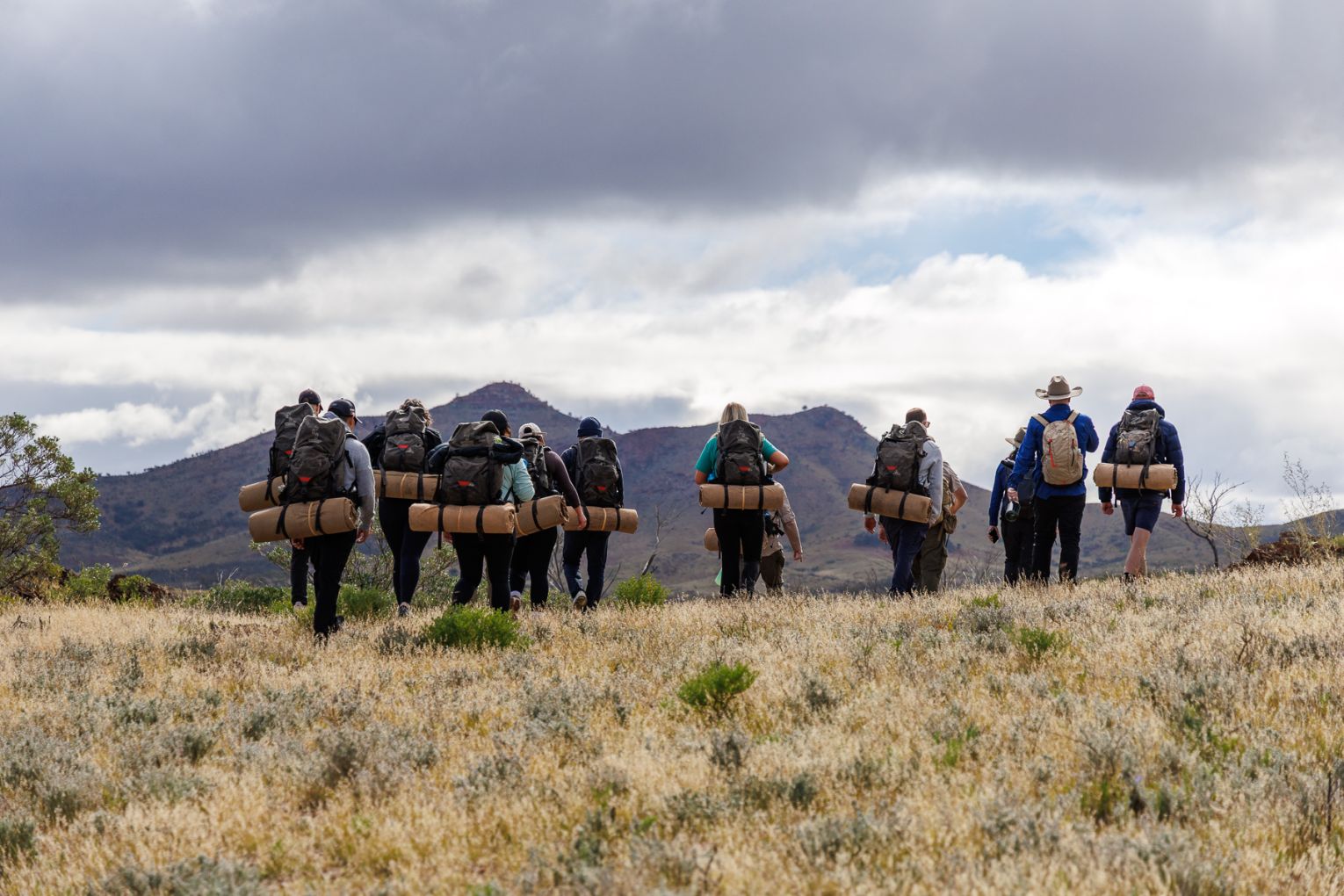
Out here on Yankaninna – roughly 650 kilometres north of Adelaide – Operation Flinders runs a wilderness trekking program for young people living with a whole range of risk factors.

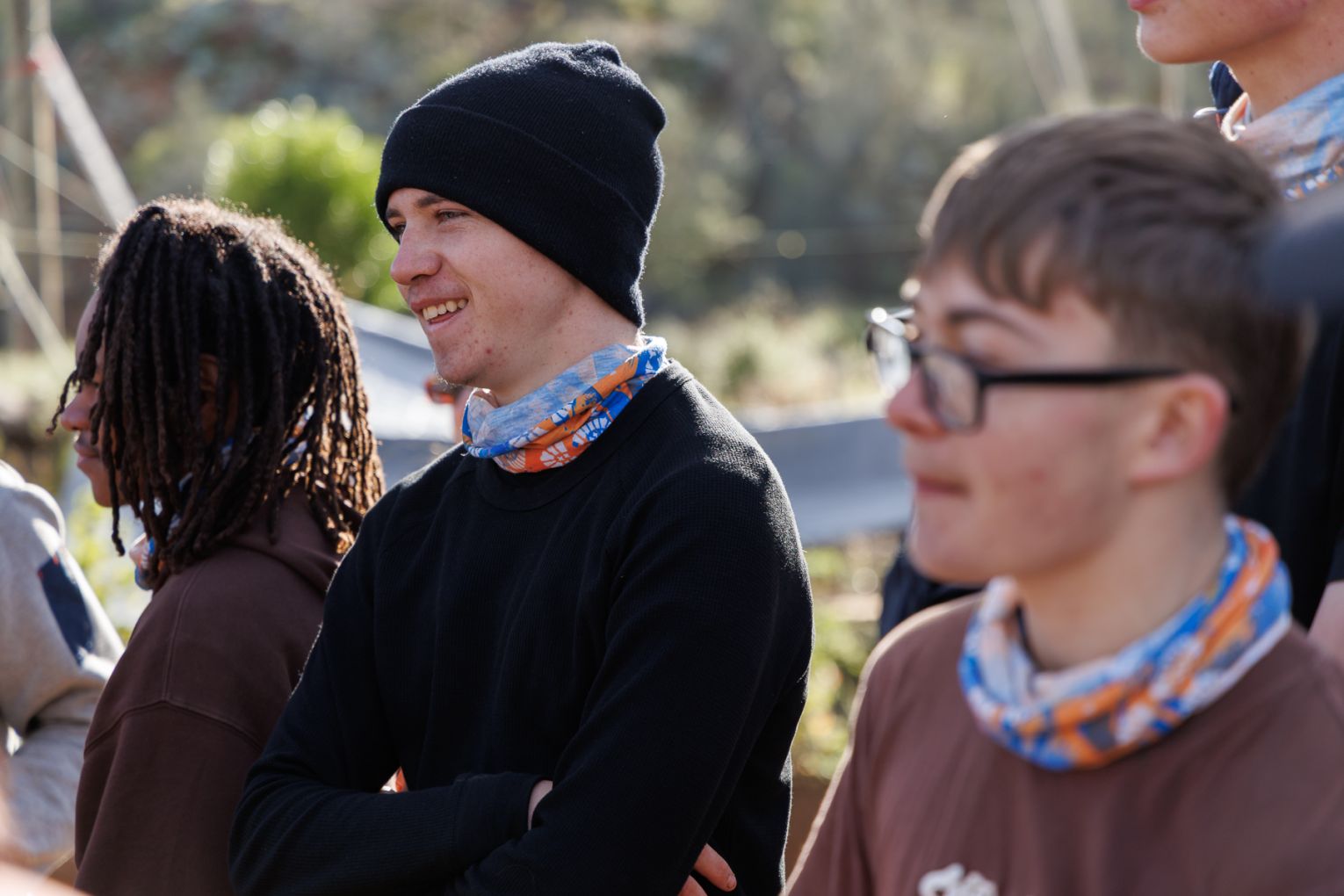
There are 10 factors, such as social and economic disadvantage, exposure to drug and alcohol abuse, having a caregiver or parent in prison, and disengagement in school. A young person may only have one risk factor – but sometimes, it’s all 10.
After many hours on a bus bound for this slice of the Flinders, the participants are dropped off on the side of the road in the middle of nowhere with just a backpack of necessities to see them through the next eight days.
As we discover, the program they’re about to embark on has been very carefully constructed with patience and understanding. This isn’t a boot camp, and none of this is about punishment.
Over the course of the week, the kids – aged 13 to 18 – will walk 100 kilometres across one of the most beautiful and isolated parts of our state in an exercise designed to build purpose, connection and resilience.
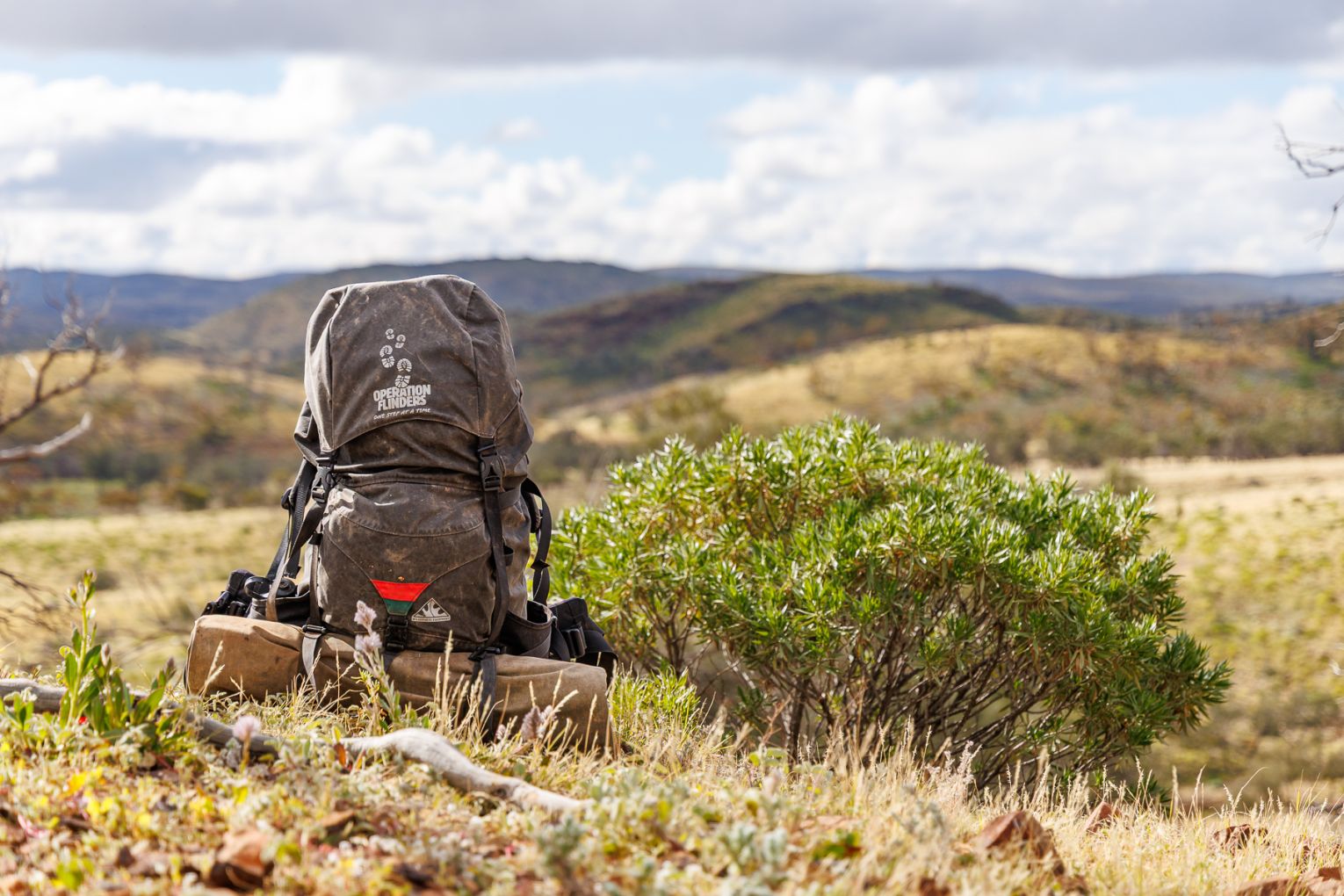
The program attracts volunteers who drive up to the station time and time again – one of whom is 2019 Australian of the Year, Dr Richard “Harry” Harris.
Back in 2012, Harry was working with MedSTAR Emergency Retrieval Services when he heard about Operation Flinders from the special operations paramedics.
“They kept saying it’d be perfect for me,” Harry says.
It was on Harry’s radar, but he’d been so busy with MedSTAR and his own anaesthetic practice that he hadn’t looked into it.
Then, in June of 2018, everything changed. Harry was part of a team who saved 12 boys and their soccer coach, after they became trapped in a flooded cave in Thailand.
“When Thailand happened, it occurred to me that I’d been living this selfish existence in a way,” he says. “It was such a circuit-breaker for my life.”
Harry contacted Operation Flinders to let them know he was interested in volunteering.
“I went in there and there were two people sitting across from me at a desk. I realised this wasn’t just a chat about volunteering – this is a formal interview and it’s definitely a pass/fail situation.
“They’re really scrutinising the volunteers to make sure they’ve got the right mix of skills and personality to be able to safely look after these kids and themselves in the bush.”
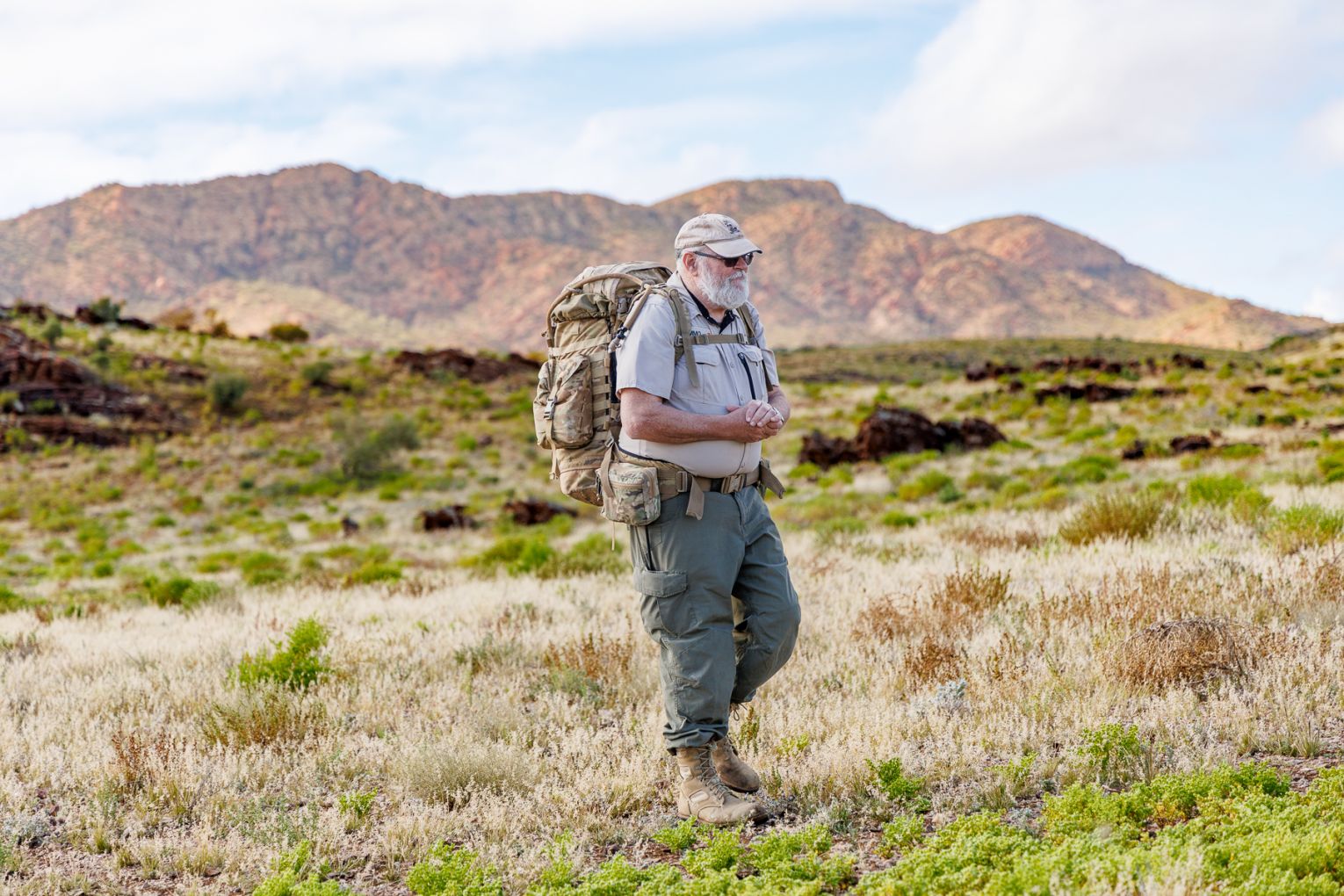
What keeps Harry going at 61 years old – with a backpack that feels a little heavier each walk – is knowing the effect the program has on every participant.
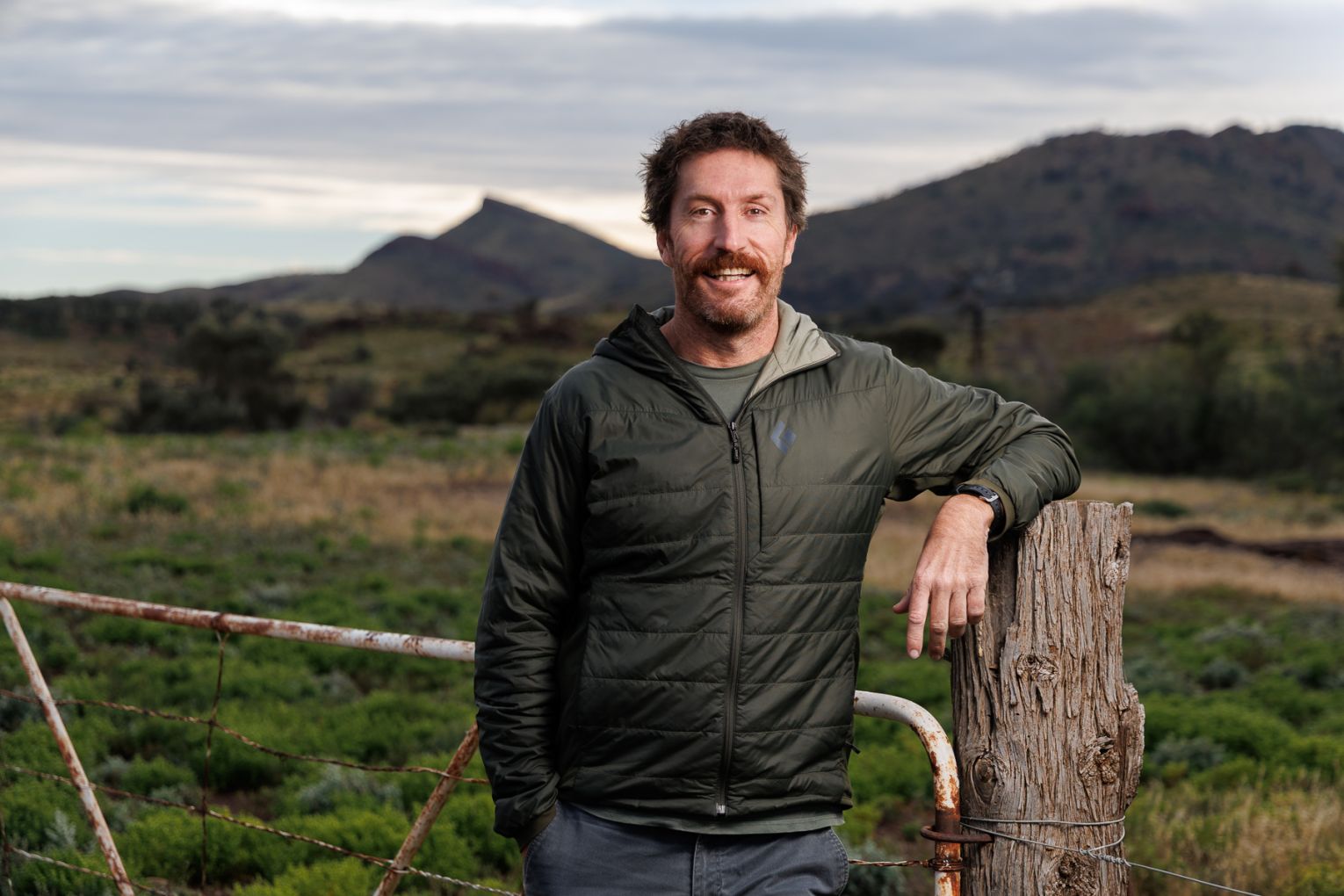
“Some of them have never been very far outside of their suburb, let alone the Flinders,” he says.
“Even if these kids don’t benefit in some tangible way, this might be the one time in their life they get to see an amazing place, sleep under the stars and have some adults being kind and being good mentors to them.
“If that’s the one thing they get out of this, that’s enough.”
One participant who sticks in Harry’s mind is a boy he describes as a deep thinker and quite intelligent.
“He’d been told by his parents that he was dumb and that he wouldn’t amount to anything, but he’d started volunteering with St John Ambulance.”
Over the course of the week, the pair chatted about the boy’s hopes to get into nursing.
“I started to realise that I could increase the complexity of these conversations on a day-to-day basis, and I could actually barely find his limits.”
Harry planted the seed that this participant could be a doctor.
“I heard a few months later that he had changed schools and he had really knuckled down on his studies and he was hoping to try to get into medicine.”
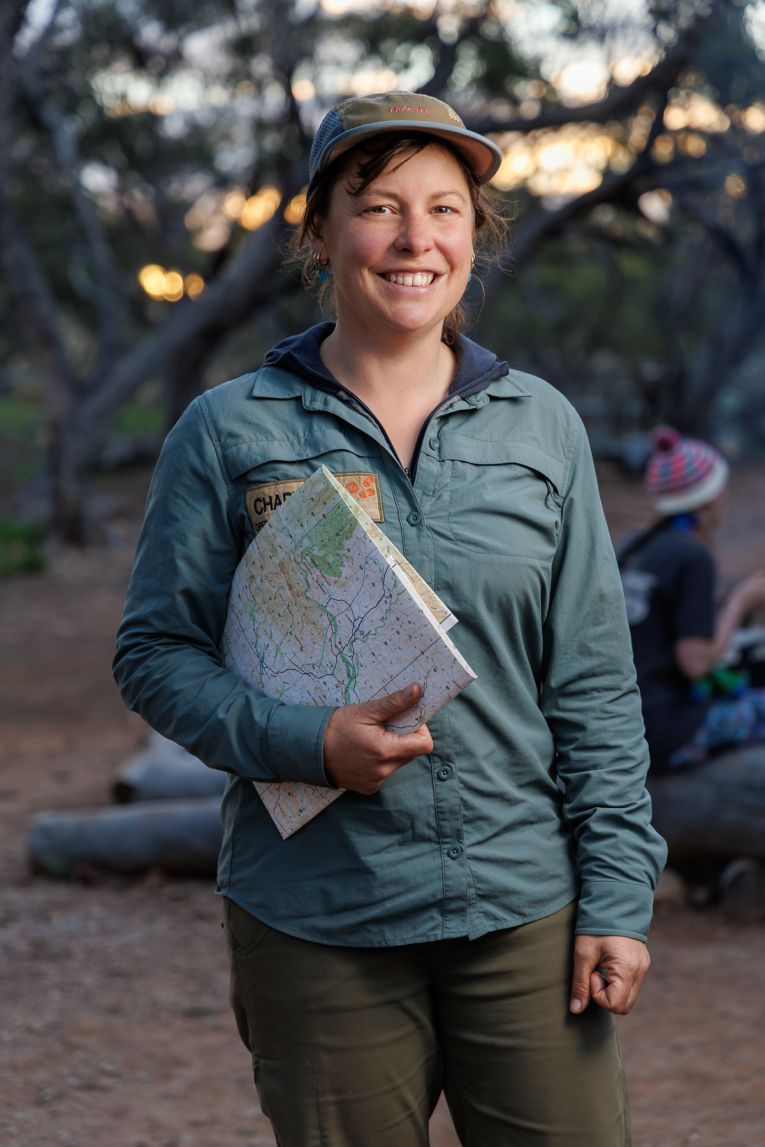
Harry has done about six walks, and whenever he gets the chance, he makes sure it’s with his walking buddy and former commando, Heath Jamieson.
“Heath is probably the calmest and strongest – mentally and physically – person I know,” Harry says.
“He’s been deployed several times. I don’t think anything can really rattle him compared to that.
“He’s actually a really kind and gentle person. An extremely deep-thinking, philosophical guy.
“When he says something, it really resonates – with the kids especially. They recognise that aura about him that I do.”
Heath naturally navigates at the front of their groups, while Harry finds his position at the back of the bunch. There, he has a very special skill.
“My medical training is reduced to being a professional blisterpopper and treater,” Harry laughs.
“Early notification is the most important thing – as soon as you get a little hot spot.
“These kids are really tough, they don’t want to complain and they don’t want to look weak, or they are so used to being independent and fending for themselves that they just won’t tell you.”
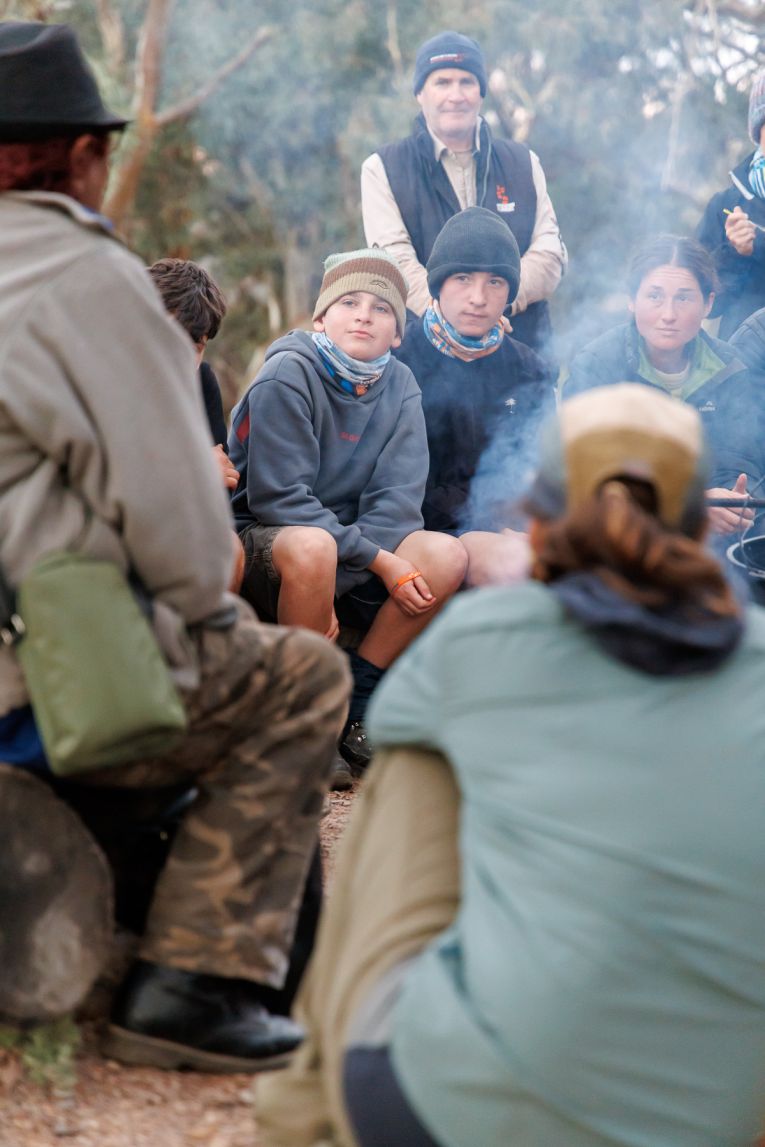
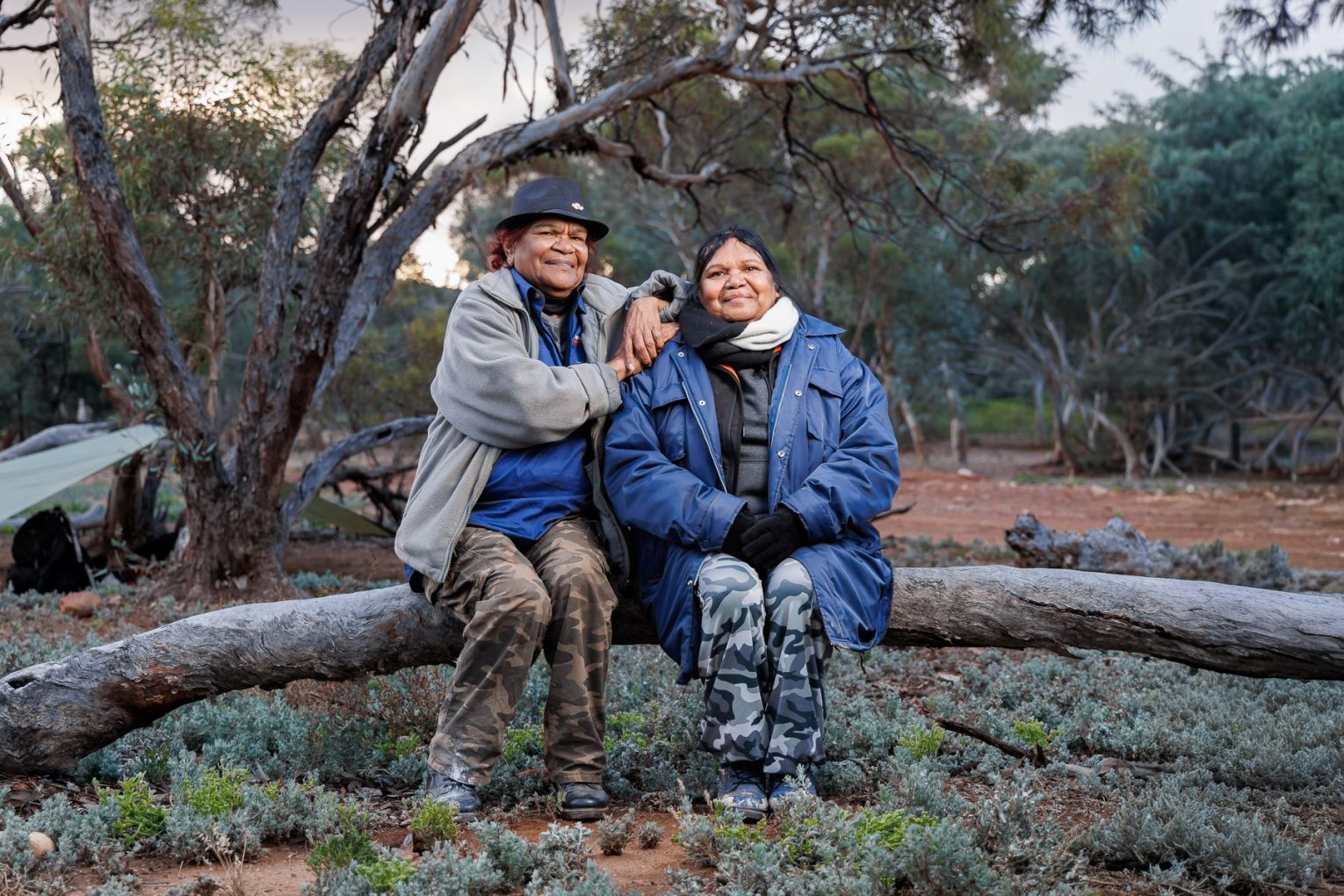
Harry’s respect for Heath is mutual – Heath says his mate is “just the loveliest person on the planet”.
“He’s such a humble, nice guy,” Heath says.
Heath began volunteering with Operation Flinders after he was discharged from the army after being shot through the neck during a tour to Afghanistan.
As Harry attests to, Heath keeps a cool head throughout every exercise, even when the participants are trying to push his buttons.
“If I can be a positive adult for that moment and not yell and get cranky, that’s something a lot of them haven’t seen too much of in their life.
“It’s the simple act of giving a kid attention that doesn’t normally get it, and the difference that can make.”
Heath remembers one peer group mentor in the early days, who stole some food from another PGM at the end of an exercise. He then ran away, only asking for Heath when he was eventually found.
“He was probably one of the most troubled kids there. He’d done the walk a year earlier [as a participant] and at home, he sleeps on a broken bed. His sheets don’t get washed enough, and he’s still sleeping with the Operation Flinders sleeping bag from the year before.
“When we found him, he was upset and crying. I told him that it was totally normal to feel embarrassed, but everyone was looking for him.
“He said, ‘Really? No one ever comes looking for me at home.’
“He was going back to that situation and as good as Operation Flinders is, and it’s awesome, the fact that we need it is an indictment on where our society is and what we find acceptable in parents’ behaviours.”
We meet Heath for the first time at base camp, where he’s using radio to keep tabs on each group’s movements across the 634-square-kilometre property.
This base camp is a well-oiled machine. It’s filled with volunteers, all of whom understand the vital importance of what they’re doing, from cooking for staff and fellow volunteers, to leading a team of abseiling kids.
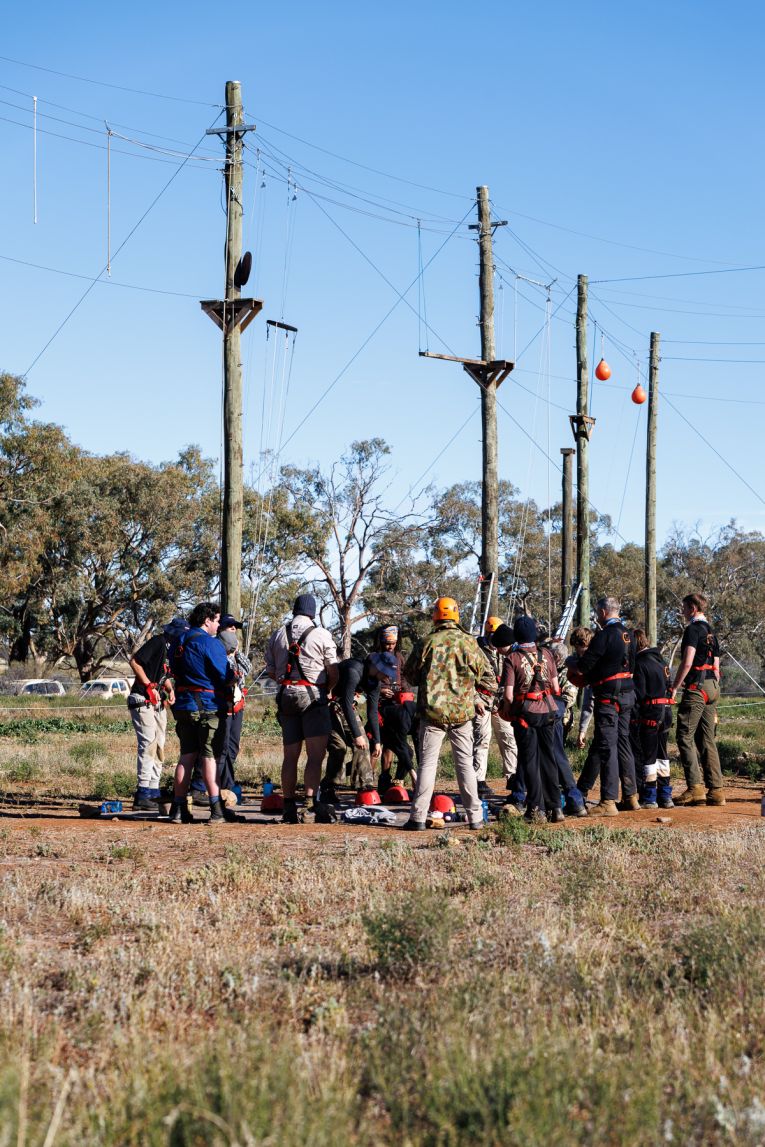
Today, we also have the honour of scaling the side of a cliff.
When we arrive, we’re told this is all about stretching our comfort zone, while never leaping into a panic zone.
For the kids, these experiences are about the right to choose. Never are they forced. Never are they told they have to do something.
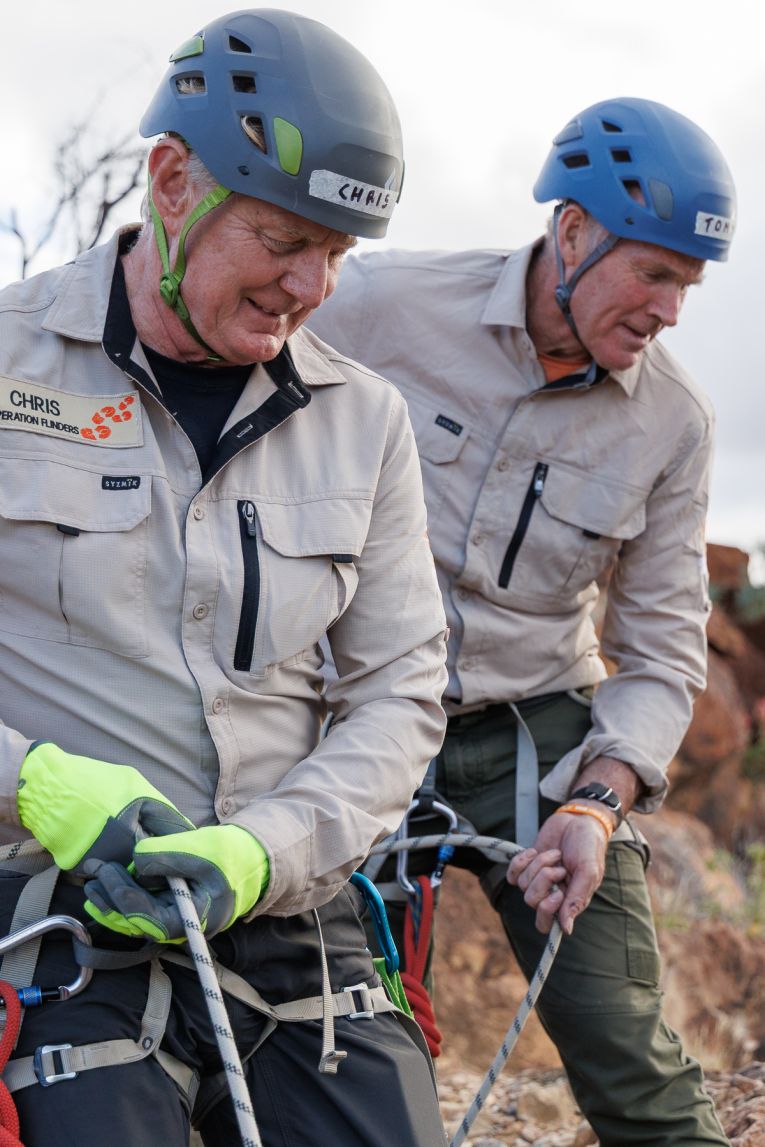
The volunteers celebrate every little win, whether that’s simply putting on a harness or walking up the hill to the top of the abseil.
With this, the kids learn about boundaries and respect and consent.
It’s just one of the clinically-advised, intentional practices out here at Yankaninna. Everything from the kids feeling a sense of family around a campfire to the length of the walk has been decided by a team of psychologists, social workers and case workers.
The eight-day walk gives the kids enough time to go through their storming period, raging against the discomfort, and then go through acceptance and a peak in performance.
At the top of that hill, with a rocky wall to descend, we’re feeling the rise of the storming period and perhaps even pushing close to the panic zone. But there to save the day is volunteer, Derek Fenton.
Derek is known as a bit of a legend of Operation Flinders and if there are ever nerves to be settled, it’s Derek’s steadiness that’ll do it.
A cook for his professional life, Derek began volunteering in the kitchen on the One and All ship for young people – essentially, Operation Flinders on the ocean.
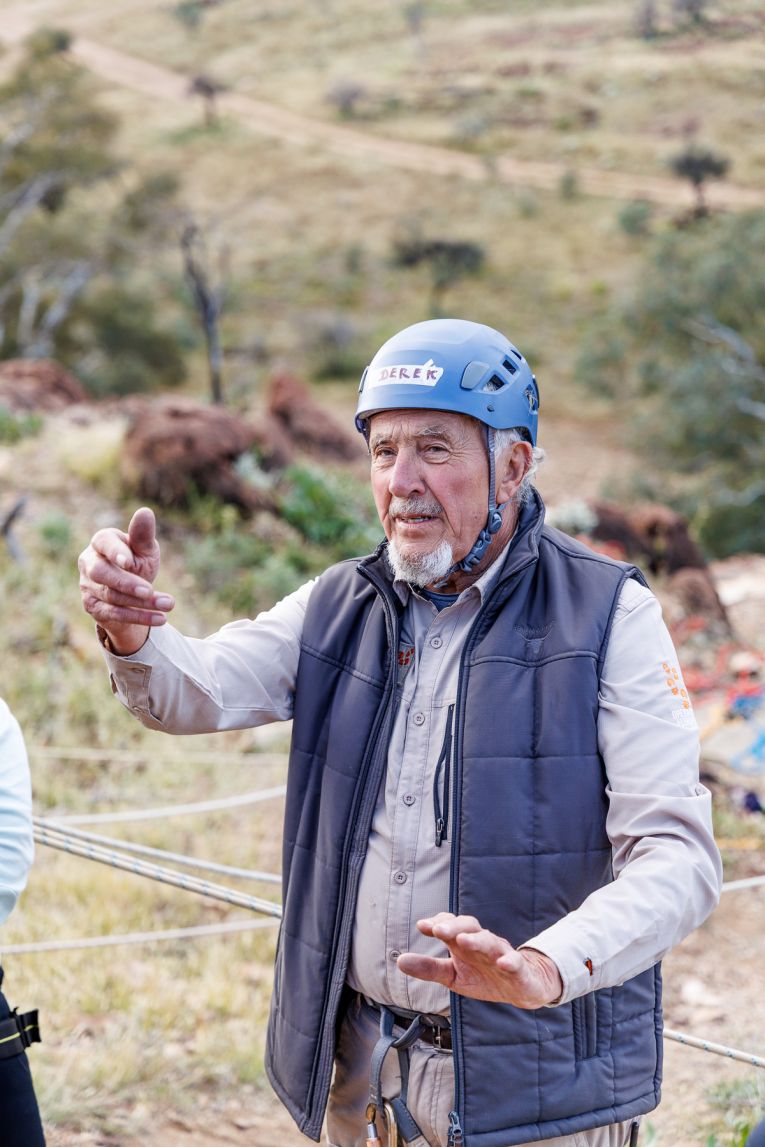
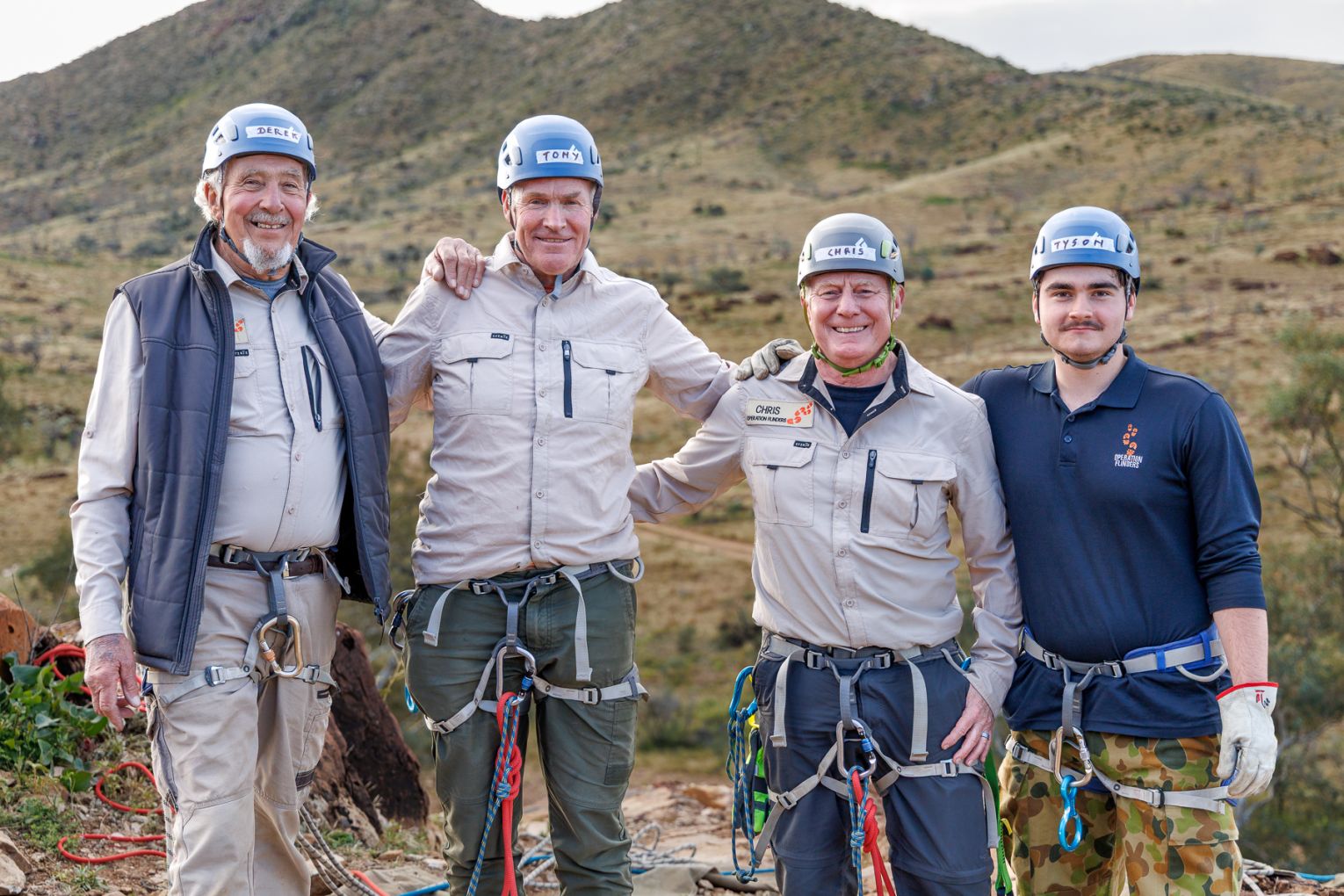
“These young people would come aboard; this rabble would arrive, and then day four morning, it was like an epiphany, the whole tone of the ship changed, their attitude changed, they became individuals that you could talk to,” Derek says.
“I thought, what the hell is going on?”
When he heard of Operation Flinders he immediately wanted to get involved. He cooked at base camp for a couple of years, then became an assistant team leader out on the walks, and then team leader.
“You’re interacting with these young people at a level you wouldn’t normally interact with any other humans,” Derek says.
“You go straight into talking about how they live their lives, how they think about things – mental attitudes and values.
“It’s my hope that out of each group that comes out, all kids would pick up at least one thing.”
Of the many nuggets of gold Derek imparts to his groups, one is Ralph Waldo Emerson’s poem, Success.
He recites to the kids: “… to know even one life has breathed easier because you have lived. This is to have succeeded”.
A stone’s throw from the abseil, the flying fox was created in honour of Charlie Stevens, the son of Police Commissioner Grant Stevens, who died after being struck by a car in 2023.
There, Operation Flinders CEO David Wark recalls hearing the heartbreaking news, and in the days that followed, Grant’s call to well-wishers to support the organisation with a donation instead of flowers.
“With all this money, we knew we had to do something big,” David says.
And so, the flying fox was constructed with a view to Charlie’s sense of adventure. The first one to use it was Charlie’s mum, Emma Stevens.
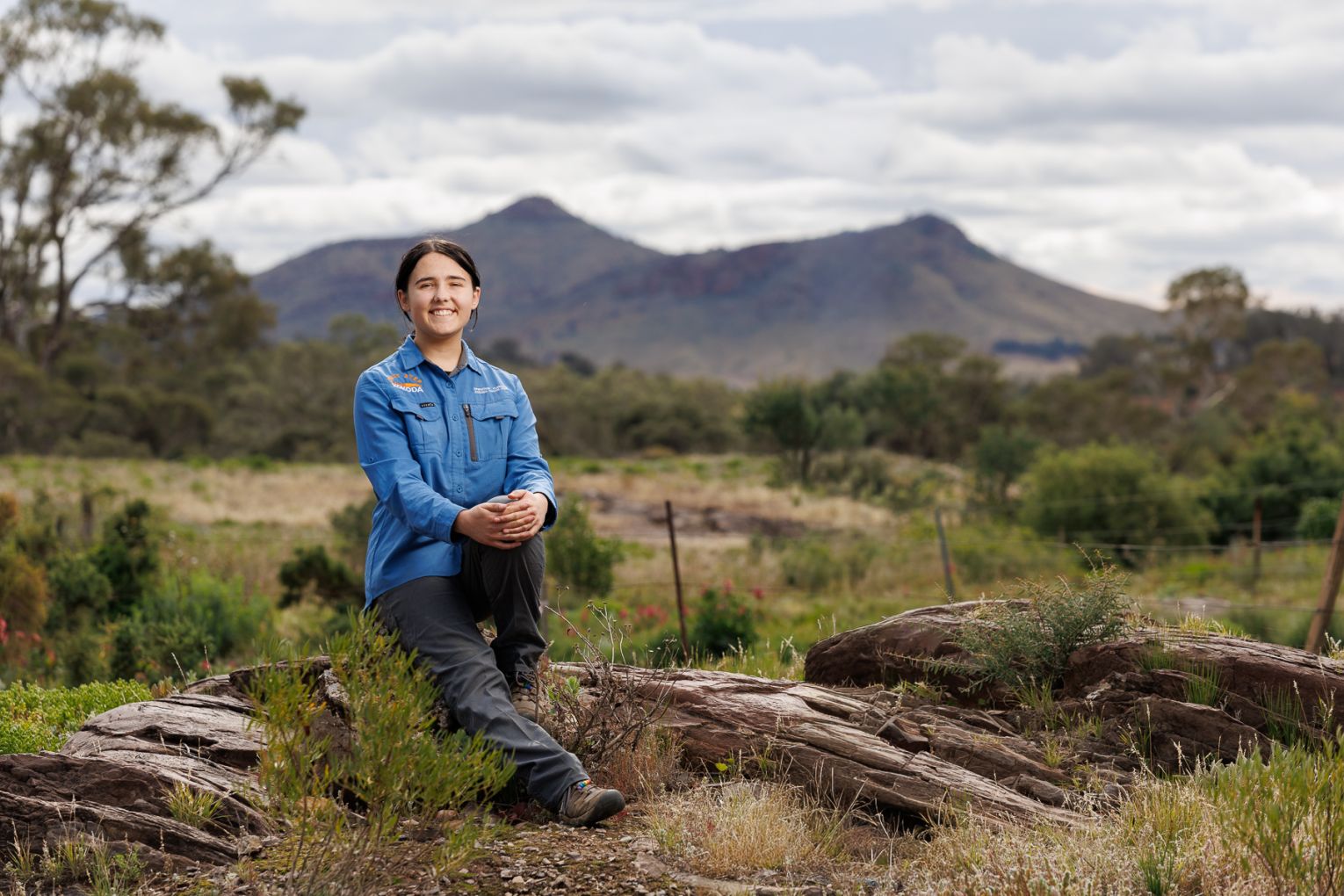
David speaks of the lifeblood of Operation Flinders – the volunteers; an eclectic group of people from all different backgrounds that fully subscribe to the mission.
“We work with young people in a difficult time in their lives, so to be willing to play a role in redirecting their focus takes genuine courage,” he says.
“Our volunteers choose to be role models, circuit breakers, inspirations and a shoulder if needed.
“As one of our young people said recently, ‘The Operation Flinders people won’t necessarily walk in front of you and drag you along, they won’t walk behind you and push you, they walk next to you and share your journey’.”
Back at base camp, we meet one of those young people, 17-yearold Dakota – a previous participant who only agreed to do the trek because it was eight days off school.
She’s now a PGM, helping other kids do the trek. “I love it here,” Dakota says. “It’s my little escape from everything. It’s a good mental reset and challenge on your body and mind.”
Dakota says that when she was a participant, she had no goals or purpose, but Operation Flinders has inspired the Eudunda Area School student to become a youth worker – and she even walked the Kokoda Track recently.
Supporting these young people costs $4.3 million annually – that’s around 500 young people who step foot off the station each year, often transformed by the past eight days of their lives.
A portion of this comes from the Attorney General’s office – the exercise is seen as a preventative program – and the rest is generated through grants, sponsors, corporate donors and fundraising events.
But this year alone, 30 per cent of teams set to walk aren’t funded, according to Kim Vanstone, head of partnerships and engagement.
“We need to find it,” Kim says. “We’ll never say no to a team – we’ll find the funds however we have to – we’ll work harder, we’ll hold more fundraisers, we’ll sell our investments.”
Making sure the young people can go out on the walks is number one, but there are so many other things Operation Flinders needs to fund.
There’s the transformation of a room in their office into a kids’ room so they can study or have a safe space, or the cost of outdoor recreation certification for kids who want to build on the skills they acquired during the walk.
Then, there’s the Next Step program, which helps past participants with everything from getting barista training to becoming a peer group mentor for future groups.
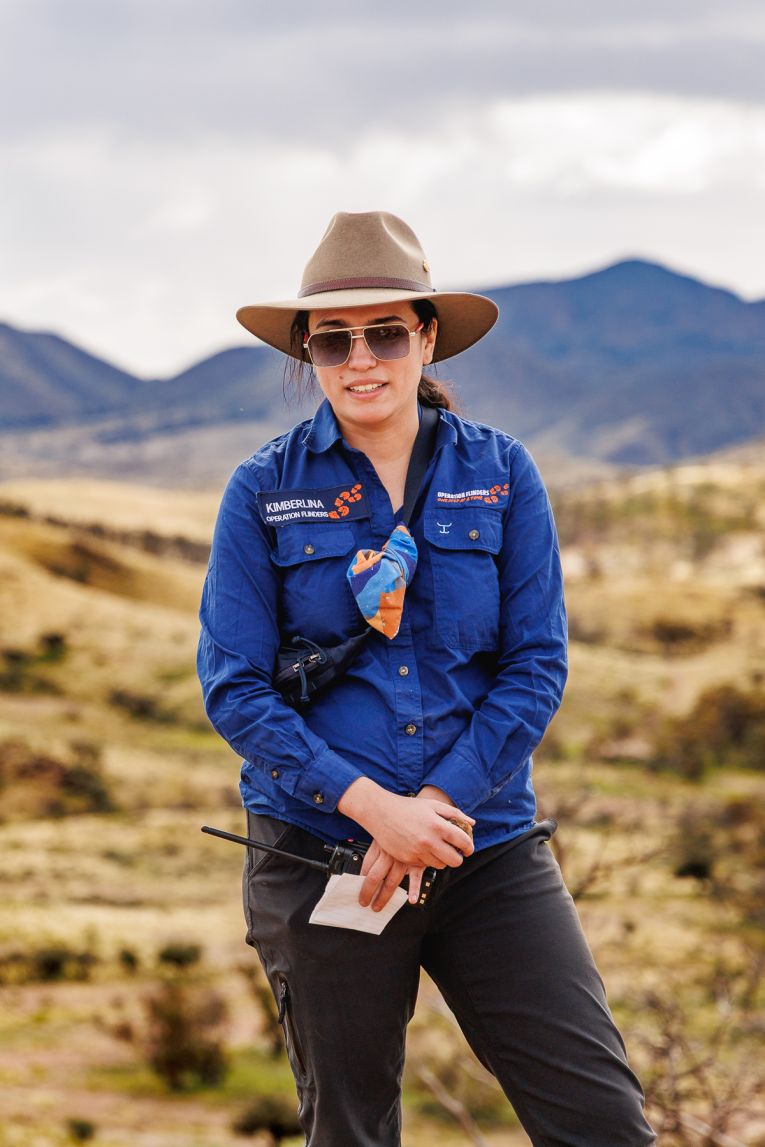
Step Out is an individual referral program; parents, grandparents and teachers will call and ask for help with young people who may not be part of the school system, or not part of a school that participates.
“Previously, we had to turn them away, but we refuse to do that so we have three teams a year of a mix of kids, and the kids need to have rapport before the exercise,” Kim says.
“Once a week for three weeks leading in, they have an activity day to learn about goal setting and mindfulness and they do an overnight camp for a warm up. That’s $7500 and there’s no funding for it, so we have to get scholarships.
“The parents will call me up and say, we have $50, please can we get our kid in.”
Kim has seen it all. When she begins to talk about what the program means to her, tears spring immediately – memories of more than a decade involved with Operation Flinders.
“I hear way too many stories that shows what we’re doing as a society is not good enough,” she says.
“I have been doing this so long and the thing that haunts me the most is that there are kids that don’t know the words to Happy Birthday and they’re 15 years old.
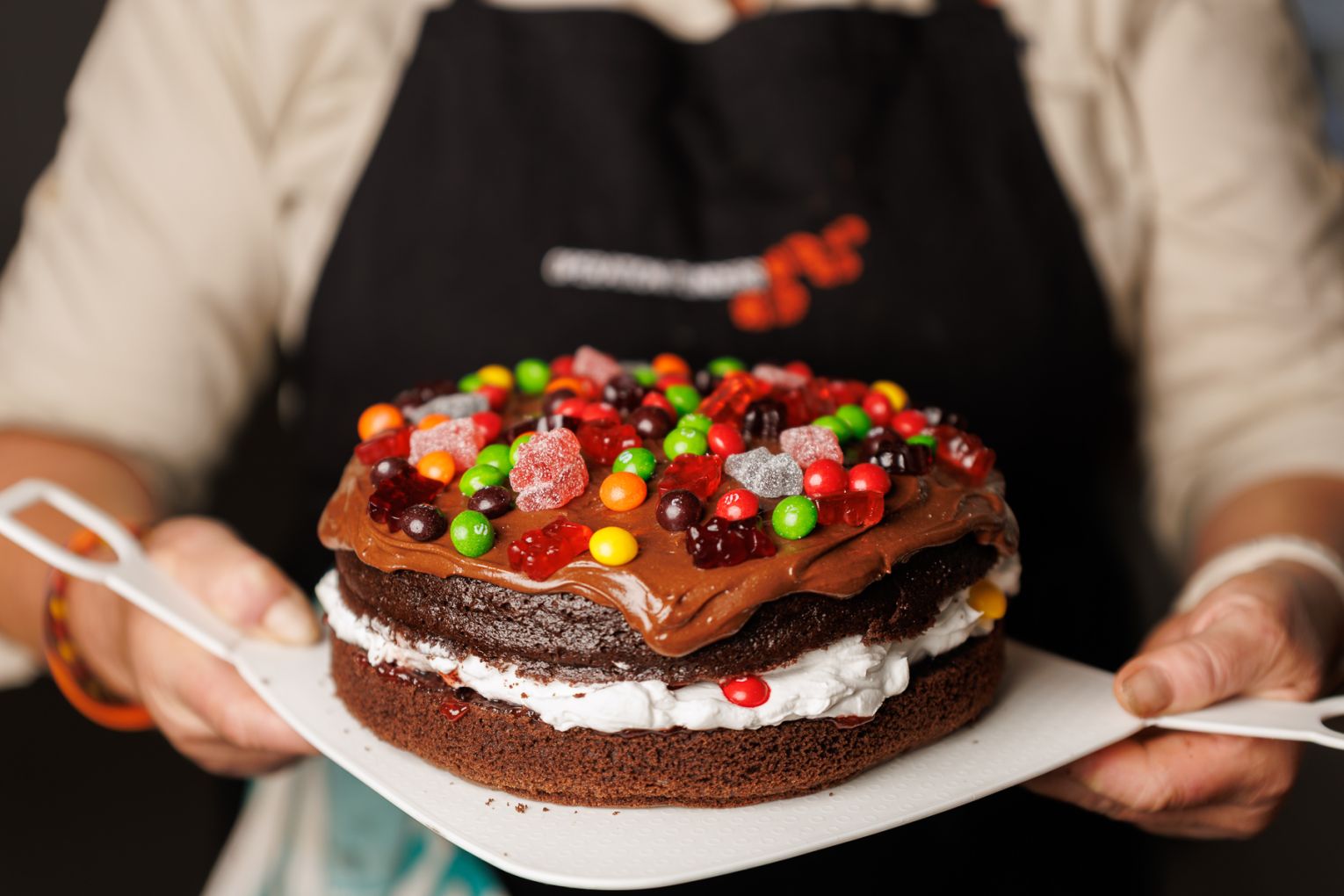
“They’ve never received a birthday cake. In the field, we’ll drive two hours to give them a birthday cake, and it’s the first they’ve ever received.
“It’s the fact that when we give them their new, plastic-wrapped sleeping bag, they don’t want to open it because it’s the first truly new thing they’ve ever had.
“The hardest bit is when you’ve got a 15 or 16-year-old kid who has never heard ‘good night’.”
On the bright side, Kim gets to see these kids flourish at the other end – get their driver’s licence, begin to date, ask for a reference for a job application.
“You’ve got to believe that you’ve helped them breathe a little bit and let them be a kid.”
This story first appeared in the August 2026 print issue of SALIFE Magazine.
Want to see more stories from InDaily SA in your Google search results?
- Click here to set InDaily SA as a preferred source.
- Tick the box next to "InDaily SA". That's it.