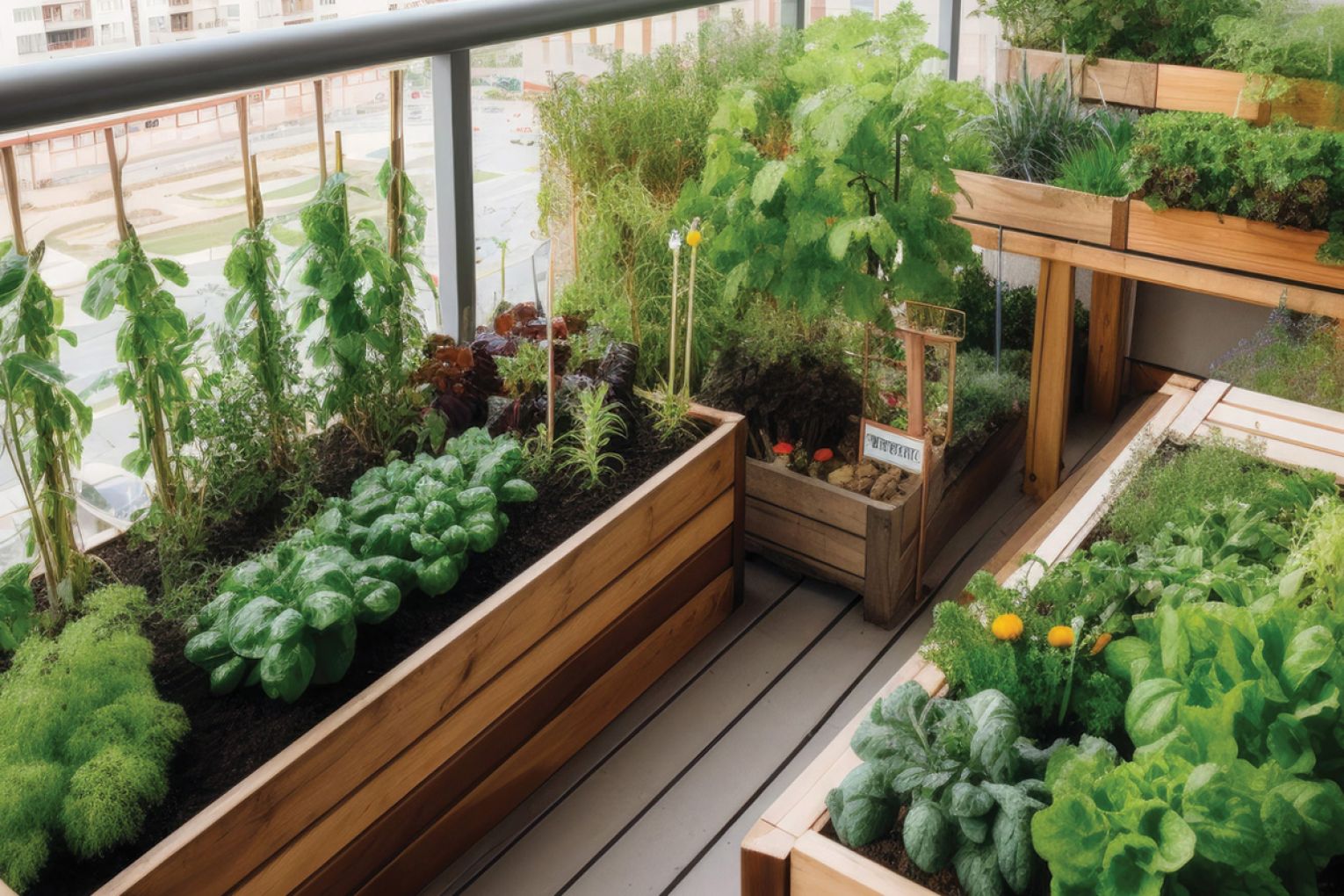
From veggies packed with vitamins to fruit packed with flavour, grow your own at home for all the delicious benefits. It’s easier than you might think.
If you want to savour the real taste of a ripe tomato, crunchy carrot or deep red capsicum, then have a go at growing your own.
Long before supermarkets were invented, our forebears were largely self-sufficient, growing and picking herbs and vegetables grown in their gardens or allotments. Seasonality dictated what people ate, while food miles was a totally unknown concept. How things have changed.
Visit any supermarket or greengrocer to witness what has influenced the fresh food we buy. Uniform sized and blemish-free produce abound thanks to decades of breeding and selection to ensure form, high yield and importantly, shelf life are top priorities.
Controlled growing environments and cold storage has allowed many seasonal crops an opportunity to be harvested over a longer window and available practically year-round.
While we seem to have so much choice, the one thing most people acknowledge is missing is the ‘real’ flavour. Those who have touched, smelt and tasted a newly-picked tomato, or peeled away the outer leaves and sunk their teeth into a freshly snapped corn cob, will know why homegrown produce is simply the best.
Homegrown produce is picked when fully ripe, allowing it to reach its maximum vitamin and antioxidant levels before harvesting. The short journey from garden to kitchen means nutrients such as folate, vitamin A and vitamin C, which diminish with time after harvest, are at peak levels.
Another important part of homegrown herbs and vegetables is knowing what sprays have been used. Working on the principle ‘You are what you eat’, more of us are looking at taking a low toxicity approach to gardening, especially our edibles. Horticultural oils, eco-sprays, and other organic options are far more palatable.
You might like
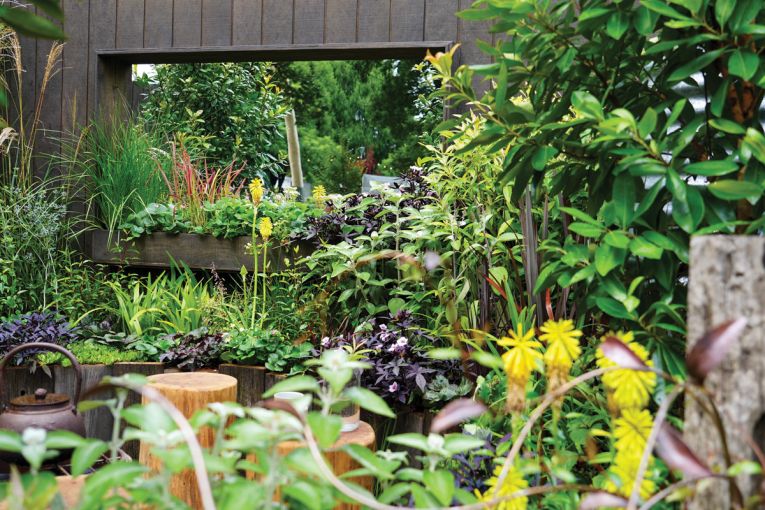
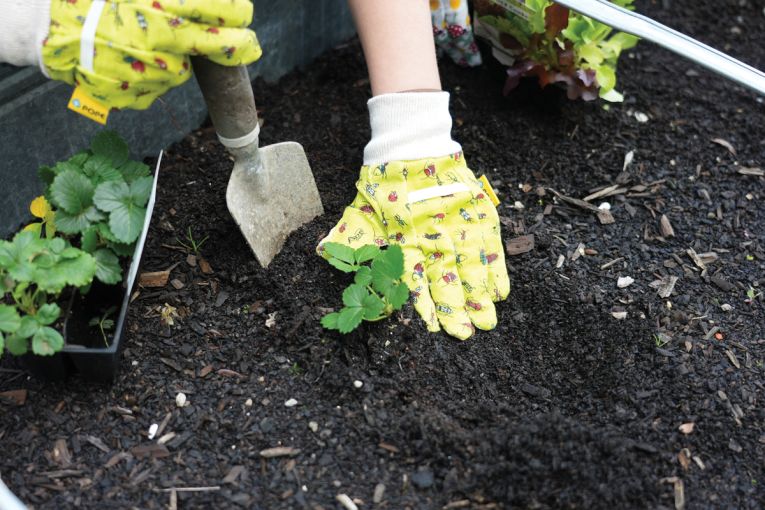
The great news is you don’t need a massive plot to enjoy a bounty of grow-it-at-home food. Starting small is a smart thing, particularly if you are not a confident gardener or looking to introduce gardening to a younger audience. A pot, taking around a bag of potting mix (25L), is a top way to begin. Always opt for a premium grade potting mix that includes slow-release fertilisers and improved water holding capacity.
It is amazing what you can plant, grow and harvest in a container – lettuce, radish, parsley and silverbeet are just a few successful crops to give a go.
Container gardening presents a wonderful opportunity to be creative. Shying away from traditional pots allows scope for myriad other vessels to be filled, planted and add a funky feel to your yard. Just remember to add some drainage holes. Wheelbarrows, boots and chiminea are just some options. Also keep an eye out for what people leave out, there is always a possible veggie growing container waiting to be snapped up. Avoid using objects that have held any chemicals or non-food grade items.
Raised garden beds are all the rage and make loads of sense given the ease of planting and picking. Plus, because they are filled with potting soil or veggie garden mix, you can successfully place them on surfaces such as pavers or concrete.
The only downside on these surfaces is runoff. Unlike with soil, where water added to the top percolates down and disappears into the ground, any runoff tracks along hard surfaces, so to prevent any trickling and potential staining, site your raised garden beds near a drain or close to a garden bed.
For anyone whose plants struggle because you forget to water them, continually battle with robbing tree roots, or your yard is a barren hardscape, there’s a solution – wicking beds. Using capillary action to draw moisture up to plants’ roots, wicking beds are a perfect water smart, growing system especially in a state that really understands and values this precious commodity.
Rather than irrigating from the top, where inconsistent applications, run-off and evaporation can severely restrict moisture finding its way to plant roots, wicking beds do the opposite. Within the raised bed, a reservoir of water sits under the soil and moisture naturally works its way upwards.
You can buy commercially-made wicking beds or create your own, there are plenty of instructions to help online.
Subscribe for updates
Vertical gardening is another brilliant way to expand your vegetable-producing footprint, so stretch up, not out. Stack and fill pots starting from largest to smallest to create a tower, add a lattice to the fence, or wire between pergola posts.
Even a piece of reo-mesh against a shed makes a great growing frame. Zucchini, pumpkin, cucumber and other trailing veggies love scaling lattice and wires, and it is so much easier to see and pick ripe hanging produce.
If you want to grow herbs and vegetables in a completely different way, have a go at straw bale gardening.
Lay out straw bales in any configuration that fits your space. Wet them down and leave to dry. When it comes to planting seeds or seedlings, pick the spots you want to plant, prise open the bale top and add a few handfuls of premium potting mix or well-aged compost, plus a sprinkle of organic fertiliser.
Press down the mix then sow or plant. Keep up regular watering and fertilising. You will be amazed at how such a simple growing system works. Once plants have been harvested and bales break down, use this wonderful mulch around the yard.
Tomatoes are always a home garden favourite. Even a simple tomato sandwich is elevated to gourmet level with freshly-picked, flavour-packed fruit.
Starting with the easiest to grow, cherry types such as Tommy Toes and Sweet Bite produce near continuous trusses of small flavour-filled fruit over summer and well into autumn.
Given the cost of cherry tomatoes to buy in the greengrocers, even a few plants will keep your fridge stocked and reduce the food bill.
Moving up the fruit size scale, Gross Lisse and Mighty Red are Adelaide backyard icons, both exceptional performers and taste sensations. Each requiring a stake, tie them against it as they grow, exposing more foliage to sunlight to encourage better flowering and fruit.
Most vegetables are annuals, with a six-to-four-month or less growing window which means your green space has the ability to be replanted and harvested multiple times over the year.
Sunlight is critical for plant growth, vigour and fruiting. Around six-to-eight hours of direct light is ideal so select a bright spot that gets plenty of morning to mid-afternoon sun. Shading after that time avoids potential scorching, especially over summer.
The healthier your soil, the happier your plants grow. Adding plenty of well-aged organic matter, either homemade compost or bought manure, blood and bone and the like, will ensure soil microbes and earthworms are simply itching to share the nutrients they break down with a load of newly-sown seeds or planted seedlings. Organic matter also acts like a sponge, retaining valuable moisture and reducing the chance of soil drying out.
Encouraging European and native bees, along with other pollinators such as hover flies, into your yard increases your yield. Add a few pots of pollinator attracting borage, lavender or sunflower and your veggie garden will be a-buzz and fully productive.
This article first appeared in the December 2025 issue of SALIFE magazine.
Want to see more stories from InDaily SA in your Google search results?
- Click here to set InDaily SA as a preferred source.
- Tick the box next to "InDaily SA". That's it.