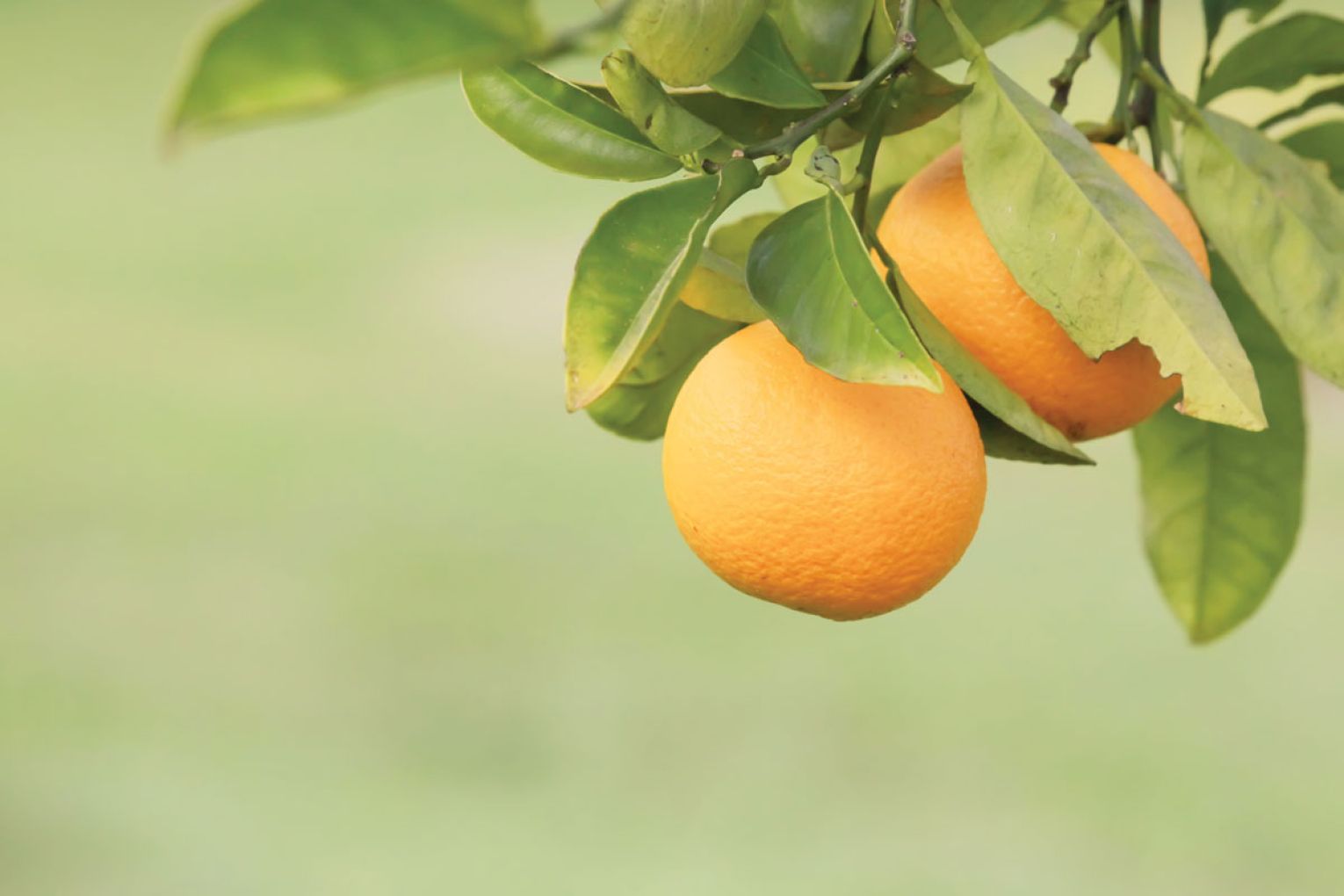
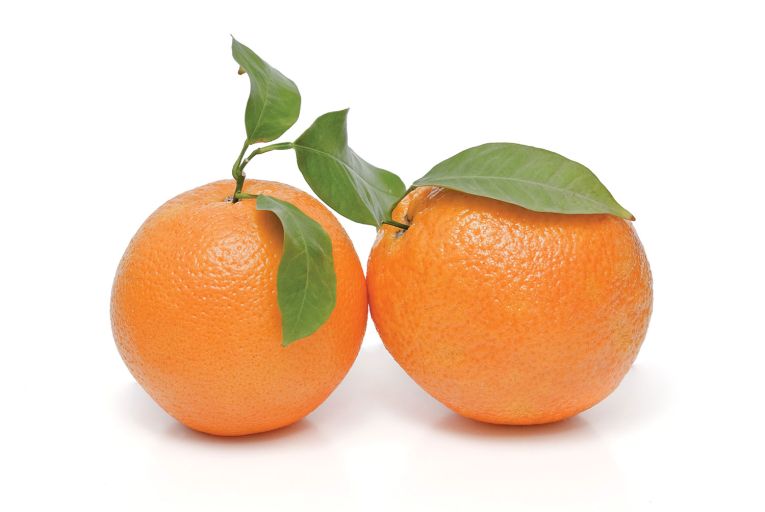
A South Australian home garden staple, oranges have been enjoyed across the globe for millennia, festooning trees with their sunny fruit.
A South Australian home garden staple, oranges have been enjoyed across the globe for millennia. Believed to be native to the Southeast Himalayan foothills, movement of people and trade saw this citrus spread to Europe in the late 1400s. Its presence also gave rise to the word “orange” to describe that yellow-red colour.
The navel orange, called because of its belly-button-looking base, resulted from a mutation found on an orange tree in a Brazilian monastery around the early 1800s.
To successfully coax oranges through harsh European winters, wealthy landholders and aristocrats from the Renaissance and beyond, built heated greenhouses, known as an “orangery”. The cost of construction and maintaining an orangery meant only the rich and elite had access to fruit. Thankfully our Adelaide climate allows anyone to grow and enjoy an orange if they want.
Oranges can be either sweet or sour. Sweet varieties like navels and Valencia are enjoyed straight off the tree, while sour Seville are most often used in cooking and preserves.
Washington Navel is a sweet orange variety and very popular being seedless, juicy and easy to peel. An early ripening variety, Washington Navels are at their picking-peak around June.
Cara Cara produces a medium- to large-sized, seedless fruit with a deep rosy flesh and sweet, low acid flavour. This variety is suitable for use in large pots and containers. Valencia Seedless is a popular variety that lasts well on the tree, producing medium sized, round to oval shaped fruits containing a sweet, tangy flavour.
You might like
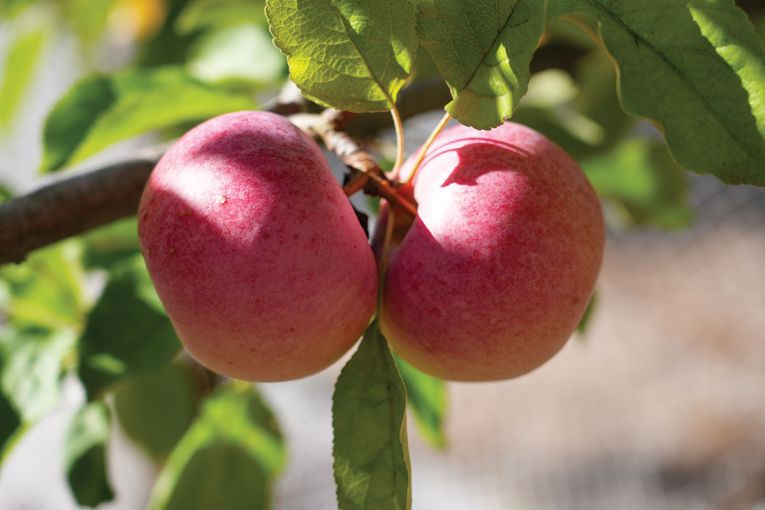
Blood oranges are delicious and exotic, prized for their rich, ruby colour and raspberry-like flavour. The blood orange Arnold has red colour flesh that carries deep pinkish flushes through to the peel, with fruit produced in winter to early spring.
Seville orange fruit is small to medium in size, with thick, yellow-orange rind that is rough with a dimpled texture containing many oil glands that secrete fragrant oils. The pith is spongy and contains a bitter taste that gives marmalade its distinctive tang.
Most orange varieties are available as grafted trees on either standard or dwarf stocks. If looking to grow your orange in a pot, best to select a dwarf variety with a naturally reduced root vigour. Choose a container that takes at least three to four bags of premium potting mix to allow the tree enough long-term space.
Planting is best left until mid-October or later, in a place that gets at least six hours of sun. Working in plenty of well-aged organics and gypsum to improve soil fertility and drainage ensures your orange tree will enjoy an awesome start. Notorious haters of wet ground, even established oranges and other citrus benefit from a spread of ground-opening gypsum in the months leading to planting.
Exposed sites where gales rip through will see battered orange trees struggle to grow and fruit. Protection from strong winds reduces plant stress. Erecting shade cloth barriers from any prevailing wind shields trees and promotes better performance. Orienting any barrier to provide shade from the late afternoon sun also improves an orange tree’s prospects. Look to plant hedges or other shrubs to give your orange tree more permanent wind and shade protection.
Subscribe for updates
Being subtropical, frost is an issue for all citrus. Thankfully, metropolitan Adelaide is a low-frost risk area, however regions outside this zone can experience major plant damaging incidents. As mature hardwood is more tolerant of frost than leaves and smaller green stems, the older and larger your orange tree grows, the better frost prepared it becomes.
Even non-frost winter temperatures can impact your tree. Many gardeners find their newly planted citrus take a few years to acclimatise to near freezing temperatures. Trees may drop most leaves in the first year, then slowly retain more and more each subsequent winter. Extended cool temperatures can also cause leaves to blotch, or brown and shrivel.
As citrus do not ripen off the tree, pick oranges when they are at peak eating quality. While colour is an indication that your fruit may be ready, test for smell – ripe oranges have a sweet and fragrant odour, and taste – when in doubt, pick and eat to check. If still a little sour, leave your crop another week then try again.
Scale, a sap-sucking insect, can spot across an orange making it look unsightly. The good news is this is cosmetic and doesn’t affect the fruit’s flavour or nutritional value. Large infestations will challenge a tree, so apply regular sprays of horticultural oils like Pest Oil and Eco Oil to help lower scale numbers.
As orange trees can be over-bountiful, you may end up with more fruit than you can eat. Squeezing and freezing extends your orange enjoyment for months after the peak crop has finished. Should you still have excess, then offer the largesse to family, friends and neighbours, leave a box out the front for passers-by to take, or contact Fruit Share (fruitshareadelaide.com.au), a volunteer group who can pick and distribute your oranges to community food pantries, shelters, and charity organisations – jump on their website and register your tree or trees.
Collect all fallen fruit to prevent any potential fruit fly maggots in those oranges from burying into the soil where they pupate and emerge as adults. Breaking the fruit fly cycle is vital. If you notice any grubs in your home produce, it is important to call the Fruit Fly Hotline – 1300 666 010.
Check out your orange and other citrus trees for signs of the Citrus Gall Wasp. Unusual looking lumps and bumps, called “galls”, on branches are a sure sign that a Citrus Gall Wasp has visited. To help stop the next generation of wasps emerging from these galls mid-spring, grab your snips and cut off any affected stem or branch below the gall and place in your general waste bin.
Beyond their ability to produce copious amounts of tasty and nutritious fruit, oranges are an attractive and decorative tree. Their glossy, evergreen foliage and naturally balanced canopy makes them amply suited for any small to large yard.
This article first appeared in the Winter 2025 issue of SALIFE Gardens & Outdoor Living magazine.
Want to see more stories from InDaily SA in your Google search results?
- Click here to set InDaily SA as a preferred source.
- Tick the box next to "InDaily SA". That's it.