Pick the perfect pots
Whether you’re after a statement for your garden or a quirky pot for your home, there are a few things to consider to ensure you pick the right pot for your space and needs.
As trends, materials and styles develop, we have become spoilt for choice with pots for our homes and gardens.
Each with its own characteristic, quality and charm, it can be overwhelming to know what kind of pot is right.
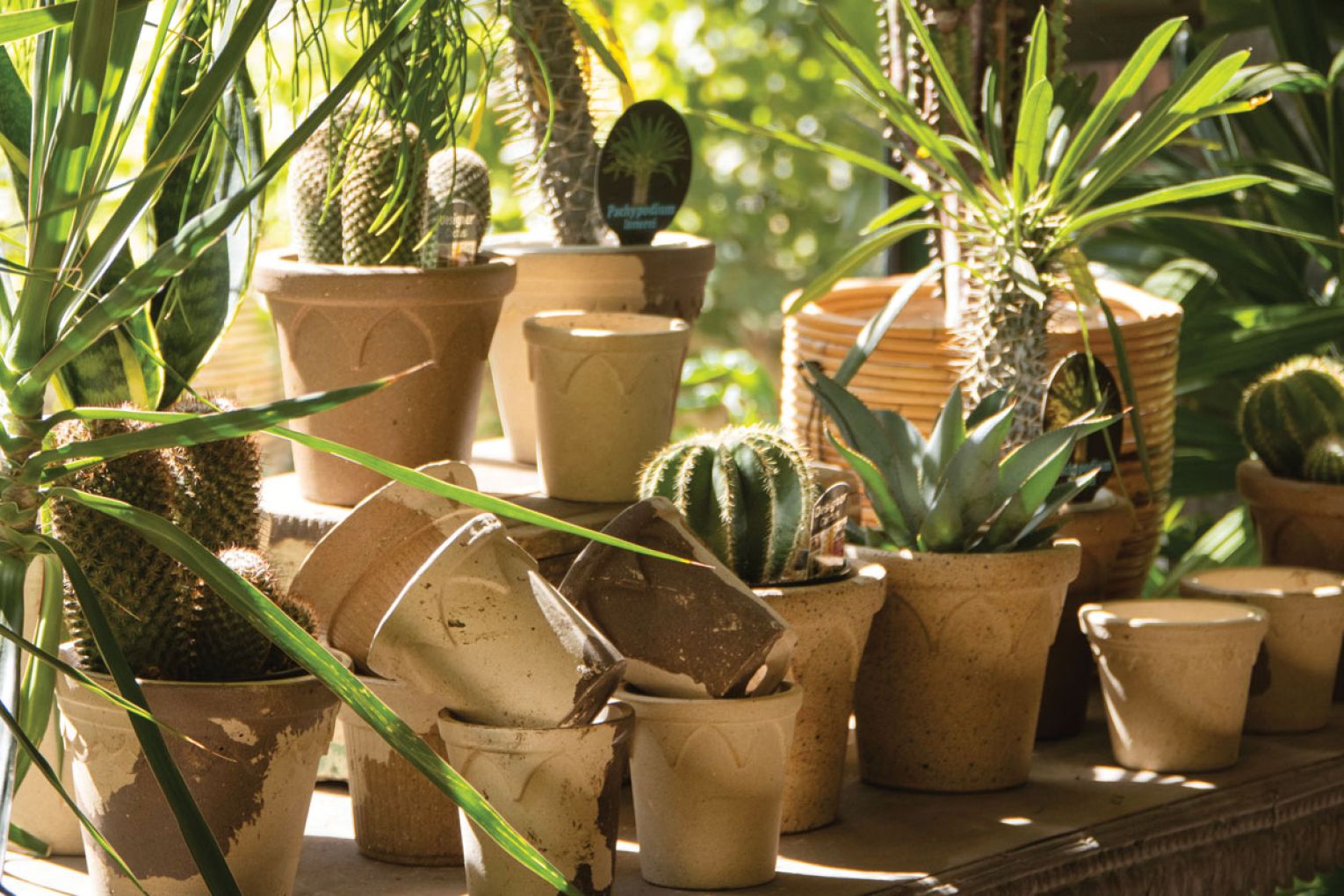
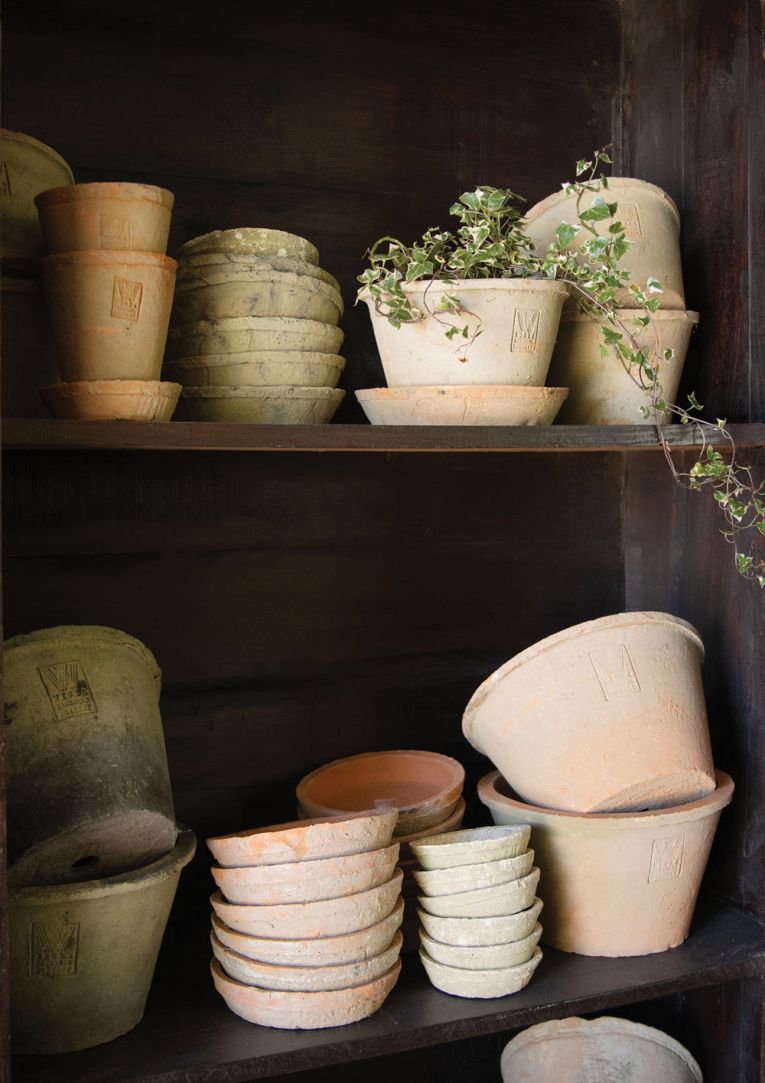
One of the most common types is terracotta, which has been used for centuries, originally for building materials such as bricks and tiles. This popular clay product can range from the classic, clean orange-brown tone, to handmade and textured with a range of colours and natural patinas.
As they are made from clay, they are naturally more porous, so plants can dry out more quickly. This isn’t necessarily a bad thing – succulents and cacti require smaller amounts of water and thrive when planted in terracotta. Terracotta can however be sealed for better water retention to suit all plants.
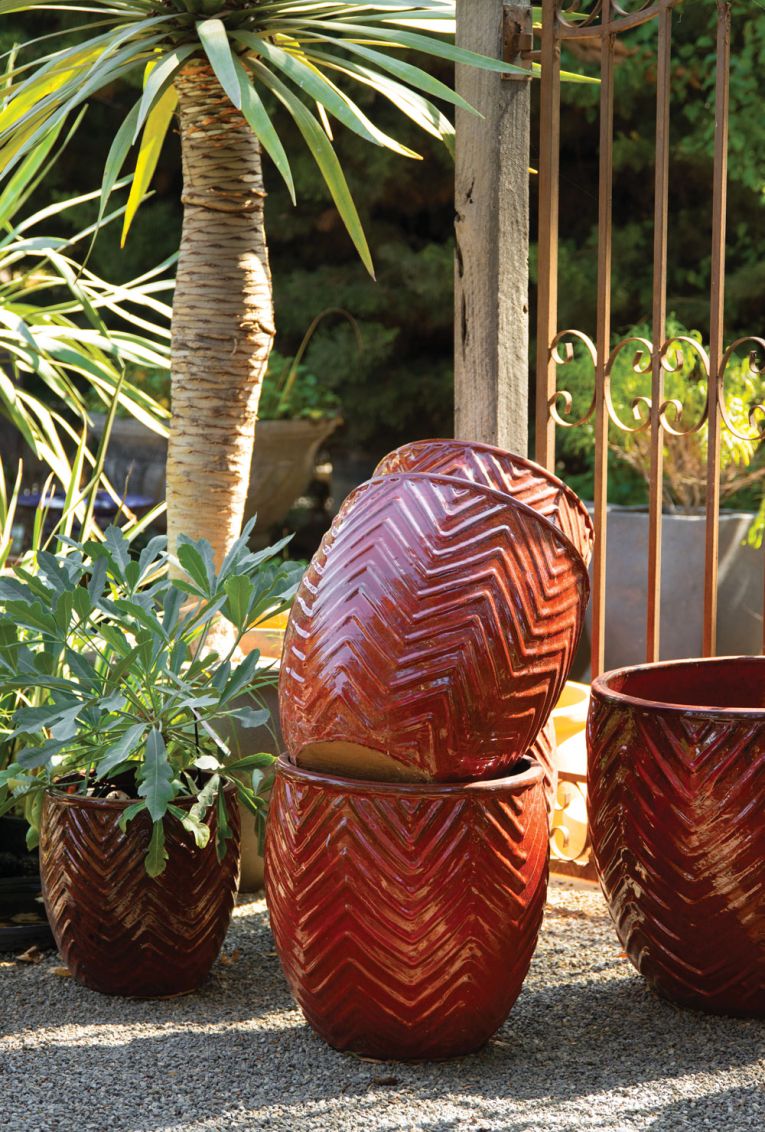
Unlike terracotta, which will age over time, glazed ceramic pots are produced to be long lasting without showing signs of decay. Glazing and firing these pots at extremely high temperatures prevents the pots from fretting, deteriorating or fading over time.
The glaze also creates a waterproof barrier, ensuring the soil retains the moisture for those plants that require a little more water. Another great thing about glazed pots is that they often come with saucers, which will also help with water retention.
You might like
They are one of the more decorative styles of pots, available in different colours, shapes and patterns.
They’re available in large pots, perfect for a statement piece in the garden, and small pots, perfect for indoors.
Concrete planters are a great choice for all weather conditions as they are sturdy and versatile. As concrete has become a popular building material, incorporating concrete into the home and garden with these pots can be quite striking.
These too can range in appearance, from clean lines and a flat grey finish, to rustic textures and unique shapes.
Another strong and durable material for pots is fibreglass. Unlike concrete, fibreglass is lightweight, making it easier to move around the garden. Fibreglass pots come in an extensive range of sizes, finishes and shapes.
At Notts Nursery, we have even used fibreglass water pipes as large planters. Painting the fibreglass with a rust paint mimics the look of corten steel, which is not only a cost-effective way to achieve the rustic look, but something you can do yourself.
The finish is always unique and they look fantastic as raised garden beds for herbs, small trees or grouped together at different heights for a garden feature.
Subscribe for updates
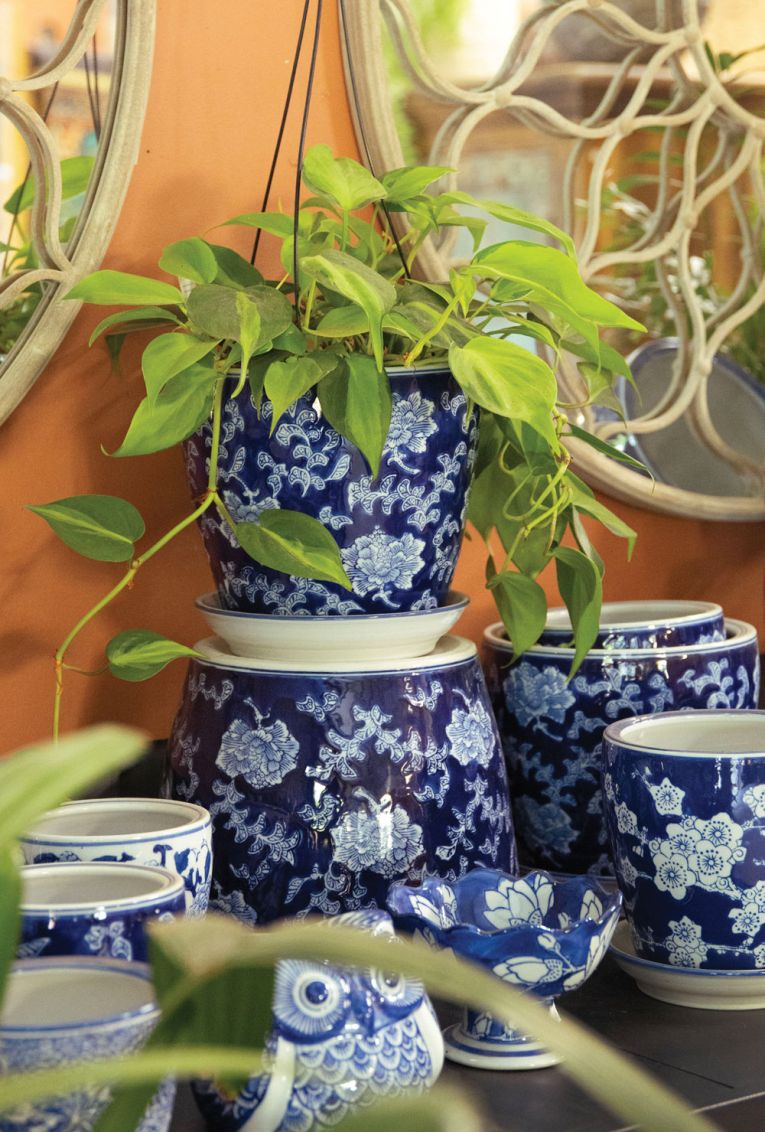
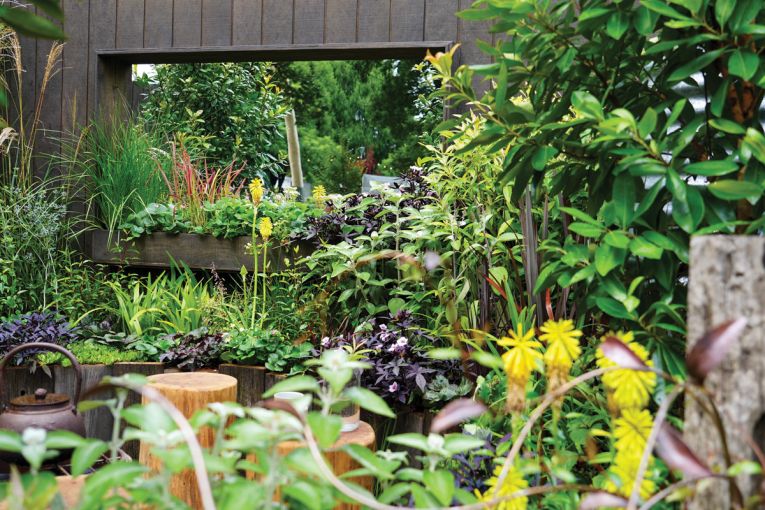
When landscaping with pots, it is important to match the style of garden to the style of your pots. For example, rusted planters look fantastic in native Australian gardens. Soft grasses and structured flowers balance out the harshness of the metal look.
Moroccan or earthy style pots can be striking with olive or dwarf citrus trees for a Mediterranean feel.
Coloured glaze pots pair well with tropical gardens, adding pops of colour and complementing plants such as bromeliads, cordyline and bird of paradise. Carved concrete pots can also help achieve a Balinese feel in these tropical spaces.
Wall and hanging pots can be used to add greenery to your walls and height to your garden. They are ideal for trailing plants both indoors and out.
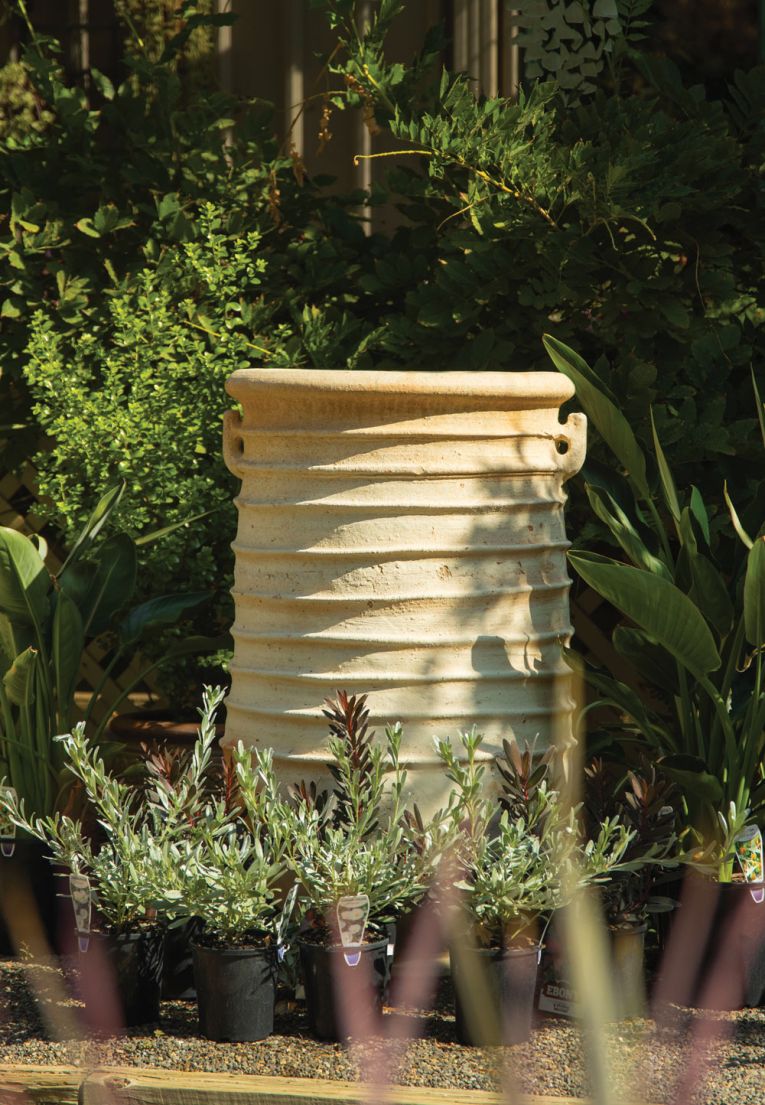
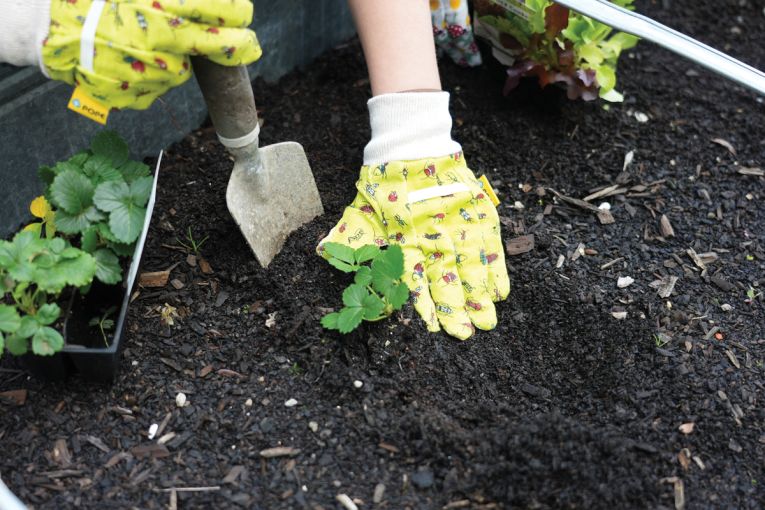
When it comes to practicality, there are a few essentials. Plastic pots are perfect for repotting. They’re lightweight, come in a variety of shapes and sizes and ideal for indoors as you can place them inside a decorative pot or basket. They can also increase the longevity of your decorative pots by keeping them clean. Place a small saucer inside the decorative pot to help keep plants well-watered or use decorative saucers to help protect floor coverings indoors. Saucers are great outside, especially in the warmer months, as they prevent the plants from drying out too quickly. If you’re concerned about any staining on your outdoor concrete or pavers, adding pot feet can help keep your flooring stain-free.
With all this in mind, are all pots equal? Well, not exactly. But a variety of pots can be used within your homes and gardens to best achieve different looks and results.
Or even have a go at adding a coat of paint to your existing pots or fibreglass pipes to create a unique and rustic feel to your space. The options are endless!
This article first appeared in the Winter 2025 issue of SALIFE Gardens & Outdoor Living magazine.
Want to see more stories from InDaily SA in your Google search results?
- Click here to set InDaily SA as a preferred source.
- Tick the box next to "InDaily SA". That's it.