Australia Day: A moment to reflect on our stories and the country we love
The many stories of Australia are often at odds with each other, but Australia day can provide both connection and reflection, writes Jan Chorley.
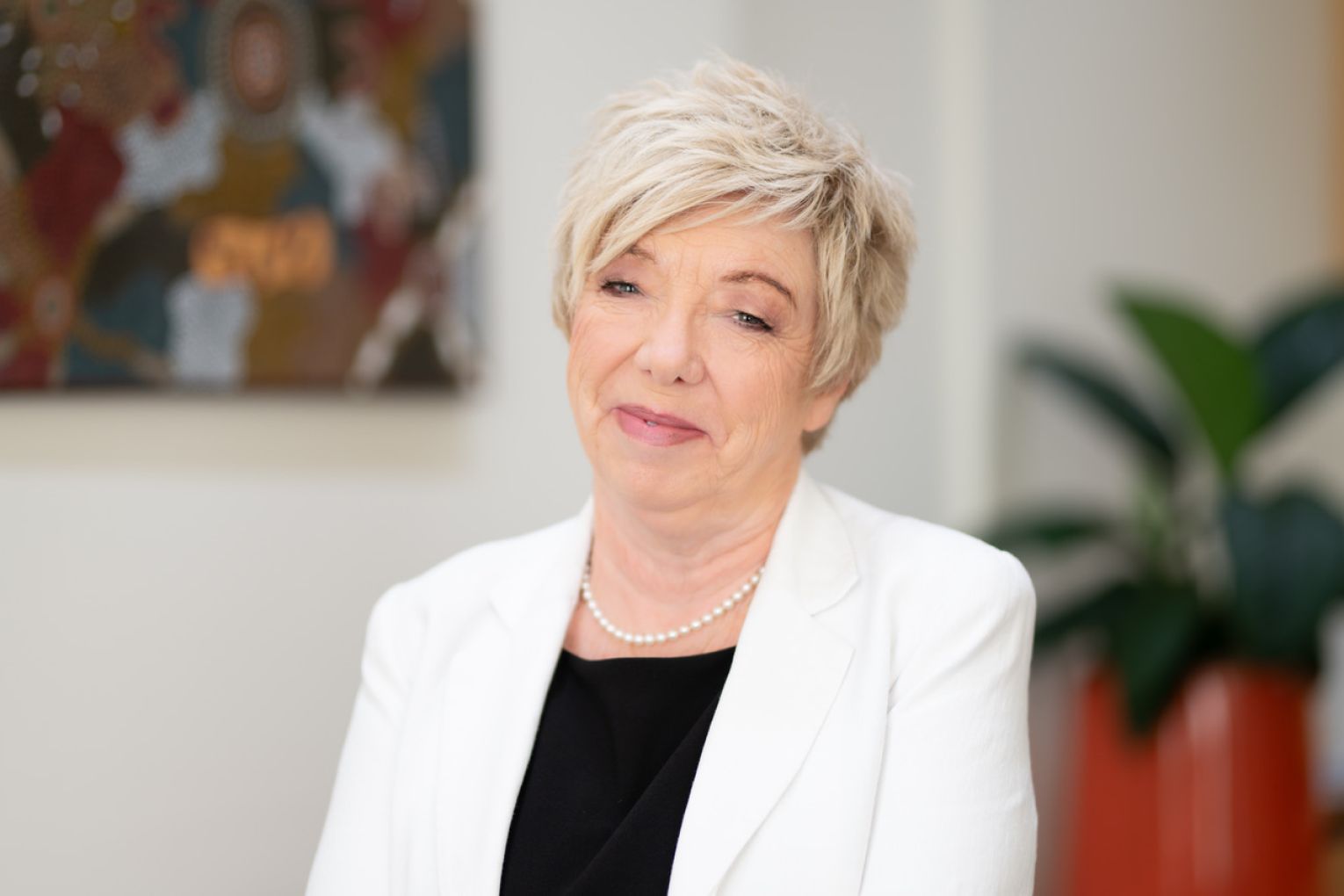
Every year, as 26 January approaches, I am reminded that Australia is a nation built on many stories — ancient stories, inherited stories and stories still being written. They do not always align. Sometimes they sit alongside one another in tension. Yet together, they shape the country we love.
The world we are moving through in 2026 feels different to the one we knew only a short time ago. Social, cultural and political landscapes continue to shift, and many Australians feel the weight of these changes in their daily lives. Even our relationship with this country — its land, its people and its identity — can feel like any meaningful relationship: one we cherish deeply, but one that invites honest reflection when challenges such as fear and hate arise.
Among those challenges is a noticeable global drift toward ideologies that sit outside the principles of healthy democracies. These forces can undermine trust, weaken social cohesion and strain the shared values that sustain community life.
The mass shooting at Bondi Beach last month shook the nation to its core. Acts of violence like this fracture our sense of safety, trust and belonging, and remind us how quickly fear and hate can surface if we are not vigilant in protecting one another and the values of freedom, welcome and inclusion that sit at the heart of being Australian, values that define who we are and allow us all to belong, no matter our story.

Recent public debate in South Australia’s cultural spaces has underscored these same tensions. Controversy surrounding the Adelaide Writers’ Week program, including the removal of Palestinian-Australian author and academic Randa Abdel-Fattah and the subsequent legal and public response, has highlighted just how sensitive, complex and emotionally charged our national conversation has become.
Exclusion can run deep in the psyche of individuals and communities; belonging, not exclusion, must prevail. Coming together is not a linear journey. It requires compassion, understanding and a conscious choice to be driven by love of our country, not fear or hate.
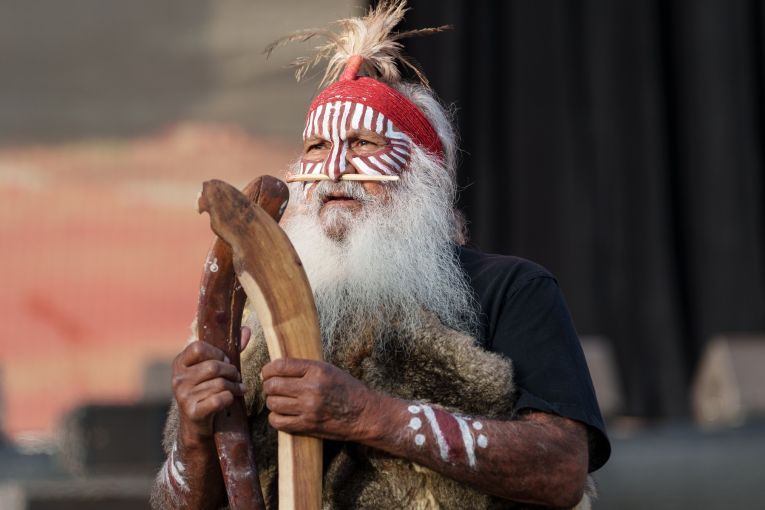
For Aboriginal and Torres Strait Islander peoples, Australia Day carries particular weight. It is inseparable from the ongoing impacts of colonisation, dispossession and intergenerational trauma. These truths cannot be rushed or softened, and they deserve space, respect and acknowledgement — not just on Australia Day, but every day.
Australia has also shown how deeply we depend on one another in times of crisis. South Australians saw this during the devastating bushfires of 2020, when communities rallied through loss and recovery. Today, as Victoria faces renewed bushfire emergencies, we are reminded that resilience is built through collective care — not just within our state, but across the nation.
In this context, Australia Day offers something profound in its simplicity: a moment to pause and reflect on our great land and all its people.
For some, 26 January is a day of deep reflection and sorrow. For others, it is a day to honour family traditions or recognise the opportunities this country has offered them. For many new Australians, it marks the beginning of a chapter chosen with hope and determination. And for others, it is simply a time to gather with friends, family and community. All these experiences can be true at once.
Australia Day is not a simple day. It never has been. But it can be a meaningful one if we allow room for truth, compassion, reflection and connection.
In that spirit, everyone is invited to join us at Elder Park, Tarntanya Wama this Australia Day, as we honour our shared stories and the future we are shaping together. It is a time to reflect on what we love about this country, what binds us together, and to gather with compassion and respect for each other and our country.
Jan Chorley
Chief Executive Officer, Australia Day Council of South Australia
Want to see more stories from InDaily SA in your Google search results?
- Click here to set InDaily SA as a preferred source.
- Tick the box next to "InDaily SA". That's it.