Lowdown on the 388 candidates fighting in SA’s state election
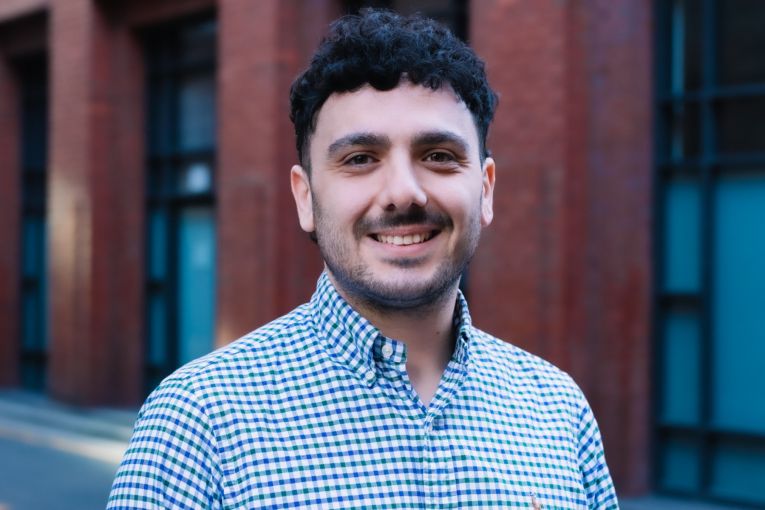
Less than two weeks from state election day, DemosAU head of research George Hasanakos says Labor is looking strong, but the Libs are in with a chance of winning back three seats.
The close of nominations for this month’s state election has revealed a record number of candidates for a South Australian House of Assembly election.
Voters will see a much larger lower house ballot paper with 388 candidates contesting across the state. At the last election only one seat had more than seven candidates contesting, but at this election, 33 seats have eight candidates or more.
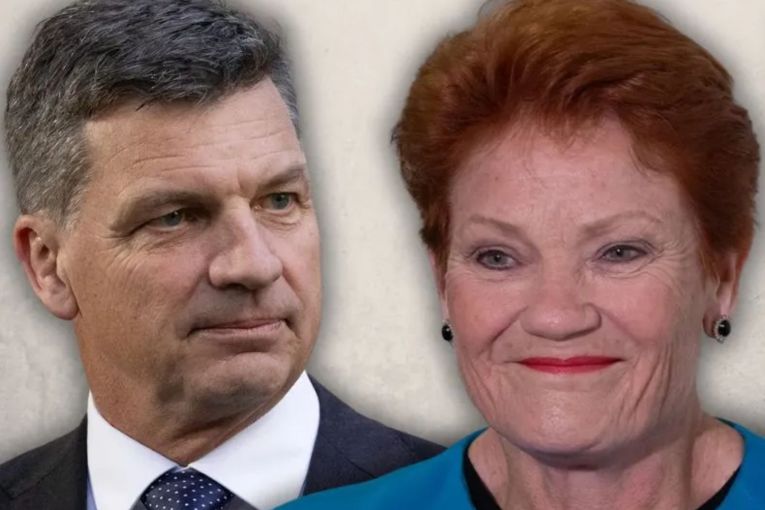
So far, the election race has been shaped by an incumbent Labor party in a strong position looking to increase its parliamentary majority and the rise of One Nation challenging the Liberals as the major conservative force in South Australia.
However the three main players must now contend with the record field of candidates including multiple minor parties and independents which have thrown their hat in the lower house ring.
One Nation has long had to compete with a crowded field among the hard right. This election they will have to compete with four SA home-grown challengers to their burgeoning right wing vote.
You might like

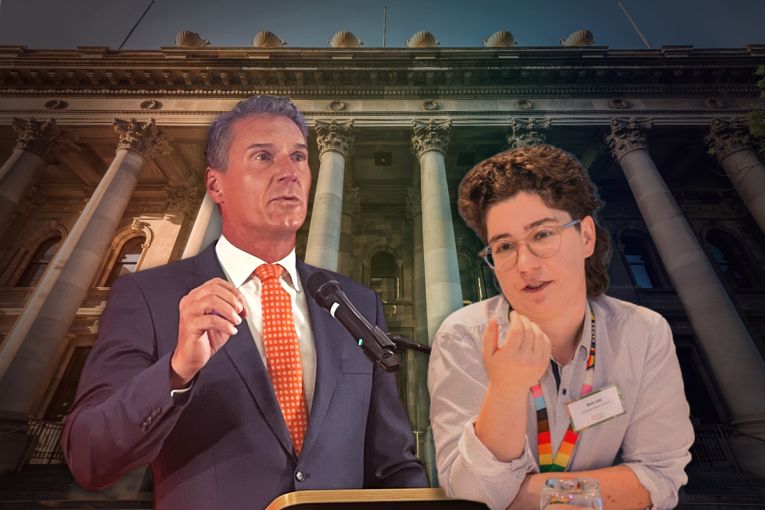
The Australian Family Party led by former SA Senator Bob Day is running in every seat, while Family First is running in 35 seats.
One Nation will also have to contend with the Fair Go for Australia founded by ex-One Nation MLC Sarah Game in 22 seats, and United Voice Australia led by perennial right wing minor party candidate Mark Aldridge.
None of these parties have a realistic chance at this time to win lower house seats, but they can take votes from One Nation with no guarantee that they will all flow to One Nation in preferences ahead of the Liberals. How these votes flow will be crucial in the state-wide contest between the Liberals and One Nation.
The candidates’ How to Vote cards lodged with the South Australia Electoral Commission (ECSA) by this Friday will be an important guide as to how the votes of these minor party candidates will flow.
Stay informed, daily
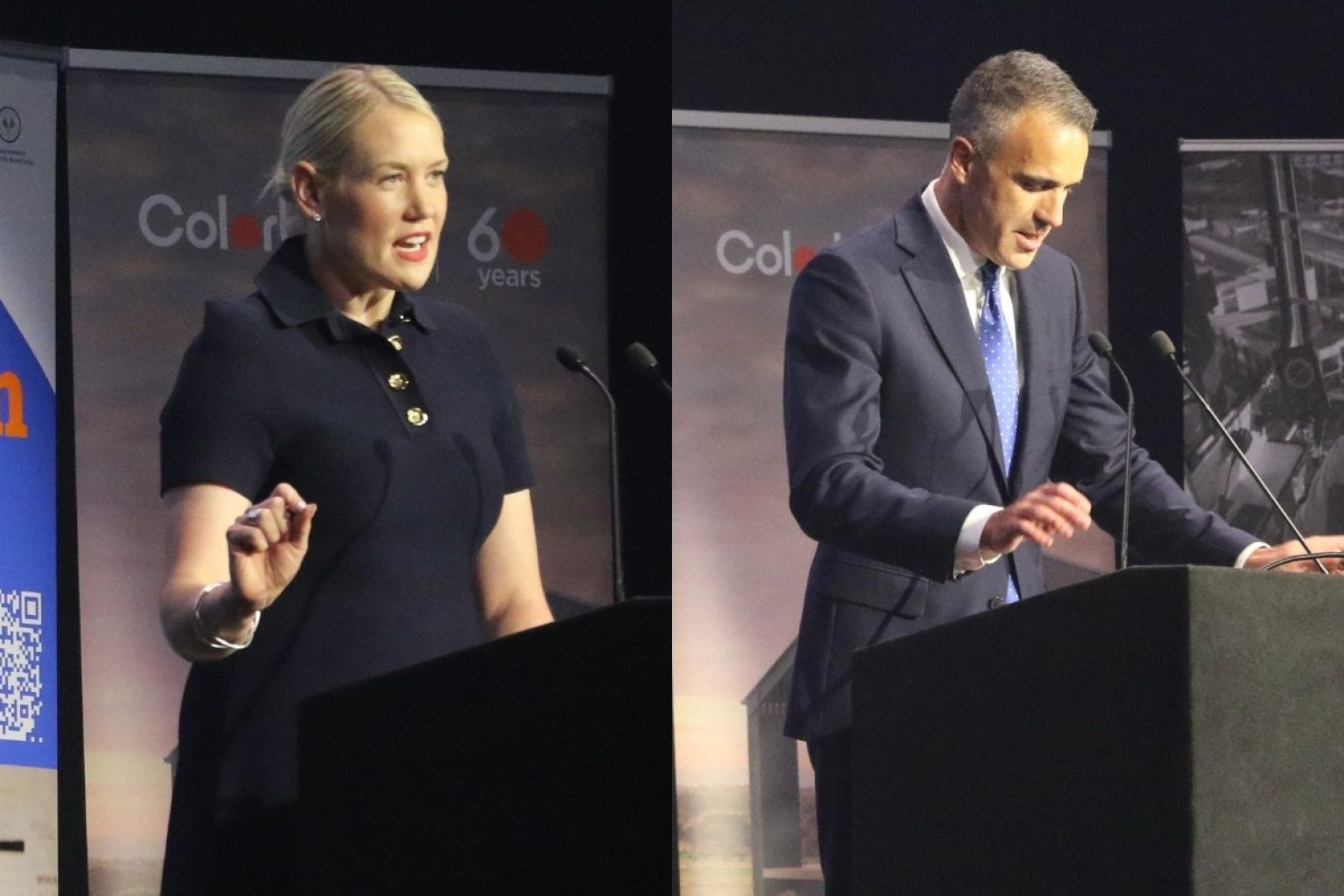
For the Liberals, their task for holding Opposition, if they lose all their city seats, will be decided in regional SA. There are six regional seats with underlying Liberal 2PP margins of 10 per cent or more, even if the seat is or was held by an independent. These seats are; Schubert, Narungga, Mount Gambier, Chaffey, Flinders and Mackillop.
The Liberals currently only hold three of these seats; Schubert (by leader Ashton Hurn), Chaffey and Flinders, which have been held by SA Nationals in recent decades. All three of these seats should have strong One Nation votes if current polling holds.
Conversely Narungga, Mount Gambier and Mackillop were all independent-held. In all three seats, the independent MP is either facing criminal charges or has been convicted, leaving the Liberals with a reasonable chance of regaining these seats. But they will have to ward off the One Nation challenge and navigate a large field of candidates.
How the Liberals and One Nation deal with the wide field of minor parties and their how to vote cards will be crucial to who will hold Opposition. Also of national importance will be the strength of the flow against One Nation from Labor and Greens voters, which hold lessons to the chance of One Nation to beat the Coalition in rural and regional areas across the country.
Labor must also reckon with this wide field which leaves plenty of options for disillusioned ex Liberal voters to place their vote. The rise of One Nation since mid-2025 has seen the Labor primary fall four percentage points in DemosAU/Ace Strategies polling. With more minor party options and a bevy of independents, Labor’s vote could be further eaten away at. Conversely, with a further fragmented right of centre party landscape, Labor could obtain a stronger vote if perceived as a stable choice.
Finally, strong campaigns by a number of Independents could also shake up the House of Assembly further. The 2022 election saw the most independents (four) elected since the House expanded to 47 members in 1970.
By my count there are 11 seats where current or ex MPs are running as independents, or a strong independent campaign is present, where an independent polled well last time. In nearly a quarter of the seats, independents are either challenging to win the seat or are posing as a significant factor in the contest.
While the battle for government may be seen as a foregone conclusion, the battle for the shape of the opposition is complex and multilayered.
George Hasanakos, Head of Research DemosAU
Editor’s Note: One Nation has announced it is not directing preferences in its How to Vote cards.
Want to see more stories from InDaily SA in your Google search results?
- Click here to set InDaily SA as a preferred source.
- Tick the box next to "InDaily SA". That's it.