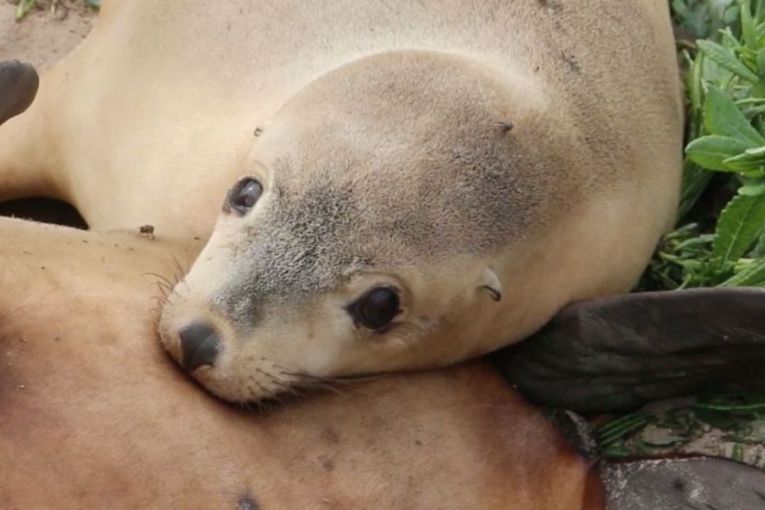
Fourteen endangered sea lions found dead in SA waters
Sad news is coming in from South Australia’s coast as almost 1000 birds are found dead in a mass mortality and a magpie is among the bird flu carnage for the first time.
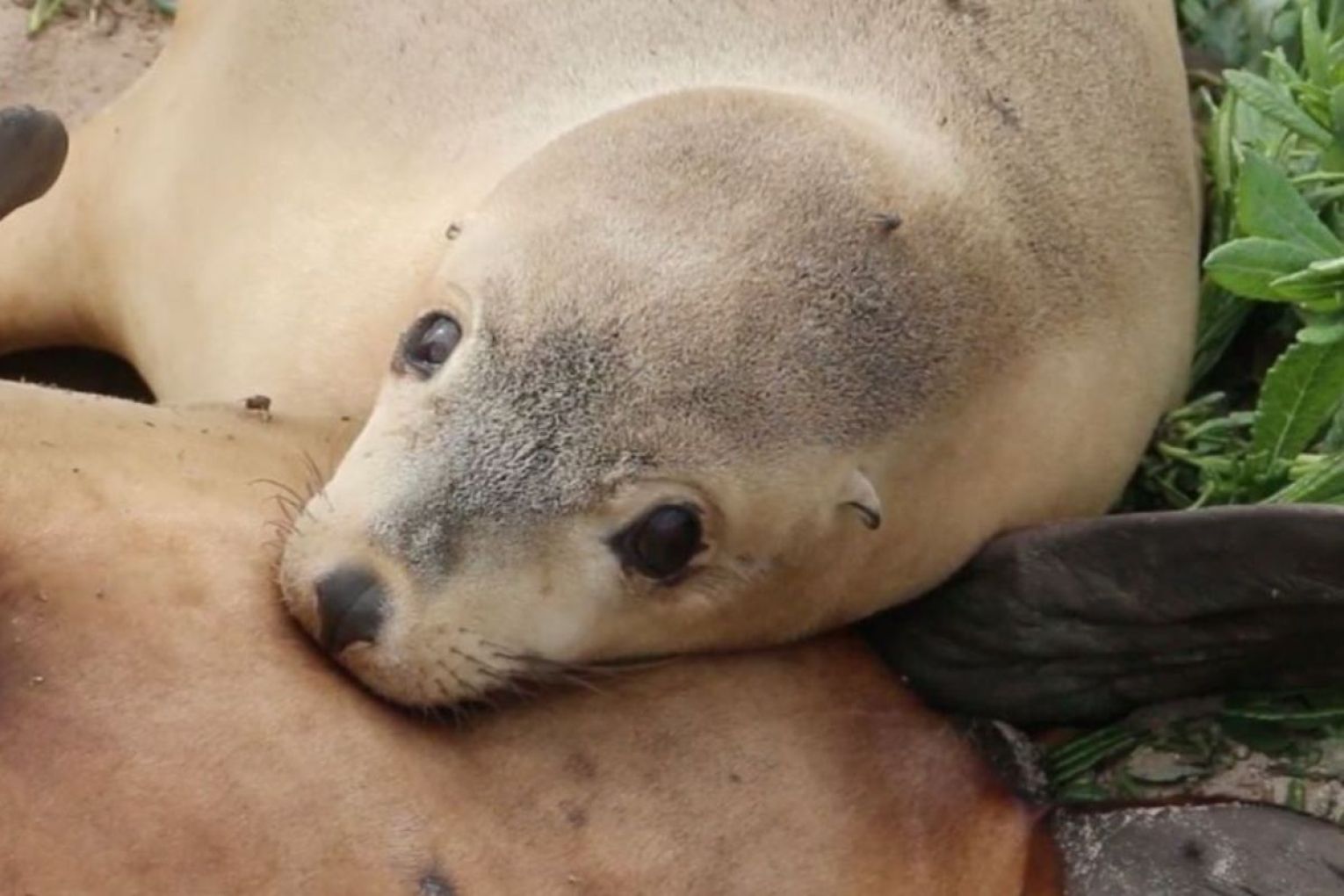
Fourteen Australian sea lions have been found dead off the coast of Kangaroo Island on the North and South Pages Islands, with four testing positive to H5 bird flu and six negative. A further four sea lions were too decomposed to sample.
Endangered Australian sea lions are the rarest species of seal in the country, with more than 80 per cent of the estimated total population of 10,000-12,000 nationally found in SA.
The dead sea lions were discovered as part of ongoing aerial wildlife surveillance operations along the state’s coastline and offshore islands, taking the total number of H5 bird flu cases among SA sea lions to five.
Environment Minister Emily Bourke confirmed that one of the cases was a sea lion pup and the other three cases adult sea lions.
“It is concerning, and that’s why we will continue to advocate as hard as we can in regards to every lever that can be pulled needs to be pulled,” Bourke said.
“Marine animals, like all animals, do pass away, and we often can find them on our coastlines as well.
You might like

“We’ve seen it recently over the last few weeks in whales on our coastlines and we do see dolphins on our coastlines.”
Since June, the bird flu hotline has received 11,847 reports of sick and dead birds and wildlife across the state.
A further 900 crested terns have also been found on the Pages Islands in another mass mortality event to the species and an Australian magpie is among the new cases.
Bourke said the state government would continue to advocate for a vaccination, which would be an “experimental trial”, to be rolled out in SA.
It follows the introduction of more than 100 new feral cat traps at Seal Bay to reduce added threats facing sea lions and assist with the recovery of the species populations.
Also among the new cases was the first SA detections of bird flu in a black-faced cormorant at Lipson Island on the Eyre Peninsula and an Australian magpie on Hindmarsh Island.
Stay informed, daily
Earlier this year, the Australian magpie topped the list in BirdLife Australia’s Aussie Bird Count, making it the most prevalent bird species in SA.
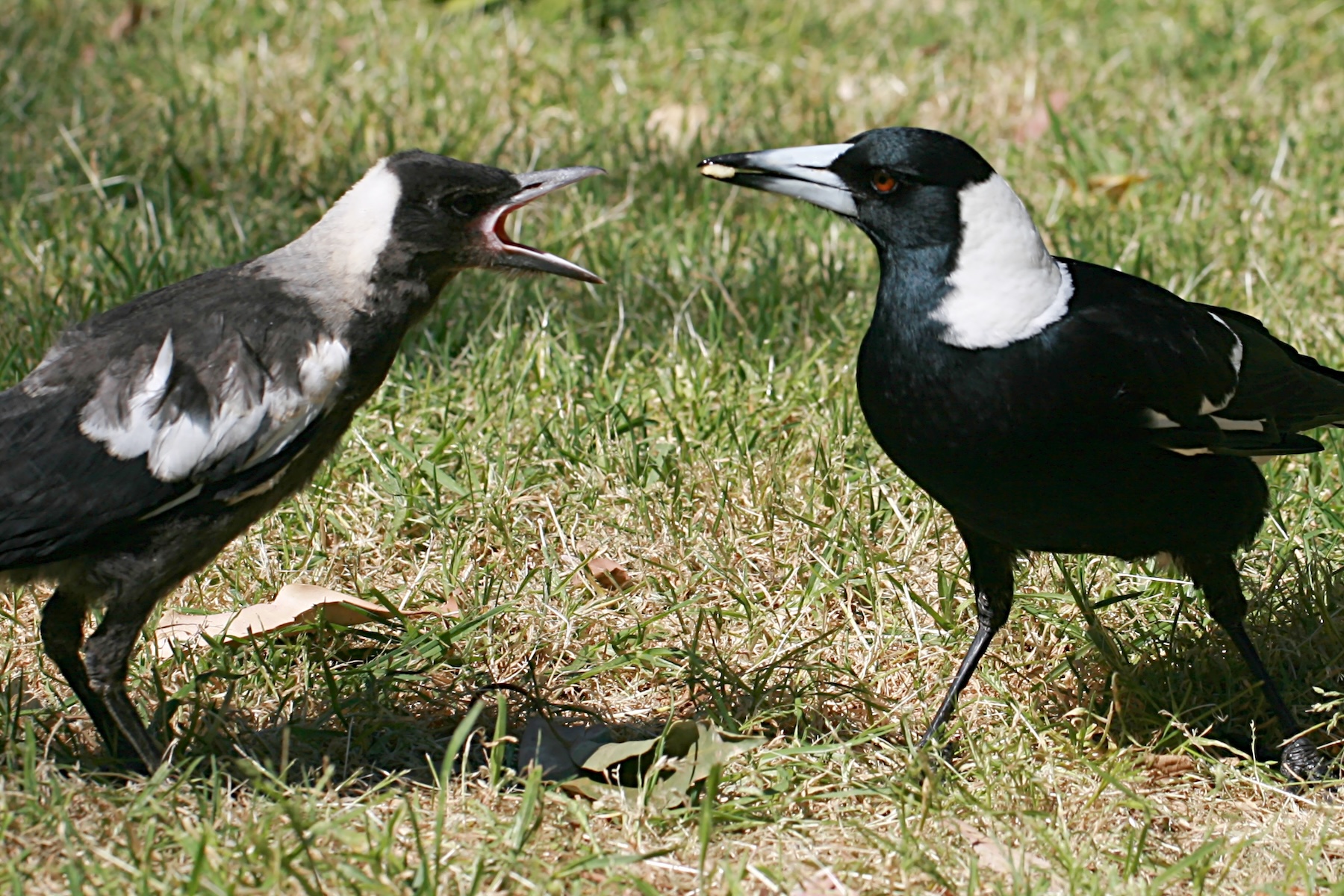
When asked if there were concerns that bird flu would be transmitted to urban areas following the magpie detection, Bourke said bird flu had already “gone beyond our coastline”.
“This isn’t a coastal issue. This is a state issue. This is a national issue, and it should be addressed that way,” she said.
“The poultry industry is on alert, as they have been since bird flu was detected in South Australia. But also, they’ve been on alert for quite a number of years.”
Bird flu detections in SA are now being recorded as “events” rather than individual cases, with the latest events taking the total number in the state to 318.
Bourke confirmed that more than 150 birds at Cleland Wildlife Park had received their first vaccinations as the state government looks to roll out vaccinations at other conservation parks.
“We’ve now undertaken the trials that we’re starting in the coming weeks at the Adelaide Zoo, and we’re doing efforts in other states and territories as well. And so a lot has been achieved in two months,” Bourke said.
“We are very well aware that this is an experimental trial, but we also want to make sure that all efforts that can be made are made, and we will continue to advocate as a state if it can be done so appropriately and safely.”
Invasive Species Council CEO Jack Gough said SA wildlife could be given a “fighting chance” by reducing other threats and called on further government funding.
“That means controlling invasive species, protecting and restoring critical habitat and stopping further habitat destruction, so populations are as strong and resilient as possible when bird flu hits,” Gough said.
“This is exactly why $20 million for wildlife resilience across the entire country is nowhere near enough. It was never a serious investment for a threat of this scale. The federal government needs to establish at least a $200 million Wildlife Resilience Fund over two years.”
Want to see more stories from InDaily SA in your Google search results?
- Click here to set InDaily SA as a preferred source.
- Tick the box next to "InDaily SA". That's it.